Roll Calves Single Leg
Roll Calves Single Leg is a floor-based foam rolling drill for the lower leg. It is used to reduce stiffness, ease tight spots, and make the calf feel more mobile before or after running, jumping, squatting, or long periods on your feet. Because you work one side at a time, you can control pressure more precisely and spend extra time where the calf feels dense or restricted.
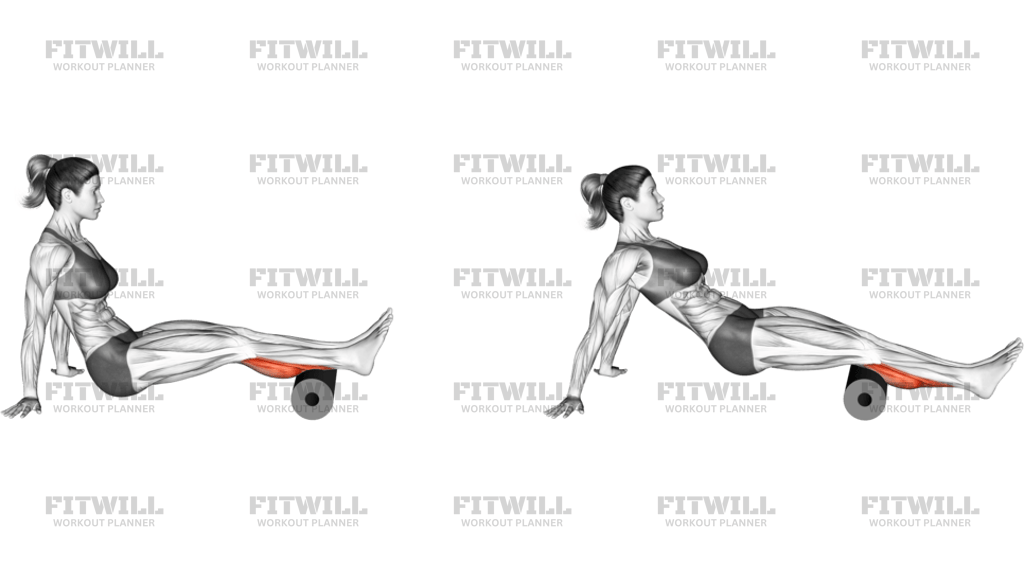
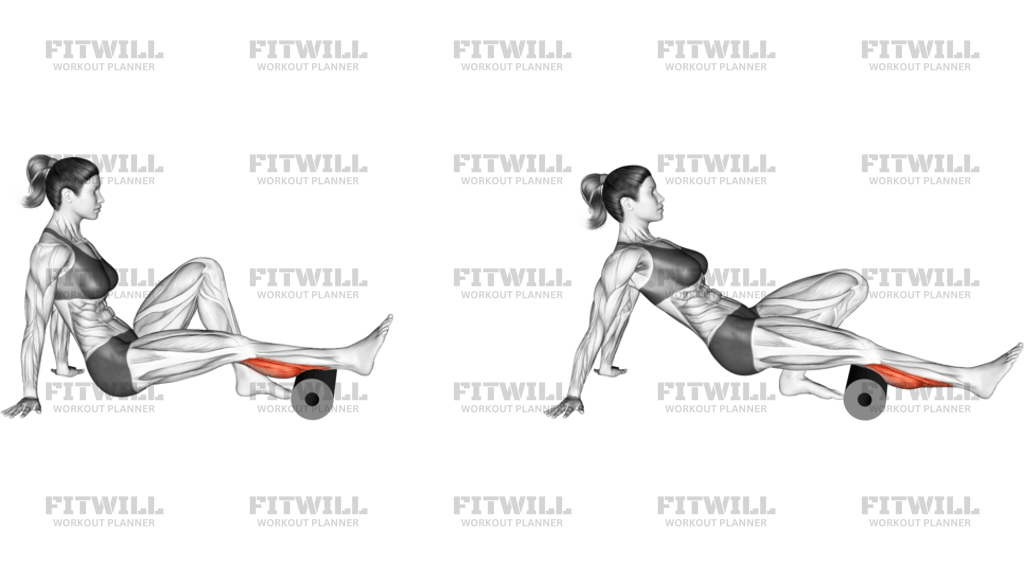
The setup matters more than it looks. Sit on the floor with your hands behind you for support, place one calf on the foam roller, and keep the other leg bent with the foot on the floor so you can offload or add pressure as needed. The working leg should stay long enough to expose the calf muscle, but not so locked that you slide over the joint instead of the muscle belly.
Roll Calves Single Leg should feel like a slow search, not a race. Move a few inches at a time from just above the Achilles tendon to just below the back of the knee, then pause on tender or ropey areas and let the muscle relax around the roller. Small changes in ankle position can change what you feel, so gently turn the toes in or out if you want to bias the inner or outer calf.
This exercise is especially useful in warmups for runners and field-sport athletes, or in recovery work after a lower-body session. It can also help if your ankles feel stiff during squats, lunges, or calf raises, since a calmer calf often lets the ankle move more freely. Keep the pressure tolerable and avoid aggressive rolling over sharp pain, numbness, or the back of the knee.
The main goal is to improve tissue quality and comfort, not to force a dramatic stretch. Use your arms to regulate bodyweight, breathe slowly, and let the calf soften into the roller instead of tensing against it. Done well, Roll Calves Single Leg leaves the lower leg feeling looser, warmer, and easier to load in the next exercise.
[ Workout Log & Planner ]
Put your next workout in Fitwill
Keep your plan and training log ready when you are.


Instructions
- Sit on the floor and place the foam roller under one calf, with your hands behind your hips for support.
- Keep the other leg bent with that foot planted so you can control how much pressure goes through the working side.
- Set the working leg long on the roller so the calf muscle, not the heel or knee, is on the foam.
- Press lightly through your hands and the planted foot to lift enough weight off the roller for a smooth pass.
- Roll slowly from just above the Achilles tendon toward the lower calf, stopping before the back of the knee.
- Pause on a tight spot for a breath or two, then ease off and continue with short, controlled strokes.
- Turn the toes slightly in or out if you want to find different parts of the inner or outer calf.
- Keep the pressure tolerable, breathe steadily, and relax the calf instead of bracing against the roller.
- After the set, lift the calf off the roller, reset your hips, and switch sides.
Tips & Tricks
- Use your hands behind you to control pressure; a tiny shift in bodyweight changes the feel a lot.
- If the roller feels too intense, keep more weight on the bent support leg and less on the working calf.
- Stay off the Achilles tendon and the back of the knee; the useful work is in the muscle belly.
- Short passes usually work better than long sweeps when the calf is especially tight.
- Turn the toes slightly inward to bias the outer calf and slightly outward to bias the inner calf.
- Let the ankle relax instead of pointing hard or cramping the foot against the roller.
- Breathe out on the tender spots so the calf can soften instead of guarding.
- If you feel numbness, tingling, or sharp pain, stop and move the roller to a less sensitive spot.
- Use a softer roller or a thicker mat under your hips if the floor pressure feels too harsh.
Frequently Asked Questions
What does Roll Calves Single Leg target?
It mainly targets the calf muscles, especially the lower part of the muscle belly that tends to feel tight after walking, running, or leg training.
Where should the foam roller sit during Roll Calves Single Leg?
Place it under the calf muscle, not under the Achilles tendon or directly behind the knee. You want firm pressure on the muscle belly, not on the joint.
How much pressure should I use on Roll Calves Single Leg?
Use enough bodyweight to feel a strong release, but not so much that you tense up or slide around. Your hands and bent support leg should let you dial the pressure up or down.
Should I roll the whole calf or just one spot?
Cover the calf with slow passes from just above the ankle to just below the knee, then pause on the areas that feel tight. The best results usually come from alternating movement and short holds.
Can I turn my foot during Roll Calves Single Leg?
Yes. Turning the toes slightly inward or outward can shift pressure toward the outer or inner calf, which helps you find stubborn spots more precisely.
Is Roll Calves Single Leg good before a workout?
Yes, especially before running, squatting, jumping, or calf work. Keep the passes brief and moderate so the leg feels looser without becoming overly irritated.
What if the roller feels painful on my calf?
Reduce pressure by supporting more of your bodyweight with your hands and the bent leg, or use a softer roller. Sharp pain, numbness, or tingling is a sign to stop and reset.
How long should I stay on each side?
A typical pass takes 30 to 60 seconds per calf, or a few slow rolls plus short pauses on the tightest spots. You do not need to grind through a long session for it to be useful.