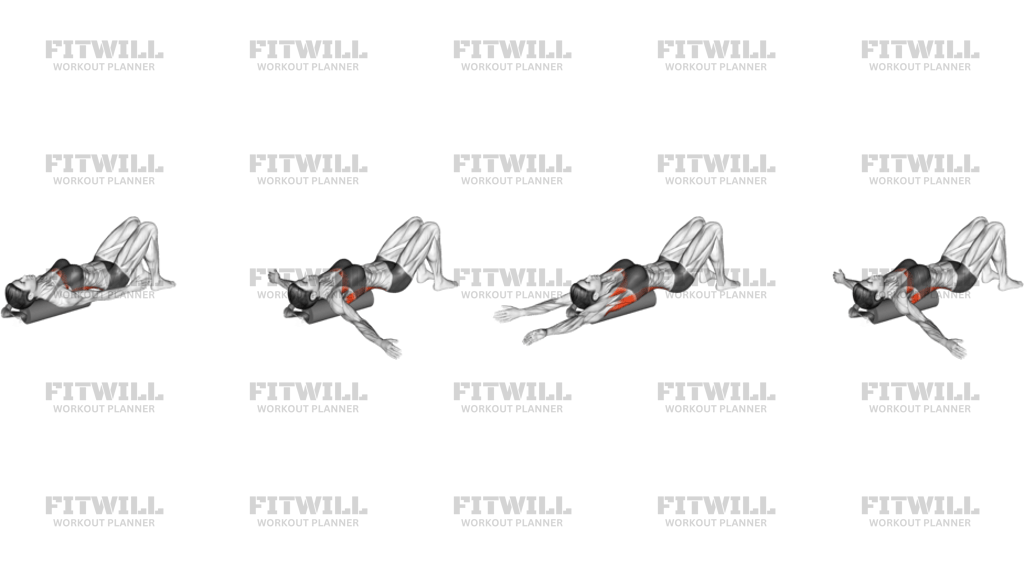
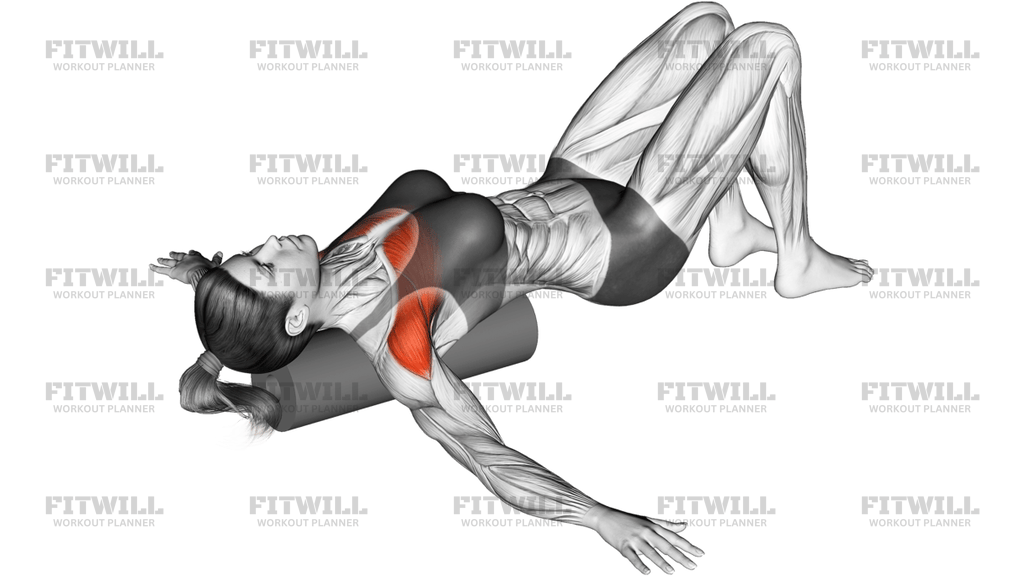
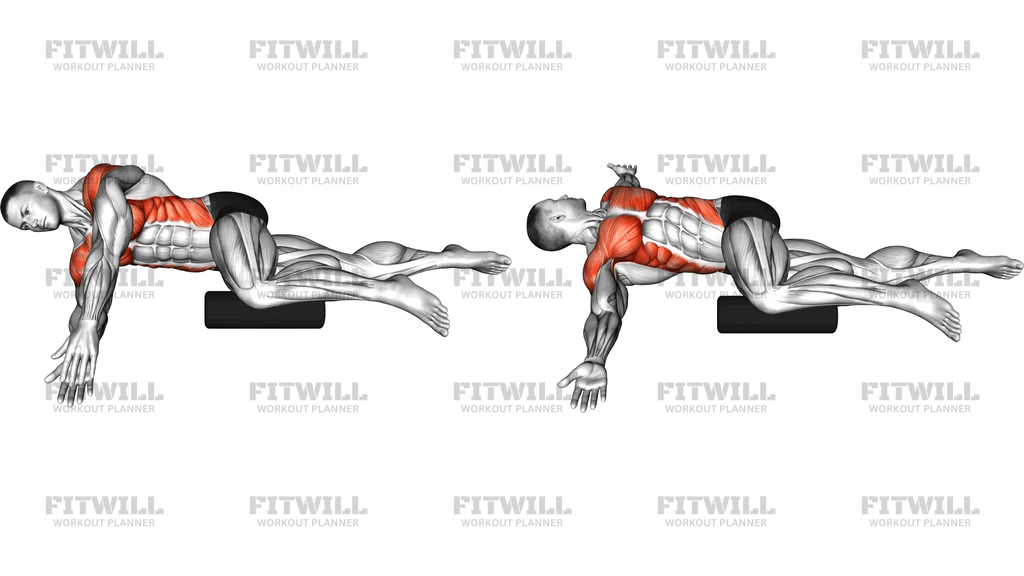
Roll Rhomboids
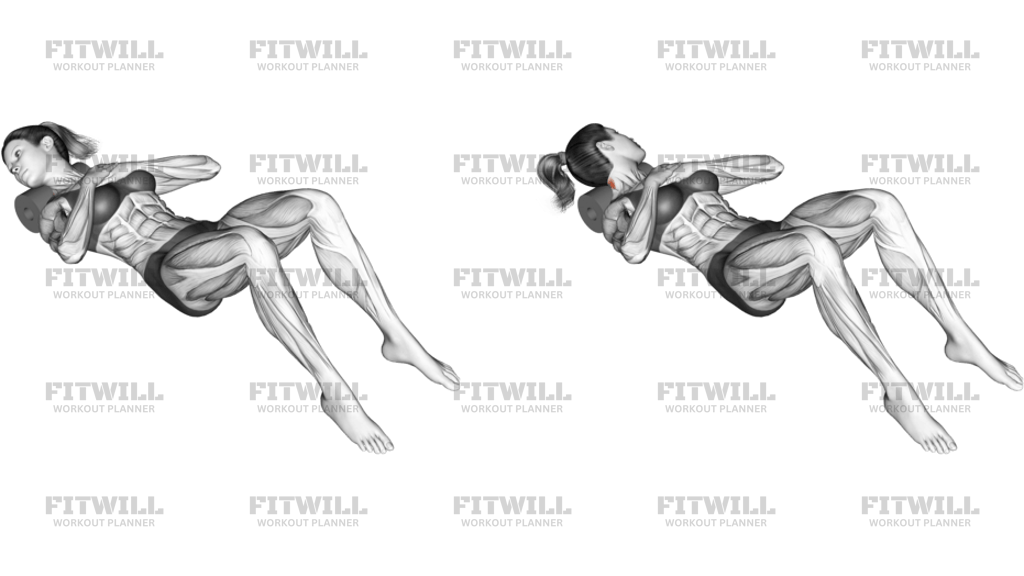
Roll Rhomboids is a foam roller self-massage drill for the upper back, especially the tissue between and around the shoulder blades. It is meant to ease stiffness, improve thoracic extension, and make the upper back feel less locked up before lifting, pressing, pulling, or overhead work. The setup matters because small changes in roller placement and body weight make the difference between a useful release and just bouncing around on your spine.
This movement is not a power exercise. It is a controlled mobility and tissue-release pattern that uses your body weight to apply pressure to the rhomboids and nearby upper-back muscles. When you keep the ribs stacked and the neck relaxed, the foam roller can work the tight spots without forcing the low back to arch or the shoulders to shrug. That makes the drill more useful for posture, warm-ups, and recovery days than for loading or fatigue.
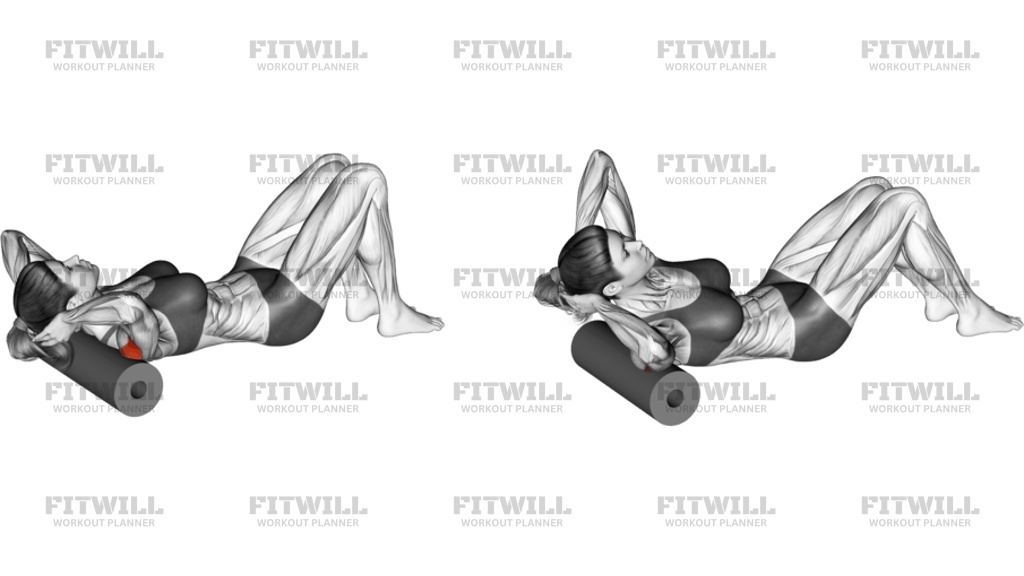
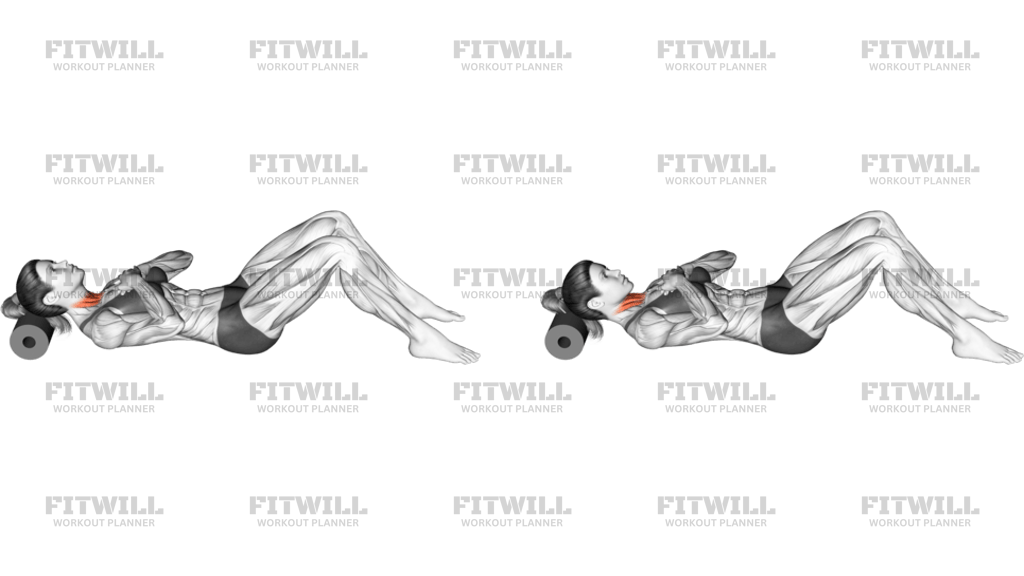
The best version starts with the roller under the upper thoracic spine, knees bent, feet flat, and the head supported. From there, you shift your weight slowly with the legs so the roller glides a few inches at a time between the base of the neck and the mid-back. The goal is steady pressure and smooth motion, not a big range or a fast roll. If a spot feels especially tender, pause on it, breathe, and let the pressure settle instead of grinding across it.
Use Roll Rhomboids when your upper back feels stiff from sitting, benching, rows, or overhead work. It can help you open the chest and reduce the feeling of the shoulder blades being glued down before training. It should feel like a strong but controllable release, never a sharp or nerve-like pain. If the roller is pressing into the neck, low back, or directly onto the shoulder joint, reset the position and keep the work centered on the upper back.
[ Workout Log & Planner ]
Put your next workout in Fitwill
Keep your plan and training log ready when you are.


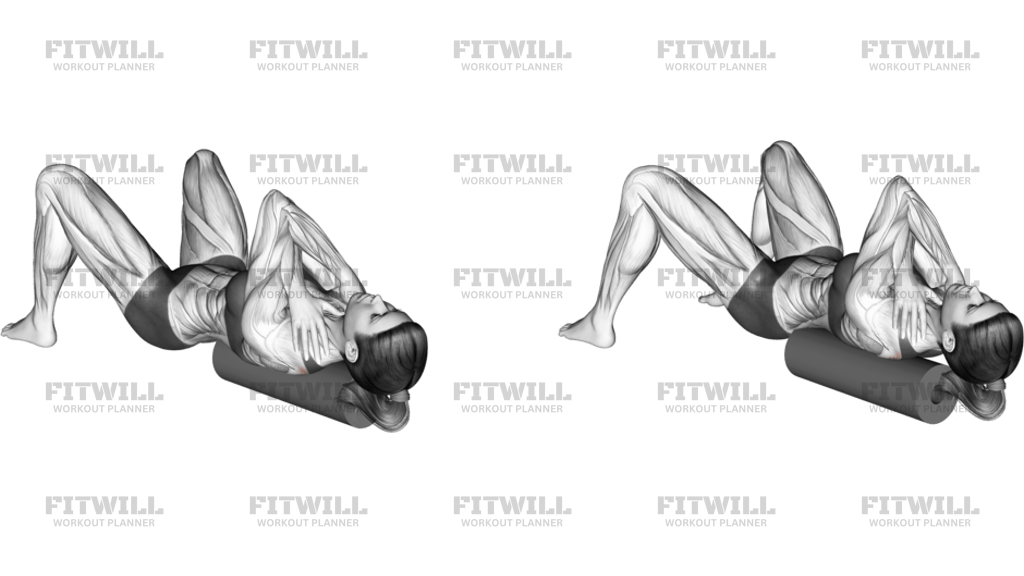
Instructions
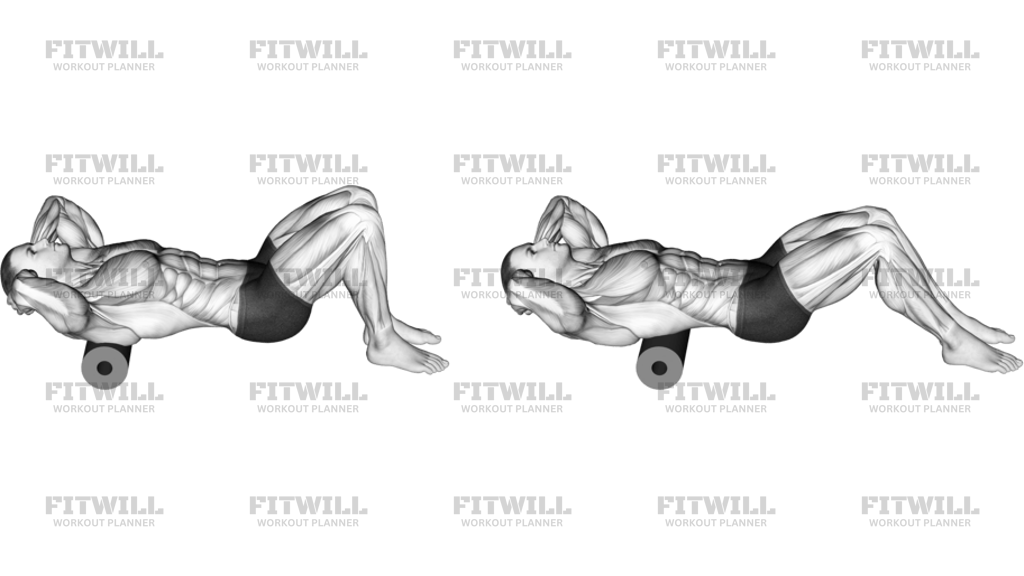
- Lie on the floor with the foam roller under your upper back, just below the shoulder blades, and bend your knees with both feet flat.
- Let your head rest lightly in your hands or across your chest so the neck stays relaxed and out of the way.
- Lift your hips just enough to let your body glide over the roller without collapsing into the low back.
- Use your feet to roll a few inches at a time toward the upper back and back toward the mid-back.
- Pause on any tight spot between the shoulder blades and breathe into the pressure for a brief hold.
- Keep the ribs down and avoid arching through the lower back as you move.
- Stay off the neck and stop short of the low ribs so the pressure stays on the rhomboid area.
- Repeat the slow roll for the planned number of passes, then lower your hips and sit up slowly.
Tips & Tricks
- Keep the roller on the upper thoracic spine; if it slides down into the low back, the target area is lost.
- Support the head lightly so you do not yank on the neck while rolling.
- A small range is enough. The pressure point matters more than covering a long distance.
- Slowly shift your weight with the legs instead of pushing the roller quickly across the back.
- If the shoulders shrug toward the ears, soften the arms and let the upper back stay heavy.
- Exhale while you settle onto a tight spot to help the ribs relax and the pressure spread.
- Keep your feet planted and use them as brakes so the movement does not turn into slipping on the floor.
- Stop if the sensation feels sharp, numb, or like it is traveling into the arm or neck.
Frequently Asked Questions
What does Roll Rhomboids work?
It mainly targets the rhomboids and nearby upper-back tissue between the shoulder blades, with some help from the thoracic spine and surrounding scapular muscles.
Is this a strength exercise or a mobility drill?
It is a self-myofascial release and mobility drill, not a strength movement. The goal is to reduce tightness and improve upper-back comfort.
Where should the foam roller sit on my back?
Place it under the upper thoracic spine, just below the shoulder blades. It should not be under the neck or low back.
How much pressure should I use?
Use enough body weight to feel the tissue release, but not so much that you tense up or hold your breath. A moderate, controllable pressure works best.
Should I roll quickly or slowly?
Slowly. This works best with short passes and brief pauses on tight spots rather than fast back-and-forth movement.
Can I use this before pressing or pulling workouts?
Yes. It is commonly used in warm-ups before benching, rowing, overhead pressing, or any session where the upper back feels stiff.
What should I do if the pressure feels too intense?
Reduce the load by keeping more weight in your feet, shorten the range, or move the roller slightly away from the most tender spot.
What is the most common mistake with this drill?
Rolling too fast and letting the lower back arch or the neck tense up. The movement should stay localized to the upper back.