Roll Shoulder Back Rotation Lying On Floor
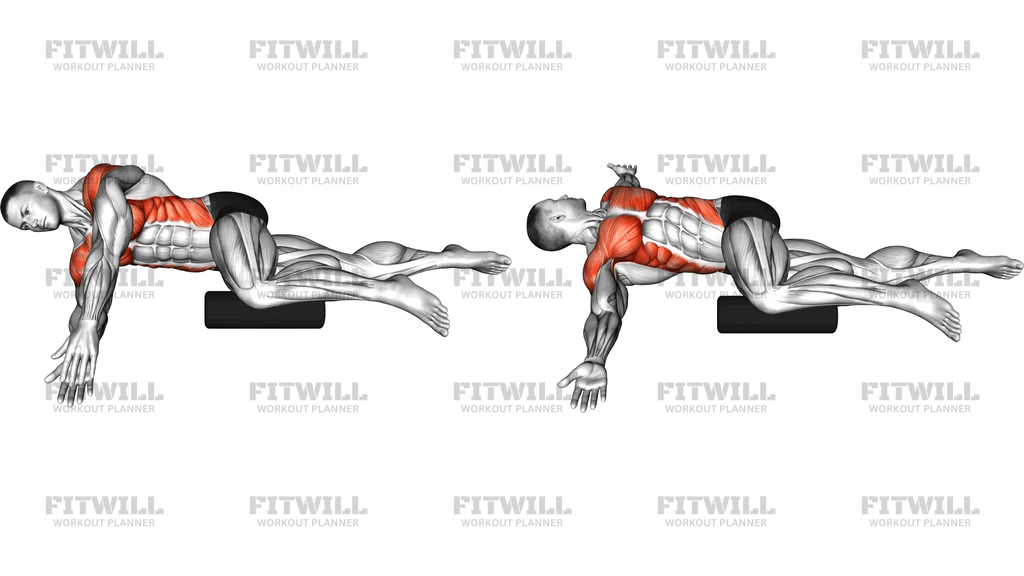
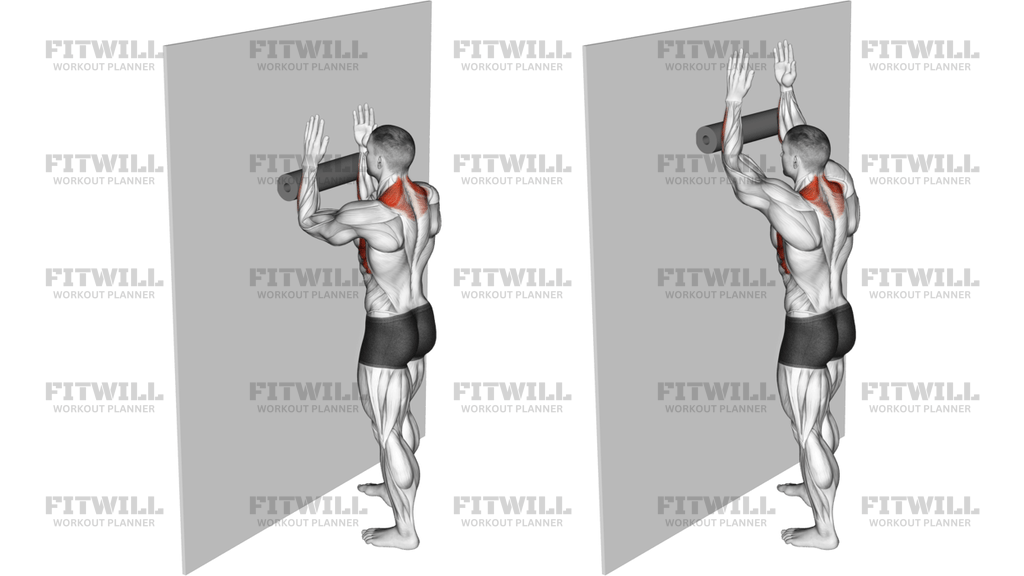
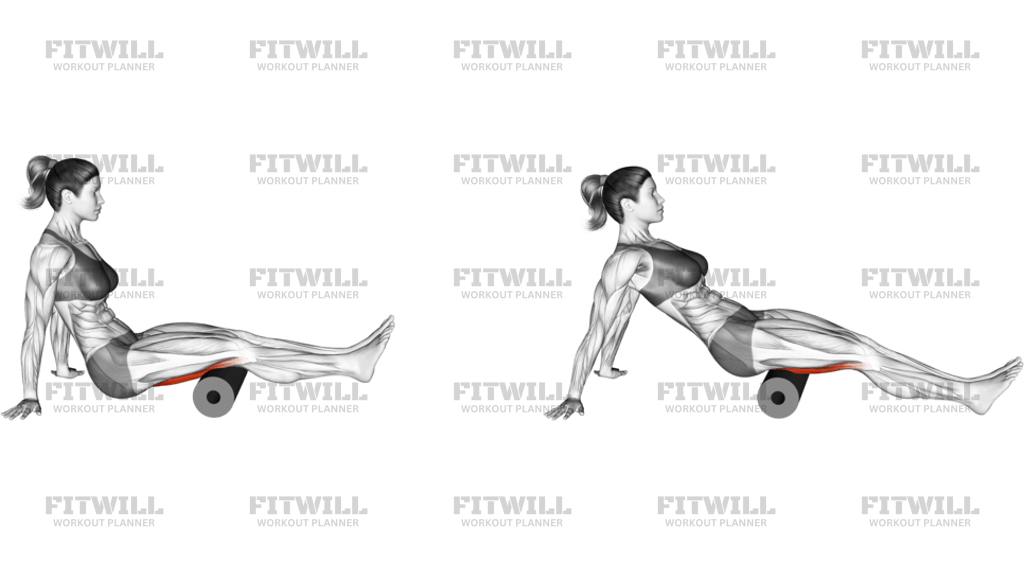
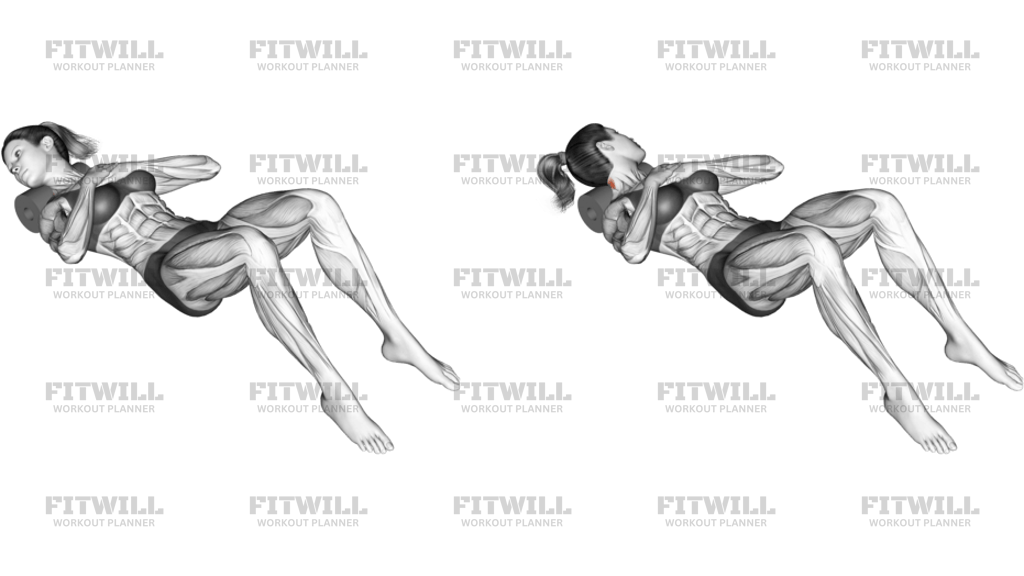
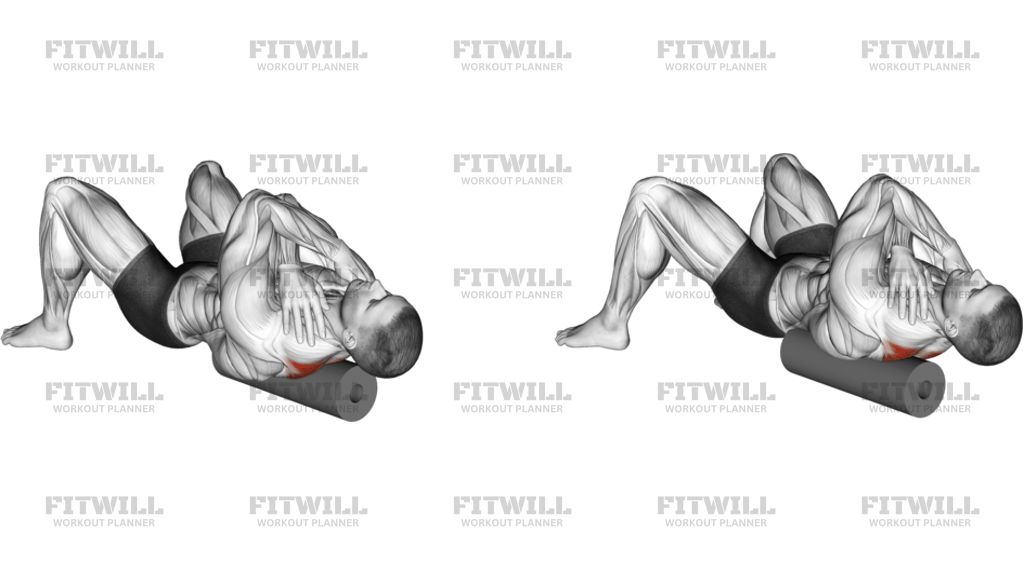
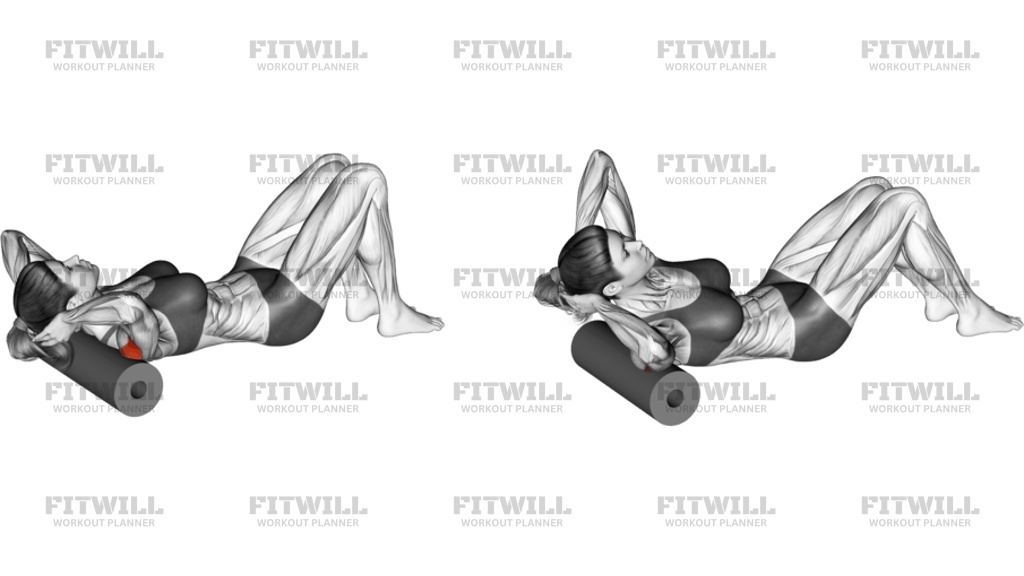
Roll Shoulder Back Rotation Lying On Floor is a floor-based shoulder and upper-back mobility drill performed with a foam roll under the thoracic spine. In the pictured position, the head is supported, the knees stay bent, and the chest opens as the shoulders gently rotate back over the roller. It is less about loading a muscle hard and more about restoring cleaner motion through the rib cage, shoulder girdle, and upper back.
The exercise is most useful when the upper back feels stiff, the chest feels tight, or the shoulders need a controlled opening before pressing, overhead work, or other upper-body training. The foam roll creates a small, focused extension point across the upper back so the shoulders can move without the low back doing all the work. That setup matters: if the roller sits too low or the ribs flare too much, the movement turns into a lumbar arch instead of a true shoulder-back rotation.
A good rep is smooth and deliberate. Keep the neck long, the jaw relaxed, and the hands only as supportive as needed behind the head. As the shoulders rotate back, let the elbows travel open without yanking them down forcefully. The goal is a comfortable stretch across the front of the shoulders and chest with the upper back staying organized and supported by the roll.
This is a useful warm-up or recovery drill on days when posture, overhead positioning, or pressing quality matters. It can also help after long periods of sitting because it gives the thoracic spine a chance to extend while the shoulders move through a cleaner path. The movement should stay pain-free and controlled; sharp pinching in the shoulder or a crampy low-back arch means the range is too aggressive or the setup needs to be adjusted.
Use a smaller range and slower breathing before trying to force more opening. The best version of this exercise feels like the shoulders are rotating back over a stable upper-back fulcrum, not like the entire torso is collapsing into the floor.
[ Workout Log & Planner ]
Put your next workout in Fitwill
Keep your plan and training log ready when you are.


Instructions
- Place a foam roll horizontally across your upper back, just below the shoulder blades, and lie back with your knees bent and feet flat on the floor.
- Support your head with both hands, keep your elbows out to the sides, and let the roller sit on the upper thoracic spine rather than the neck or low back.
- Set your ribs down lightly so the low back stays quiet before you start the rotation.
- Slowly rotate the shoulders back and open the elbows, allowing the chest to lift only as far as you can control.
- Keep the movement smooth and avoid pulling hard on your head or forcing the elbows to the floor.
- Pause briefly in the open position when the shoulder blades are settled and the upper back is supported by the roller.
- Return to the start under control, letting the shoulders come forward without losing the rib position.
- Inhale as you come back to center and exhale as you open through the shoulders.
- Repeat for the planned reps and stop if the range turns into a low-back arch or shoulder pinch.
Tips & Tricks
- Keep the foam roll under the upper thoracic spine; if it slides toward the low back, the movement stops being a shoulder-opening drill.
- Support the head lightly with the hands instead of pulling the neck forward during the opening phase.
- Let the elbows travel open, but do not force them down if the front of the shoulder feels jammed.
- Press both feet into the floor so the pelvis stays steady while the upper back rotates over the roller.
- Think about widening the collarbones rather than collapsing the rib cage upward into a hard arch.
- Use slow breathing to keep the opening smooth; a long exhale usually helps the ribs settle before the next rep.
- A smaller range done cleanly is better than chasing a big chest lift that comes from the lower back.
- If the roller feels too aggressive, place it on a folded mat or use a softer roller before increasing range.
- Stop immediately if you feel sharp pinching, tingling, or neck strain instead of a gentle front-shoulder stretch.
Frequently Asked Questions
What does Roll Shoulder Back Rotation Lying On Floor work most?
It mainly targets shoulder mobility and upper-back extension, with the chest, front shoulders, and rib cage contributing to the opening.
Can beginners perform this exercise?
Yes. Beginners should keep the range small, move slowly, and use the foam roll only as much as needed to feel a comfortable opening.
Where should the foam roll sit during the rep?
Place it across the upper back, just below the shoulder blades, so it supports the thoracic spine instead of pressing into the neck or lower back.
Should I pull my head forward with my hands?
No. The hands should only support the head lightly; the opening should come from the shoulders and upper back, not from yanking the neck.
Why are the knees bent in this position?
Bent knees help keep the pelvis and lower back stable so the thoracic spine and shoulders can open without a big lumbar arch.
What should I feel in the open position?
A gentle stretch across the chest and front of the shoulders, plus a supported extension through the upper back. It should not feel sharp or jammed.
When is this exercise most useful?
It works well in a warm-up before pressing or overhead work, or as a recovery drill after sitting or training that leaves the upper back stiff.
What is the most common mistake with this movement?
The biggest mistake is turning it into a low-back arch instead of a controlled shoulder-back rotation over the foam roll.
Can I use a towel instead of a foam roll?
Yes. A folded towel or softer roller can reduce the intensity if the standard foam roll feels too aggressive.