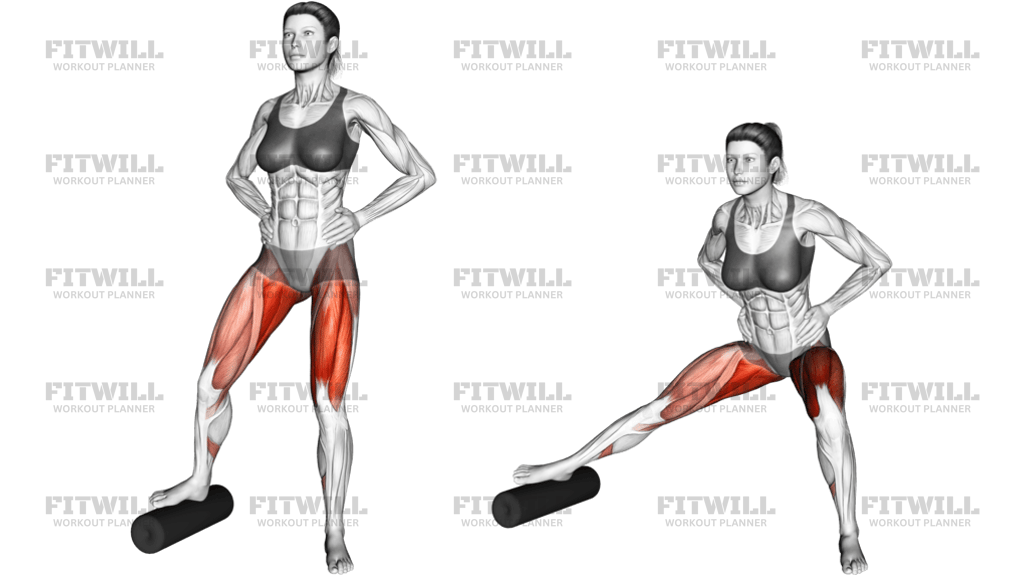
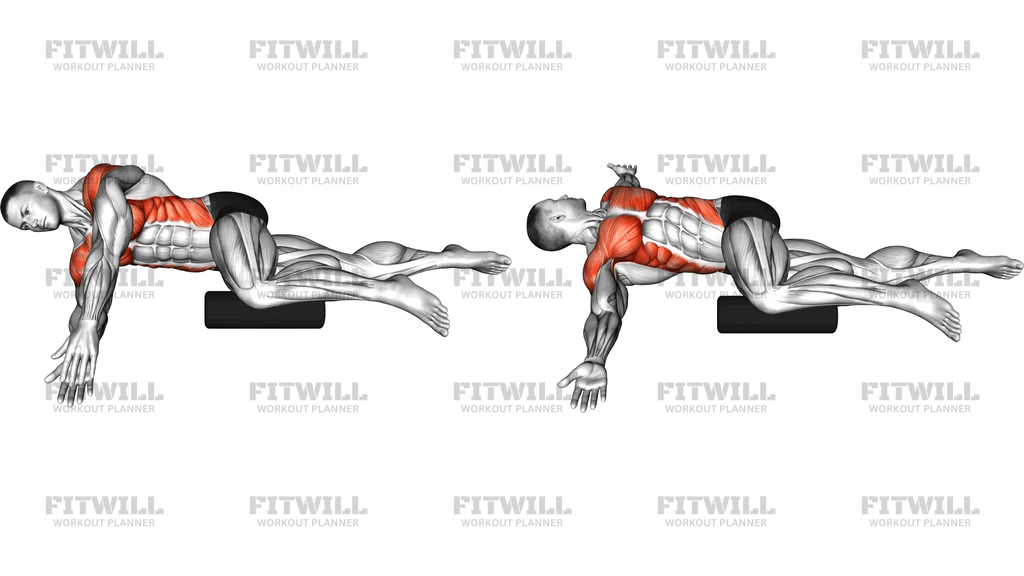
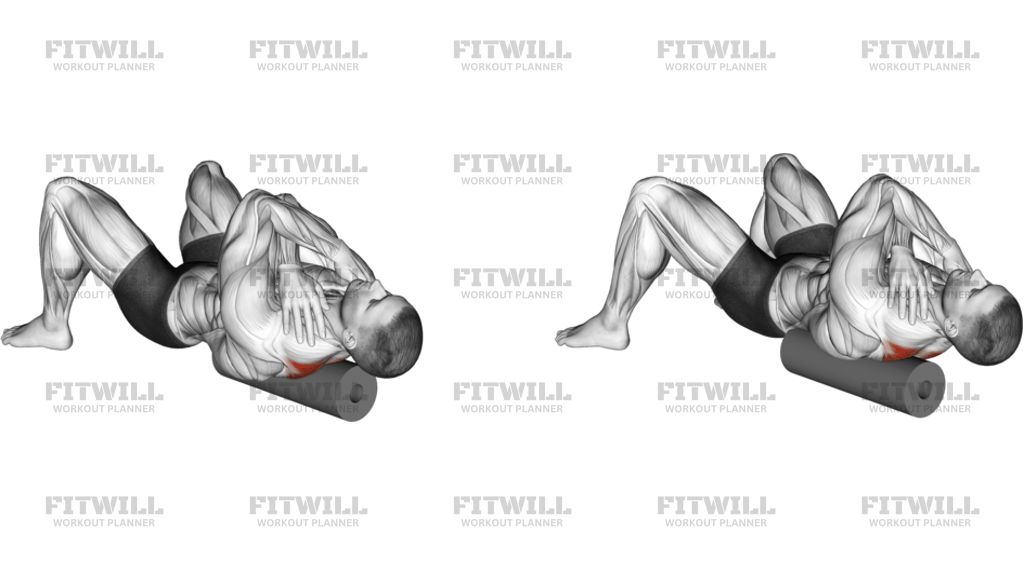
Roll Glutes Sitting On Floor
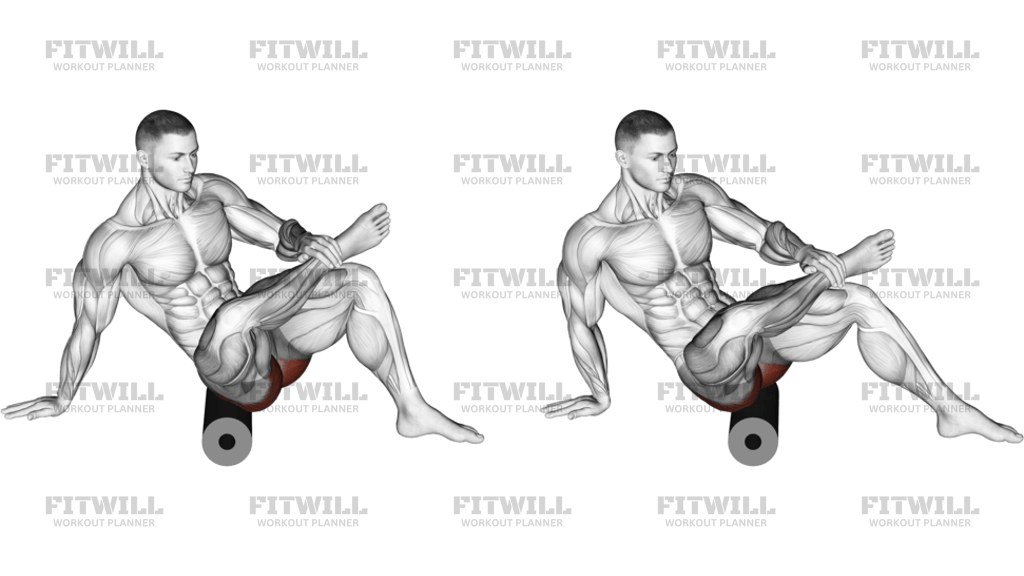
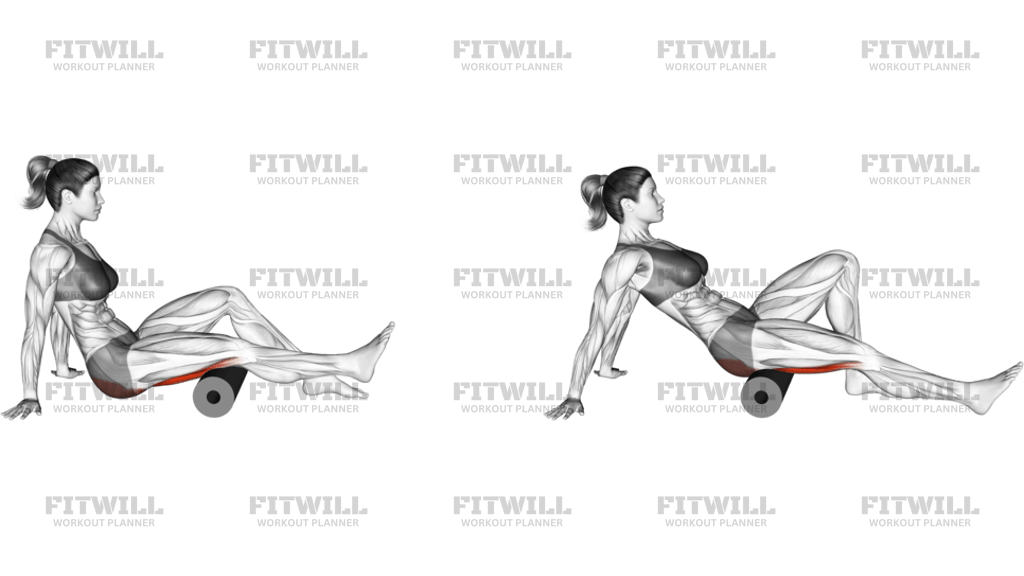
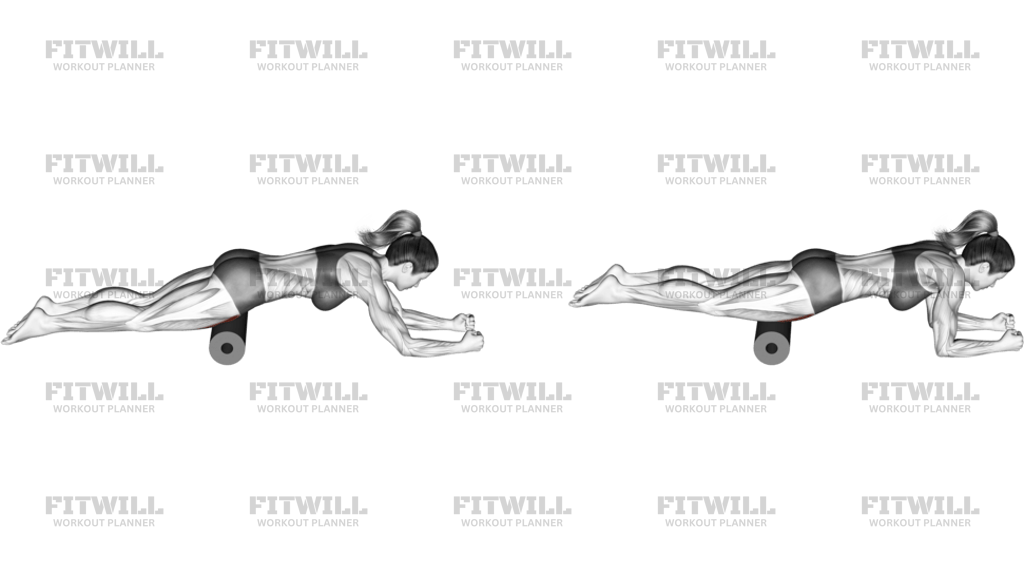
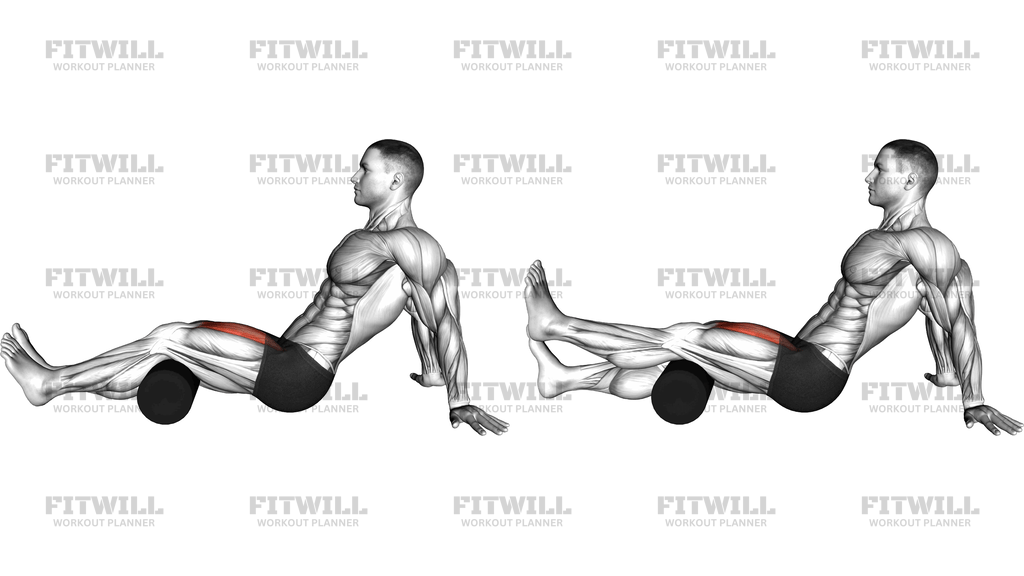
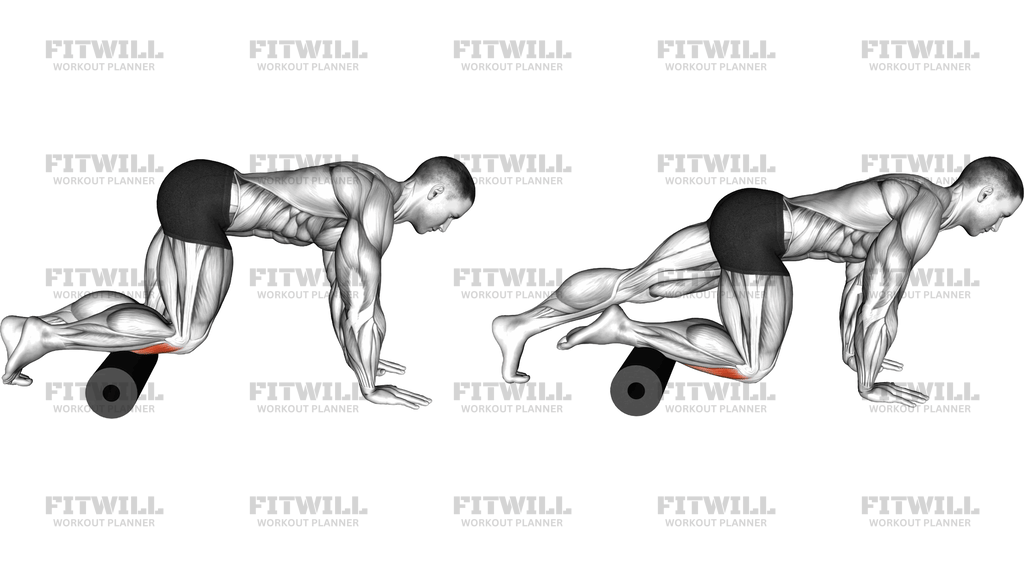
Roll Glutes Sitting On Floor is a floor-based foam-roller self-massage drill for the glutes and outer hip. It is meant to reduce stiffness, improve tissue tolerance, and make the hips feel easier to move before training or after long periods of sitting. The position in the image matters because your hands, feet, and opposite hip angle all control how much pressure you put through the roller.
The exercise is not about grinding through pain or chasing a huge range. It works best when you keep your weight mostly on the working glute, move in short controlled shifts, and pause on tender spots long enough to relax around them. A small change in torso angle, foot pressure, or how far you lean back can move the pressure from the center of the glute to the side of the hip.
Use the foam roller under one glute or centered between both hips, with your hands behind you for support, knees bent, and feet on the floor. Lift your hips just enough to slide or rock over the roller. Keep your chest open and your neck long so the pressure stays in the glutes instead of collapsing into the low back. Smooth breathing helps the muscle soften and keeps you from bracing against the roller.
This drill is useful in warm-ups, recovery sessions, or mobility blocks when the glutes feel tight from lifting, running, squatting, or sitting. It should feel like firm but manageable pressure, not sharp pain, numbness, or pinching near the tailbone. If the roller lands on bone instead of muscle, shift slightly to the side and adjust the angle until you are on the soft tissue of the glute.
[ Workout Log & Planner ]
Put your next workout in Fitwill
Keep your plan and training log ready when you are.


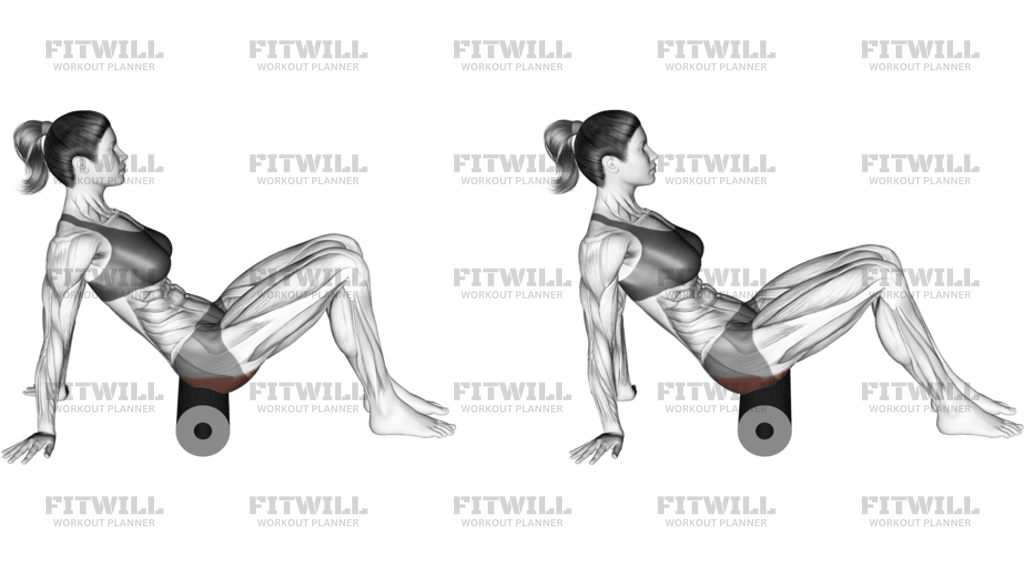
Instructions
- Sit on the floor with the foam roller under one glute or centered between both hips, and place both hands behind you for support.
- Bend your knees and plant your feet so you can control how much body weight you place on the roller.
- Lean back through your arms until your hips are just lightly lifted and the roller is pressing into the glute muscle.
- Start with a small rock or short slide over the tender area instead of moving the full length of the hip.
- Shift your weight slightly toward the side that needs work and make slow passes across the dense parts of the glute.
- Pause briefly on a tight spot, then ease the pressure by breathing out and relaxing the hips.
- Adjust your foot position or torso angle if the pressure starts moving into the low back or tailbone.
- Continue for the planned time or repetitions, keeping the motion smooth and controlled.
- Lower your hips back to the floor and reset before switching sides or repeating.
Tips & Tricks
- Keep the movement small; long, fast rolls usually just drag the roller across the wrong spot.
- If the pressure feels too sharp, support more body weight with your hands and keep more of your hips on the floor.
- A slight turn of the knees can shift pressure toward the outside edge of the glute and away from the center.
- Do not roll directly on the tailbone or lower spine; the roller should stay on soft tissue only.
- Slow exhalations help the glute relax and usually make the tender spot easier to work through.
- If one side is tighter, spend a little longer there instead of forcing equal time on both sides.
- A firm roller is usually enough; you do not need extra load to make this effective.
- Stop if you feel numbness, tingling, or a sharp pinch in the hip or low back.
- Use this before squats, deadlifts, runs, or long sitting blocks when the glutes feel shut down.
Frequently Asked Questions
What does Roll Glutes Sitting On Floor work?
It mainly targets the glute muscles and the surrounding outer hip tissue. The hands and feet just help you control pressure on the roller.
Should I roll one glute at a time or both together?
Either setup works. Centering the roller can feel more balanced, while shifting slightly to one side gives you more pressure on the tighter glute.
How much pressure should the roller put on my glutes?
Firm pressure is fine, but it should stay tolerable and muscular. If it feels like bone pressure or joint pain, shift your body and reduce the load through your hands.
Where should the roller sit on my body?
It should stay under the soft part of the glute, not on the tailbone or low back. A small adjustment in knee angle or hip lean usually fixes the position.
Can I use this before lifting or running?
Yes. It is commonly used in warm-ups to reduce glute stiffness and make hip motion feel smoother before lower-body work or running.
What is the most common mistake with this roller exercise?
People often move too fast and miss the tight spot. Short, slow passes with brief pauses are usually more effective.
How long should I stay on one area?
Only long enough to breathe and let the pressure ease, usually a few slow breaths before moving on to another spot.
Is this meant to stretch the glutes?
It is more of a self-massage and tissue-release drill than a traditional stretch. The goal is to ease tension and improve how the hips feel when you move.