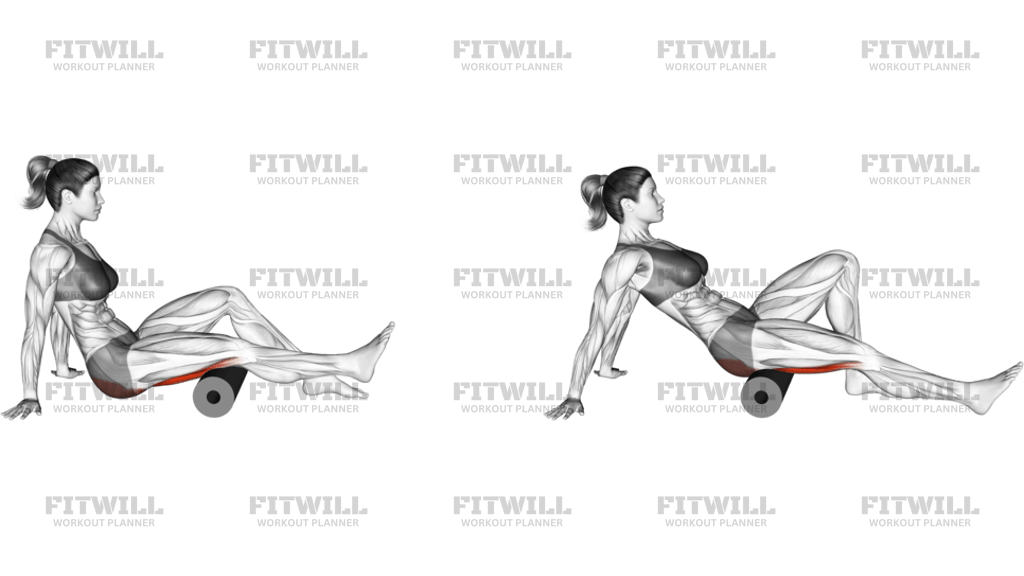
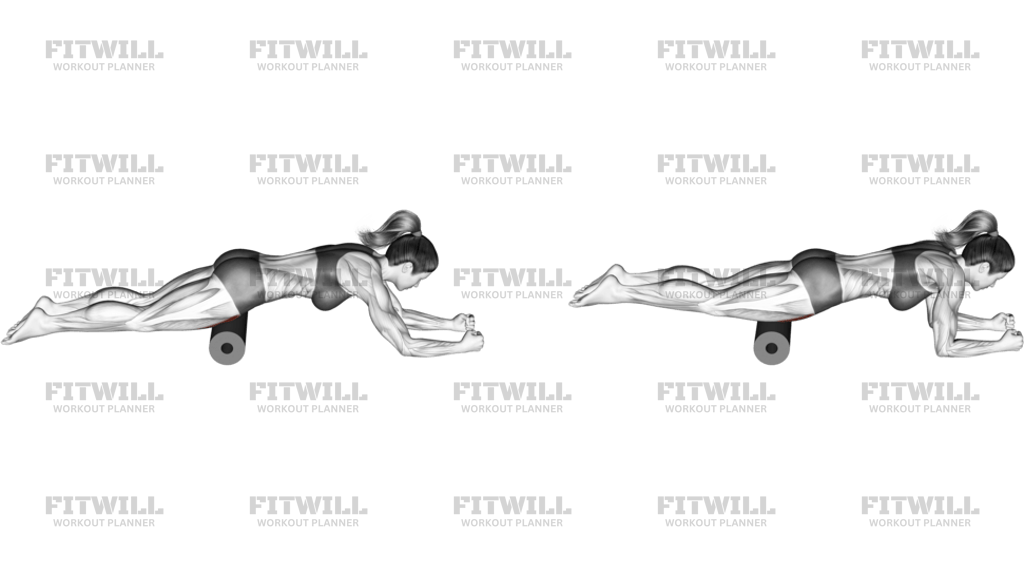
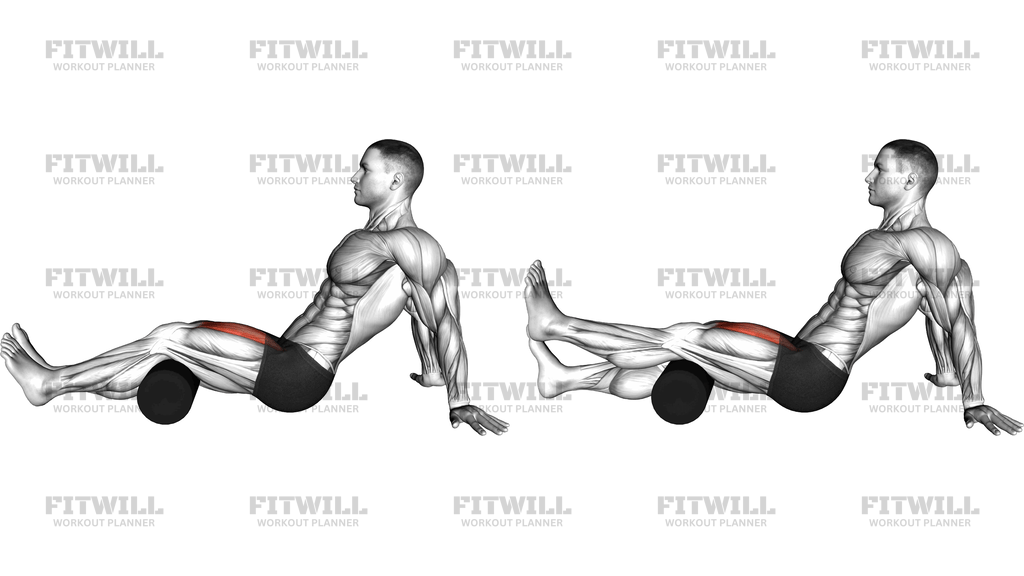
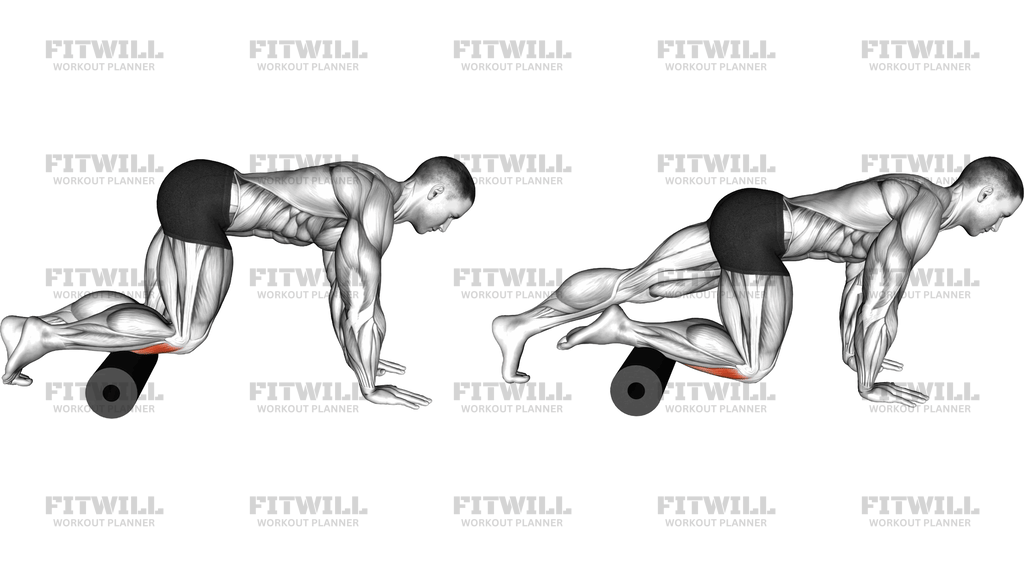
Roll Erector Spinae Lying On Floor
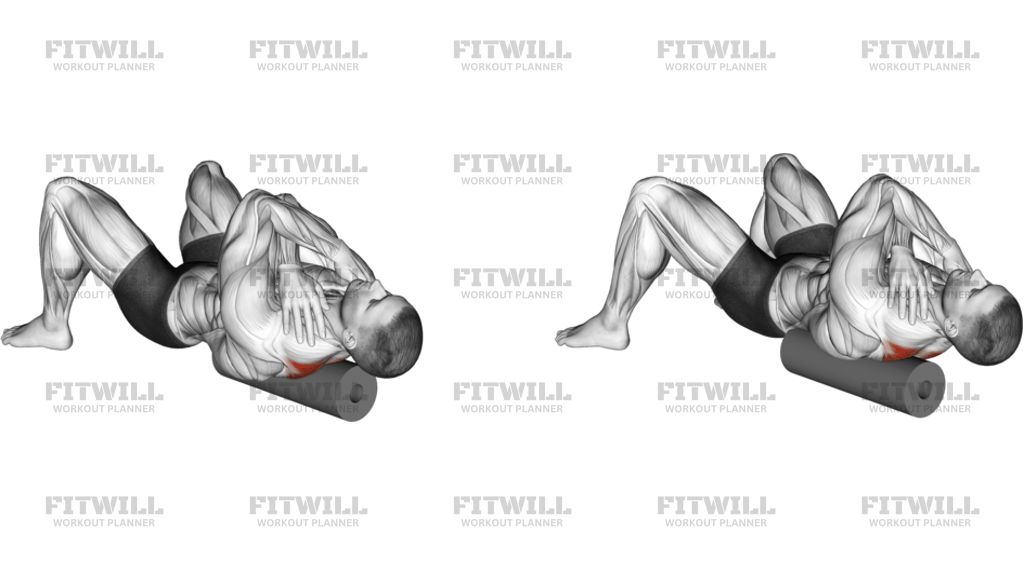
Roll Erector Spinae Lying On Floor is a floor-based foam-roller mobility drill for the muscles that run alongside the spine, especially the thoracic portion of the erector spinae. In the image, the roller sits under the mid-back while the knees are bent and the arms are opened out to let the rib cage relax into the roller. The goal is not to grind through pain or create a huge range; it is to apply steady pressure and move slowly enough that the back can settle and breathe.
Roll Erector Spinae Lying On Floor is most useful when your upper back feels stiff, your posture has been locked in for long periods, or you want to prepare for pressing, overhead work, or other sessions that benefit from better thoracic extension. Because the movement uses body weight rather than a loaded lift, the setup matters more than effort. The roller should support the mid-back, not the low back, and the neck should stay long so the head is not cranked backward.
The movement is usually small and deliberate. You shift your body weight a few inches at a time, letting the roller travel between the bottom of the shoulder blades and the area just above the rib cage. A good rep feels like controlled pressure and a gentle release across the erector spinae, not a sharp pinch near the spine. If you find a tight spot, pause and breathe instead of rocking quickly over it.
Breathing is part of the exercise, not an afterthought. Exhale to let the ribs soften around the roller and inhale into the upper back without arching aggressively. That rhythm helps the torso relax and keeps the motion smooth instead of tense. If the shoulders start shrugging or the lower back begins to take over, shorten the range and keep the work centered higher on the back.
Use Roll Erector Spinae Lying On Floor as a warm-up, recovery, or mobility reset between harder sets. It is especially helpful for people who sit a lot, lift frequently, or need better upper-back motion before bench pressing, rowing, or overhead pressing. Keep the pressure tolerable, avoid rolling directly on the lumbar spine, and treat the exercise as a precise release drill rather than a conditioning movement.
[ Workout Log & Planner ]
Put your next workout in Fitwill
Keep your plan and training log ready when you are.


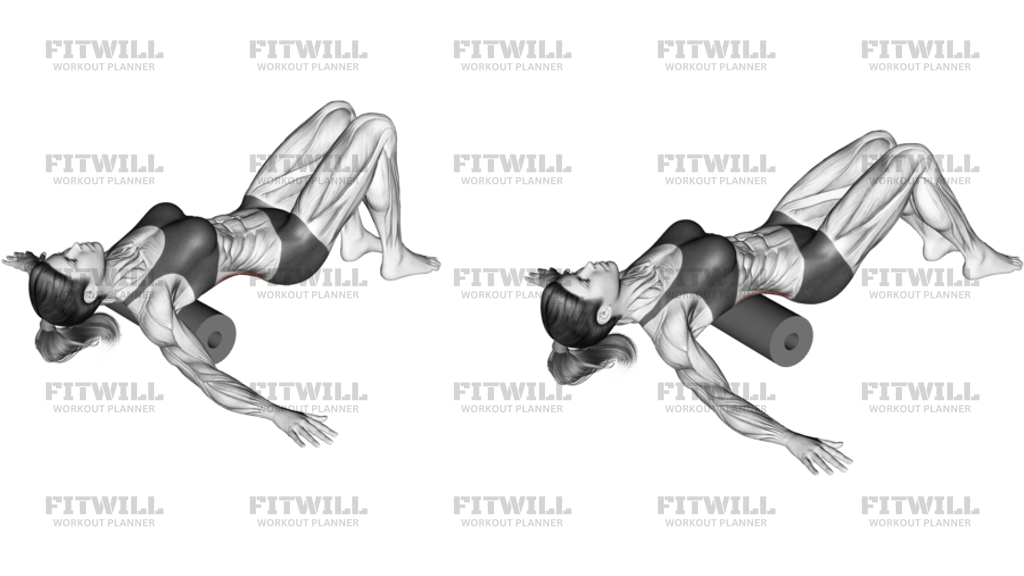
Instructions
- Place a foam roller on the floor and sit with it across the mid-back, just below the shoulder blades.
- Lie back over the roller with your knees bent, feet flat on the floor, and your head supported by your own control, not by the roller.
- Open your arms out to the sides so your chest and upper back can relax while your spine stays long.
- Lift your hips slightly if you need to shift the roller a few inches higher or lower along the erector spinae.
- Roll slowly between the bottom of the shoulder blades and the upper part of the rib cage, keeping the motion small and controlled.
- Pause on any tight spot for a breath or two instead of bouncing over it.
- Keep your chin lightly tucked and avoid letting the neck arch back as you settle on the roller.
- Stay off the lumbar spine and stop before the roller digs into the low back or causes a sharp pinch.
- Breathe in through the nose and exhale as you let the back soften over the roller.
- Lower your hips and come off the roller carefully when the set is finished.
Tips & Tricks
- Keep the roller under the thoracic back, not the lumbar spine; this drill is meant to free the upper back without jamming the low back.
- A smaller rolling range works better than long passes when the tissue is sensitive or the ribs feel compressed.
- Use your feet to control pressure: closer feet make the drill easier, and further feet add more bodyweight into the roller.
- Let the ribs expand on the inhale and soften on the exhale instead of holding a hard brace the whole time.
- If the shoulders creep toward the ears, lower the arms slightly and relax the chest so the upper back can open.
- Slow pauses over a tight point usually work better than fast back-and-forth rolling.
- Avoid flaring the lower ribs or over-arching to chase a bigger range; that shifts stress away from the erector spinae.
- Stop if the roller creates a sharp bony pressure on the spine rather than a broad muscular release.
- Treat this as a mobility reset before pressing or overhead work, not as a fatigue exercise.
- If one side feels tighter, spend a little more time there instead of increasing speed or pressure.
Frequently Asked Questions
What does Roll Erector Spinae Lying On Floor target?
It mainly targets the erector spinae and surrounding thoracic tissues that help the upper back extend and rotate.
Can beginners do Roll Erector Spinae Lying On Floor?
Yes. Beginners should use light bodyweight pressure, keep the movement small, and avoid rolling directly on the low back.
Where should the foam roller sit on Roll Erector Spinae Lying On Floor?
Place it across the mid-back, roughly from the bottom of the shoulder blades to just above the rib cage. It should not sit on the lumbar spine.
How hard should the pressure feel?
It should feel like a tolerable release, not a painful grind. If it feels sharp or pinchy, reduce the pressure or move the roller slightly higher or lower.
Should I roll quickly or slowly?
Slowly. Short, controlled passes with brief pauses usually work better than fast rolling for this exercise.
What are the most common mistakes in Roll Erector Spinae Lying On Floor?
The biggest mistakes are rolling too low into the lumbar spine, arching the neck, and using too much speed instead of a controlled release.
Is Roll Erector Spinae Lying On Floor good before bench press?
Yes. It can help open the upper back before pressing by reducing stiffness through the thoracic erectors and rib cage.
Can I hold one spot on the roller instead of moving?
Yes. A short pause over a tight point is often useful, as long as you keep breathing and the pressure stays comfortable.