Roll Tensor Fasciae Latae
Roll Tensor Fasciae Latae is a foam rolling drill for the front outer hip where the tensor fasciae latae sits. The goal is not to grind through the whole leg, but to apply controlled pressure to the small area just below and slightly behind the front hip bone so the tissue around the TFL can relax and move more freely.
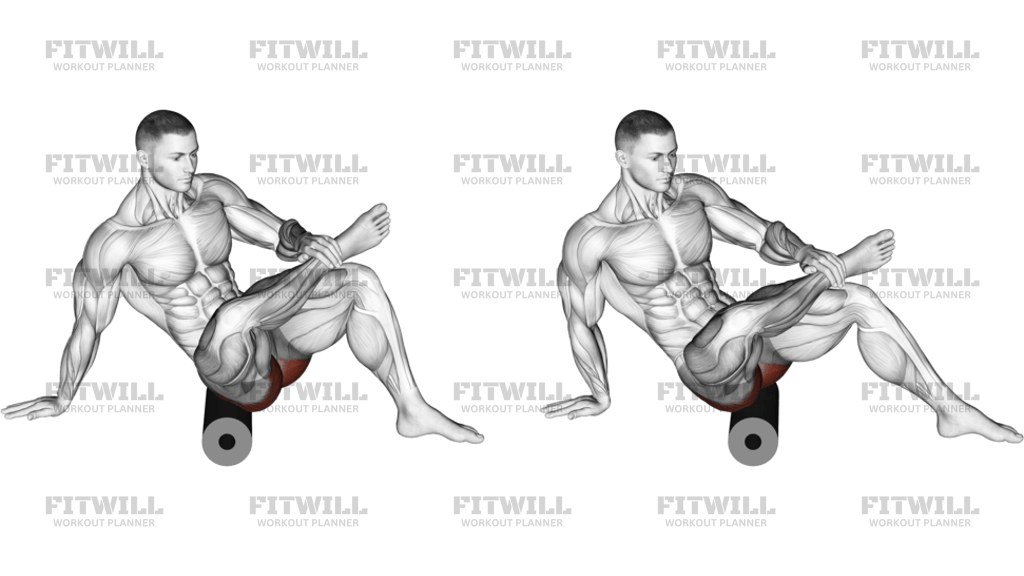
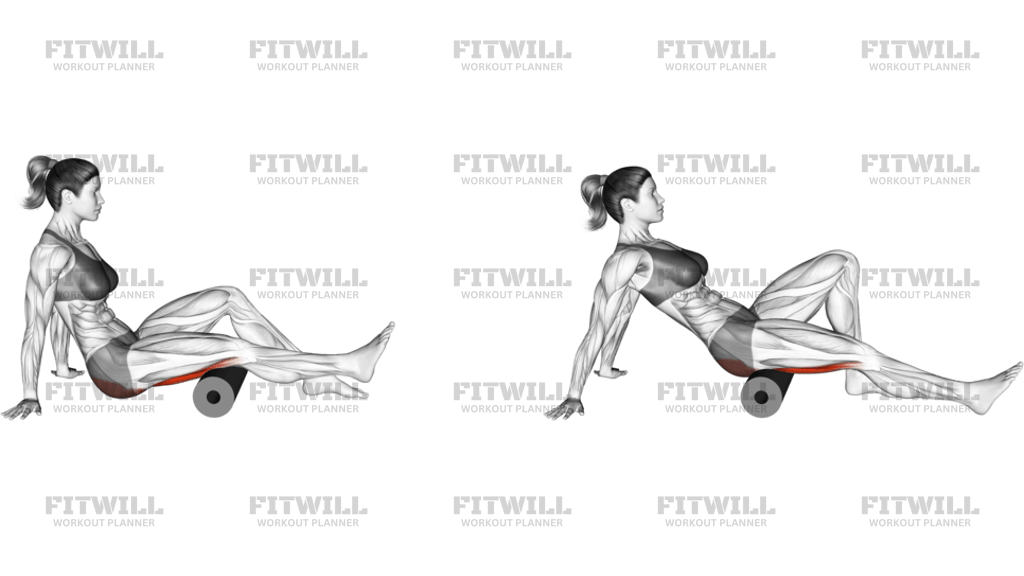
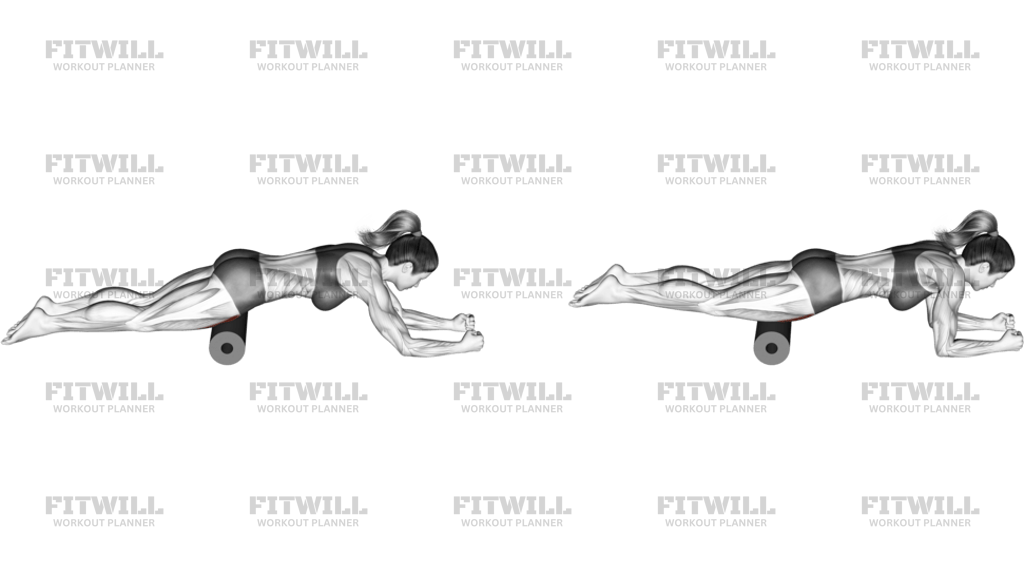
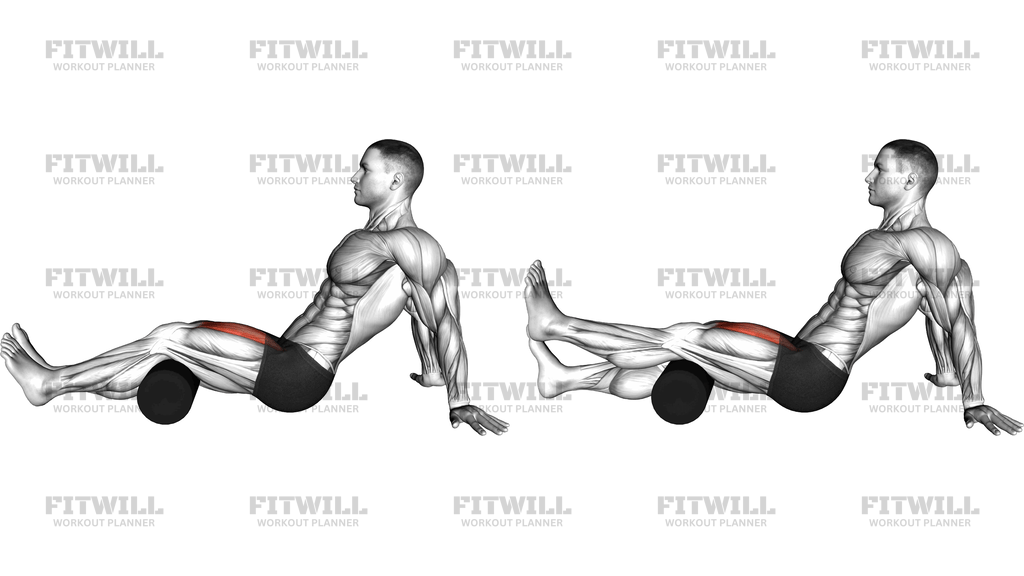
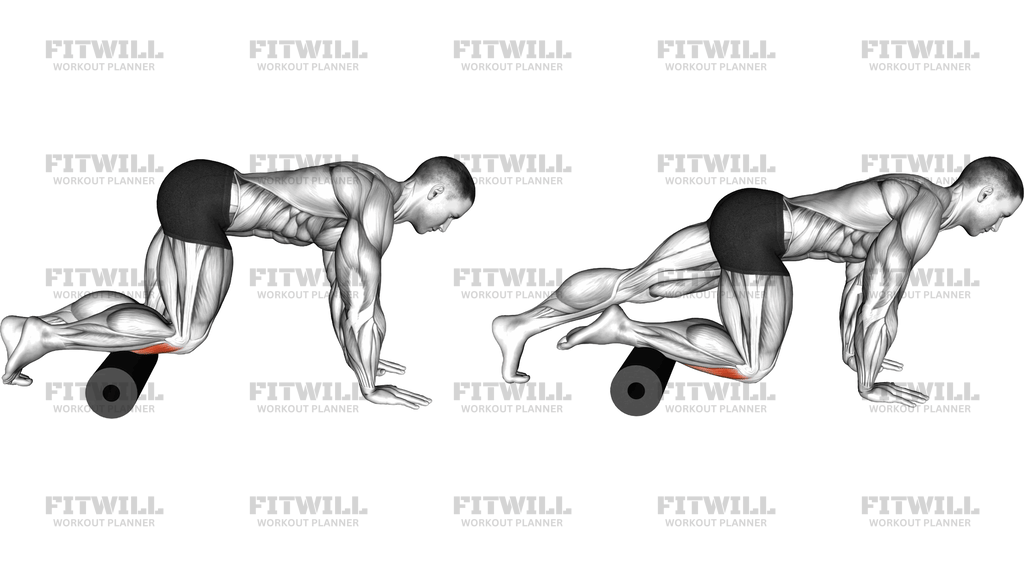
The setup matters because this exercise works best when the roller lands on soft tissue rather than the bony top of the pelvis or the side of the hip. In the image, the body is supported on the forearm and opposite leg while the working side rests across the roller. That position lets you control how much weight you place on the hip and helps keep the pressure focused where the TFL is usually tight.
Use slow, short passes and small pauses instead of long sweeping rolls. Move a few inches at a time, finding the tender band along the upper outer thigh and front outer hip, then settle on one spot long enough to breathe and let the pressure ease in. The best result usually comes from staying patient and keeping the torso steady, not from forcing a bigger range.
This drill is useful before hip-dominant training, after running or lower-body lifting, or anytime the outer hip feels bound up. It is a mobility and recovery tool, so the sensation should be firm but controllable. Sharp pain, numbness, or tingling means the pressure is too much or the roller is in the wrong place.
If the hip bone feels jammed against the roller, shift the body slightly forward or lower the roller a little on the thigh so the pressure lands on the TFL area instead of the bone. Keep the breathing calm, reduce pressure when needed, and work both sides separately so you can compare which side is more sensitive.
[ Workout Log & Planner ]
Put your next workout in Fitwill
Keep your plan and training log ready when you are.


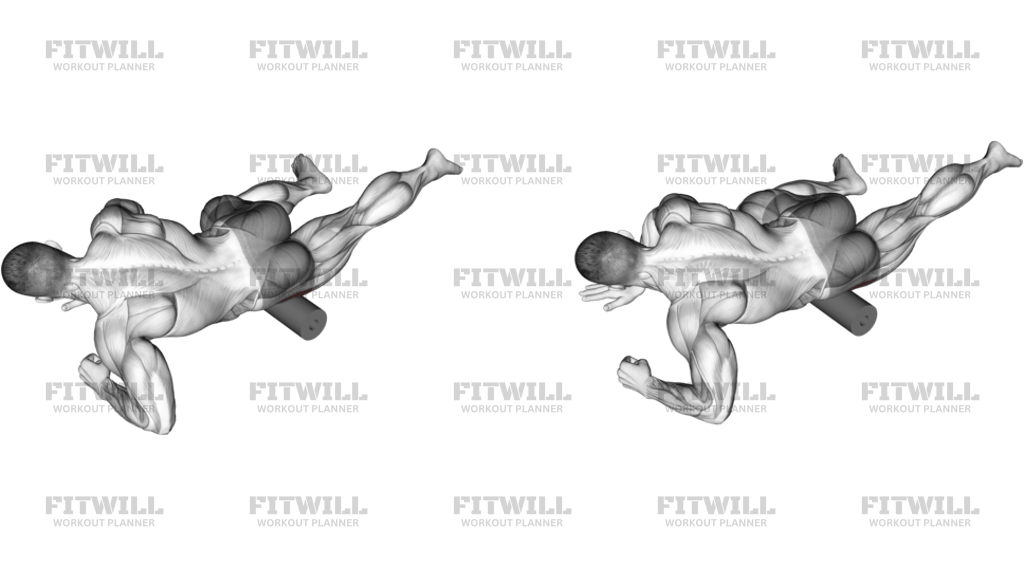
Instructions
- Lie on your side with the foam roller under the front outer hip of the working side, just below the hip bone.
- Support your body on the forearm and the opposite foot so you can control how much weight drops into the roller.
- Keep the working-side leg relaxed and slightly turned, with the torso angled just forward enough to load the tensor fasciae latae instead of the bony hip.
- Lift your hips slightly and begin with short rolls of a few inches over the tender area near the upper outer thigh.
- Pause on a sensitive spot for one or two breaths without forcing through sharp pain.
- Keep the ribs down and the pelvis steady so the pressure stays on the outer hip and does not slide toward the lower back or knee.
- Move slowly between tender spots, spending more time on the tight band than on the rest of the thigh.
- Finish the set by easing off the roller and resetting before switching sides or repeating.
Tips & Tricks
- Place the roller on soft tissue in front of the outer hip, not directly on the sharp point of the pelvis.
- A small change in torso angle changes the pressure a lot; lean slightly forward if you want more TFL, and back off if the side of the hip feels crushed.
- Keep the rolls short and deliberate. Long, fast passes usually miss the exact spot that is actually sensitive.
- Use the forearm and opposite foot as light supports so you can control pressure instead of collapsing into the roller.
- Breathe out when you find a tender point to help your body settle into the pressure.
- If the tissue feels irritated or bruised, reduce pressure immediately rather than trying to push through it.
- Do not roll all the way down to the knee; this drill is aimed at the upper outer hip and proximal thigh.
- If one side feels much tighter, spend a little more time there but keep the total dose moderate.
Frequently Asked Questions
What muscle does Roll Tensor Fasciae Latae target most?
It targets the tensor fasciae latae on the front outer hip, with some nearby upper-thigh tissue also getting pressure.
Where should the foam roller sit on my hip?
Place it just below the front of the hip bone on the outer upper thigh, not on the bone itself.
Should I roll the whole outer thigh?
No. This drill is meant for a small area around the TFL and upper outer hip, not a long sweep down the leg.
Is it supposed to hurt?
It should feel firm and tender, but not sharp, numb, or tingling. Back off if the pressure feels aggressive.
How long should I stay on one spot?
Usually one to two slow breaths is enough before moving a few inches to the next sensitive point.
Can I use this before lower-body training?
Yes. It works well in a warmup when the outer hip feels tight or you want the area to feel less restricted.
What if the roller keeps hitting my hip bone?
Shift your torso slightly forward or move the roller a little lower on the thigh so the pressure stays on soft tissue.
Do I need to do both sides?
Yes. Work each side separately so you can compare pressure tolerance and notice which hip feels tighter.