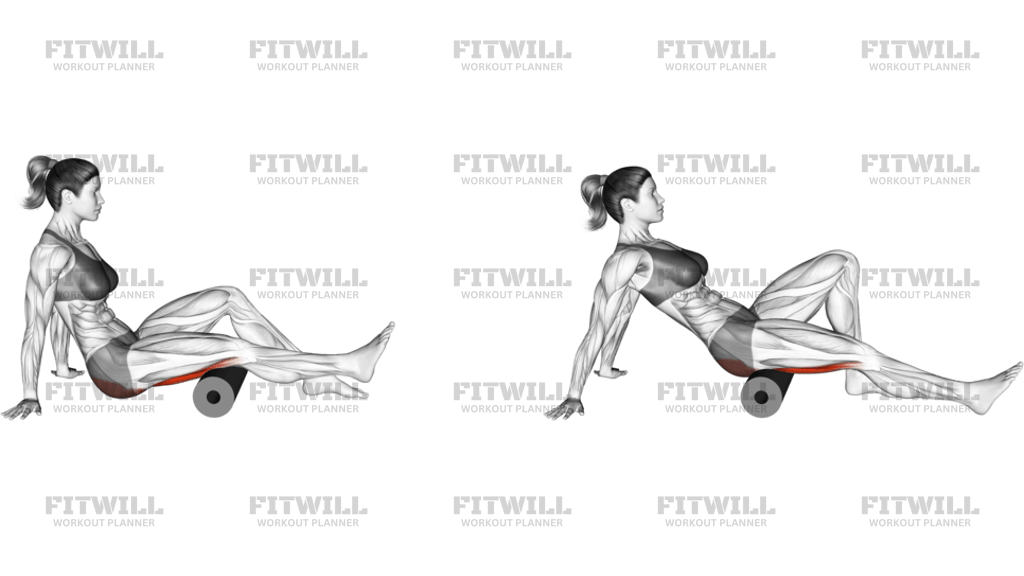
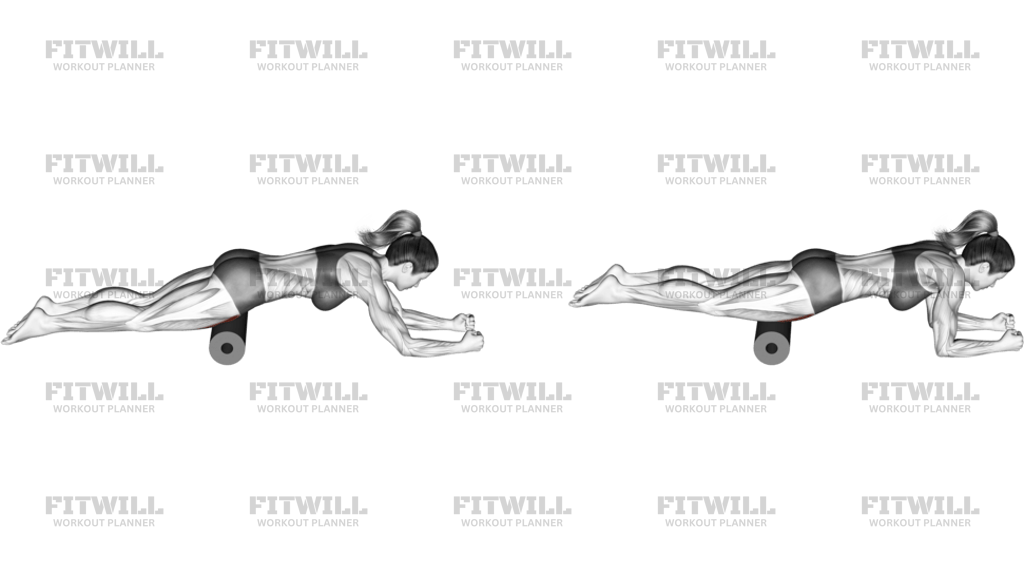
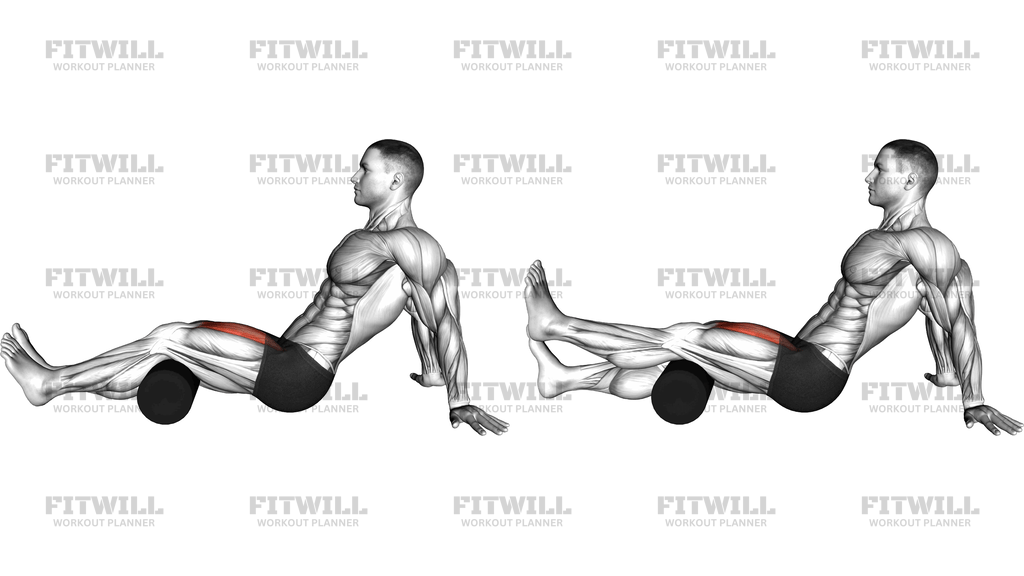
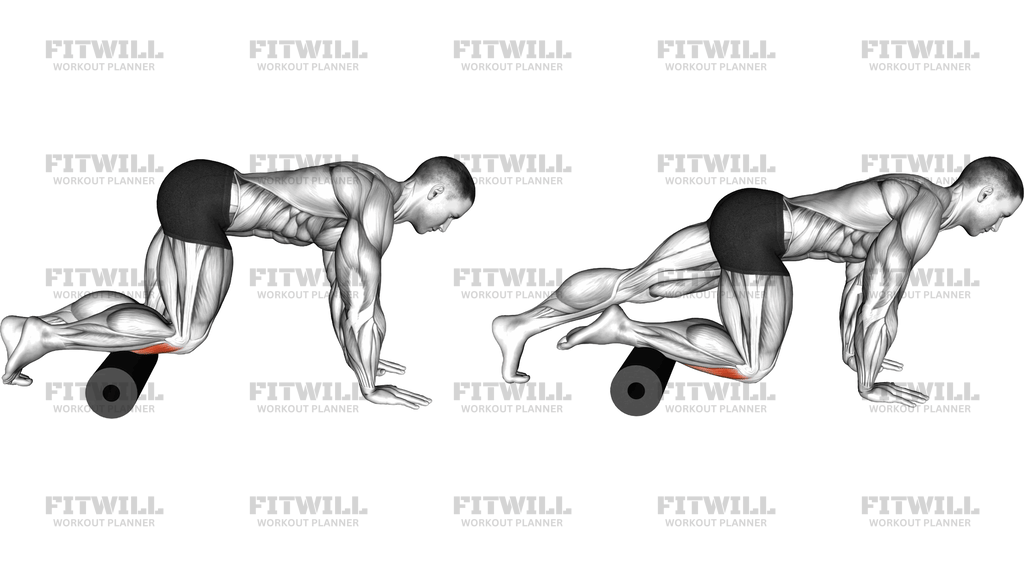
Roll Hip Stretch
Roll Hip Stretch is a foam-roller mobility drill for the outer hip, upper glute, and the tissues around the front and side of the pelvis. The goal is not to force a huge range but to find a stable setup where the roller can do the work while you stay organized through the trunk and pelvis. It is especially useful before squats, lunges, deadlifts, running, or any session where tight hips make it harder to move cleanly.
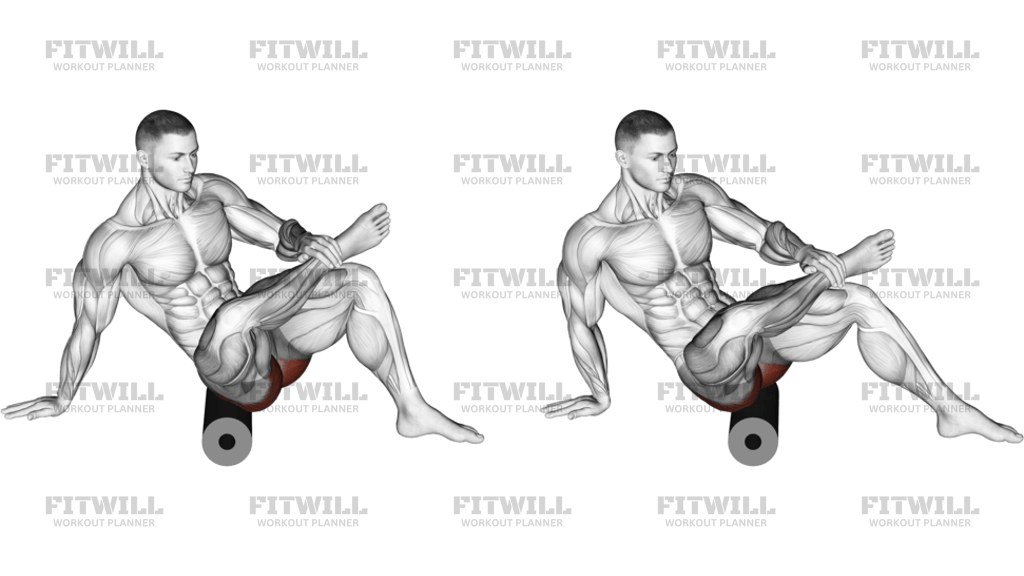
The setup matters because the hips sit close to the lower back, and the way you load the roller changes what you feel. With the torso supported on the forearms and the bodyweight spread across the roller, you can place just enough pressure into the soft tissue without collapsing into the shoulder or twisting through the ribs. A small change in angle can bias the front of the hip, the side of the hip, or the upper glute, so the starting position should be calm and deliberate.
During Roll Hip Stretch, think in short passes rather than long, aggressive slides. Move a few inches at a time, pause on a tender spot, then slightly adjust the leg or pelvis angle until the pressure feels useful instead of sharp. If you rush the drill, the low back often starts helping and the roller drifts away from the exact area you want to target. Keeping the ribs down and the abdomen lightly braced helps the hip tissues relax without losing control.
This movement is commonly used in warm-ups, recovery blocks, and between lower-body sets when the hips feel stiff from sitting, cycling, sprinting, or heavy lifting. It can also be a practical choice for people who feel a tight, compressed sensation along the outside of the hip before squatting or stepping into lunges. The best result is a looser, more workable hip after a few slow passes, not a bruised or numb feeling.
Keep the pressure comfortable and stop if the sensation becomes sharp, numb, or starts to travel down the leg. Breathing matters here: slow exhales usually help the tissue soften, while breath-holding tends to make the area guard harder. Done well, Roll Hip Stretch is a simple but precise way to prepare the hips for training or to reduce post-workout stiffness without turning the drill into a painful grind.
Fitwill
Log Workouts, Track Progress & Build Strength.
Achieve more with Fitwill: explore over 9600 exercises with images and videos, access built-in and custom workouts, perfect for both gym and home sessions, and see real results.
Start your journey. Download today!




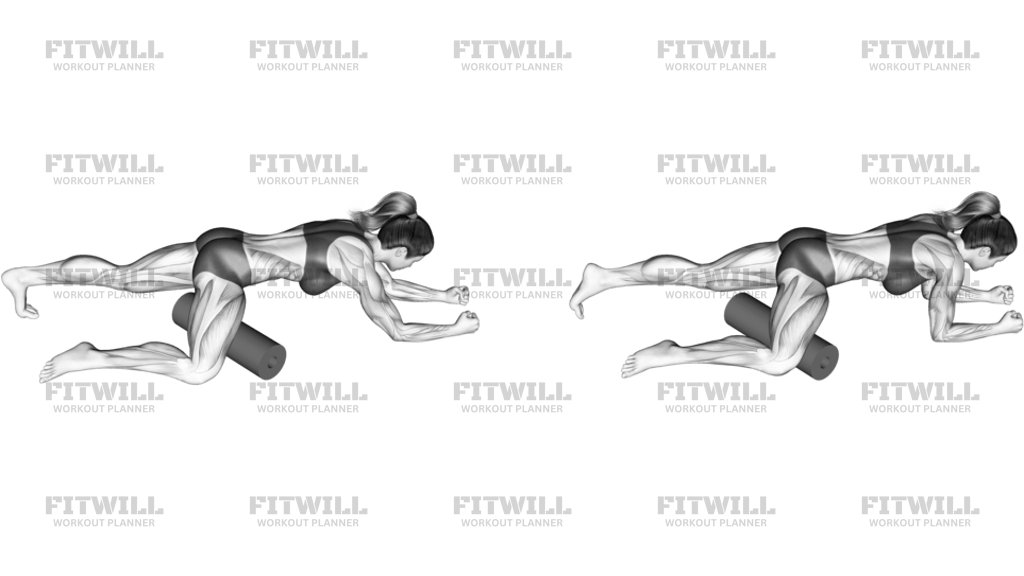
Instructions
- Place the foam roll on the mat and come down onto your forearms with your elbows under your shoulders.
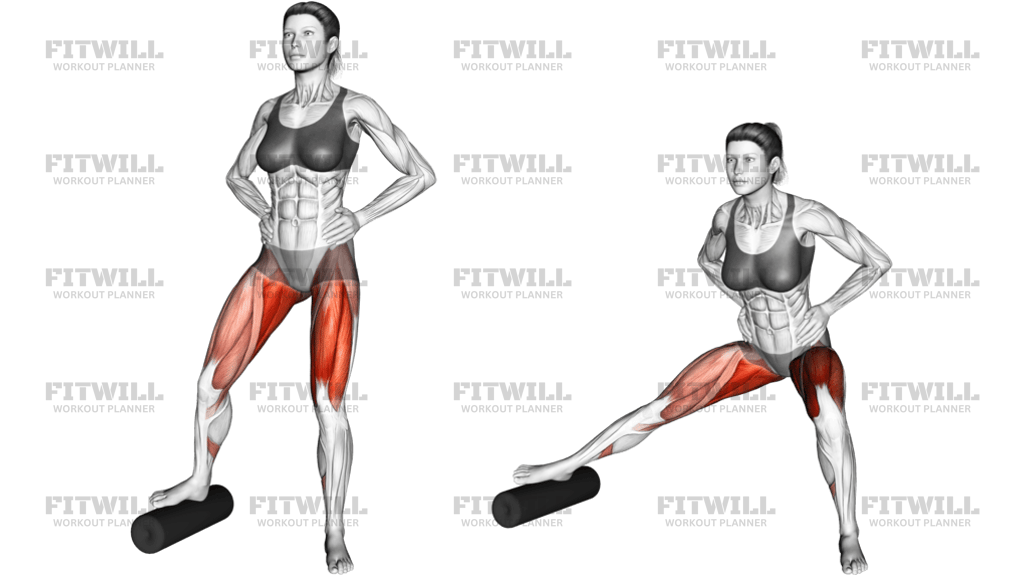
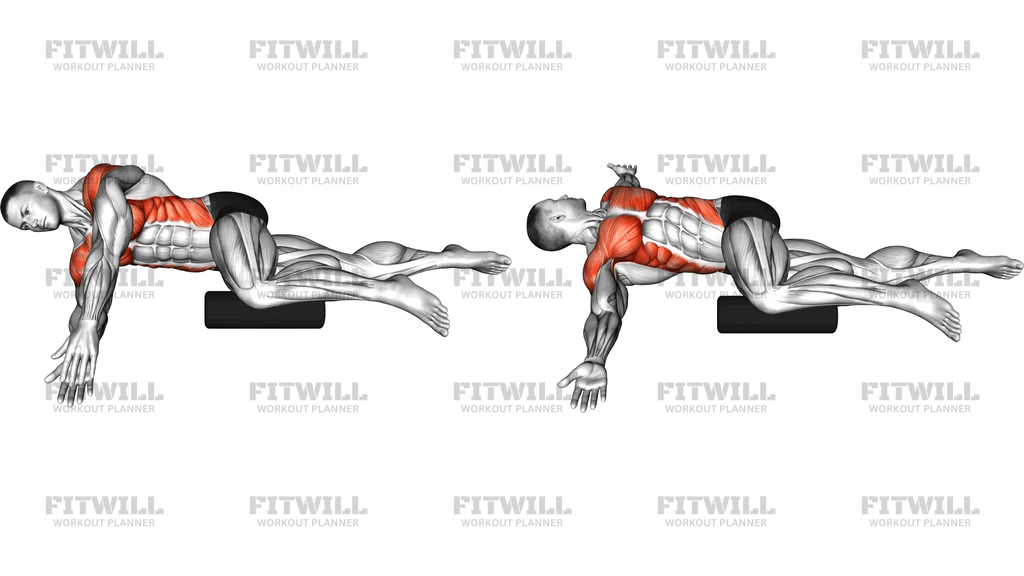
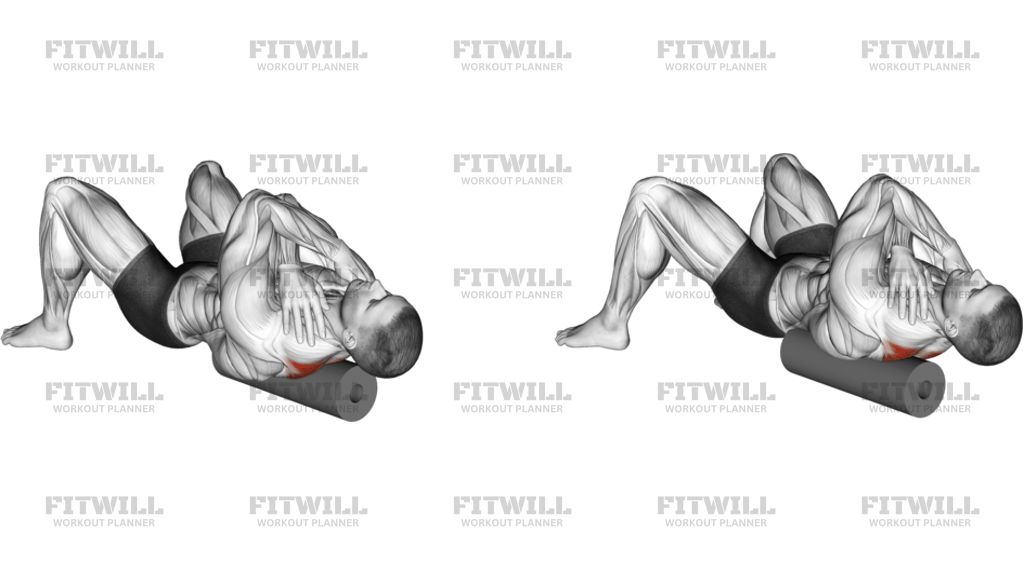
- Set the side of one upper thigh or outer hip on the roller and keep the other leg long or lightly bent on the floor for balance.
- Square your hips toward the mat and lightly brace your abdomen so your lower back stays quiet.
- Shift just enough bodyweight into the roller to feel steady pressure through the hip and upper glute.
- Roll a few inches forward and back over the outer hip and upper thigh using slow, controlled body movement.
- Turn the working leg slightly inward or outward to move the pressure toward the front of the hip or the back of the glute.
- Pause on a tight spot for one or two slow exhales, then ease off a little before moving again.
- Keep the pressure off any sharp bony points and avoid collapsing onto the shoulder or twisting through the ribs.
- Switch sides, repeat the same amount of time, and step off the roller slowly when you finish.
Tips & Tricks
- Use your forearms to control pressure; if the shoulders start working harder than the hip, lighten up and shorten the pass.
- Keep the working leg slightly turned in if you want more outer-hip and upper-glute pressure, or turn it out a little if the front of the hip needs more attention.
- Do not grind directly on the point of the hip; stay on soft tissue just below or behind the bony ridge.
- Keep the opposite leg long and relaxed so the roller does not feel overly heavy against the target side.
- Small forward-and-back passes are usually more useful than long slides when the area feels sensitive.
- Exhale as you settle on a tender spot; holding your breath makes the hip and pelvis clamp down.
- If the roller drifts toward your midline, widen your base with the non-working leg and elbows before continuing.
- Finish the set while the hip feels looser, not after it turns numb or bruised.
Frequently Asked Questions
What does Roll Hip Stretch target most?
It mainly targets the outer hip, upper glute, and the soft tissue around the front and side of the pelvis, while the core helps keep the trunk steady.
Should I feel Roll Hip Stretch more in the outer hip or the glute?
Both are common, but the sensation should stay broad and muscular rather than sharp in the joint. A small change in leg angle will shift the pressure forward or back.
How much pressure should I use on the foam roll?
Use enough pressure to feel the tissue soften, but not so much that you tense your breath or start twisting through the low back.
Can beginners do Roll Hip Stretch?
Yes. Beginners should start with short passes and light pressure, then add time only if the hip stays relaxed and the pressure remains comfortable.
Should the opposite leg stay straight during Roll Hip Stretch?
It can stay long for balance or bend slightly for support. The important part is keeping the pelvis from rocking while you roll.
Is Roll Hip Stretch good before squats or running?
Yes, it is often useful in a warm-up because it can reduce the stiff, compressed feeling in the hips before lower-body work or running.
What should I avoid when using the foam roll on my hip?
Avoid parking directly on the bony point of the hip or chasing a painful grind. Stay on soft tissue and move slowly across the area.
What if I feel Roll Hip Stretch in my low back?
Shorten the range, keep your ribs down, and put less bodyweight into the roller. The low back should stay quiet while the hip takes the pressure.