Lever Pronated Grip Seated Scapular Retraction Shrug Plate Loaded
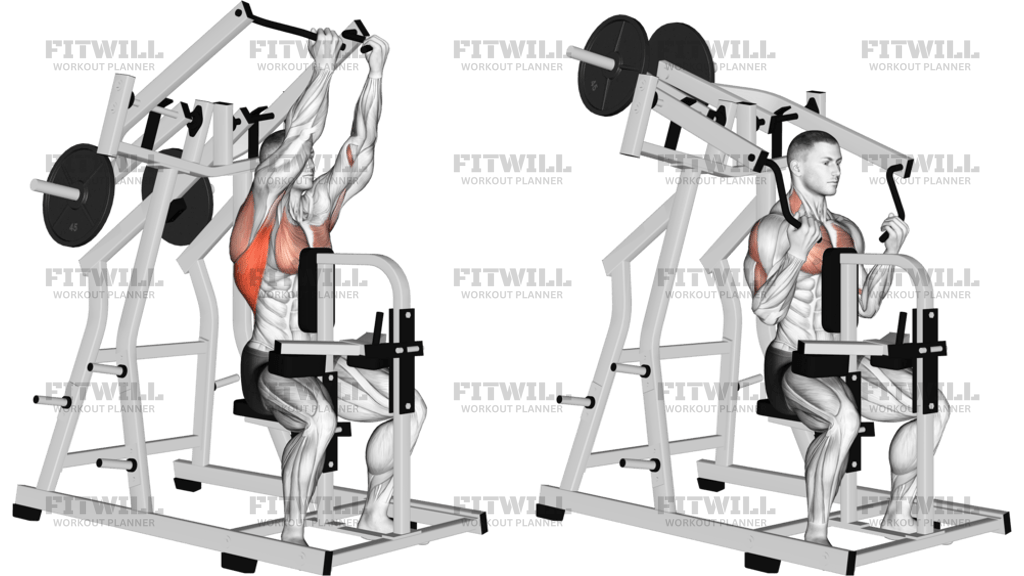
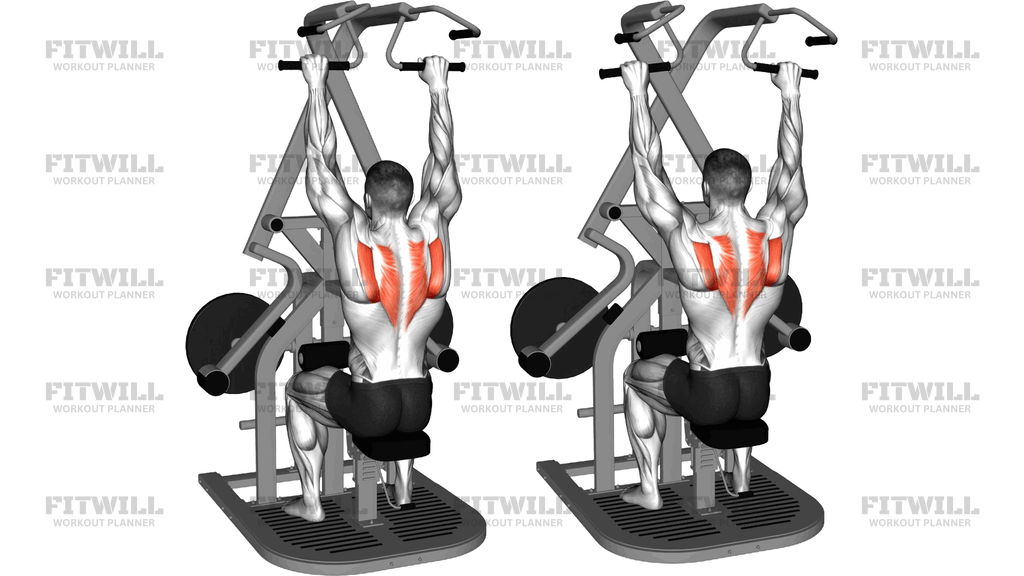
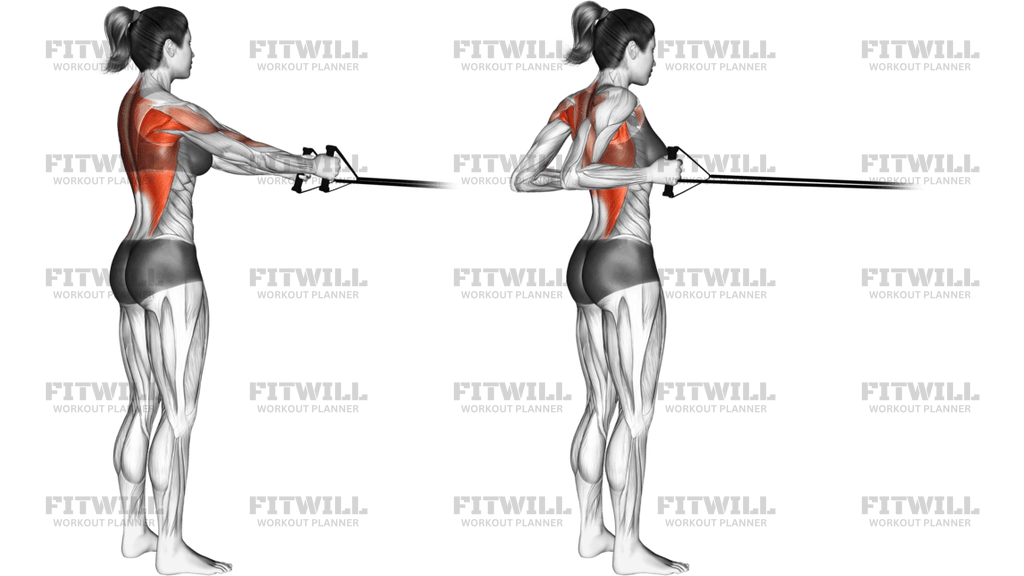
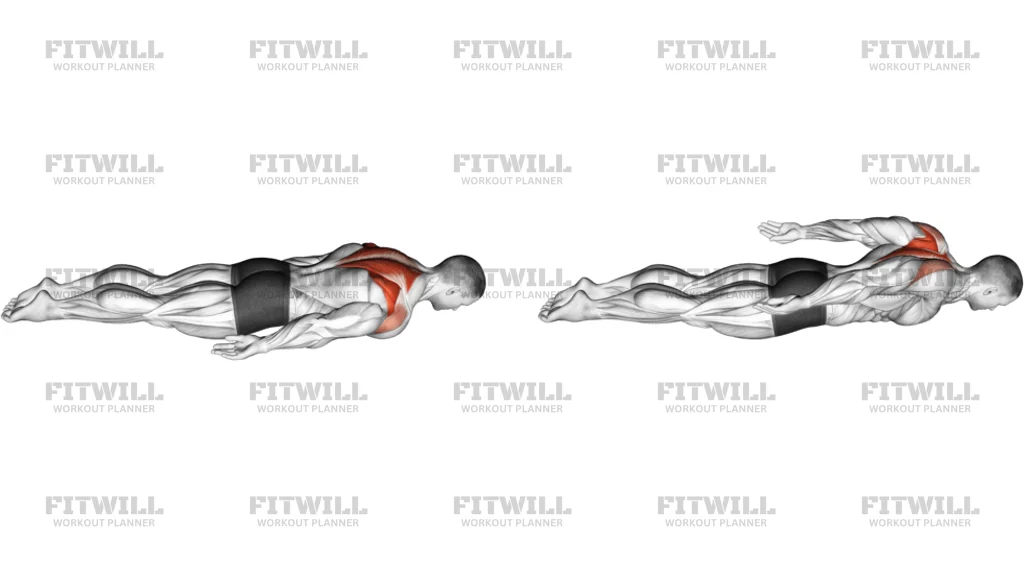
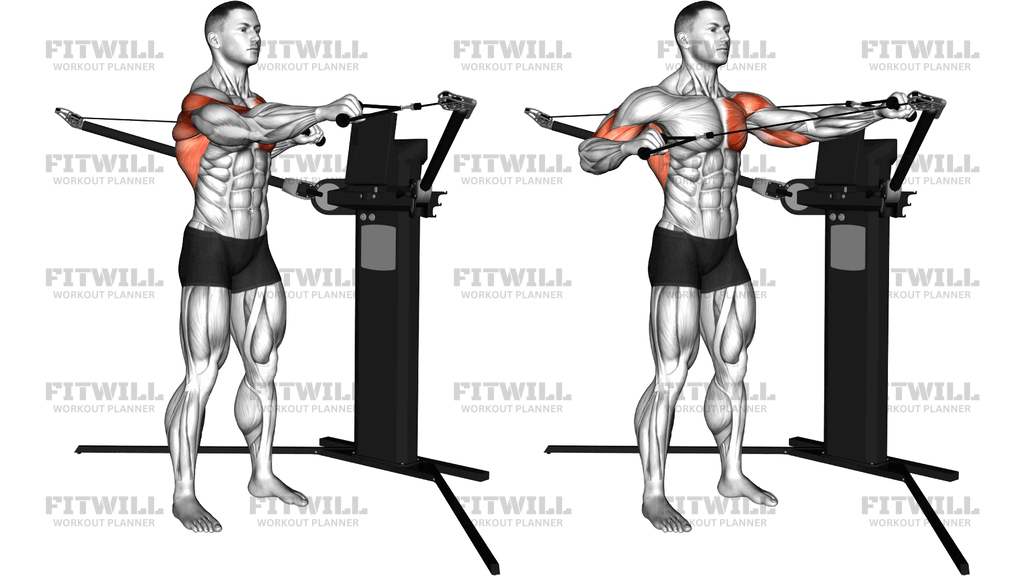
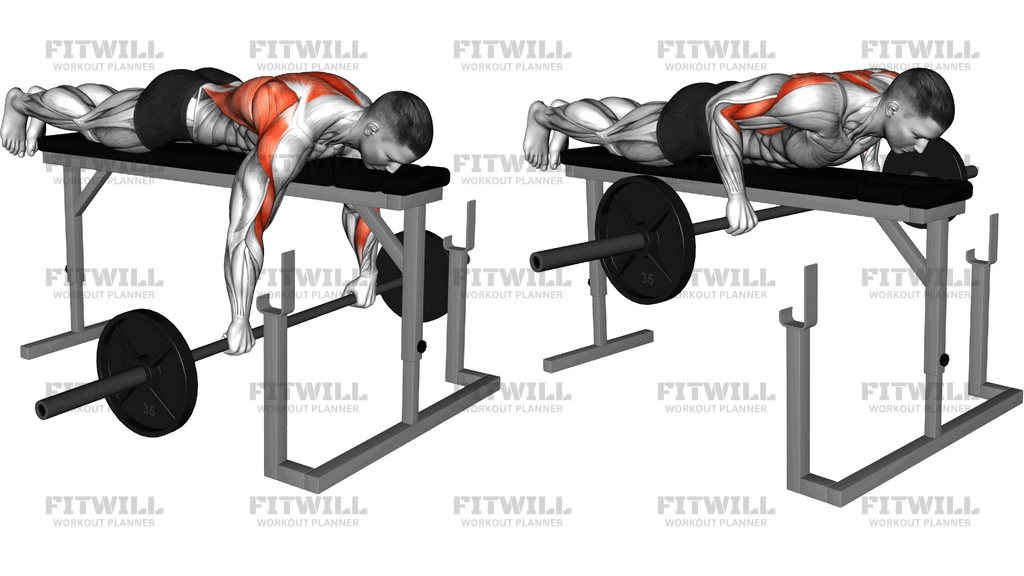
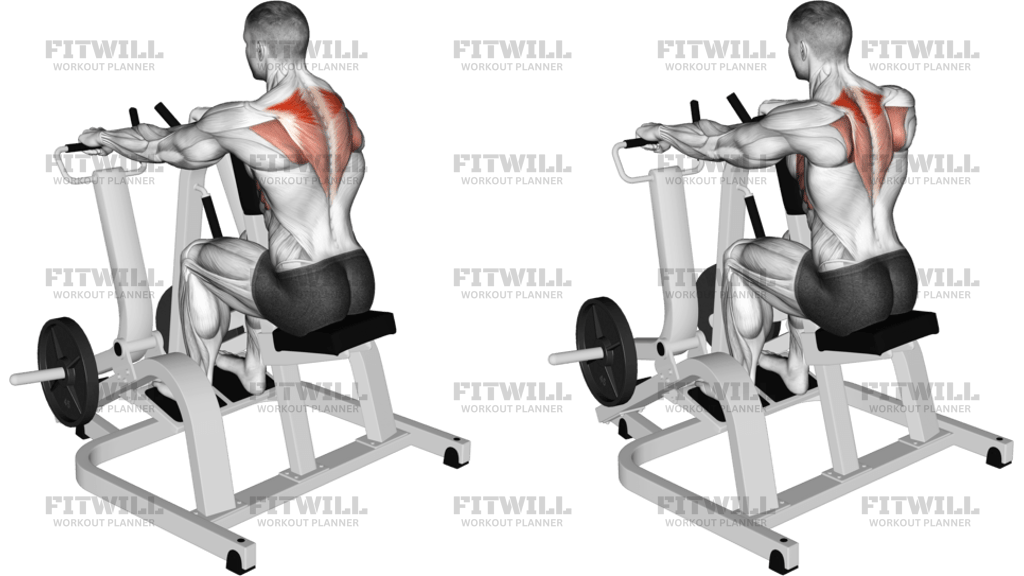
Lever Pronated Grip Seated Scapular Retraction Shrug (plate loaded) is a seated plate-loaded upper-back exercise that trains you to move the shoulder blades rather than the elbows. The overhand grip, fixed machine path, and seated position make it useful for building cleaner scapular control through the mid traps, lower traps, rhomboids, rear delts, and upper traps.
The setup matters because the machine only works well when the seat height and handle position match your shoulder line. With the handles in front of you and your arms long, you should be able to hold the grips without rounding hard through the upper back or reaching so far that your shoulders dump forward. The goal is a tall torso, a long neck, and a stable base through the feet and hips.
Each repetition should start from a quiet, controlled hang at the front of the arc. From there, drive the shoulder blades back and slightly up as a single organized motion, keeping the elbows nearly straight and the wrists neutral. The handles should travel only as far as you can keep the chest lifted and the movement smooth. At the top, squeeze the upper back without turning the rep into a row or a bounce.
Because the machine fixes the path, this movement is especially useful as accessory work for lifters who want better scapular awareness for pulling days, posture-focused training, or upper-back hypertrophy work. It also gives you a cleaner way to load the traps and rhomboids without having to stabilize a free weight overhead or hinge aggressively at the hips.
The biggest mistakes are shrugging with the neck, bending the arms into a row, and letting the torso rock to steal range. Keep the motion deliberate, stop the set before the shoulders start rolling forward, and use a load that lets you repeat the same shoulder-blade path on every rep. If your neck or front shoulder feels jammed, shorten the range and clean up the seat and handle position before adding weight.
[ Workout Log & Planner ]
Put your next workout in Fitwill
Keep your plan and training log ready when you are.


Instructions
- Set the seat so the handles sit just in front of shoulder height, then sit tall with your chest up and feet planted firmly.
- Take the pronated grips with straight wrists and let your arms extend in front of you without locking your shoulders forward.
- Brace lightly through your midsection and keep your neck long before you start the first rep.
- Pull the shoulder blades back and slightly up while keeping the elbows almost straight and the hands on the same path.
- Stop when the upper back is fully engaged and the handles are closest to your body without bouncing off the end range.
- Hold the squeezed position briefly so the contraction stays in the upper back instead of the hands.
- Lower the handles slowly until the shoulder blades open back up and the tension stays controlled.
- Reset your torso before the next rep and keep the same seat position, grip, and shoulder path for the whole set.
Tips & Tricks
- Use the seat height to line the handles up with your shoulders; too low turns the rep into a row and too high encourages neck tension.
- Keep the elbows soft but nearly straight so the biceps do not take over the movement.
- Think about moving the shoulder blades, not pulling with the hands.
- If your traps dominate too early, reduce the load and make the top squeeze smaller and cleaner.
- Avoid craning the chin forward; a long neck keeps the upper traps from over-gripping.
- Let the chest stay tall instead of collapsing into the pad or hunching over the hips.
- Use a controlled lowering phase so the shoulder blades protract again instead of dropping the weight.
- Stop a rep short of the point where the shoulders start rolling or the torso starts rocking.
Frequently Asked Questions
What does the lever pronated grip seated scapular retraction shrug train?
It targets the upper-back muscles that control the shoulder blades, especially the rhomboids, mid traps, lower traps, rear delts, and upper traps.
Is this more of a shrug or a row?
It should feel like a scapular shrug with retraction, not a row. The elbows stay almost straight and the movement starts from the shoulder blades.
Where should I feel the exercise most?
You should feel tension across the upper back between and above the shoulder blades, with some trap work near the base of the neck.
Can beginners use this machine?
Yes. The fixed path makes it beginner-friendly if the load is light enough to keep the shoulder-blade motion clean.
How do I know if the seat is set correctly?
Your hands should line up comfortably with the handles without forcing you to round forward or shrug your shoulders before the rep even starts.
What is the most common form mistake?
Turning it into a row by bending the elbows and yanking the handles back is the biggest mistake.
Should the shoulders go up on this exercise?
Yes, but only as part of a controlled scapular lift. The goal is a smooth shoulder-blade motion, not an aggressive neck shrug.
How should I program it?
It works well as an accessory movement for upper-back development, postural work, or pulling-day finishers in moderate rep ranges.