Stick Subscapularis Muscle Relax
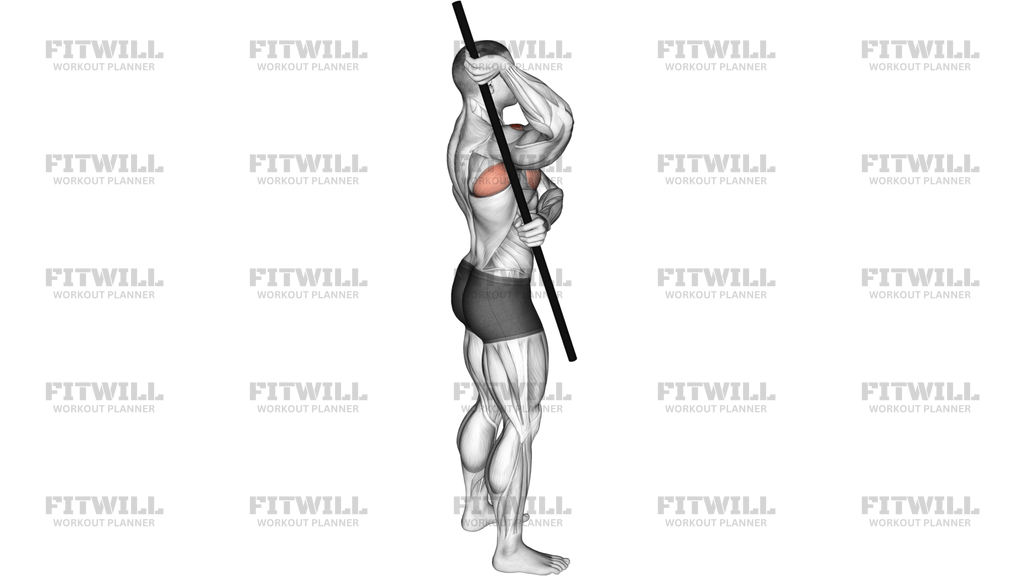
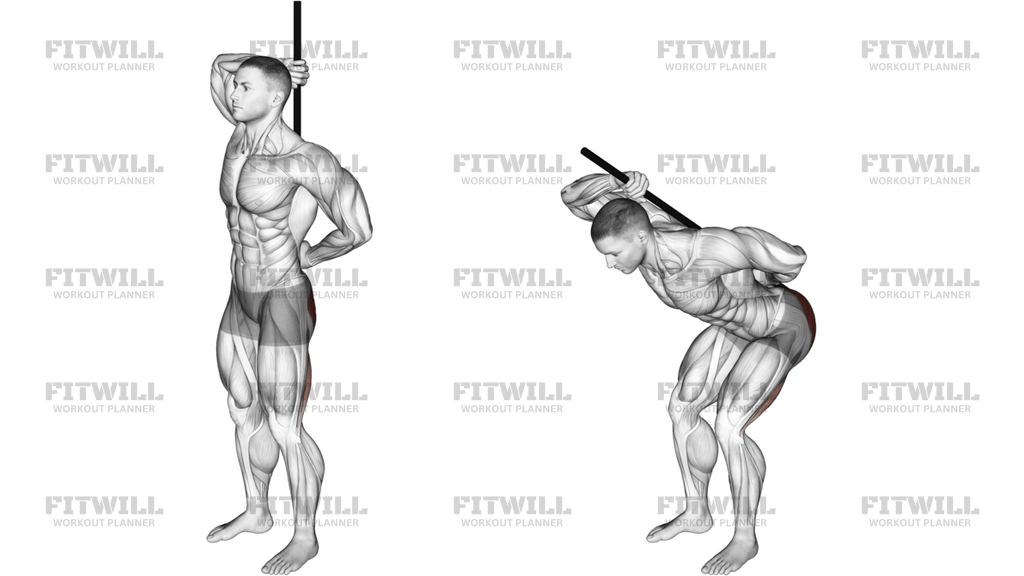
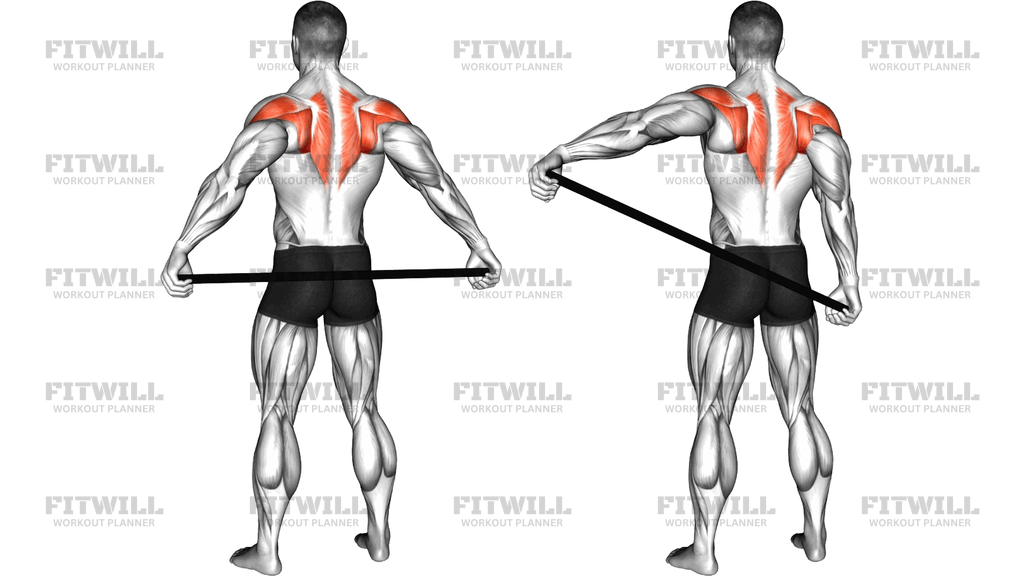
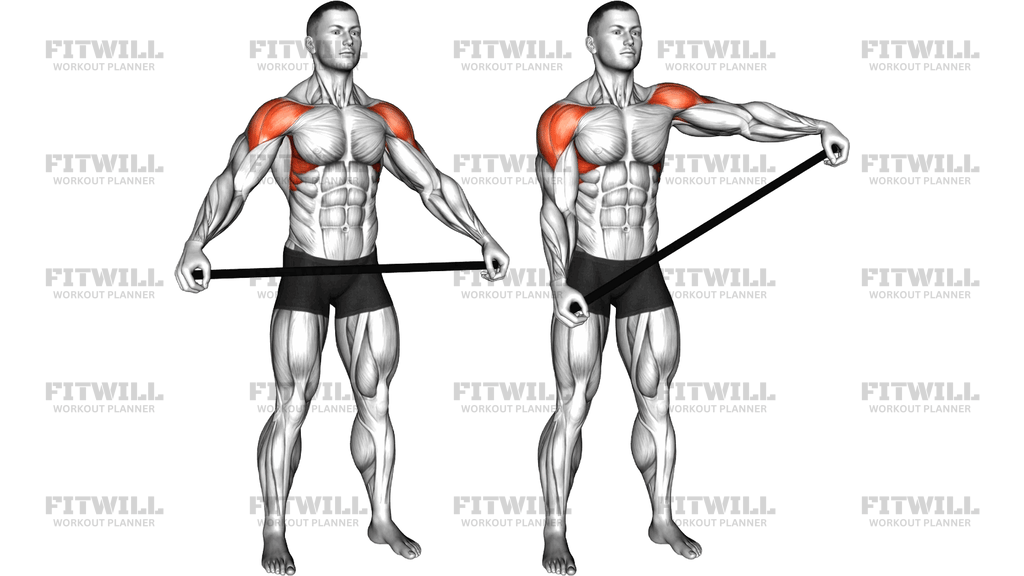
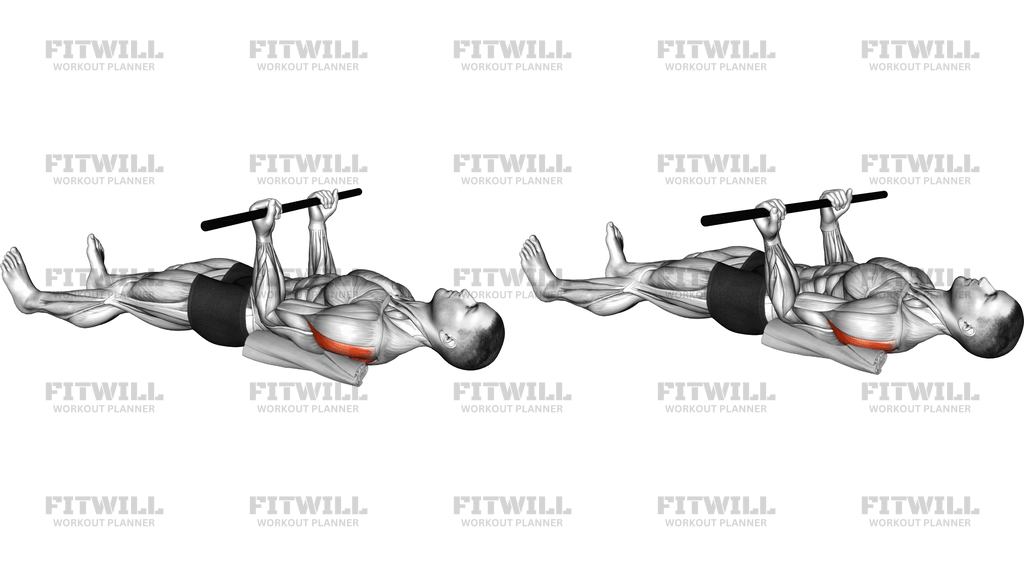
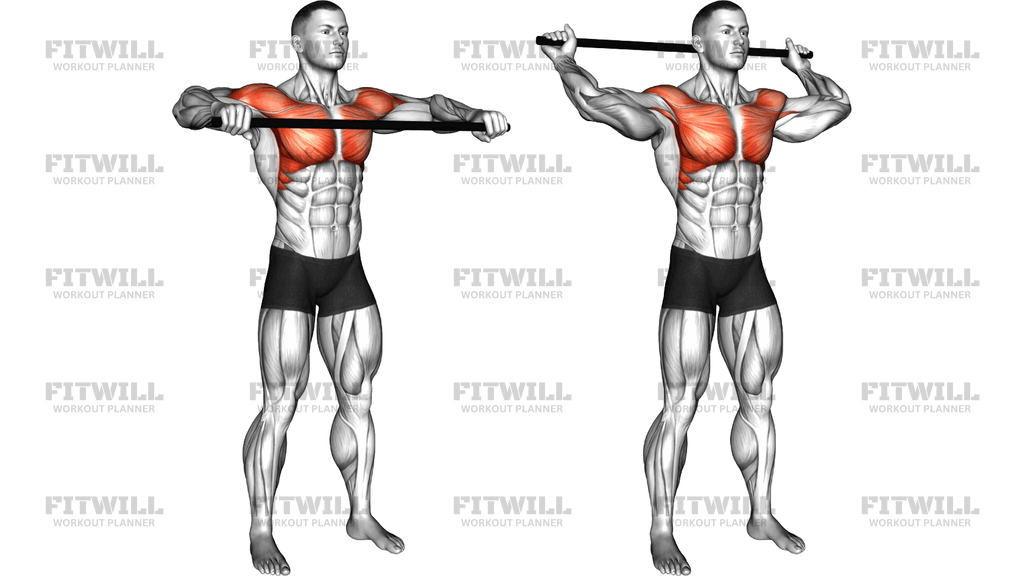
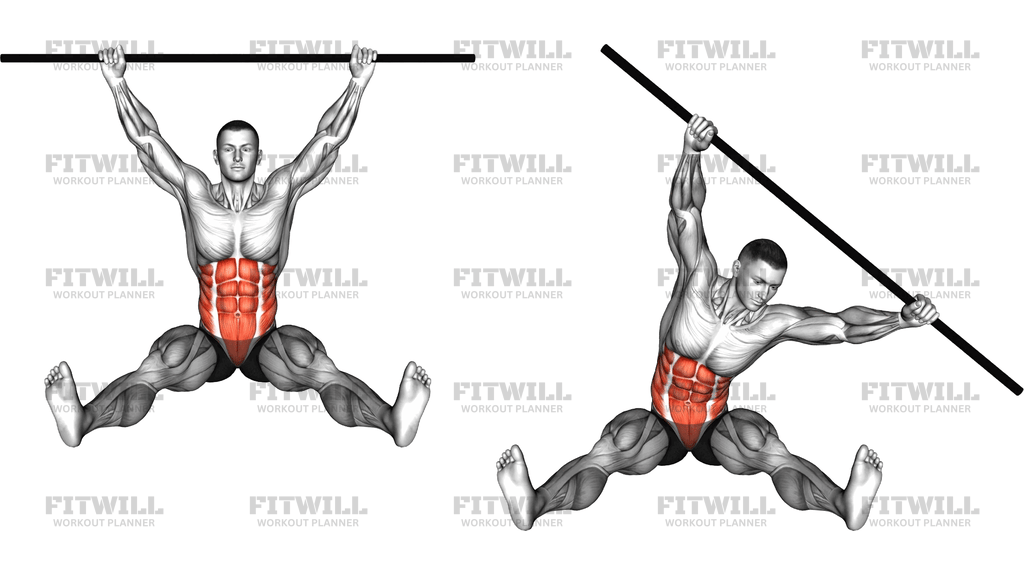
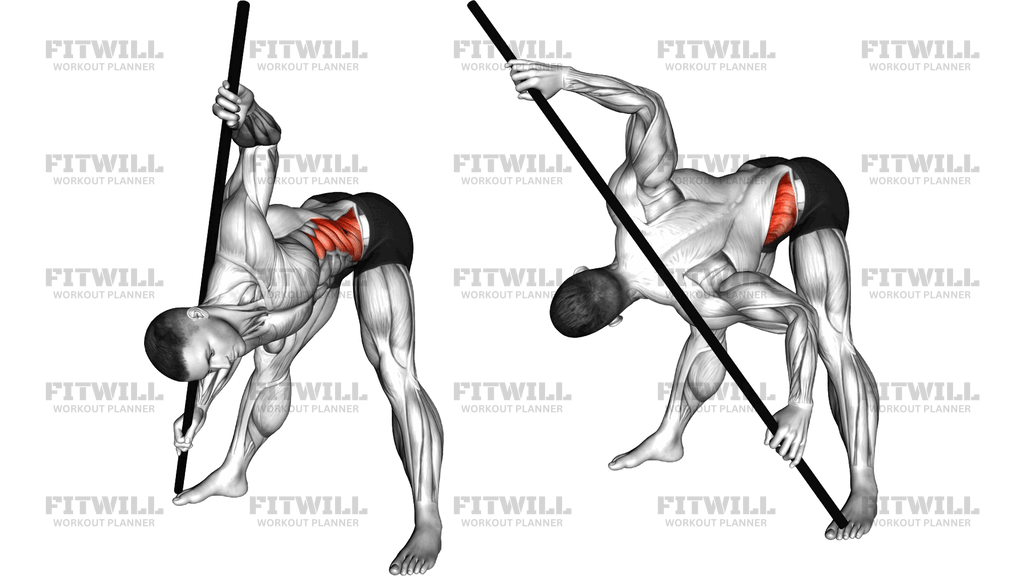
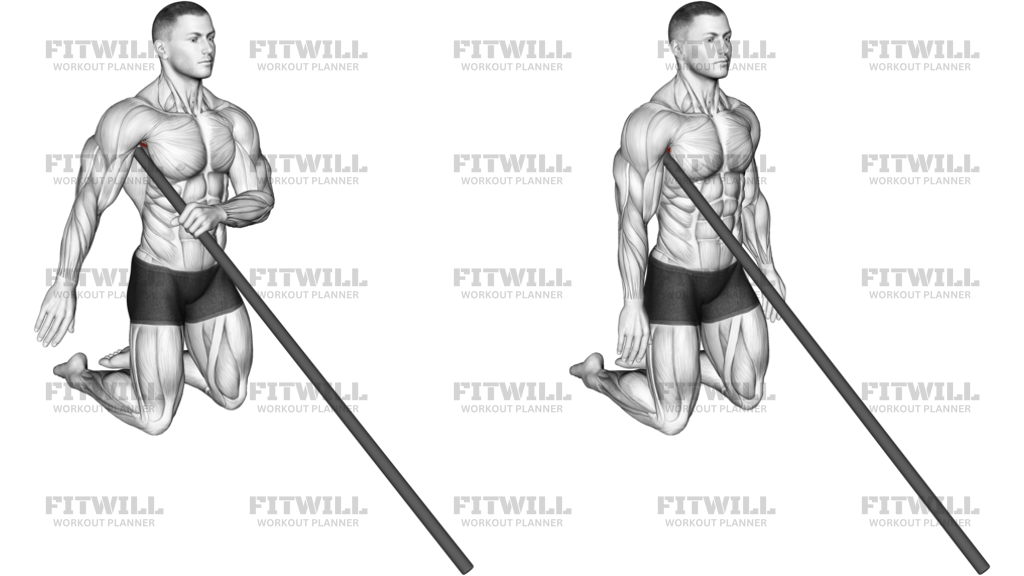
Stick Subscapularis Muscle Relax is a gentle kneeling shoulder mobility drill that uses a stick for support while you open the front and inside of the shoulder. The setup shown in the image places one knee on the floor, the torso tall, and the stick angled across the body so the upper hand can guide position while the lower end stays planted. That support matters: it lets you ease into the stretch without collapsing through the ribs, shrugging the shoulder, or twisting too far through the lower back.
The movement is meant to lengthen the tissues around the back side of the shoulder girdle and the subscapularis region while still keeping the body organized. Think of it as a controlled shoulder release rather than a forceful stretch. The stick gives you a fixed line to work against, which makes it easier to feel when the shoulder is gliding smoothly and when you are cheating the range with the neck, spine, or elbow.
This exercise works best when you set the base first, then move the shoulder through a slow, comfortable arc. Keep the kneeling position stable, hold the stick with a relaxed grip, and let the chest stay open while the shoulder rotates and reaches. If you rush the setup or yank on the stick, the stretch quickly shifts from a useful shoulder opener into a compensating trunk twist.
Use this drill in a warm-up, recovery block, or mobility circuit when your goal is to free up shoulder motion for pressing, overhead work, throwing, or upper-body training. It is especially useful when one shoulder feels tighter than the other and you want a repeatable position that keeps the arm path honest. Beginners can use it easily because the stick provides feedback and support, but the range should stay pain-free and controlled throughout the hold or repetition.
The best reps are smooth, quiet, and easy to repeat. You should feel a gradual opening around the shoulder rather than a sharp pinch in the front of the joint. If the elbow lifts, the ribs flare, or the torso leans away from the stick, the movement has become too aggressive. Back off slightly, reset the kneeling posture, and use the stick to guide a smaller but cleaner range.
Fitwill
Log Workouts, Track Progress & Build Strength.
Achieve more with Fitwill: explore over 9600 exercises with images and videos, access built-in and custom workouts, perfect for both gym and home sessions, and see real results.
Start your journey. Download today!




Instructions
- Kneel on the floor with one knee down and the other leg folded comfortably behind you, then hold the stick diagonally across the front of your body.
- Plant the lower end of the stick on the floor and keep the top hand near chest height so the stick can act as a light support line.
- Stack your ribs over your pelvis, keep your neck long, and let the shoulder blade settle before you start the stretch.
- Gently guide the working arm through the range shown by the stick, letting the shoulder rotate and open without forcing the elbow or wrist.
- Keep the torso tall as you move, and do not let the lower back arch to buy extra range.
- Pause for a brief moment when you feel a strong but comfortable stretch through the shoulder and upper chest.
- Breathe slowly into the stretch, then ease back to the starting position with the same controlled grip on the stick.
- Repeat for the planned repetitions or hold time, resetting the kneeling stance if the position starts to shift.
Tips & Tricks
- Keep the stick angled as a support, not as a lever you pull hard against.
- If the shoulder pinches in front, reduce the angle and shorten the stretch immediately.
- Let the ribs stay down so the stretch comes from the shoulder, not a backbend.
- Use a relaxed grip; squeezing the stick too hard usually tenses the neck and upper trap.
- The kneeling leg should feel stable enough that you can breathe without shifting side to side.
- Move slowly enough that you can tell the difference between a stretch and a joint pinch.
- A small range held consistently is better than chasing a bigger reach with body twist.
- If one side is tighter, match the setup first before making the stretch deeper on that side.
Frequently Asked Questions
What does Stick Subscapularis Muscle Relax train?
It is mainly a shoulder mobility and relaxation drill that targets the front and inside of the shoulder while the stick helps guide a controlled stretch.
Why do I kneel instead of standing for this stretch?
The kneeling position helps you keep the torso quieter and makes it easier to feel shoulder movement without using your hips or lower back to cheat the range.
Where should the stick be during the movement?
The stick should run diagonally across the front of the body and stay planted enough to give you a stable line to press or guide against.
What should I feel during the stretch?
You should feel a gradual opening around the shoulder, upper chest, or back of the shoulder, not a sharp pinch in the front of the joint.
Can I use this before pressing or overhead work?
Yes. It fits well in a warm-up when your shoulder feels tight and you want a controlled way to restore motion before upper-body training.
What is the most common mistake with this drill?
Most people over-rotate the torso or arch the ribs to force more range instead of keeping the stretch centered in the shoulder.
Is this exercise painful if I feel tension under the shoulder blade?
Tension is normal, but sharp pain is not. Ease off if the stretch turns into a pinch, numbness, or a sharp pull.
How should I progress this exercise?
Progress by improving control, breathing, and tolerance in the same clean position before you increase the stretch angle or hold time.