Kneeling Single Kickback Fire Hydrant
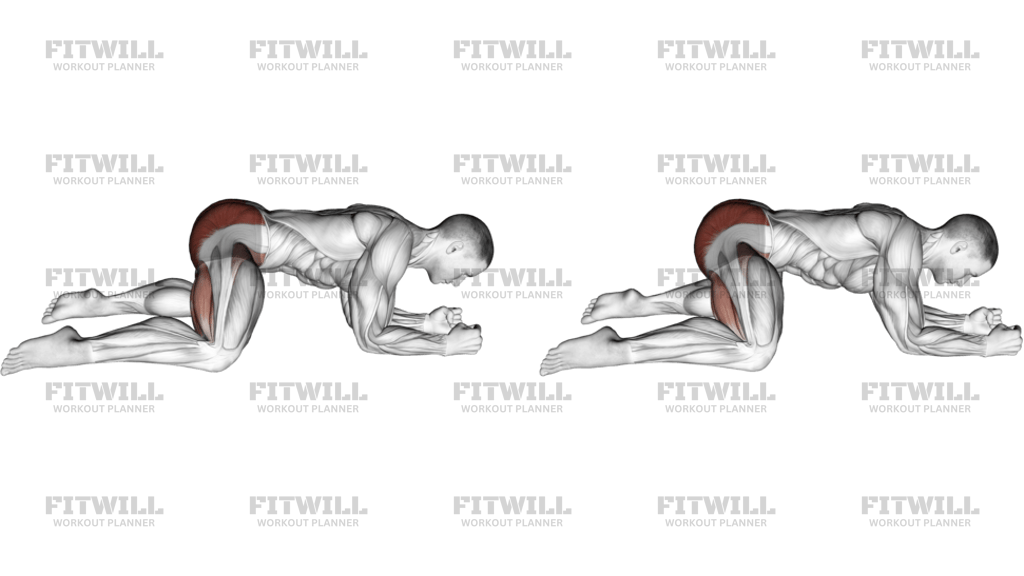
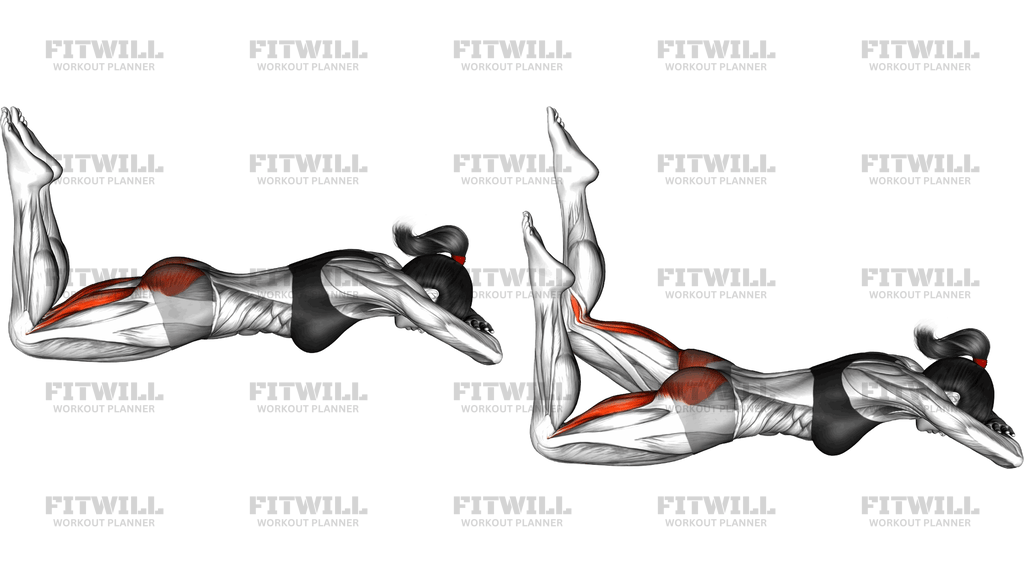
The Kneeling Single Kickback Fire Hydrant is a body-weight glute exercise performed from an all-fours position, combining two distinct hip actions into one movement. From a quadruped stance, you extend one leg straight back and lift it toward hip height (the kickback portion), then sweep that same straight leg out to the side (the fire hydrant portion) before returning it under the body with control. Because the knee stays extended once the leg is drawn back, the glutes and hamstrings work through a longer lever than in the classic bent-knee versions, which raises the demand on both strength and stability.
This movement is especially useful for anyone who wants to target the glutes without loading the spine with external weight. Desk workers with sleepy glutes, runners and cyclists looking for hip stability work, and lifters who want a low-fatigue activation drill before squats or deadlifts all benefit from it. It also doubles as a screening tool: if your torso twists, your lower back arches, or your hips shift every time one leg leaves the floor, those are clear signs the trunk needs more control work.
The primary muscles at work are the glutes, with the gluteus maximus driving hip extension during the kickback and the gluteus medius handling the abduction of the fire hydrant phase. The hamstrings assist on the backward lift, the deep core and lower back stabilizers keep the trunk level, and the supporting shoulder and arm muscles hold the upper body steady throughout. The kneeling support leg also gets unexpected work holding a stable base.
Setup matters more than speed here. Your hands sit directly under your shoulders, the working knee starts under your hip, and your back stays flat with the ribs drawn down. A rounded or sagging lower back lets the lumbar spine take over the hip extension, which both reduces glute work and can leave the low back sore afterward. Keep the torso quiet and let the hip joint do the moving.
Execution should feel deliberate rather than explosive. Draw the working knee in, press the leg back until it is straight and roughly level with your torso, pause briefly at the top, then sweep the straight leg out to the side as far as you can without tipping. Bring it back through the same path and tuck it under before repeating. Complete all repetitions on one side before switching, or alternate legs if that helps you stay balanced.
Because it requires no equipment beyond a mat or soft floor, this exercise fits easily into home workouts, warm-ups, and travel routines. Start with two to three sets of eight to twelve controlled repetitions per side, and only add ankle weights or a band once you can complete every rep without your hips rotating or your back arching.
[ Workout Log & Planner ]
Put your next workout in Fitwill
Keep your plan and training log ready when you are.


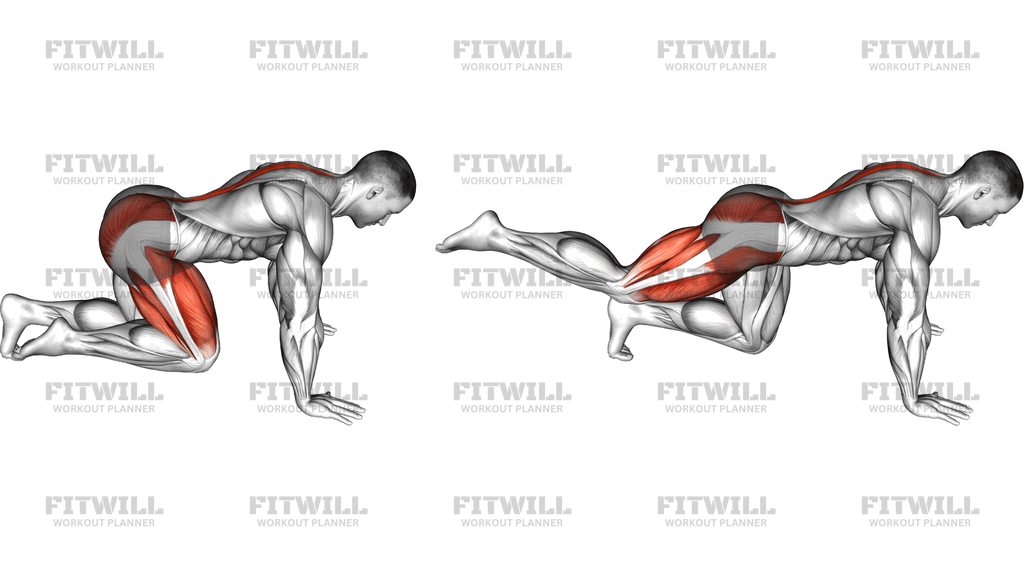
Instructions
- Place an exercise mat on the floor and kneel on all fours with your hands directly under your shoulders and your knees under your hips.
- Set your spine neutral: gaze down at the mat, draw your ribs in, and press lightly through your fingertips so your upper back is not sagging.
- Brace your abdominal muscles as if bracing for a light nudge to the stomach, keeping the brace strong enough to hold your torso level on one leg.
- Tuck your working knee under your hip, then sweep that leg back until the knee is straight and the leg is extended behind you at about hip height, foot relaxed.
- Pause at the top with the leg level and your hips square, squeezing the glute rather than lifting higher with your lower back.
- Keeping the knee straight, sweep the extended leg out to the side as far as you can without rotating your torso or dropping the opposite hip.
- Bring the leg back through the same side sweep, then draw it forward and tuck the knee under your hip with control.
- Exhale as the leg extends back and out, and inhale as it returns under the body.
- Complete all repetitions on one side, then reset your hand and knee position before switching legs.
Tips & Tricks
- If your lower back arches every time the leg lifts, reduce the height of the kickback instead of dropping the hipextension load onto the lumbar spine.
- Watch for torso rotation during the fire hydrant phase; imagine a cup of water balanced on your lower back and keep it level as the leg sweeps out.
- Do not lock or hyperextend the knee at the back of the kickback; keep the leg long and active with the toes relaxed rather than pointed hard.
- If your wrists ache, spread your fingers wide and grip the mat, or place your hands on dumbbells or a push-up handles to keep the wrists neutral.
- The most common power leak is rushing; a two-count out and two-count back keeps the gluteus medius working through the whole side sweep.
- Keep the weight over the kneeling support leg; if you drift onto the working-side hand, the hip you are trying to train stops doing its job.
- Start with a smaller side sweep and increase the range over weeks; forcing the leg high usually just tips the pelvis sideways.
- Add a two-second squeeze at the top of the kickback before the side sweep rather than adding reps, since the pause builds more awareness of glute contraction.
- Place a folded towel under the kneeling knee if the mat is thin, since discomfort there will pull your attention away from the hips.
Frequently Asked Questions
What muscles does the Kneeling Single Kickback Fire Hydrant work?
The glutes are the primary movers: the gluteus maximus drives the kickback extension and the gluteus medius controls the fire hydrant sweep. The hamstrings assist the backward lift, while the core, lower back, and supporting shoulder muscles stabilize the position.
How is the Kneeling Single Kickback Fire Hydrant different from a regular donkey kick?
A donkey kick keeps the knee bent and only extends the hip backward. This exercise straightens the leg during the kickback and then adds an outward abduction sweep, so it trains hip extension and hip abduction in one repetition and demands more trunk control.
Is this exercise suitable for beginners?
Yes, it is a good beginner glute drill because it is body weight and performed close to the floor. Beginners should start with a shorter side sweep and fewer repetitions, focusing on keeping the torso square before trying to lift the leg higher.
Why does my lower back hurt when I do the Kneeling Single Kickback Fire Hydrant?
That usually means the lumbar spine is extending to lift the leg higher instead of the glute doing the work. Reduce the lift height so the leg stays level with the hips, and keep the ribs drawn down with a steady abdominal brace throughout each rep.
Should my working leg stay straight the whole time?
The knee starts bent and tucked under the hip, then extends as the leg sweeps back into the kickback. From that point the leg stays straight through the side sweep and only bends again as you draw it back under the body for the next repetition.
How many sets and reps should I do?
Two to three sets of eight to twelve controlled repetitions per side is a solid starting point. Rest about thirty to sixty seconds between sides, and progress by adding a pause at the top or light ankle weights once form is consistent.
Can I use the Kneeling Single Kickback Fire Hydrant as a warm-up before squats or deadlifts?
Yes, it works well as a low-fatigue activation drill because it wakes up the glutes and hip stabilizers without heavy loading. One or two lighter sets per side before your main lift is usually enough.
What can I use if I don't have an exercise mat?
Any soft, non-slip surface works, such as carpet, a folded towel, or grass. You just need enough padding under the knees and hands to stay comfortable, since wincing through wrist or knee pressure tends to break your brace and position.
My hips keep rotating during the side sweep. How do I fix it?
Slow the sweep down, reduce the range so you only lift the leg as high as you can keep the pelvis level, and think about pressing the kneeling-side knee firmly into the mat. Filming yourself from behind is one of the fastest ways to spot the twist.
Is it safe for people with knee problems?
The kneeling position and straight-leg path keep the knee relatively unloaded, so many people with cranky knees tolerate it well. If kneeling itself is uncomfortable, pad the knee generously or place a folded towel underneath, and stop if you feel sharp joint pain.