Alternate Single Leg Glute Bridge
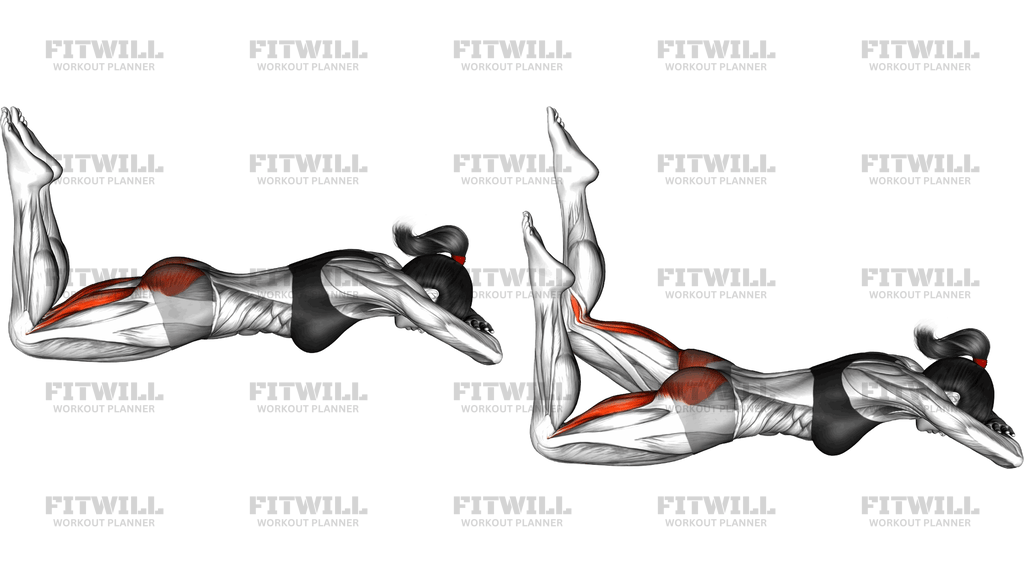
The Alternate Single Leg Glute Bridge is a bodyweight hip-extension exercise performed lying on your back with your knees bent and feet flat on the floor. You lift your hips into a bridge position, then raise one foot off the floor while holding the bridge, lower the hips, and repeat on the other side. The alternation is what makes this version distinct from a standard two-leg bridge or a fully single-leg variation, because each rep asks you to control your pelvis while the support base suddenly shifts from two feet to one.
This movement is especially useful for people who spend long hours sitting, since prolonged sitting tends to leave the glutes underactive and the hip flexors shortened. It is also a smart progression for anyone who finds a full single-leg bridge too demanding but has outgrown the standard two-leg version. Because only body weight and a floor surface are needed, it fits easily into home workouts, warm-ups, and travel routines.
The primary muscles worked are the glutes, particularly the gluteus maximus as it drives hip extension. The hamstrings assist on the lift, and the gluteus medius on the working side works harder to keep the pelvis level once the other foot leaves the floor. Your core and lower back muscles stabilize the trunk throughout, which is why this exercise also carries over to better control during squats, deadlifts, and running.
Setup matters more here than in a standard bridge. Placing the feet about hip-width apart and close enough to the body that you can lift the hips without overextending the lower back sets the tone for everything that follows. Before you move, take a breath, brace the abdominal wall gently, and think about tucking the pelvis slightly so the lift starts from the hips rather than from an arched spine.
To execute well, drive through the heels of both feet until your body forms a straight line from shoulders to knees. At the top, shift your weight slightly toward one leg and lift the opposite foot a few inches off the floor without letting the hips drop or twist. Hold briefly, place the foot back down, lower the hips with control, and bridge again to lift the other leg. Move slowly enough that the pelvis stays level the entire time.
A few practical points keep this exercise safe and effective. Ribs should stay down rather than flaring toward the ceiling at the top of the bridge, and the neck and shoulders stay relaxed on the mat. If you feel the work mostly in the hamstrings or lower back, bring the feet slightly closer and focus on squeezing the glutes to lift. Stop the set when you can no longer keep the hips level on the single-leg portion, since quality of control matters far more than rep count here.
[ Workout Log & Planner ]
Put your next workout in Fitwill
Keep your plan and training log ready when you are.


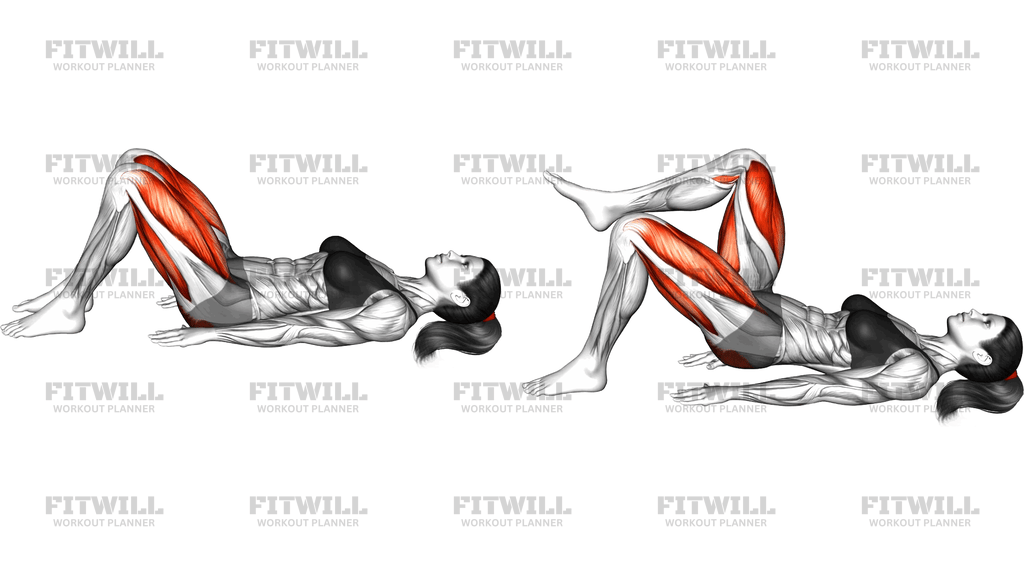
Instructions
- Lie on your back on an exercise mat with your knees bent and both feet flat on the floor, hip-width apart, heels placed roughly a hand's distance from your glutes.
- Rest your arms at your sides with palms facing down, and let your head and shoulders stay heavy on the mat.
- Take a breath and gently brace your abdominal wall so your ribs stay down and your lower back is neutral before you move.
- Press through both heels and squeeze your glutes to lift your hips until your body forms a straight line from shoulders to knees.
- At the top, shift your weight slightly toward one foot and raise the opposite foot a few inches off the floor, keeping the knee of that leg bent.
- Hold the lifted-leg position for one to two seconds without letting the hips drop or rotate toward the supporting side.
- Place the lifted foot back on the floor, then lower your hips to the mat with control instead of collapsing down.
- Exhale as you lift the hips and inhale as you lower them, keeping the breathing rhythm steady through each rep.
- Bridge up again and lift the other foot to complete the second half of the rep, then continue alternating sides for your target reps.
- Between sets, reset your foot position and brace before the next set so every rep starts from a stable, level pelvis.
Tips & Tricks
- If the hips sag or tilt the moment the foot lifts, reduce the hold to a quick lift-and-return and build up the pause gradually as control improves.
- A common mistake is pushing the hips up by arching the lower back instead of extending the hips; at the top you should feel a glute squeeze, not a pinch in the lower spine.
- Keep the lifted knee bent rather than straightening the whole leg, which makes the pelvis much easier to keep level and keeps the load on the glutes.
- If your hamstrings cramp, move the feet slightly closer to the body and cue yourself to drive the lift from the glutes rather than pulling the heels in.
- Place the feet strictly hip-width apart; a stance that is too wide turns the single-leg hold into an adductor-dominated squeeze and reduces glute demand.
- Avoid letting the ribs flare upward at the top of the bridge; keep the front of the torso quietly braced so the hips, not the spine, do the extending.
- Press the working heel into the floor rather than the toes, since heel pressure keeps the glutes engaged and stops the calf from taking over.
- Keep the head neutral with the eyes on the ceiling; craning the neck to watch the hips usually breaks the rib and pelvis position.
- Slow the lowering phase down to two or three seconds if you tend to drop the hips between reps, since the eccentric control is where much of the hip-stabilizer work happens.
Frequently Asked Questions
What muscles does the Alternate Single Leg Glute Bridge work?
The glutes, especially the gluteus maximus, are the primary movers, with the hamstrings assisting hip extension. Once one foot lifts, the gluteus medius on the supporting side works to keep the pelvis level, and the core stabilizes the trunk.
How is the Alternate Single Leg Glute Bridge different from a regular glute bridge?
In a regular glute bridge both feet stay planted for the whole set. Here you lift one foot off the floor at the top of each bridge and alternate sides, which removes support from one leg and forces each glute and hip stabilizer to work on its own.
Can beginners do the Alternate Single Leg Glute Bridge?
Yes, as long as they can first perform a two-leg bridge with the hips staying level. Beginners can shorten the one-leg hold to a brief lift-and-return or use a two-leg bridge until the single-leg phase feels controlled.
Why do my hips drop or tilt when I lift one foot?
This usually means the glute on the supporting side is not yet strong enough to hold the pelvis level on its own. Shorten the hold, keep the lifted knee bent, and focus on pressing the working heel firmly into the floor.
Should I alternate legs every rep or complete all reps on one side first?
The alternating version calls for switching sides each rep, bridging up and lifting the opposite foot each time. If you prefer all reps on one side, rest briefly between sides so the second side gets the same quality of work.
Do I need any equipment for this exercise?
No equipment is required beyond an exercise mat or a cushioned floor for comfort on the shoulders and spine. Everything else comes from your own body weight.
How can I make the Alternate Single Leg Glute Bridge harder?
Lengthen the hold at the top, slow the lowering phase, or progress to a full single-leg glute bridge where the hips move with one foot off the floor for the entire rep. Adding reps before adding difficulty keeps the pelvis control intact.
Is it normal to feel this in the hamstrings or lower back?
Some hamstring involvement is normal since they assist hip extension, but the glutes should dominate. If the lower back works hard instead, check that the ribs stay down at the top and that you are not lifting the hips higher than a straight shoulder-to-knee line.
How many reps and sets should I do?
Two to three sets of 8 to 12 alternating reps per side works well for most people, done two or three times per week. Stop the set when the hips can no longer stay level on the single-leg phase.
Where does this exercise fit in a workout?
It works well as a glute activation drill before lower-body training or as a standalone strength set on home training days. Placing it early in the session helps you feel the glutes before heavier hip-extension work.