Half Jumping Jack
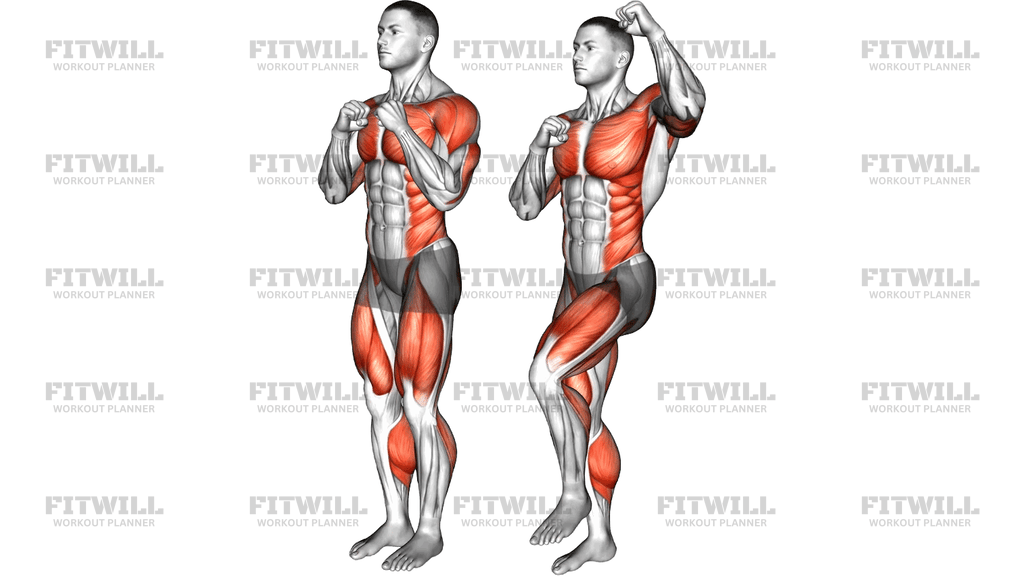
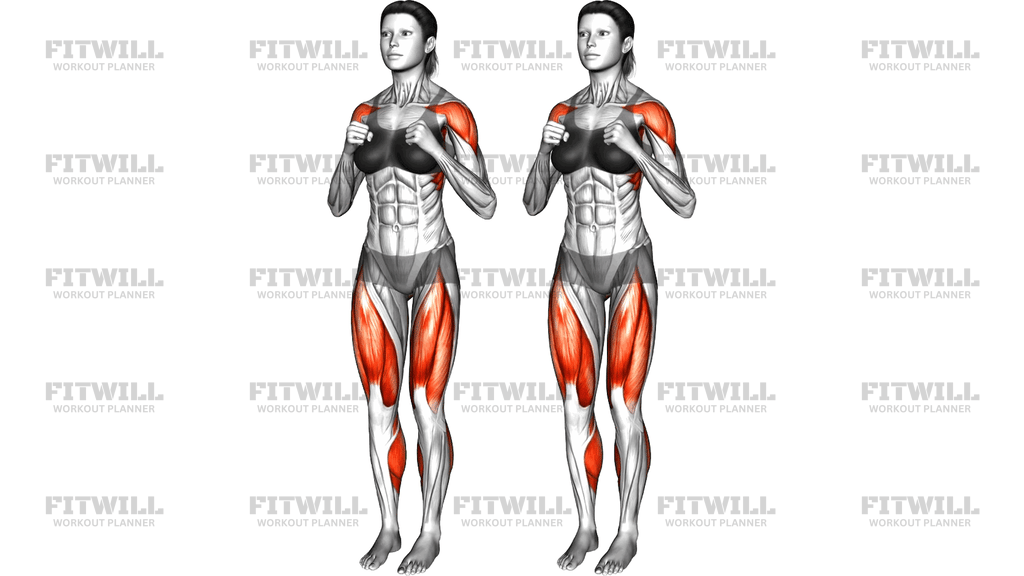
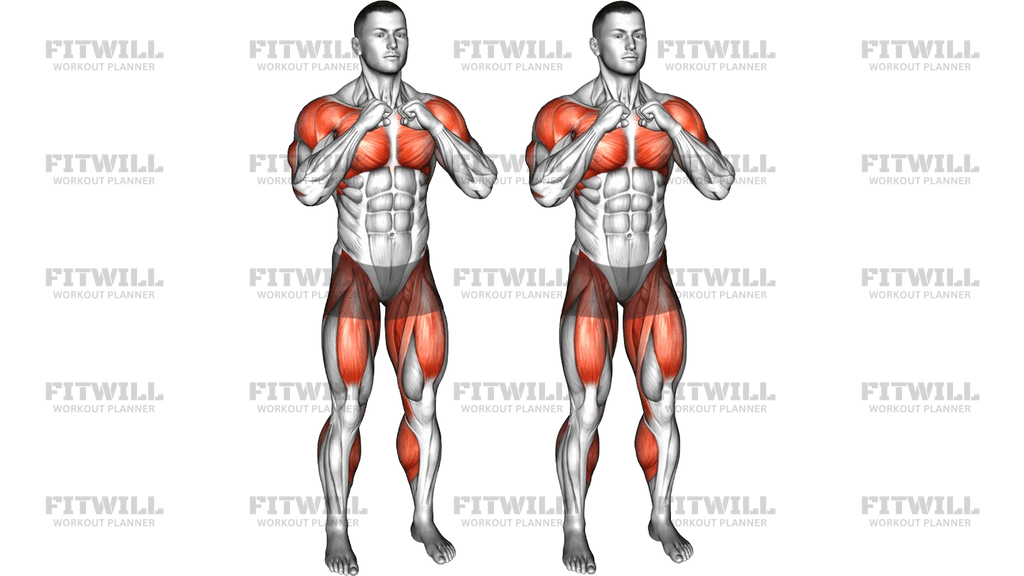
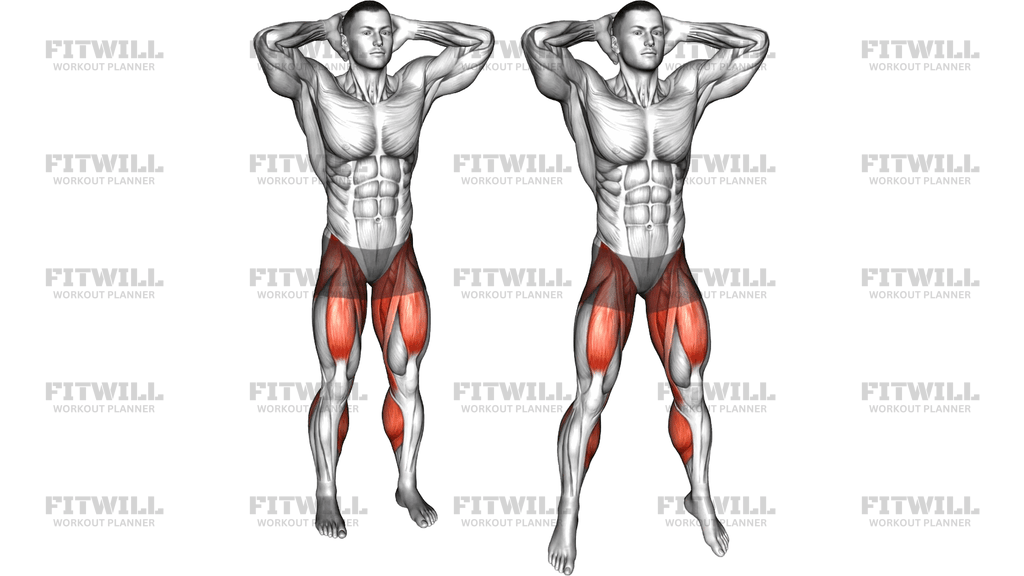
The Half Jumping Jack is a low-impact take on the classic jumping jack. Instead of jumping both feet out and in at the same time, you work one leg at a time, stepping or tapping one foot out to the side while the other leg stays planted. The hands rest behind the head with the elbows flared wide, so the arms stay fixed and the entire workload lands on the hips and legs. That single difference turns a full-body, high-impact movement into a controlled, joint-friendly conditioning drill.
Because only one leg moves at a time, this version doubles as a balance and stability exercise. Every rep forces the standing leg to hold your full body weight while the moving hip lifts the foot out and brings it back under control. The quadriceps, calves, and hip muscles do the visible work, but the glute medius on the support side and the deep core are quietly working overtime to keep your torso tall and level. Many people are surprised how much their outer hips burn after a minute of steady alternating reps.
This movement suits a wide range of trainees. Beginners use it to learn rhythm and single-leg control before attempting full jumping jacks or lateral hops. People with sensitive knees, ankles, or hips appreciate that there is no landing force. More advanced lifters slot it into warm-ups, active rest between strength sets, or finishers when they want extra conditioning without pounding their joints.
Setup matters more than it looks. A tall spine, elbows pulled back, and a soft bend in the standing knee keep the movement honest. If you let the torso lean away from the moving leg or let the elbows drift forward, you lose the balance demand and the hip work becomes sloppy. Keep the torso stacked over the support foot and let the hip, not momentum, move the leg.
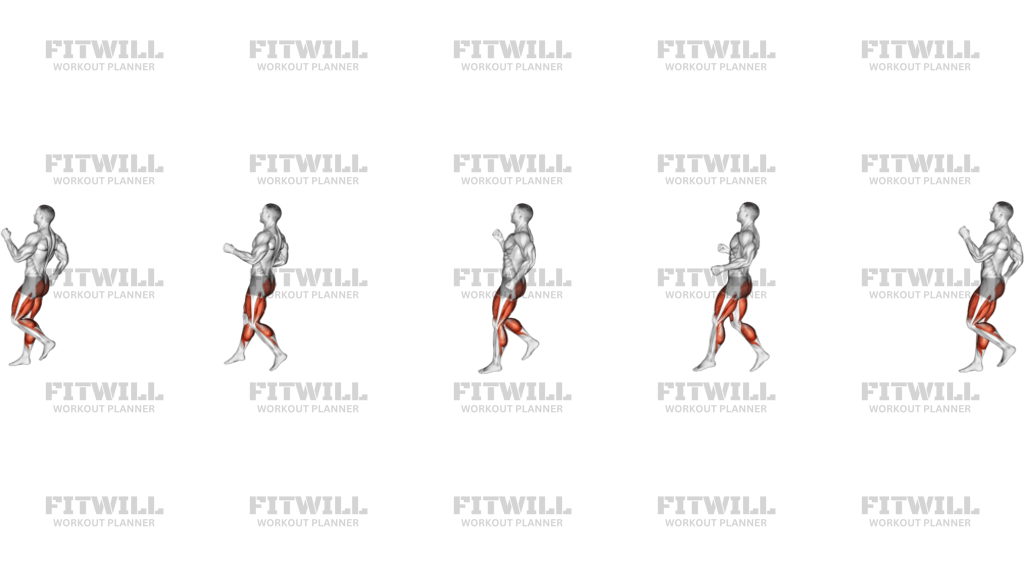
To execute well, shift your weight fully onto one leg, then lift the other foot out to the side a comfortable distance and tap it down or hold it briefly before drawing it back in. Alternate legs at an even, rhythmic pace. Breathe steadily rather than holding your breath, and keep the movement quiet — if you hear your feet slapping down, you are dropping them instead of controlling them.
A practical safety point: start with a smaller side step and a shorter set than you think you need. Single-leg balance work fatigues the small stabilizing muscles around the hip and ankle quickly, and form tends to break down before the larger muscles feel tired. Stop the set when you can no longer keep your hips level or your standing knee tracking over your toes.
[ Workout Log & Planner ]
Put your next workout in Fitwill
Keep your plan and training log ready when you are.


Instructions
- Stand upright with your feet together, weight spread evenly across both feet, and find a tall posture through the crown of your head.
- Place both hands lightly behind your head with the fingers interlaced or cupped, and pull the elbows out wide so they point to the sides, not forward.
- Brace your abdominal wall gently and unlock the knees slightly so both legs are ready to move.
- Shift your full body weight onto your right leg, pressing the foot flat into the floor.
- Lift your left foot off the floor and sweep it out to the left side, keeping the knee soft and the toes pointing forward, until the leg is a comfortable step width away.
- Tap the left foot down lightly or hold it an inch above the floor for a beat, keeping your hips level and your chest facing forward.
- Draw the left foot back in under your hips with control, then immediately transfer your weight onto the left leg.
- Repeat the side step with the right leg and keep alternating left, right, left at a steady rhythm.
- Exhale as the leg moves out, inhale as it comes back in, and avoid holding your breath during longer sets.
- Between sets, drop the hands, shake out the hips, and reset your stance with feet together before the next round.
Tips & Tricks
- The most common fault is leaning the torso away from the moving leg to make the side step easier. Imagine a string pulling the top of your head toward the ceiling and keep both shoulders square to the wall in front of you.
- Do not let the elbows collapse forward and turn the hand position into a head cradle. Wide elbows keep the upper back engaged and stop you from rounding forward.
- Keep the standing knee slightly bent and stacked over the ankle. A locked-out knee makes balance harder and shifts stress into the joint instead of the muscles.
- If your hips rock side to side with each step, slow the tempo down. The Half Jumping Jack rewards an even rhythm far more than speed.
- Place the moving foot down softly, toe first, rather than dropping the heel with a thud. Quiet feet usually mean the hip is controlling the leg instead of gravity.
- If you wobble badly on one side, hold onto a wall or chair with one hand for the first few sessions and remove the support once the balance improves.
- Aim for a consistent step width on both sides. Many people step wider on their dominant leg; mirror the narrower side rather than widening the stronger one.
- Once bodyweight reps feel easy, hold the side-step position for two to three seconds each rep to increase the demand on the hip stabilizers without adding speed.
- Avoid craning the neck upward when the hands are behind the head. Keep the chin tucked and the gaze fixed on a point ahead of you to protect the neck.
Frequently Asked Questions
What muscles does the Half Jumping Jack work?
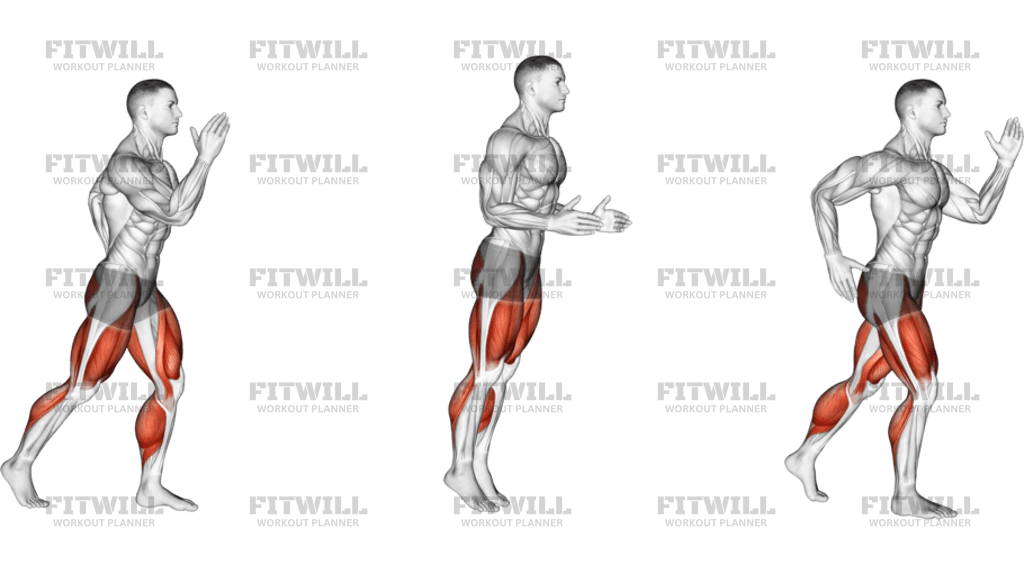
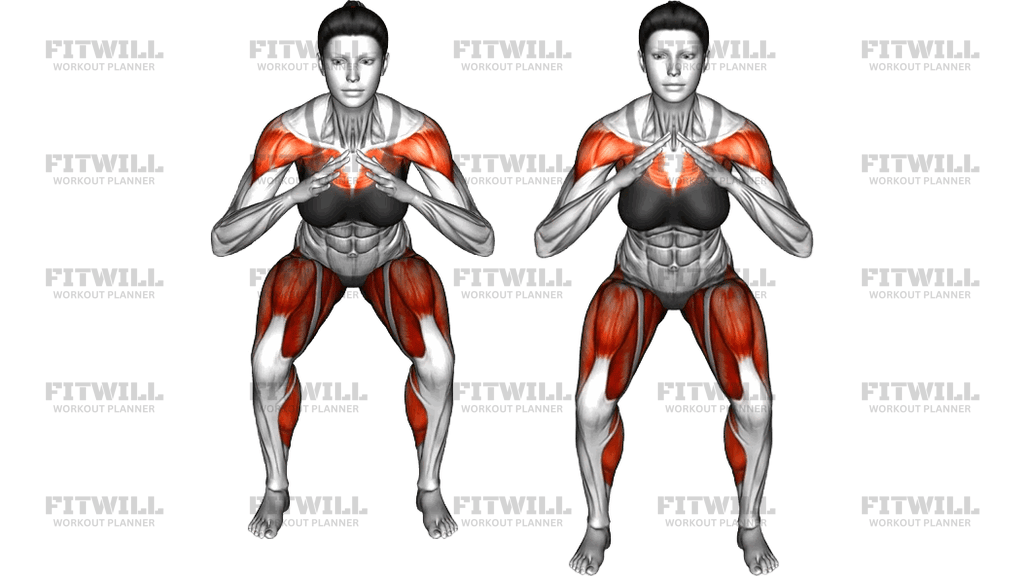
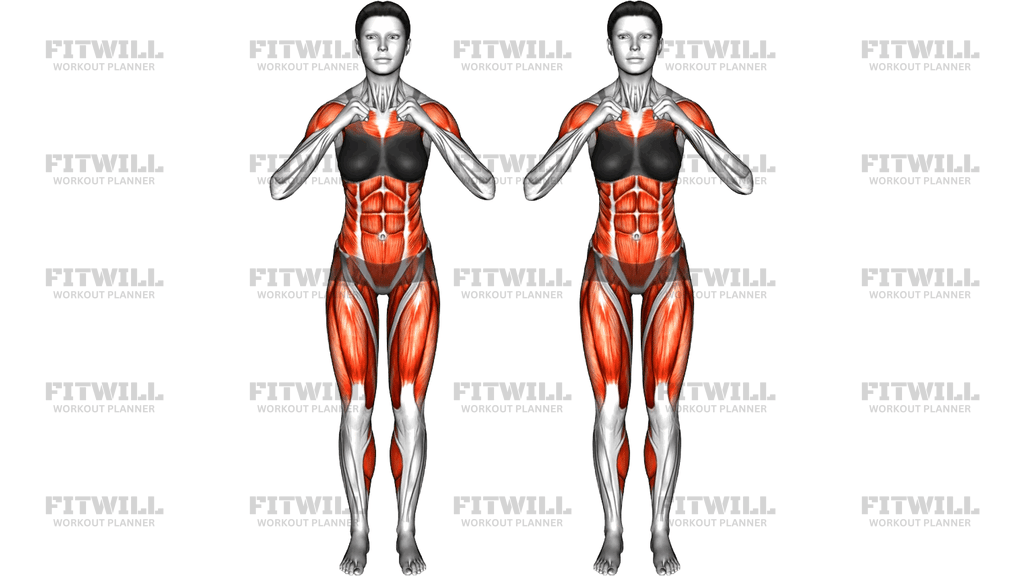
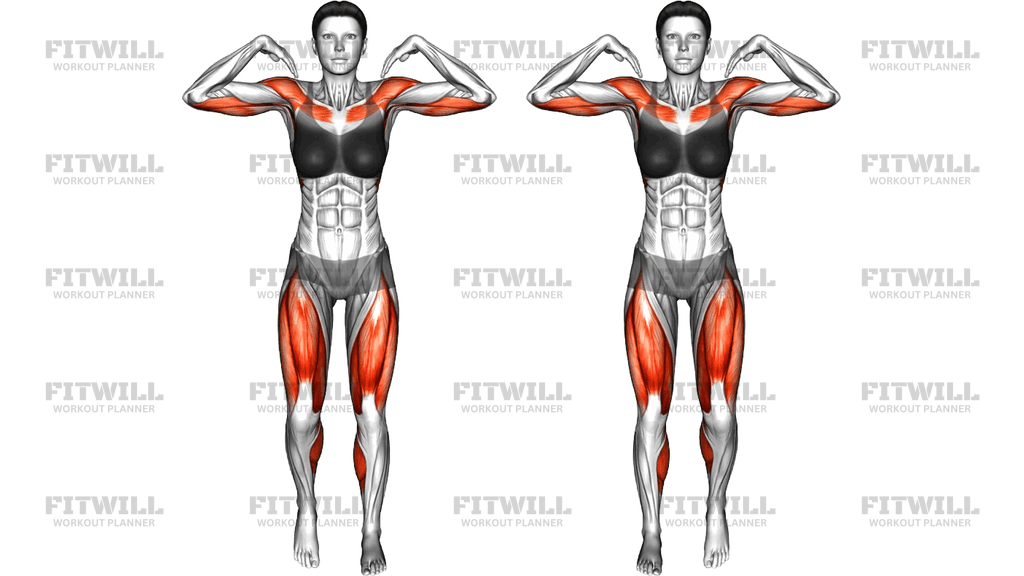
The main work comes from the quadriceps and calves on both the moving and standing legs, with strong involvement from the hip flexors and outer hip muscles. The glutes and core act as stabilizers, especially on the side supporting your body weight.
How is the Half Jumping Jack different from a regular Jumping Jack?
In a regular Jumping Jack both feet leave the floor at the same time and the arms swing overhead. In the Half Jumping Jack you step one leg out at a time and keep the hands behind the head, which removes the impact and shifts the emphasis to single-leg control and hip strength.
Is the Half Jumping Jack good for beginners?
Yes. It teaches rhythm, single-leg balance, and lateral hip control with no landing forces, making it an excellent entry point before full jumping jacks, lateral hops, or side shuffles.
Why do I keep losing my balance during the Half Jumping Jack?
Most balance losses come from a locked standing knee, a torso that leans away from the moving leg, or stepping out too far too fast. Keep a soft bend in the support knee, stay tall, and reduce the step width until you can keep your hips level.
Should my elbows stay wide the entire time?
Yes, keeping the elbows flared out with hands behind the head is part of the standard setup. It engages the upper back, prevents forward rounding, and keeps the arms from assisting, so the legs and hips do all the work.
Can I use the Half Jumping Jack as a warm-up?
It works very well as a warm-up because it raises the heart rate while activating the quads, glutes, and hip stabilizers that most lower-body training relies on. Two or three sets of alternating reps is usually enough before strength work.
How many reps should I do?
Start with 20 to 40 seconds of continuous alternating reps, or roughly 10 to 20 steps per side. As your balance and conditioning improve, extend the duration rather than rushing the tempo.
What can I substitute if side stepping bothers my hips?
A smaller step width usually solves mild hip discomfort. If the movement still bothers you, try standing knee raises or low-impact front taps, which train a similar rhythm with less hip abduction.
Is it safe to do the Half Jumping Jack every day?
For most people, yes, since it is low impact and uses bodyweight resistance. Just scale the volume sensibly and stop if you notice persistent hip or knee aching that does not settle between sessions.