Ring Eccentric Single Leg Curl With Towel
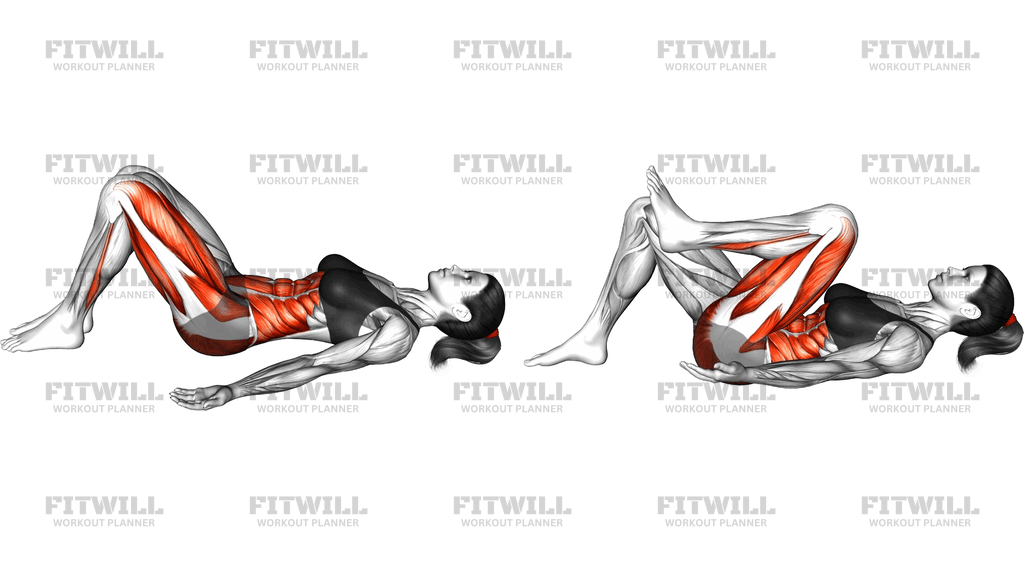
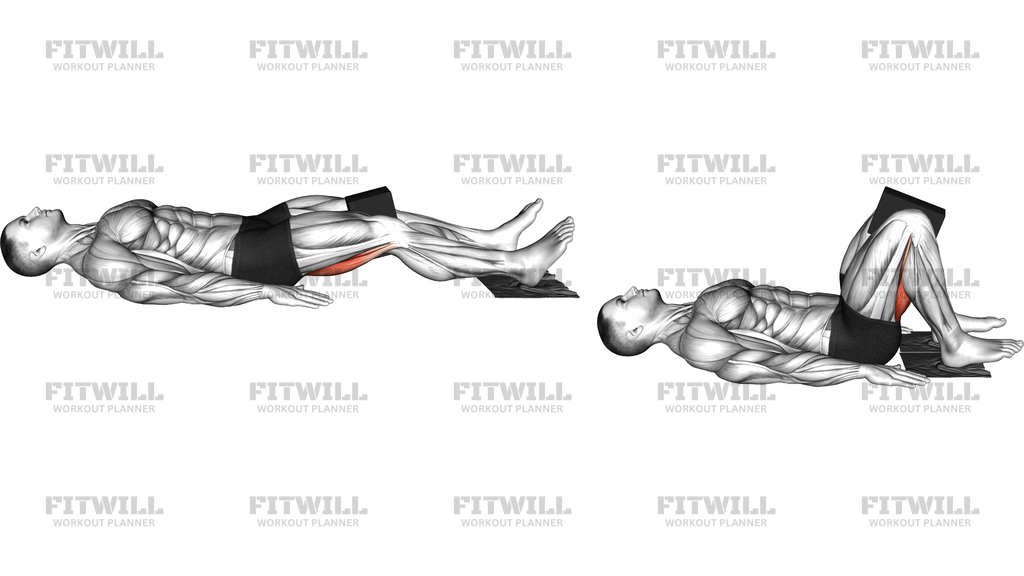
Ring Eccentric Single Leg Curl With Towel is a supine bodyweight leg curl where one heel slides on a towel while the other leg stays tucked, isolating each hamstring separately. The eccentric focus means the most important part of the rep is the slow return: you curl your heel in toward your glutes, then resist the lengthening of the hamstring as you slide the heel back out over several seconds. The elevated, bridged hip position shown in the movement is what separates this from a basic floor slide curl, because it adds a glute and lower back stability demand on top of the hamstring work.
The towel is the key piece of equipment here. On a smooth floor, a towel under your heel creates just enough friction to support a controlled slide in both directions. That friction is your resistance, so the setup matters more than it might seem: a slick floor makes the eccentric too easy to control and a grippy carpet makes it nearly impossible. If the slide feels too fast, add a second towel layer or choose a slightly rougher surface; if it feels too hard, find a smoother stretch of floor.
This exercise is especially useful for people who train at home with no machines, since a leg curl normally requires dedicated equipment. It also suits lifters who want to address side-to-side imbalances, because each leg has to do the work alone and a weaker hamstring cannot hide behind the stronger one. Because the eccentric portion is loaded deliberately, it fits well into programs aimed at building hamstring resilience for running, sprinting, and change-of-direction sports.
Execution comes down to three things: keeping your hips lifted and level, keeping the working knee tracking straight ahead rather than drifting outward, and making the eccentric genuinely slow. Many people let their hips sag or twist the moment the leg starts extending, which dumps the load off the hamstring and onto the lower back. Brace your core, squeeze the glute of the working side, and treat the slide out as the actual exercise rather than a way back to the start.
Expect to feel this high in the hamstring, near the knee, especially on the lengthening phase. Start with a modest number of repetitions on a forgiving floor, and stop the set when you can no longer control the descent for at least three seconds. Losing control of the eccentric is the signal to end the set, not a reason to speed up.
[ Workout Log & Planner ]
Put your next workout in Fitwill
Keep your plan and training log ready when you are.


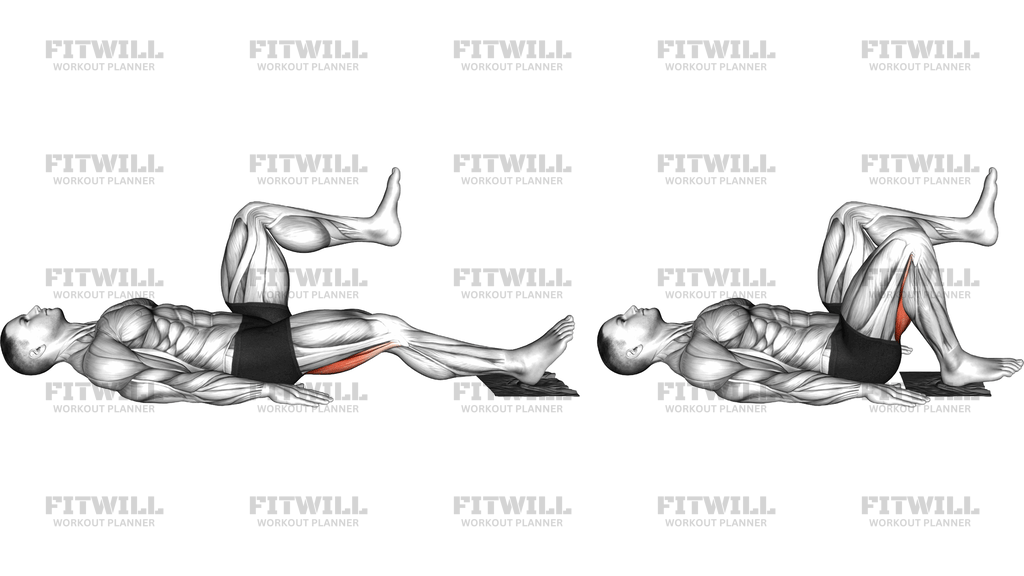
Instructions
- Lie on your back on an exercise mat on a smooth floor, arms relaxed at your sides with palms down for balance.
- Place a towel flat under the heel of your working leg so the heel can slide freely, and bend that knee so the foot sits a few inches from your glutes.
- Pull your other knee up toward your chest and hold it there with your hands or let it rest bent, keeping it out of the way for the whole set.
- Press the working heel into the floor through the towel and lift your hips until your body forms a straight line from shoulders to knee.
- Brace your abs and squeeze the glute of the working leg before you start moving.
- Curl by dragging the towel heel toward your glutes until your knee is fully bent and your heel is close to your backside.
- From the fully curled position, slide the heel back out slowly, taking three to five seconds to straighten the leg while keeping the hips lifted.
- Exhale as you curl the heel in, and breathe steadily as you resist the slide out; avoid holding your breath during the eccentric.
- Once the leg is nearly straight, pause briefly, then reset your hip height and brace again before starting the next rep.
- Finish the set, lower the hips to the mat with control, switch the towel to the other heel, and match the repetitions on the second leg.
Tips & Tricks
- If your hips drop as the leg extends, that is the most common breakdown in this exercise — re-squeeze the working glute and shorten the range until you can hold hip height through the whole eccentric.
- Watch the working knee: if it drifts outward or corkscrews as you curl, the inner hamstrings and adductors are compensating — point the knee straight up and slow the concentric down first.
- A towel that bunches under the heel will make the slide jerky — spread it flat and reposition it between reps if it folds.
- The leg that is tucked toward your chest is not resting — keep it hugged in, because letting it drop to the floor turns the movement into a two-leg pattern and steals tension from the working hamstring.
- Do not count the curl-in as the rep; the value here is the three-to-five-second slide out, so a fast return means you are just moving your leg, not training the eccentric.
- On very slippery floors the eccentric can run away from you — double up the towel or move to a section with a bit more friction rather than letting the heel shoot out.
- If your lower back arches or aches, your brace is failing — pull the ribs down and stop each set before hip height is lost, even if that means fewer reps.
- Keep some downward pressure through the heel the entire time; a heel that lifts off the floor mid-slide removes the friction and the resistance disappears with it.
Frequently Asked Questions
What muscles does Ring Eccentric Single Leg Curl With Towel work?
The hamstrings are the primary muscle, working both to curl the heel in and to control the lengthening on the way out. The glutes and lower back stabilizers support the bridged hip position, and the calves assist slightly as the knee flexes.
Why is the eccentric phase emphasized in this exercise?
Hamstrings do a lot of their real-world work while lengthening under tension, such as during the late swing phase of sprinting. Slowing the slide out to three to five seconds loads that lengthening phase, which a normal fast-paced floor curl barely trains.
Can beginners do Ring Eccentric Single Leg Curl With Towel?
Yes, but beginners should start with a two-leg towel curl and a shorter eccentric of two seconds. Once hip height can be held level for a full set, progress to the single-leg version with a longer slide out.
What kind of floor and towel work best for this exercise?
A smooth surface like hardwood, tile, or laminate with a cotton towel gives a consistent slide. Thick carpet makes the heel stick and turns the movement into a static hold, which defeats the eccentric emphasis.
Should my hips stay lifted the whole time?
Yes, the bridged position is part of the setup, not optional. Lowering the hips mid-rep shortens the hamstring's range and shifts work toward the hip extensors, so reset your bridge between reps if it starts to sag.
My hips twist toward the working leg during the slide out — how do I fix it?
Twisting usually means the hamstring is too fatigued to control the eccentric, so the body cheats by rotating. Slow the tempo down further, shorten the range slightly, and end the set when you can no longer keep both hip bones level.
What can I use instead of a towel if I don't have one?
Sliders, a paper plate on carpet, or a smooth plastic bag on a slick floor all work the same way. The requirement is simply something under the heel that slides with light, even friction.
How many reps and sets should I do?
Start with two to three sets of five to eight reps per leg with a three-to-four-second eccentric, resting about a minute between sides. Progress by extending the slide out toward five seconds before adding reps.
Is it normal to feel this exercise behind the knee?
Yes, the distal hamstring near the knee is heavily involved, especially in the curled position. A working-muscle sensation is fine, but any sharp or pinching pain at the back of the knee joint itself is a reason to reduce the range or stop.
Can I do Ring Eccentric Single Leg Curl With Towel every day?
Because the eccentric phase creates significant muscle soreness, two to three sessions per week with at least a day between them is a better schedule. Daily use tends to degrade the quality of the slow lowering, which is the whole point of the exercise.