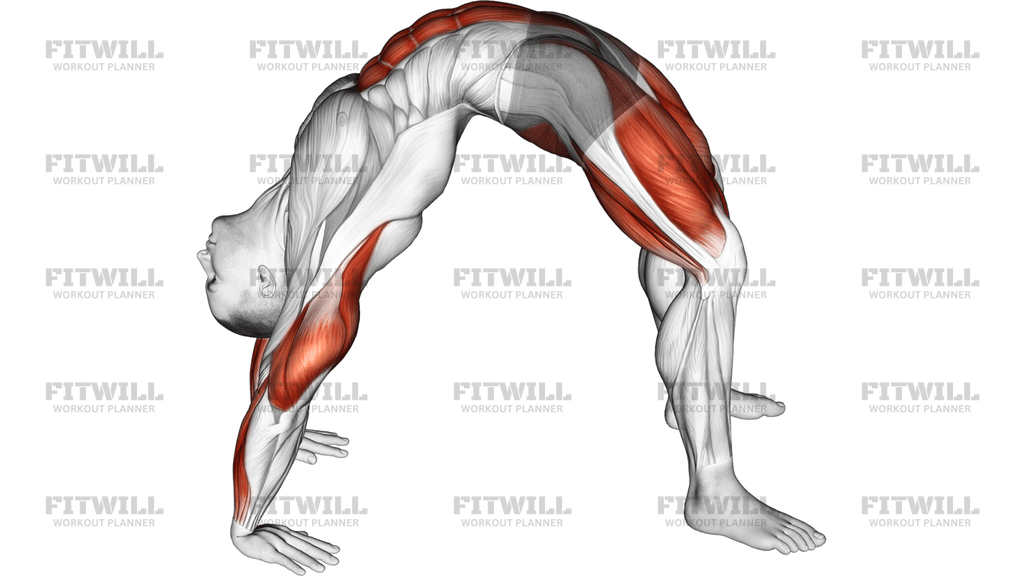
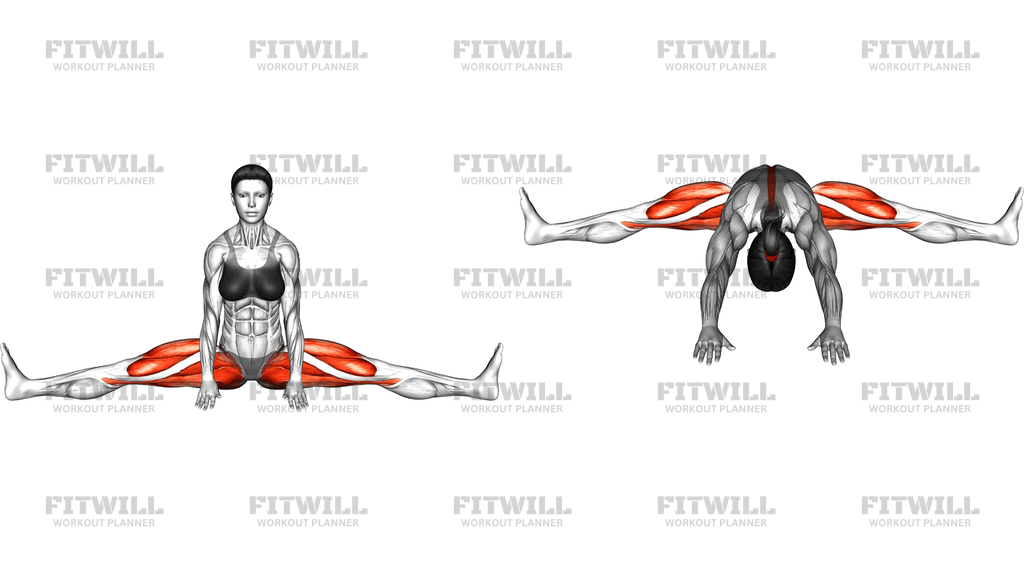
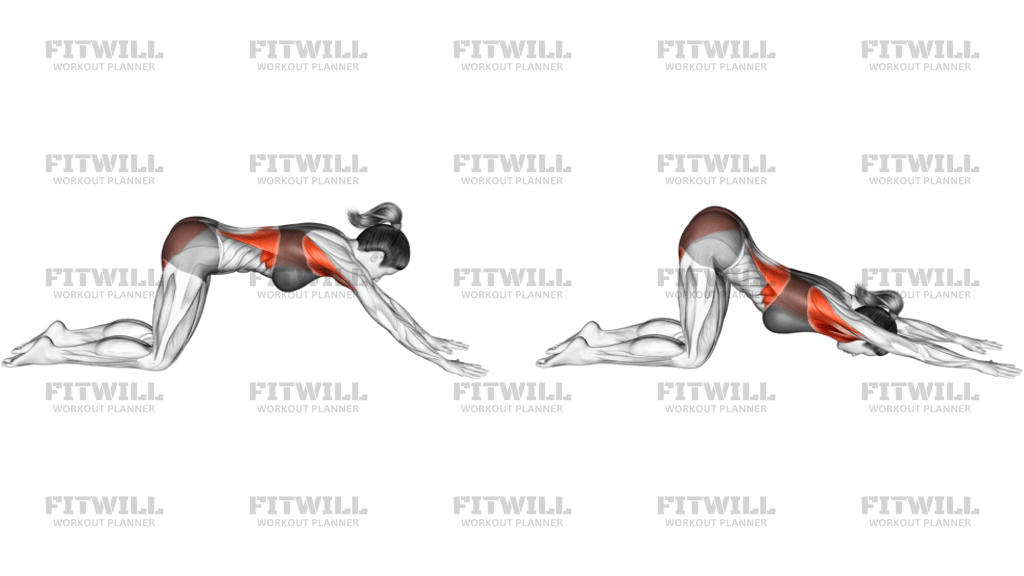
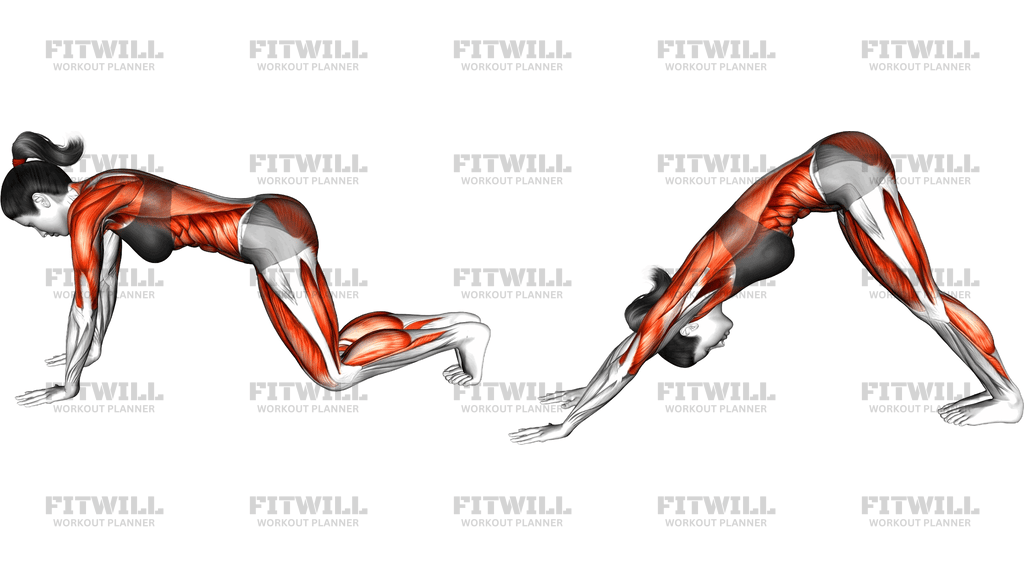
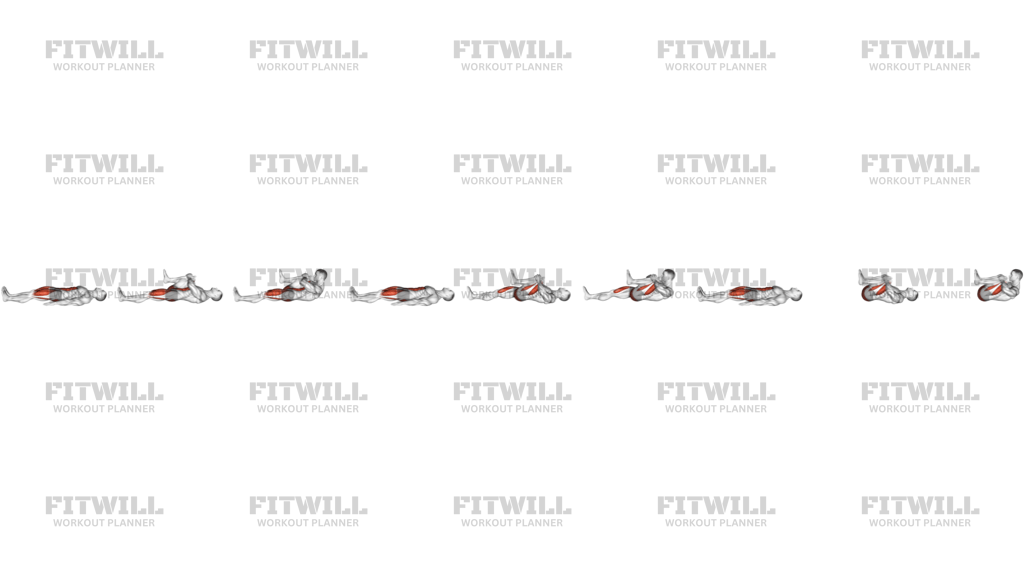
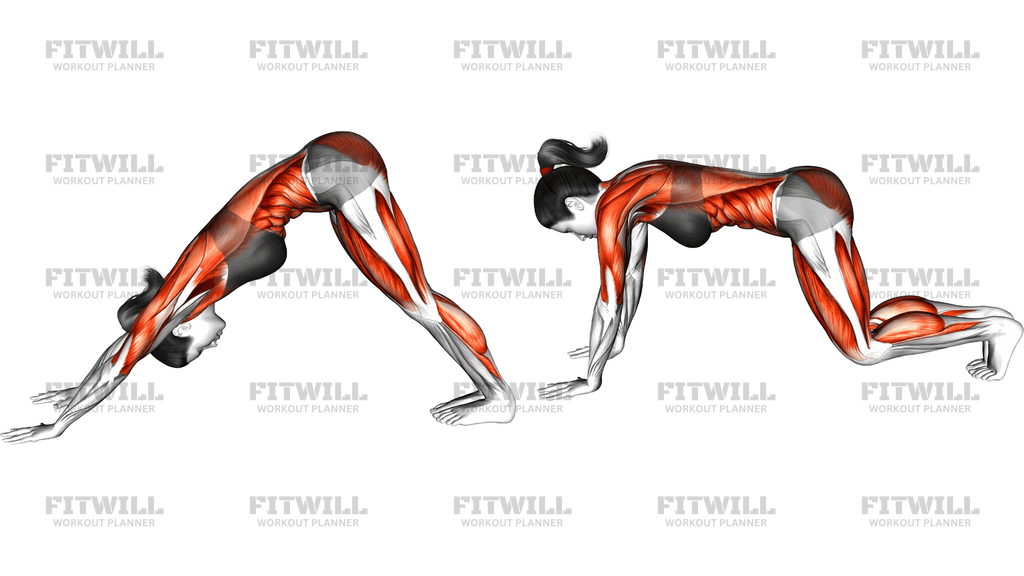
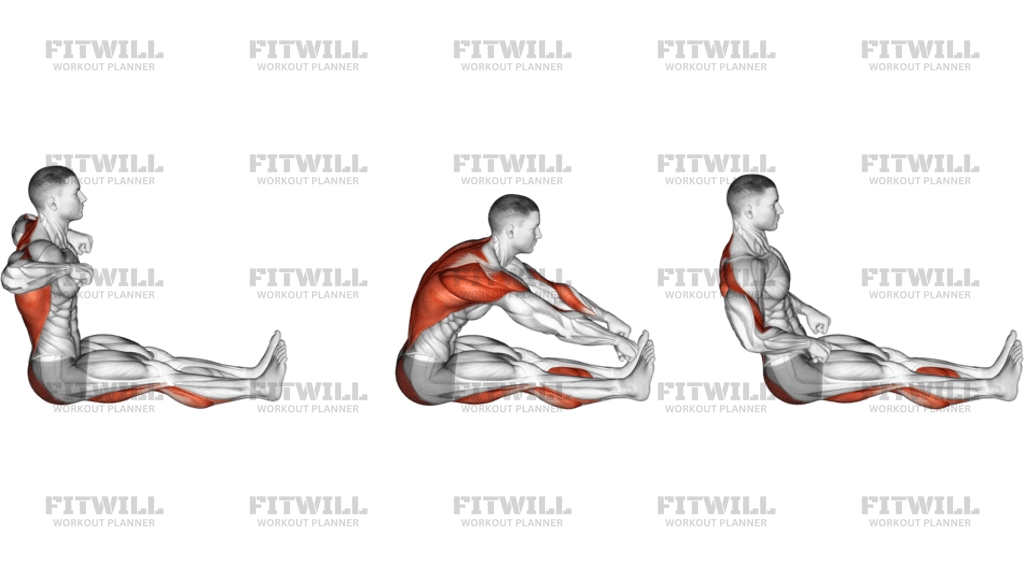
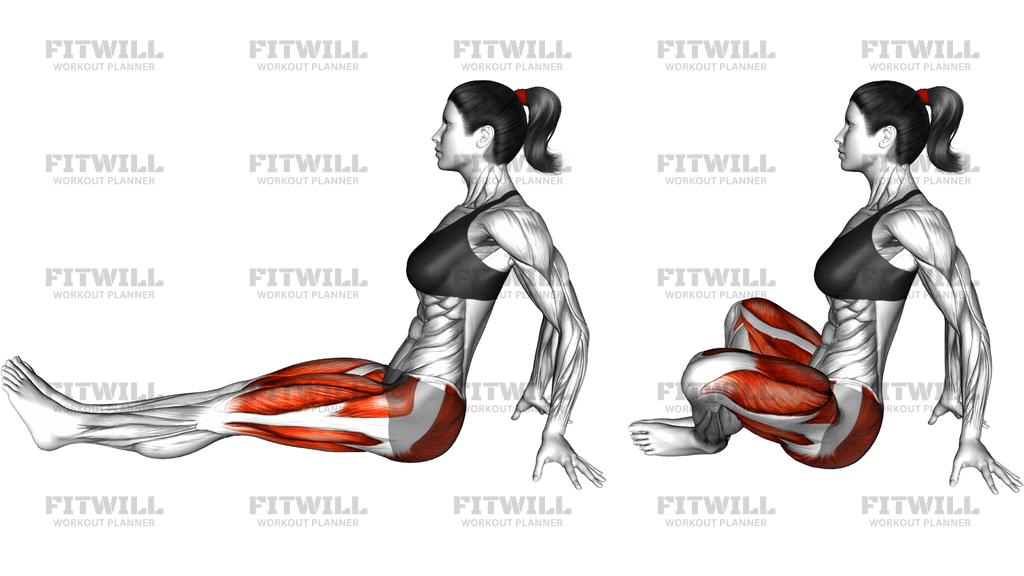
Cobra To Child Pose
Cobra To Child Pose is a flowing bodyweight stretch that moves between two complementary positions: an upward-facing back extension (cobra) and a rounded, folded forward position (child's pose). Instead of holding a single stretch, you flow from one shape to the other, which mobilizes the spine through both of its main directions and gives your back and midsection an active contrast with each rep.
This movement is especially useful for anyone who spends long hours sitting, since prolonged sitting leaves the hips flexed and the spine rounded. The cobra portion extends the spine and opens the front of the body through the abs and hip flexors, while the child's pose portion rounds the back, lengthens the lats and lower back, and gives the shoulders a gentle stretch overhead. The alternation between the two is what makes it feel good — you are essentially pumping the spine through flexion and extension.
The setup matters more than people expect. Because both positions are floor-based and rely on your hands pressing into the mat, hand placement and knee placement determine how comfortable the flow feels. Hands set too far forward make the cobra sluggish and put pressure on the shoulders; knees set too narrow crowd the child's pose. A mat under your knees and the tops of your feet keeps the whole thing sustainable.
To execute it well, think of it as two smooth halves rather than two separate holds. From a prone position, press the chest up with the arms while the hips stay heavy on the floor, letting the back arch without forcing the neck. Then push the hips back toward the heels, sitting into the fold, and let the spine round as the arms reach forward. Breathe steadily through both positions instead of holding your breath at the endpoints.
This flow shows up most often in warm-ups, cool-downs, and yoga practice. It is a low-risk, low-load movement, which makes it appropriate for beginners, but it also works well for trained lifters who need to decompress after heavy squatting, deadlifting, or sitting at a desk all day. Because the transition itself is the exercise, moving slowly is the whole point — rushing it defeats the purpose.
The main safety point is to respect your current back extension range. Some people will press into a high cobra with straight arms; others will feel more comfortable keeping the elbows slightly bent and the chest lower. Neither is wrong. Keep the movement pain-free, let the breath set the pace, and avoid jerking between the two positions.
[ Workout Log & Planner ]
Put your next workout in Fitwill
Keep your plan and training log ready when you are.


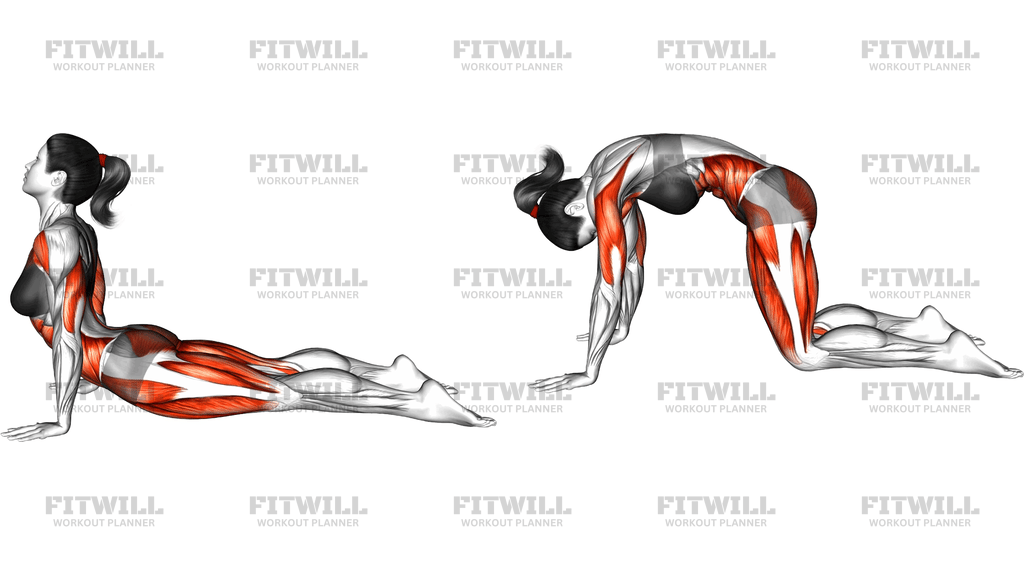
Instructions
- Lie face down on an exercise mat with your legs extended behind you, the tops of your feet resting on the mat, and your hands under your shoulders with palms flat and fingers spread.
- On an inhale, press your palms into the mat and lift your chest and head into cobra, keeping your hips, legs, and tops of the feet heavy on the floor.
- At the top of cobra, keep your shoulders pulled down away from your ears and your elbows slightly soft so the arch comes from the spine rather than a shoulder shrug.
- Hold the cobra for one or two easy breaths, feeling the stretch across the front of your abs and hips.
- On an exhale, slowly lower your chest back toward the mat, then press through your hands and push your hips back toward your heels, letting your knees spread slightly if needed.
- Settle into child's pose with your arms reaching forward and your forehead relaxed toward the mat, rounding your spine and letting your hips sink back.
- Hold the child's pose for one or two breaths, feeling the length in your lower back, lats, and the backs of your shoulders.
- Inhale and shift your weight forward over your hands, lowering your hips toward the floor and pressing your chest back up into cobra to begin the next rep.
- Keep your breathing continuous and unhurried — inhale as you extend into cobra, exhale as you fold back into child's pose.
- Complete 5 to 10 smooth cycles, then rest by lying quietly on your side or staying folded in child's pose.
Tips & Tricks
- If your shoulders creep up toward your ears in cobra, bend the elbows slightly and consciously pull the shoulder blades down your back — a high, shrugged cobra takes the work out of the spine and puts it on the neck.
- Do not force straight arms in cobra if your hips start lifting off the mat; the moment your pelvis rises, you have turned a spinal extension stretch into a different movement and lost the benefit for the lower back.
- If the tops of your feet ache on the floor in cobra, tuck a folded towel or the edge of the mat under them before you start.
- In the transition, drag your chest forward and slightly up before pushing the hips back — this keeps the flow continuous instead of dropping flat to the mat and losing the rhythm.
- If your hips cannot comfortably reach your heels in child's pose, place a cushion or a rolled portion of the mat between your calves and hamstrings to support the fold.
- Common mistake: whipping between the two poses quickly. Slow the transition down to one full breath in each direction; the movement should feel like a wave through the spine, not a bounce.
- Keep your neck in line with your spine in cobra by looking slightly forward and down rather than craning up at the ceiling.
- If your wrists bother you during the press-up, make fists or hold onto the edge of the mat, or shift your hands slightly wider so the pressure distributes across the whole palm.
- Wider knees in child's pose give the hips more room and often let the lower back round more fully — try big-toes-touching knees-wide if the narrow version feels cramped.
Frequently Asked Questions
What does Cobra To Child Pose actually stretch?
The cobra half stretches the front of your body — mainly the abs and hip flexors — while the child's pose half stretches the lower back, lats, and the backs of the shoulders. Together they move your spine through both full flexion and full extension.
Is Cobra To Child Pose good for beginners?
Yes, it is one of the most beginner-friendly floor stretches because it uses only body weight and you control the depth in both positions. Beginners can keep the cobra low with bent elbows and let the child's pose be as shallow as needed.
Can I do Cobra To Child Pose if my lower back feels tight after deadlifts?
It is a common choice for that exact situation because the gentle flexion and extension helps the back feel less stuck. Move slowly and stay in a comfortable range — the flow should feel relieving, never sharp or pinching.
Why do my hips lift off the floor when I press into cobra?
That usually means you are pushing with the arms more than extending the spine, or your hands are placed too far forward. Bring your hands slightly closer to your ribs and focus on lifting the chest rather than shoving the floor away.
Should I hold each position or keep moving in Cobra To Child Pose?
Both work, but the flow version asks you to spend one or two breaths in each shape and keep transitioning. If you want a deeper release, you can pause for three to five breaths in child's pose before coming back up.
How many reps of Cobra To Child Pose should I do?
Five to ten slow cycles is enough for most warm-ups or cool-downs. If you are using it as a standalone mobility break, you can go a bit longer as long as each transition stays smooth and pain-free.
My knees hurt when I sink back into child's pose. What can I change?
Place a folded towel or cushion in the crease of your knees before folding back, and widen your knees to reduce pressure on the joint. If kneeling on the tops of the feet is the issue, pad under the ankles as well.
Can Cobra To Child Pose replace a back workout?
No — it is a mobility and stretch flow, not a strength exercise. There is no meaningful load, so use it alongside your back training rather than instead of it.
When is the best time to do this flow — before or after training?
It works in both slots. Light, flowing reps are a good warm-up before lifting or yoga, and slower, longer holds in child's pose work well as a cool-down to help the spine settle after training.
Is it safe to do Cobra To Child Pose every day?
For most people, yes — it is gentle, load-free, and the range is self-limited. If a specific position consistently causes pain rather than stretch, reduce the depth in that position and get it assessed before continuing.