Bodyweight Row Door Handle
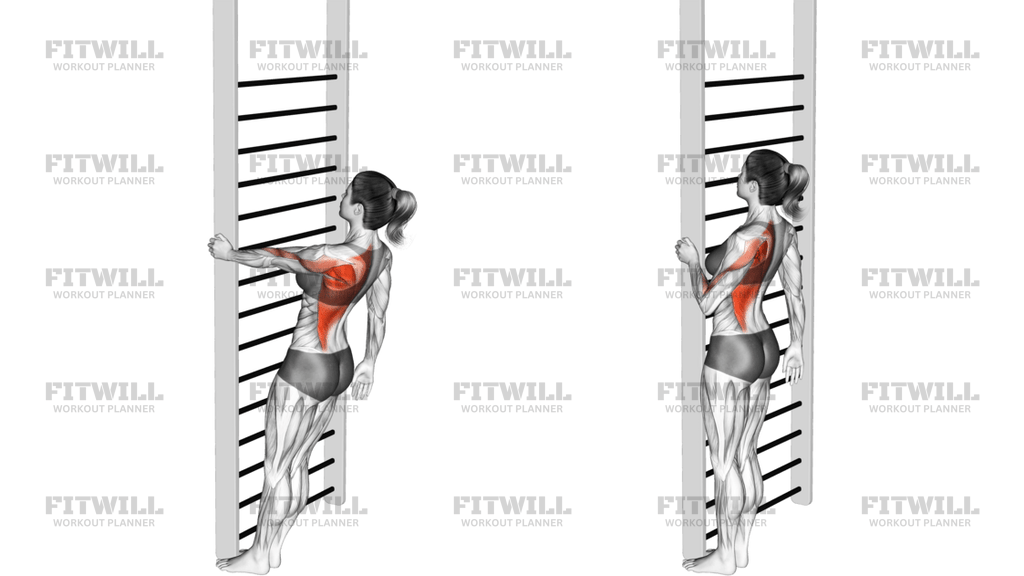
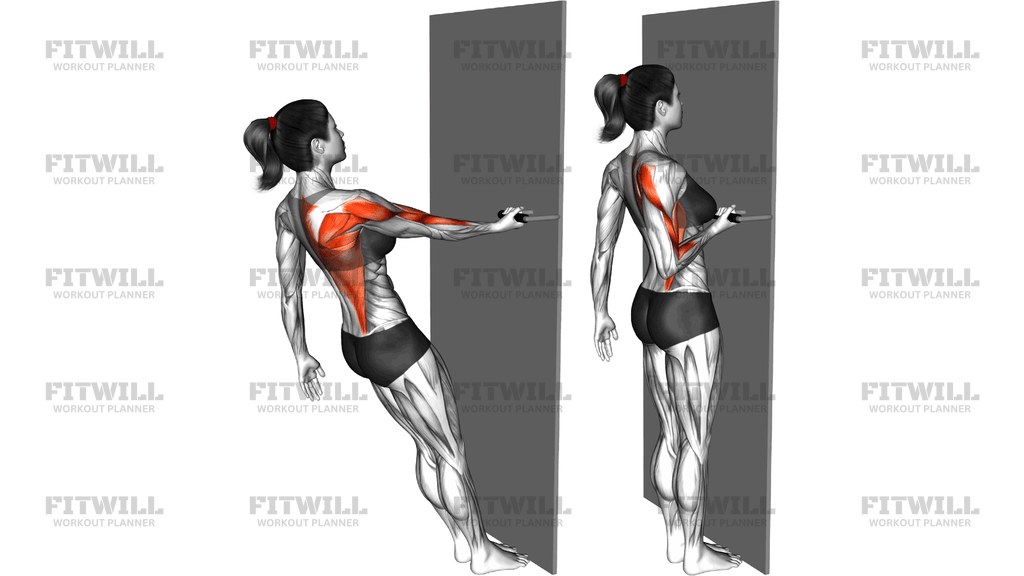
The Bodyweight Row Door Handle turns an ordinary door handle into a one-arm rowing station. You grip the handle with a single hand, lean your body back and away from the door until your arm is extended, then pull your torso back toward the door by driving your elbow down and in. It is essentially a standing single-arm row where your own bodyweight replaces the weight plate.
This movement is especially useful when you have no equipment beyond a sturdy door. It suits beginners who want to learn how it feels to row with the lats, people building toward pull-ups and heavier rows, and anyone traveling or training at home who still wants horizontal pulling work. Because only one hand is working, it also exposes and helps correct left-to-right strength differences.
The main muscles worked are the lats on the working side, supported by the biceps, rear shoulders, and the muscles between the shoulder blades that pull the shoulder blade back. Your legs, glutes, and trunk work statically to hold a straight line from head to heel as you lean away from the door, and the working hand gets a solid grip challenge from supporting your bodyweight.
Setup matters more than it looks. The door must be closed, latched, and strong enough to take your bodyweight pulling on the handle, and ideally you should work on the side where the door closes away from you so it cannot swing open. Your feet stay close to the door, your body leans back as one rigid piece, and the angle of your lean sets the difficulty: the more horizontal your body, the harder the row.
To execute it well, think of pulling your chest toward the handle rather than just bending your arm. Keep your shoulders square instead of twisting toward the door, squeeze the shoulder blade at the top, and lower yourself back with control so the arm extends fully without your shoulder dumping forward. Two or three controlled sets of 8-15 reps per side is a realistic working range.
As a practical note, always test the handle and door with a moderate pull before committing your full weight, and keep a bent knee and quick footing ready in case the handle or latch fails. If the door is flimsy or the handle feels loose, skip this exercise and use a table edge or other fixed anchor instead.
[ Workout Log & Planner ]
Put your next workout in Fitwill
Keep your plan and training log ready when you are.


Instructions
- Stand facing the edge of a closed, latched door and grip the handle with one hand using a neutral grip, thumb wrapped around it.
- Walk your feet toward the door and lean your body back and away, letting your arm extend fully until you feel tension through your lat and grip.
- Set your feet roughly hip-width apart or in a small stagger, heels down, with a straight line from your head through your hips to your heels.
- Brace your core and squeeze your glutes so your trunk does not sag or hinge as you hang away from the door.
- Pull by driving your elbow down and back toward your ribs, drawing your chest toward the door until your hand is close to your torso.
- At the top, squeeze your shoulder blade back and hold the end position for a brief pause.
- Lower yourself slowly and under control until your arm is fully extended again, letting the shoulder blade move forward without collapsing.
- Exhale as you pull toward the door and inhale as you lower back out.
- Complete all reps on one side, reset your stance, then switch hands and repeat.
- Before each set, tug the handle firmly a few times to confirm the door and latch are holding securely.
Tips & Tricks
- A common mistake is bending only the elbow, which turns this into an arm exercise. Picture dragging your elbow toward your back pocket so the lat initiates the pull.
- If your torso twists toward the door on each rep, lighten the load by standing more upright; the twist usually means the load exceeds what your trunk can hold square.
- Do not let the extended-arm position yank your shoulder forward at the bottom. Stop the descent just short of a passive hang and keep slight tension in the lat.
- Adjust difficulty with foot placement: moving your feet closer to the door and leaning further back makes the row harder, stepping back makes it easier.
- Keep your knees softly bent rather than locked, so you can absorb the lean and step in instantly if the handle slips.
- Grip fatigue often ends the set before the back does. Chalk or a towel wrapped around your hand can help, but if the handle is slick, choose a different anchor.
- Avoid bouncing out of the stretched position; the controlled return is where much of the lat and shoulder-blade work happens.
- Use a closed door on the side that opens away from you so your bodyweight presses it shut rather than pulling it open.
- If your lower back complains, you are likely sagging at the hips while leaning. Shorten the range or reduce the lean until you can hold a rigid line.
Frequently Asked Questions
Which muscles does the Bodyweight Row Door Handle work the most?
The lats on the working side are the prime movers, with strong support from the biceps, rear shoulders, and the rhomboids and traps that retract the shoulder blade. The legs and core work isometrically to keep your leaning body straight.
Is the Bodyweight Row Door Handle safe for the door?
It can be, provided the door is solid, fully closed, and latched, and the handle is firmly mounted. Pull on it progressively rather than jerking, and choose the side of the door that swings away from you so your pull presses it shut.
Can beginners do the Bodyweight Row Door Handle?
Yes, and it is actually a good beginner row because the load is easy to regulate. Standing more upright with a small lean makes it very manageable, and you can deepen the lean as your pulling strength grows.
How do I make the Bodyweight Row Door Handle harder?
Move your feet closer to the door so your body leans further back and more of your weight hangs on the handle. You can also slow the lowering phase, add a pause at the chest-to-handle position, or perform it with your feet closer together.
Why do I feel the Bodyweight Row Door Handle mostly in my arm?
That usually means the elbow is bending first and the shoulder is not driving the movement. Reset with a lighter angle and focus on pulling the elbow down toward your ribs and squeezing the shoulder blade before the arm bends much.
What can I use instead of a door handle?
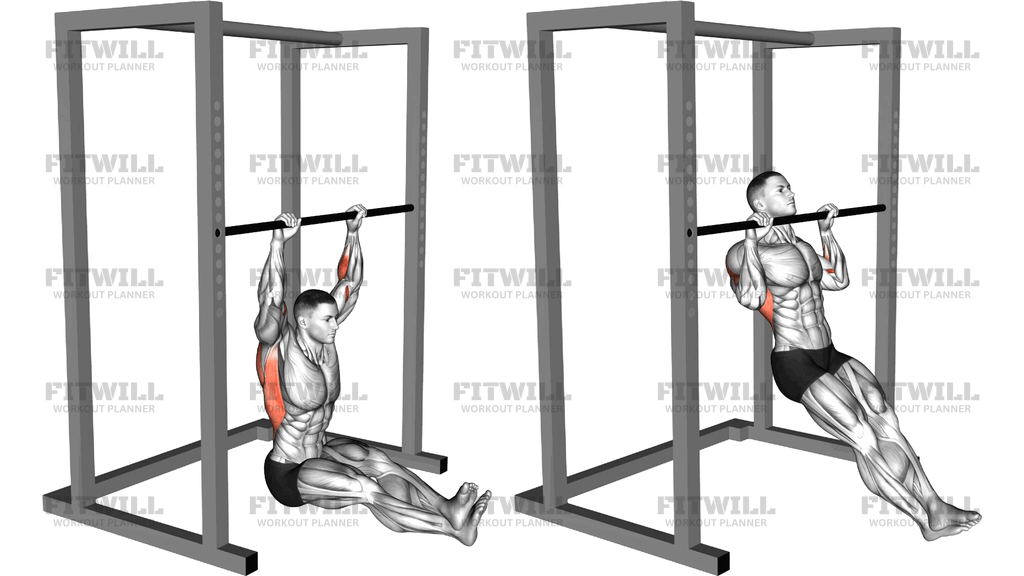
Any sturdy fixed anchor at a similar height works, such as a table edge, a railing, or a bar in a power rack set low. The body position and pulling path stay the same: one hand, leaning back, pulling your chest to the anchor.
Should my feet be together or staggered during this row?
Either works, but a slight stagger can make balance easier while your feet stay close to the door. What matters more is keeping your heels down and your body rigid as you lean back.
How many reps and sets should I do?
Two to four sets of 8-15 controlled reps per side is a solid range. Stop a set when your form twists or your grip slips rather than grinding out extra reps.
Do I need to keep my arm fully straight at the bottom?
Let the arm extend fully, but keep tension instead of letting the handle yank your shoulder forward into a passive hang. Control the end range so the shoulder stays packed and healthy.