Lying Leg Over Knee Hip Twist Stretch
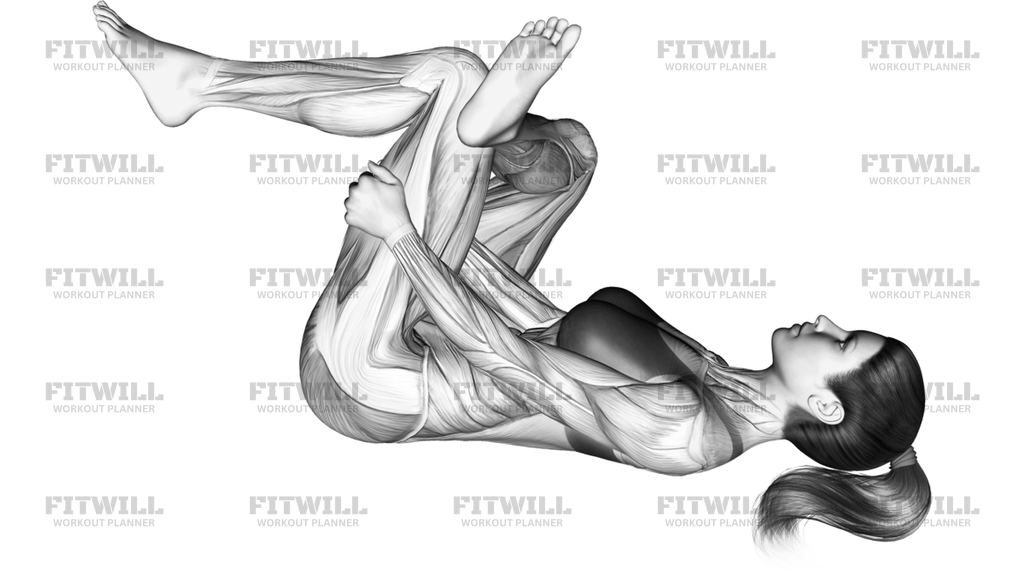
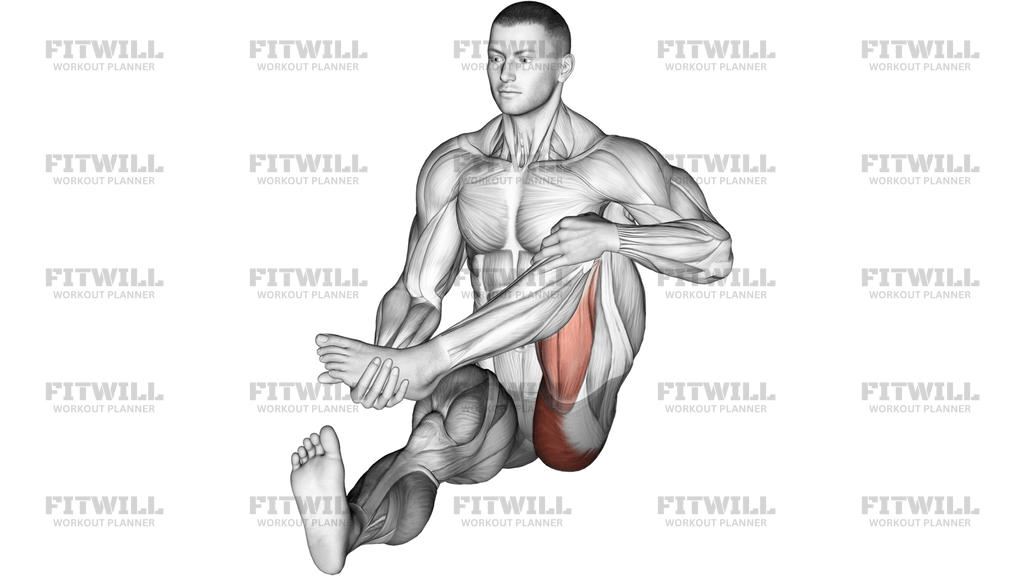
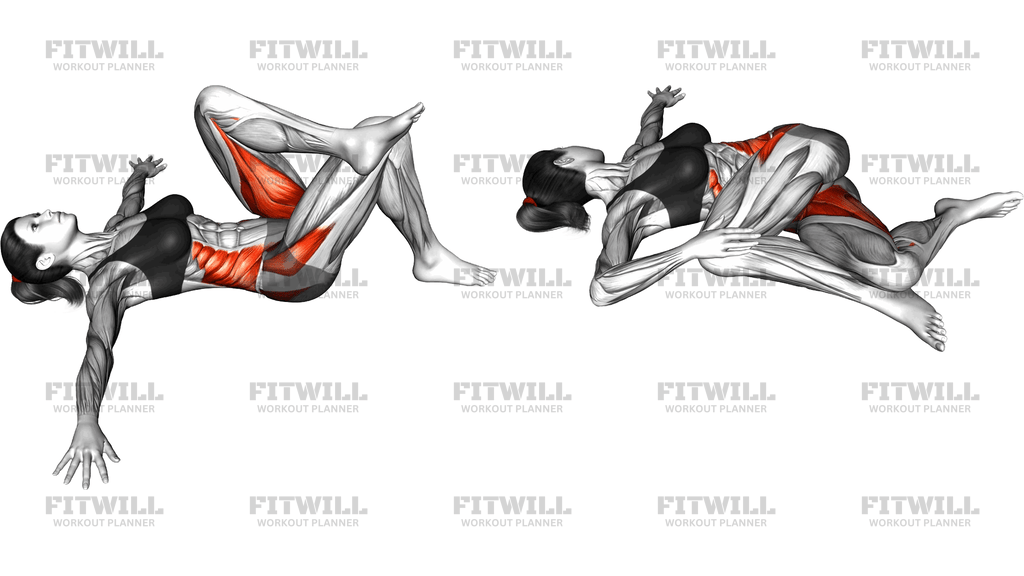
The Lying Leg Over Knee Hip Twist Stretch is a supine rotational stretch that combines a figure-4 hip position with a gentle spinal twist. You lie on your back, cross one ankle over the opposite thigh just above the knee, then let the whole leg stack rotate toward the floor while your shoulders and arms stay pinned down. The result is a deep stretch through the outside of the hip and glutes on the top leg, along with a controlled rotation through the lower spine and waist.
This stretch is especially useful for people who spend long hours sitting, since shortened hip rotators and a stiff lower back are two of the most common complaints in desk-bound bodies. Runners and cyclists also get a lot out of it, because the gluteus medius and tensor fasciae latae take a beating from repetitive stride mechanics. If your hips feel tight after squats or lunges, or your lower back feels compressed after heavy deadlifts, this position offers a way to decompress and lengthen without any equipment beyond a mat or the floor.
The crossed-ankle setup is what makes the stretch work. By resting one shin over the opposite thigh before you rotate, you lock the top leg into a figure-4 shape, which pre-positions the hip in external rotation. When the knees then fall to one side, the outside of the top hip gets stretched in a way a simple knee-drop twist cannot match. The outstretched arms act as anchors: they encourage the shoulders to stay heavy on the floor, so the rotation happens through the hips and mid-back rather than by collapsing the chest.
To execute it well, keep the movement slow and gravity-driven. You are not forcing the knees down; you are letting the weight of the legs create the rotation, then breathing into the end range. A common error is letting the bottom shoulder peel off the floor, which shortens the twist and reduces the hip stretch. Another is cranking the top knee down with your hand, which can overload the knee joint instead of lengthening the hip. Keep the pressure on the thigh or let the leg simply rest.
In practice, this stretch fits well at the end of a lower-body training day, in a mobility warm-up for activities that demand hip rotation like golf or tennis, or as an evening wind-down for a stiff back. Hold each side for 30 to 60 seconds, breathing steadily. You should feel a broad stretch across the outer hip and glute and a mild twist through the waist, never sharp pain in the knee, hip, or spine.
As with any rotational stretch, move into it gradually and stay within a comfortable range. If you have a history of disc problems or hip replacements, keep the rotation shallow and check with a qualified professional before adding deep twists to your routine.
[ Workout Log & Planner ]
Put your next workout in Fitwill
Keep your plan and training log ready when you are.


Instructions
- Lie on your back on an exercise mat with both knees bent and your feet flat on the floor, about hip-width apart.
- Place your right ankle on top of your left thigh, just above the left knee, so the right knee points out to the side in a figure-4 position.
- Extend both arms straight out to the sides at shoulder height, palms facing up, and press them lightly into the floor to anchor your shoulders.
- Brace gently through the abdominals to keep your ribcage and shoulders settled before you begin the rotation.
- Keeping the right ankle resting on the left thigh, slowly lower both legs to the left, letting the left knee and the stacked right leg rotate toward the floor.
- At the end position, your shoulders and upper back should stay flat on the mat while the stacked knees hover above or rest lightly on the floor, and the outside of the right hip feels a deep stretch.
- Breathe slowly and steadily, exhaling as you settle deeper into the twist and softening into the range with each breath rather than forcing it.
- Hold for 30 to 60 seconds, then engage your core to draw the legs back up to center, keeping the ankle crossed as you return.
- Uncross the ankle, reset both feet flat on the floor, and repeat the sequence on the opposite side.
Tips & Tricks
- If the stacked knees never reach the floor, that is fine. Placing a yoga block or folded towel under the top knee supports the leg and lets the outer hip release gradually instead of hanging in a strained position.
- The most common mistake is the bottom shoulder lifting off the mat as the legs rotate. If that happens, reduce how far the legs travel and keep the arm wide and heavy until the shoulder stays grounded through the full hold.
- Do not press down on the top knee with your hand. The stretch should come from the weight of the leg, and pushing directly on the knee transfers stress into the knee ligaments rather than the hip.
- Keep the crossed ankle resting on the thigh, not sliding toward the kneecap. If the ankle drifts over the knee joint itself, the knee is loaded in rotation and the hip stretch is lost.
- To bias the glute and outer hip even more, flex the crossed foot strongly and slightly push the top knee away from you while the legs stay rotated to the side.
- To emphasize the spinal twist and the waist more than the hip, allow the top hip to lift slightly while keeping both shoulders flat, focusing on the rotation through the mid-back.
- Avoid twisting so far that your lower back pinches on one side. The rotation should feel broad and even across the waist; back off a few degrees if you feel a sharp focal point.
- If lying flat bothers your lower back, tuck a small cushion under your hips or keep the bottom leg extended long instead of bent to reduce the lumbar curve.
- Do the stretch after training rather than before heavy lifting. Deep rotational stretching immediately before squats or deadlifts can temporarily reduce force output in the hips.
Frequently Asked Questions
What muscles does the Lying Leg Over Knee Hip Twist Stretch target?
The main stretch hits the glutes and deep hip rotators on the crossed leg, especially the outer hip near the gluteus medius. The rotation also lengthens the obliques and the muscles along the lower back on the opposite side.
Why does one ankle go over the opposite knee in this stretch?
Crossing the ankle above the opposite knee locks the top hip into a figure-4 position, which puts the outer hip and glutes under stretch before the twist even begins. When the legs rotate to one side, the top hip gets lengthened far more than in a plain knee-drop twist.
Can beginners do the Lying Leg Over Knee Hip Twist Stretch?
Yes, it is one of the safer rotational stretches because the floor supports your spine the entire time. Beginners should simply limit how far the legs rotate and use a block under the top knee if the stretch feels too intense.
Should my shoulders stay flat on the floor during the twist?
Ideally yes. The wide, anchored arms are there to keep the upper back heavy so the rotation comes from the hips and mid-back. If a shoulder lifts, the twist is too deep and you lose the targeted hip stretch.
How long should I hold each side?
Aim for 30 to 60 seconds per side, breathing slowly the whole time. If the hips are very tight, two shorter rounds of 20 to 30 seconds on the tighter side often works better than one long forced hold.
What if I feel the stretch in my knee instead of my hip?
Check that your ankle is resting on the thigh above the knee, not directly on the kneecap, and stop pressing on the top leg with your hand. If knee discomfort continues, keep the top knee less open or switch to a seated figure-4 stretch.
Can I substitute another stretch for the Lying Leg Over Knee Hip Twist Stretch?
A seated figure-4 stretch or the pigeon position covers the outer hip, but neither adds the same spinal rotation with the shoulders anchored to the floor. If lying down is not an option, the seated version is the closest alternative.
Is it safe to do this stretch every day?
For most people, yes, since it uses body weight and gravity with no external load. Keep the range comfortable, avoid bouncing, and ease off if the lower back or hips feel aggravated rather than stretched.
Should this stretch be done before or after a workout?
It works best after training or in a separate mobility session, because deep rotational stretching can temporarily reduce hip power output. Before a workout, shorter dynamic hip movements are a better warm-up choice.