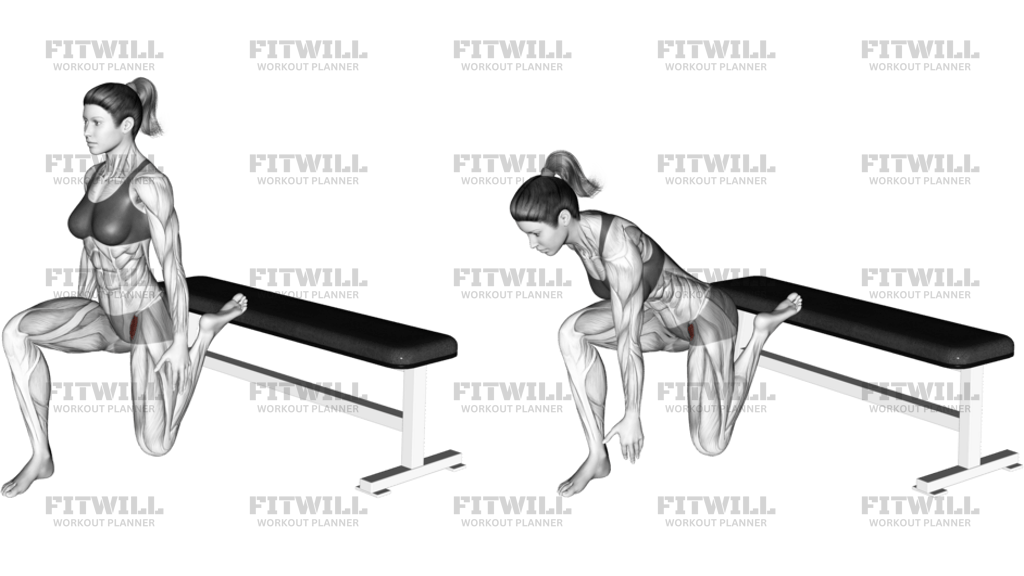
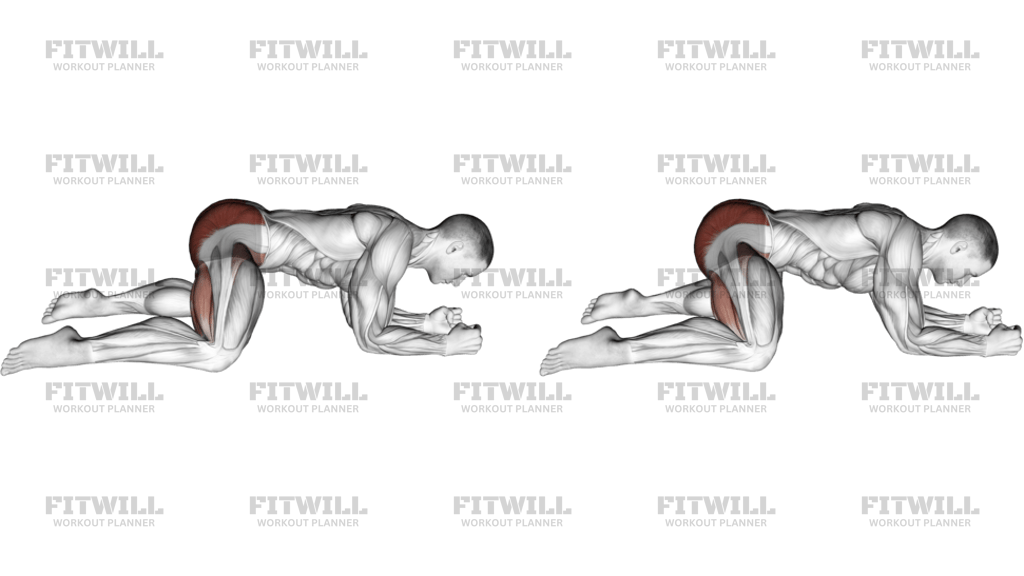
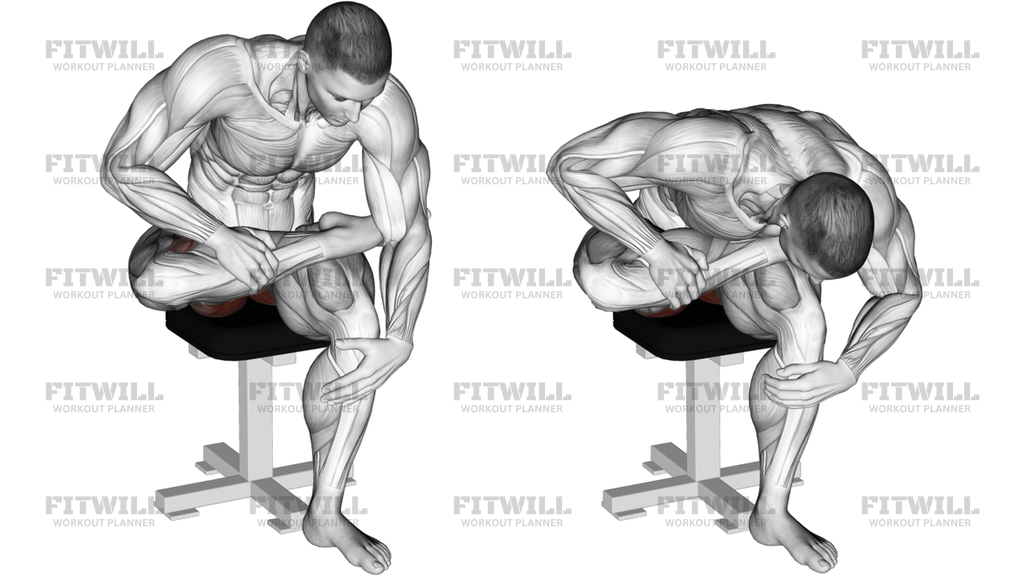
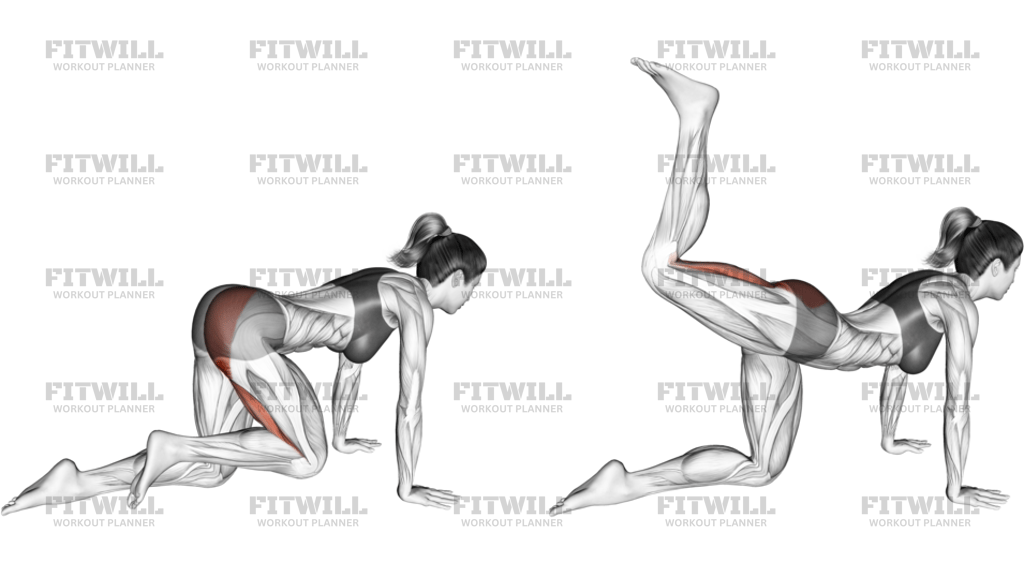
Pigeon Pose
Pigeon Pose is a classic hip-opening stretch that takes one leg into deep external rotation and flexion in front of the body while the other leg extends straight behind. The front hip gets a strong stretch through the glutes and the deep rotators of the outer hip, while the extended back leg lengthens the hip flexors and quads. It is one of the most direct ways to access the outer hip area that everyday positions like sitting and walking rarely reach.
This pose is especially useful for people who sit for long hours, runners and cyclists who accumulate tightness from repetitive hip extension, and lifters whose squat depth or deadlift setup is limited by hip mobility. Because both hips work in opposite directions at the same time, you get a front-and-back stretch in a single position, which is why it shows up so often in yoga sequences and post-workout cooldowns.
The setup matters more than anything else in Pigeon Pose. If the front shin is angled too far forward before the hips are ready, the knee takes stress it was never meant to absorb. The goal is to keep the front leg's weight supported and the hips reasonably square, letting the stretch live in the hip rather than the knee joint or the lower back.
To perform it well, come down from a hands-and-knees position, bring one shin forward, and set the front knee outside the same-side wrist with the lower leg angled comfortably across your midline. Slide the back leg straight behind you, let the back thigh and kneecap face the floor, and settle the hips down evenly. Stay tall through the chest with your hands on the mat for support, and only lower your forearms toward the floor if the hips allow it without straining.
Breath is your main tool here. Long, slow exhales signal the nervous system to release, and you will usually feel the outer hip soften over 60 to 90 seconds. Never force the pose deeper by collapsing into the knee or twisting the spine to fake extra range.
Practice Pigeon Pose after training or on its own as a mobility session rather than as a cold warm-up, and always do both sides. Expect one hip to feel dramatically different from the other; that asymmetry is normal and worth addressing patiently rather than muscling through.
[ Workout Log & Planner ]
Put your next workout in Fitwill
Keep your plan and training log ready when you are.


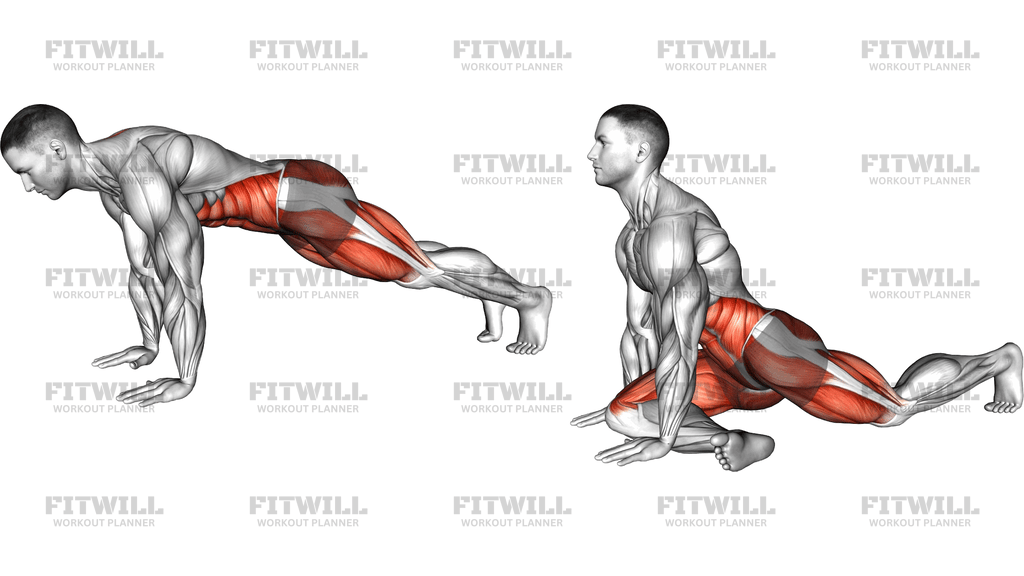
Instructions
- Start on all fours on an exercise mat, with your hands under your shoulders and knees under your hips.
- Bring your right knee forward toward your right wrist and let the right lower leg angle across your body so the right foot sits somewhere near your left hip.
- Slide your left leg straight back behind you, letting the top of the left thigh, kneecap, and foot rest on the mat.
- Check that your hips are level and roughly square to the front of the mat; nudge the right sit bone down toward the floor or place a folded towel or block under the right hip if it hovers.
- Place your palms flat on the mat beside your hips, press the floor away, and grow tall through the spine with your shoulders relaxed down.
- Sink your weight gradually into the front hip until you feel a steady stretch across the right glute and outer hip, keeping the front knee and ankle relaxed rather than loaded.
- Hold for 60 to 90 seconds, breathing slowly and deeply, and let each exhale allow the hip to settle a little further.
- To release, press into your hands, tuck the left toes under, and slide the right leg back to all fours, then switch sides and repeat on the left.
- For a deeper version, walk your hands forward and lower your forearms or forehead toward the mat, keeping the weight out of the front knee.
Tips & Tricks
- A hovering front hip is the most common problem in Pigeon Pose. Place a yoga block or folded blanket under the front sit bone instead of letting the pelvis tilt and the lower back twist to compensate.
- If you feel sharp sensations in the front knee, back the shin angle off so the front foot sits closer to the same-side hip. The stretch should live in the hip, not the knee.
- Do not let the back leg flop outward. Actively point the back kneecap and toes at the floor to keep the hip flexor stretch honest and protect the lower back.
- Keep a small amount of pressure through the palms for the first minute. Many people dump their weight into the front knee immediately, which blocks the hip from releasing.
- Rounding the upper back to reach the floor early defeats the purpose. Stay long through the spine; forward fold only as far as the hips allow without collapsing.
- Time the hold with your breath rather than counting fast. If you are gulping air or holding your breath, you are pushing harder than the tissue is ready for.
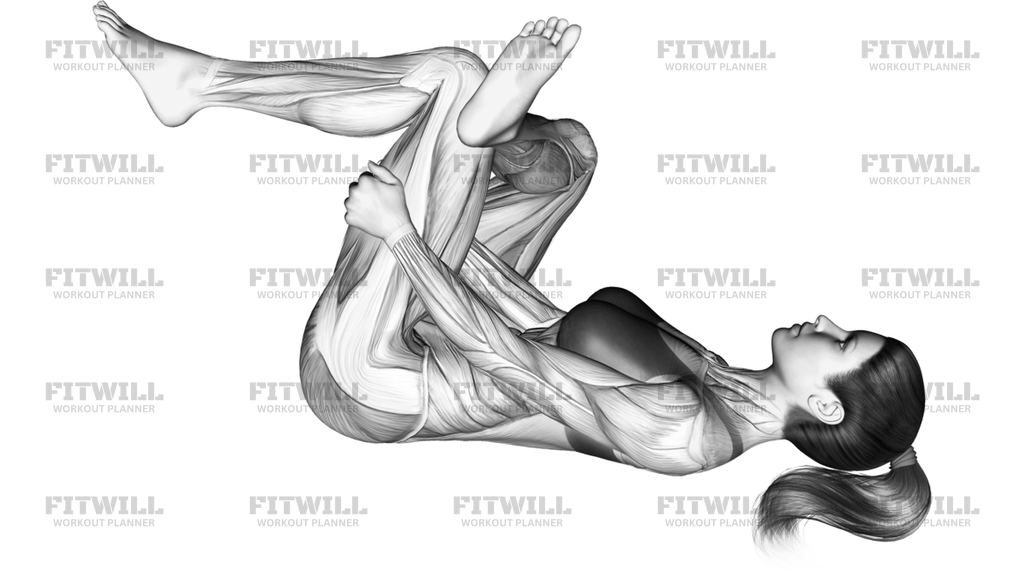
- If Pigeon Pose irritates the knees entirely, do a Figure-4 stretch on your back instead. It targets the same outer hip muscles with no knee loading.
- Do both sides even if the second side feels worse. Matching time on each hip matters more than matching depth.
- Save this pose for after training. Deep static stretching of the hips immediately before heavy squatting or sprinting can temporarily reduce force output.
Frequently Asked Questions
Which muscles does Pigeon Pose stretch?
The front leg position targets the glutes, especially the gluteus maximus and medius, along with the deep external rotators of the outer hip. The extended back leg stretches the hip flexors at the front of the rear thigh, including the iliopsoas and rectus femoris.
Why does my knee hurt in Pigeon Pose instead of my hip?
That usually means the front shin is angled too far forward for your current hip rotation. Slide the front foot back toward your same-side hip so the knee bends less sharply, and support the front hip on a block if needed.
How long should I hold Pigeon Pose?
Hold each side for 60 to 90 seconds, or roughly 8 to 12 slow breaths. Tight hips typically need at least a minute of steady exposure before the tissue starts to release.
Is Pigeon Pose safe for beginners?
Yes, with modifications. Beginners should keep the front shin at a shallow angle, use a block or folded blanket under the front hip, and stay upright on the hands rather than folding forward.
My hips are not level in Pigeon Pose. Is that a problem?
A tilted or hovering front hip is common and worth correcting. Place a yoga block or folded towel under the front sit bone so the pelvis can sit level and the lower back stays neutral.
What can I substitute if Pigeon Pose bothers my knees?
The Figure-4 stretch lying on your back works the same outer hip muscles with no pressure on the knee. A seated pigeon variation in a chair is another knee-friendly option.
Should I do Pigeon Pose before or after a workout?
It works best after training or as a standalone mobility session. Long static holds in the hips right before heavy squats or sprinting can temporarily reduce strength and power.
Why is one side so much tighter than the other in Pigeon Pose?
Most people have a dominant side from sport, posture, or habitual standing and sitting patterns. Hold the tighter side for the same duration as the looser side and let consistency close the gap over weeks.
How far forward should my front foot be in Pigeon Pose?
There is no single correct angle; the shin can sit anywhere from near parallel to the front of the mat down to roughly 45 degrees. Choose the angle that puts the stretch in the hip while the knee stays completely comfortable.