Seated Open Wings
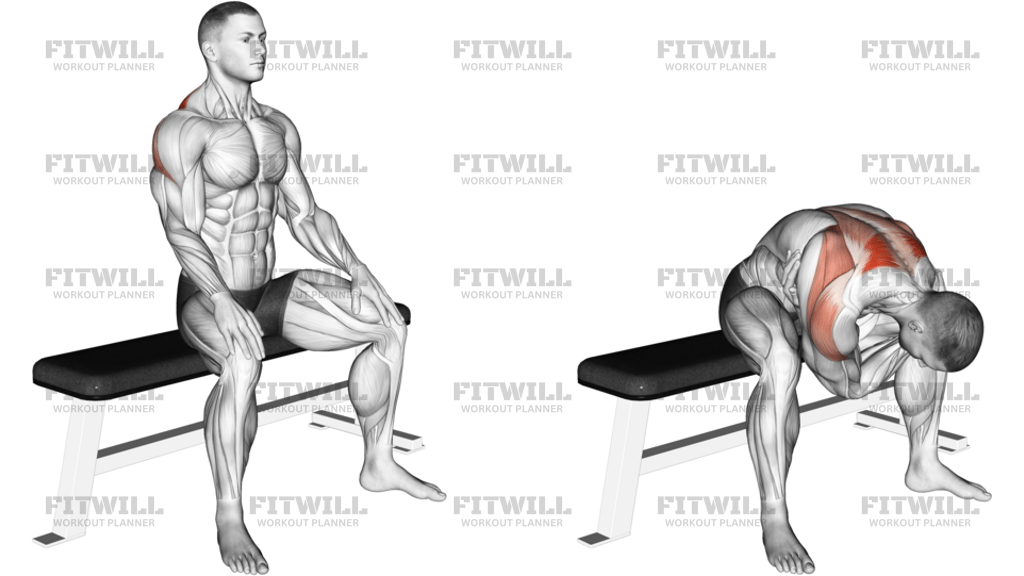
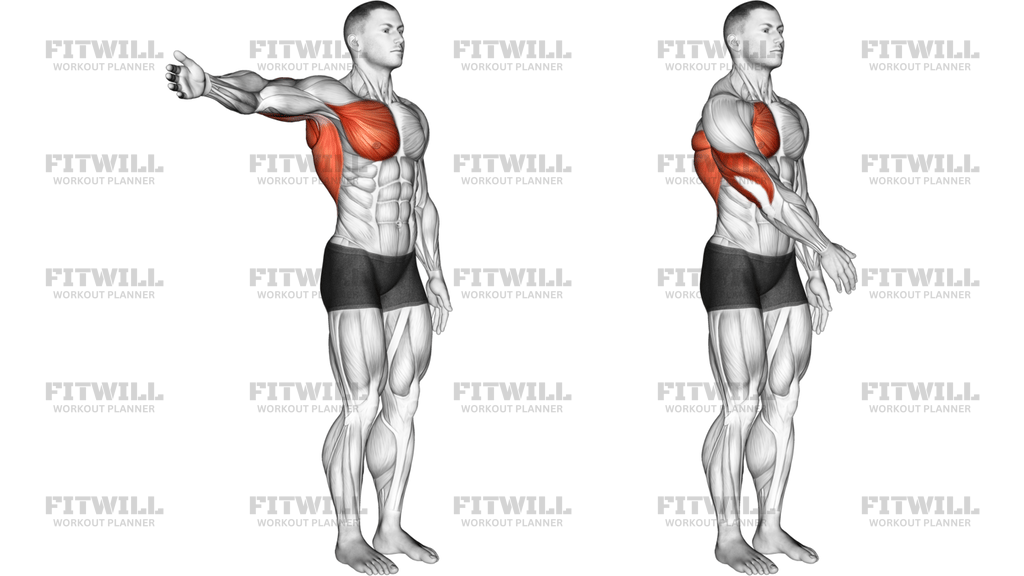
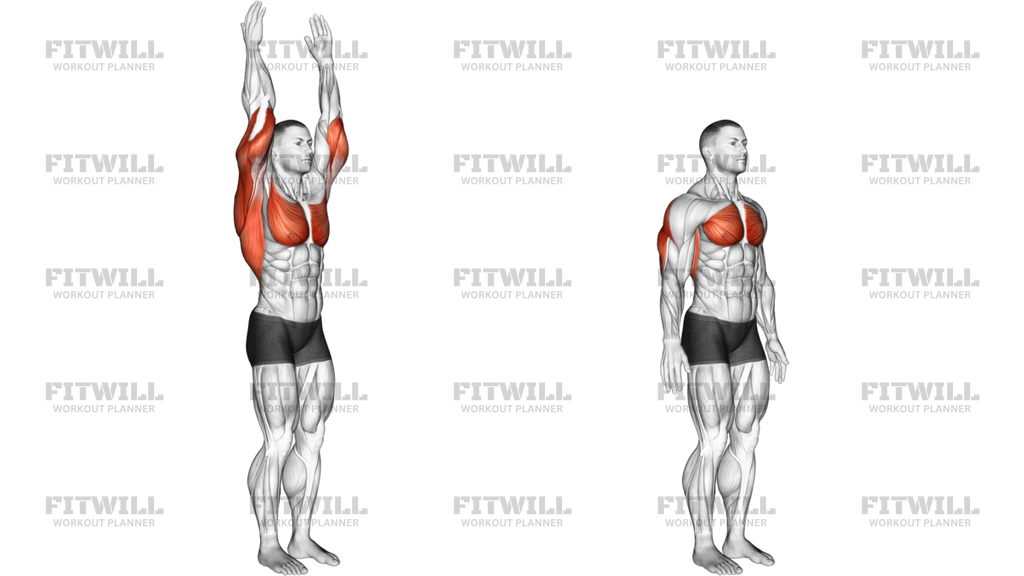
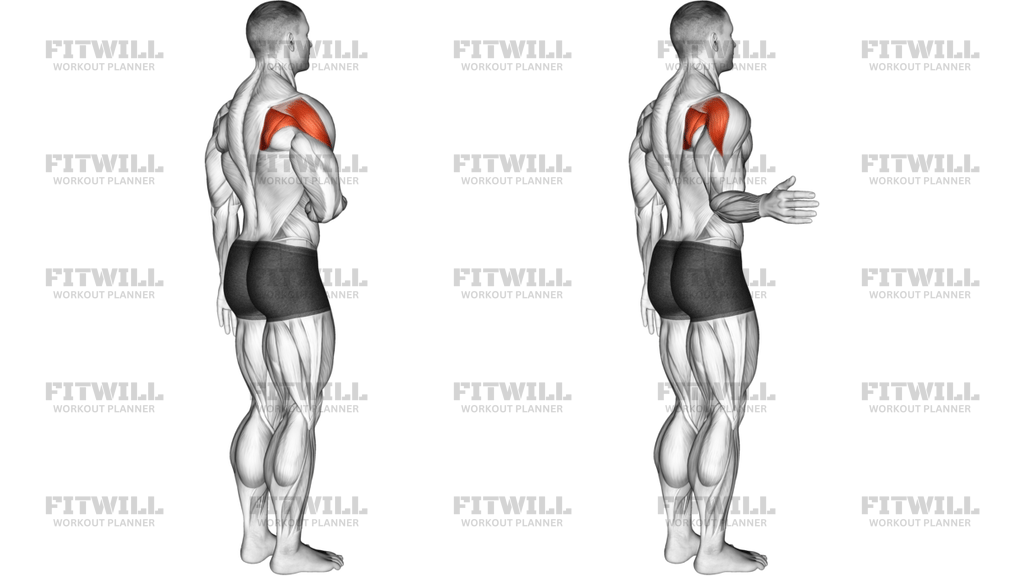
Seated Open Wings is a bodyweight upper-back and shoulder movement performed from a kneeling, seated position with your hands placed behind your lower back. From there, you draw your elbows back and toward each other, letting your chest lift and your shoulders open as your shoulder blades pull together. The motion resembles a pair of wings unfolding behind you, which is where the exercise gets its name.
The main work is done by the rhomboids and middle trapezius between the shoulder blades, with strong support from the rear delts and the rotator cuff muscles that stabilize the upper arm as the elbows travel backward. Because the hands are anchored behind the body, the movement also places a gentle stretch across the chest and the front of the shoulders while the upper back contracts. That combination makes it useful both as an activation drill and as a positional reset for people who spend long hours at a desk.
This exercise suits a wide range of trainees. Office workers with rounded shoulders, lifters who do a lot of pressing, and beginners who have never learned to move their shoulder blades independently will all get something out of it. It requires no equipment and very little space, so it works well as a warm-up before upper-body training, as a break between work blocks, or as part of a posture-focused routine.
The seated setup matters because it removes your legs and hips from the equation. With your weight settled and your torso upright, any movement you see at the shoulders has to come from the shoulder blades and upper arms, not from momentum or body lean. Kneeling with the hips down also encourages a tall spine, which makes it easier to feel the squeeze between the shoulder blades rather than compensating with the lower back.
To execute it well, keep the movement slow and deliberate. Lift the chest as the elbows travel back, keep the ribs from flaring, and pause briefly at the point of maximum squeeze. The range is short by design; this is not a big dramatic motion, and trying to force extra range usually just arches the lower back. A controlled tempo with a clear pause at the end position will do far more than fast repetitions.
The main safety point is to stay comfortable in the knee and lower-back positions. If kneeling bothers your knees or ankles, sit on a low cushion or perform the same arm action from a chair. Keep the neck relaxed and breathe steadily throughout, and stop if you feel any sharp sensation in the shoulder joints.
[ Workout Log & Planner ]
Put your next workout in Fitwill
Keep your plan and training log ready when you are.


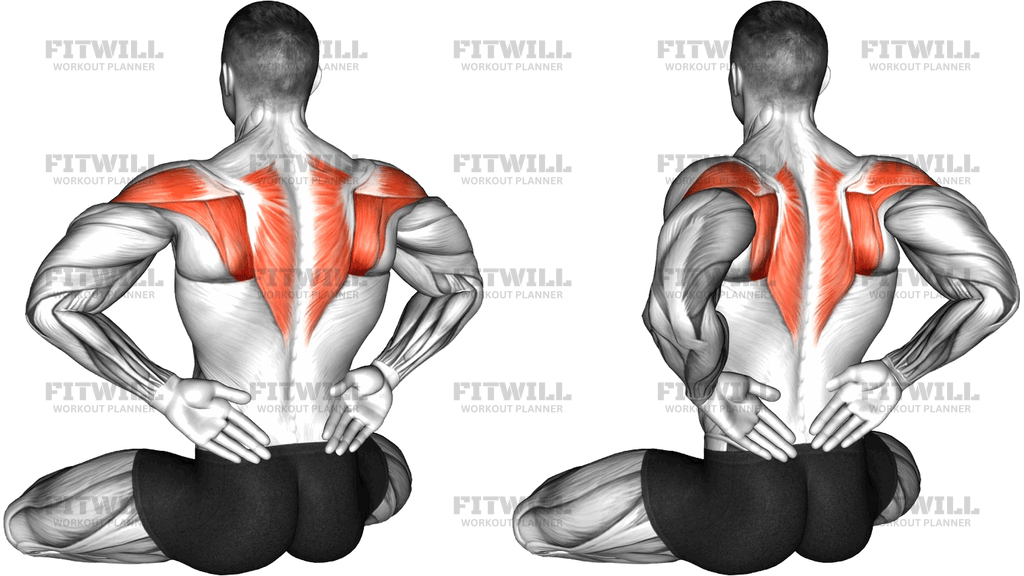
Instructions
- Kneel on the floor and sit your hips down between or onto your heels, resting your knees comfortably apart. Use a folded mat under your knees if the floor is hard.
- Reach both hands behind your lower back and rest them against it with the fingers pointing down or inward, letting your elbows point out to the sides.
- Sit tall and lengthen the back of your neck so your head stacks over your ribcage. Gently brace your core to keep your ribs from flaring forward.
- On an exhale, slowly draw both elbows back and slightly toward each other, feeling your shoulder blades slide together behind you.
- Continue until your chest lifts open and you feel a firm squeeze between the shoulder blades, keeping the hands in contact with your lower back.
- Pause for two to three seconds at the open position without arching your lower back or tipping your head back.
- Inhale and slowly release the elbows forward, letting the shoulder blades separate under control until your arms return to the starting position.
- Keep your breathing steady and unhurried throughout; exhale as the elbows open, inhale as they return.
- Reset your posture between repetitions, then repeat for the desired number of slow, controlled reps.
Tips & Tricks
- The most common mistake is arching the lower back to fake extra range. If your ribs flare and your belly pushes forward as the elbows go back, reduce the range and brace your core more firmly.
- Keep the hands pressed gently into the lower back the whole time. Letting the hands drift away turns the movement into loose arm swinging and the shoulder blades stop doing the work.
- Squeeze the shoulder blades toward the spine, not down toward the hips. Pulling down too aggressively shifts effort into the lats and away from the rhomboids.
- Do not force the elbows past a comfortable point. The rotator cuff works in a shortened position here, and pushing for maximum backward travel can irritate the shoulder.
- If kneeling is uncomfortable, sit cross-legged or on the edge of a sturdy chair. The arm action stays identical as long as your torso stays upright.
- Tuck the chin slightly instead of tipping the head back when the chest opens. The head should stay stacked over the ribs, not trail behind them.
- Slow the tempo down before adding reps. This is a small-range movement, and most people get more from five slow reps with a pause than from fifteen rushed ones.
- If you feel it mostly in the front of the shoulders and not between the shoulder blades, reduce the elbow travel slightly and focus on the squeeze rather than the stretch.
- Use it as a warm-up before pressing or pulling days. Waking up the scapular muscles first makes heavier rowing and pressing feel more stable.
Frequently Asked Questions
Which muscles does Seated Open Wings primarily work?
The rhomboids and middle trapezius between the shoulder blades do the main work, with the rear delts and rotator cuff stabilizing the arms. The chest and front shoulders receive a gentle stretch at the same time.
Is Seated Open Wings a strength exercise or a stretch?
It sits between the two. The upper back contracts isometrically and through a short range while the chest and front of the shoulders open up, so it works well as both an activation drill and a mobility reset.
Why are the hands placed behind the lower back instead of out to the sides?
Anchoring the hands behind the body locks the arms in place so the shoulder blades have to produce the movement. It also lets the chest open without the arms needing to reach or hold a position actively.
Can beginners do Seated Open Wings?
Yes, and it is actually a good first exercise for learning scapular control. Start with a short range, five to eight slow repetitions, and focus entirely on feeling the shoulder blades move.
My lower back arches when I pull my elbows back. How do I fix it?
Reduce the range until your ribs stay down, and gently brace your core before each rep. Most people who arch are chasing range their mid-back cannot yet produce.
What can I use instead if kneeling hurts my knees?
Sit cross-legged on the floor or on the edge of a chair and keep the same hand position and elbow path. The upper-back action is unchanged as long as your torso stays tall.
How many repetitions of Seated Open Wings should I do?
Eight to twelve slow repetitions with a two to three second pause at the open position works well as a warm-up. For a posture break during the day, two or three short sets are enough.
Is it normal to feel a stretch across the chest during this exercise?
Yes, a mild stretch across the chest and front shoulders is expected because the shoulders are drawn into extension. It should feel comfortable, never pinching or sharp at the front of the shoulder.
Can I do Seated Open Wings every day?
Yes, it is low-load and recovery demand is minimal. Daily use as a desk break or pre-training warm-up is common and reasonable for most people.