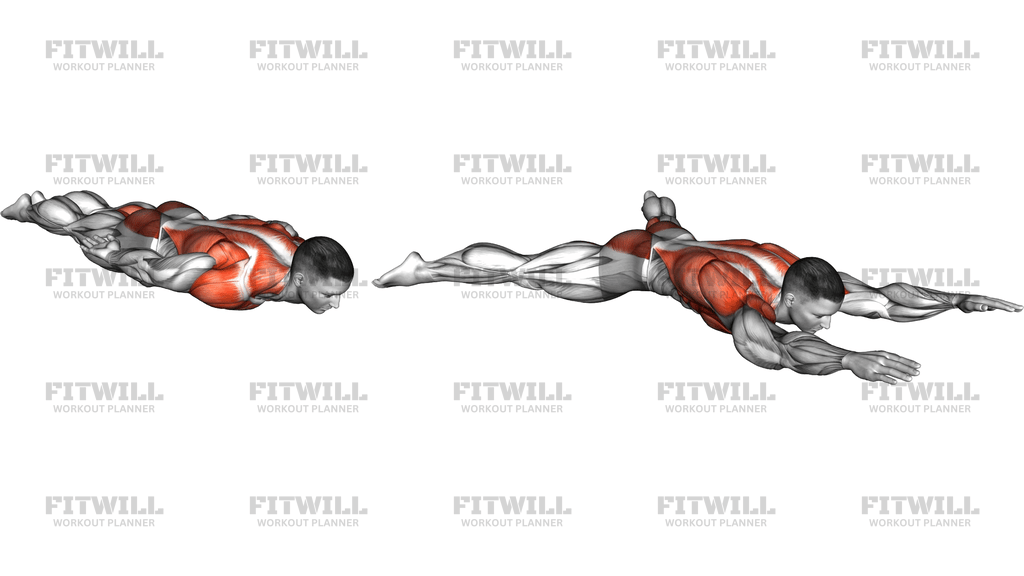
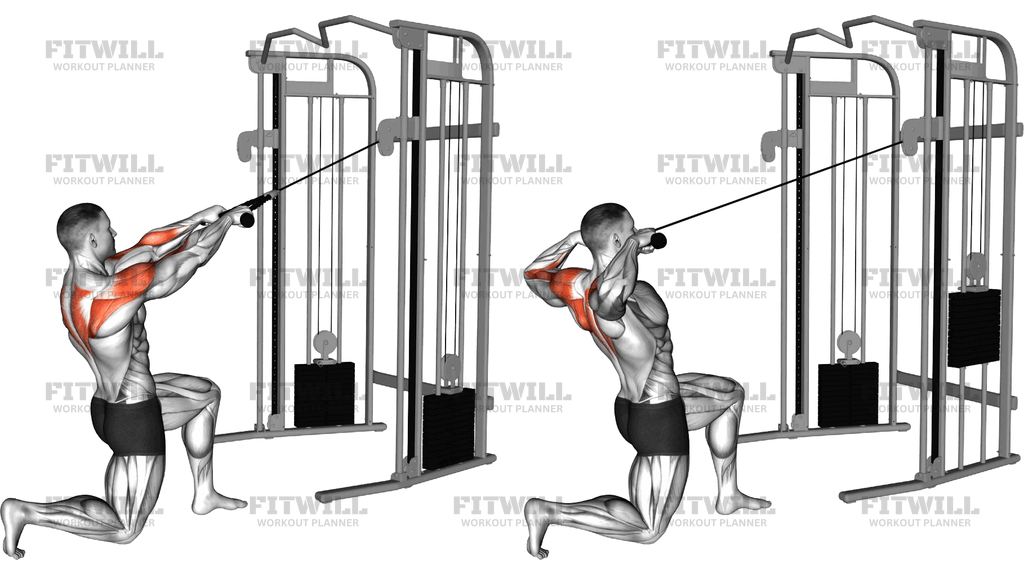
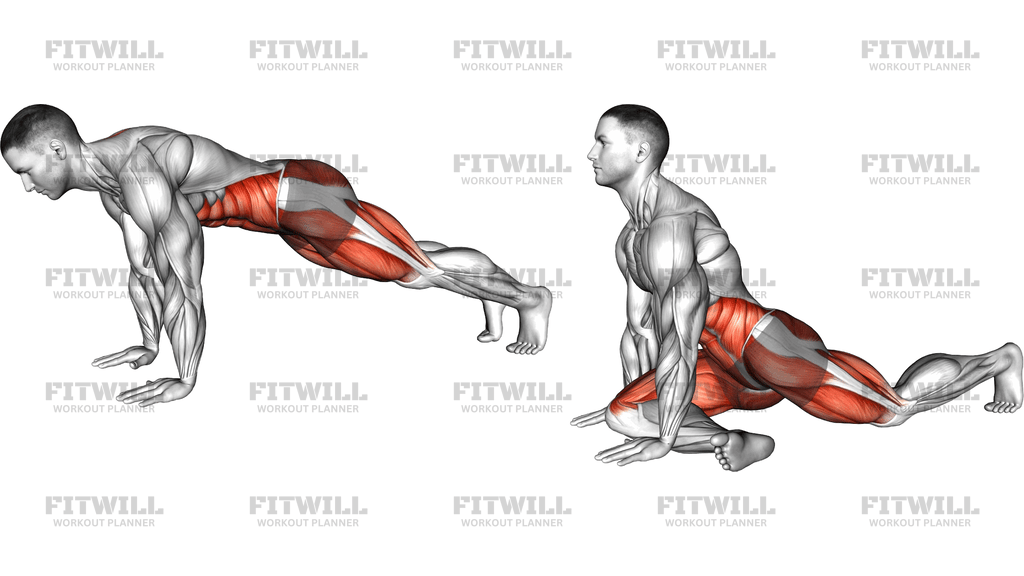
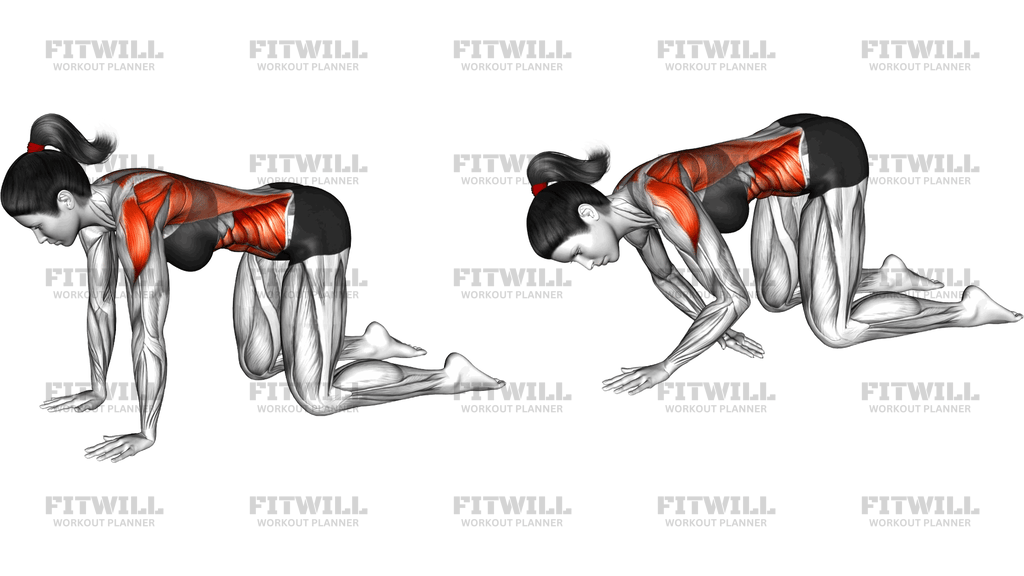
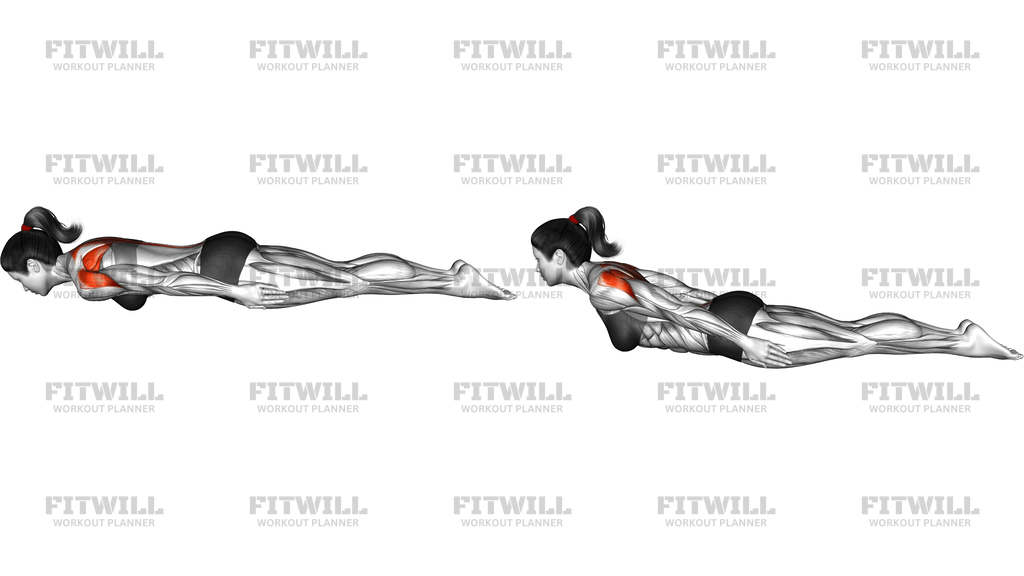
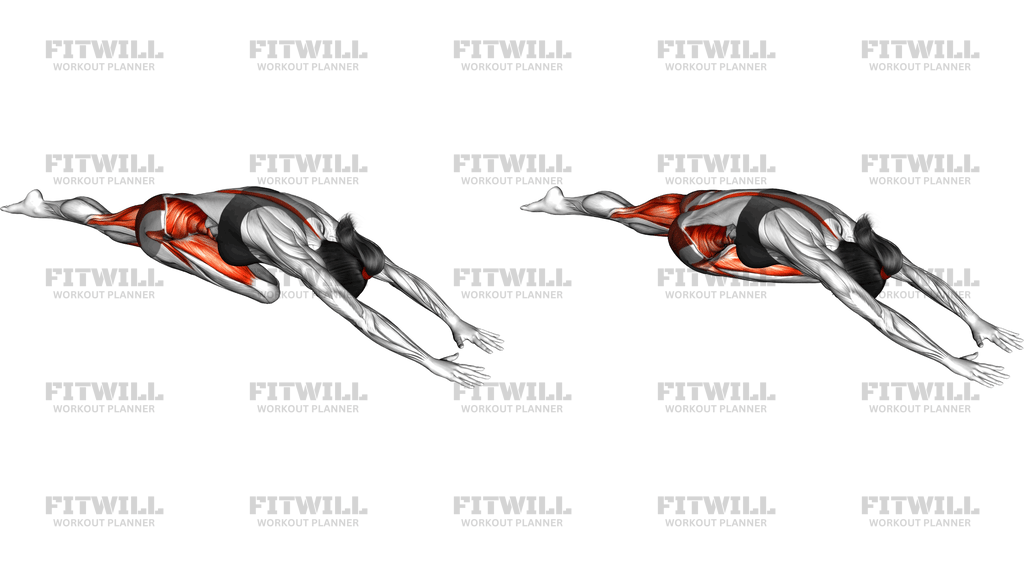
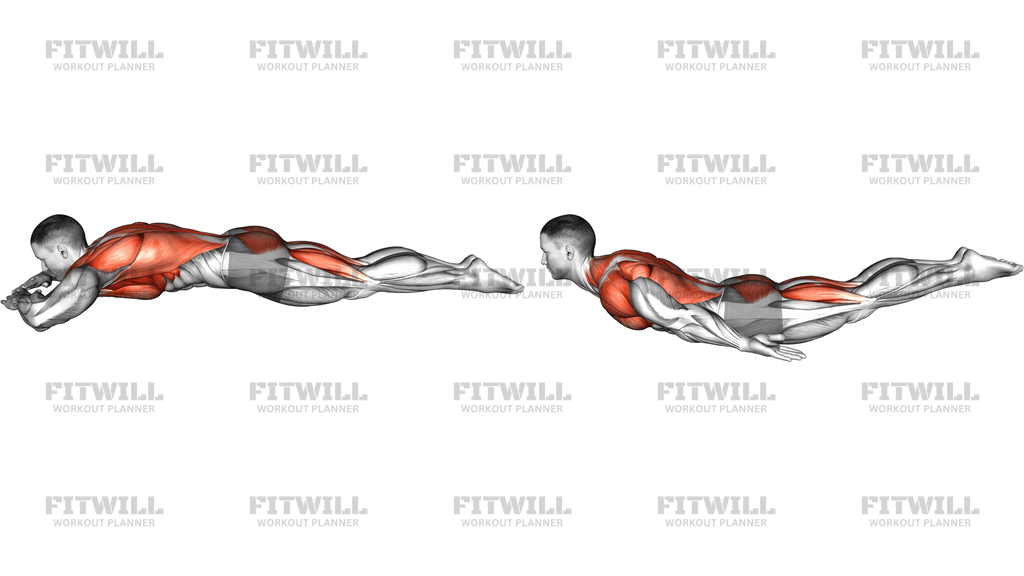
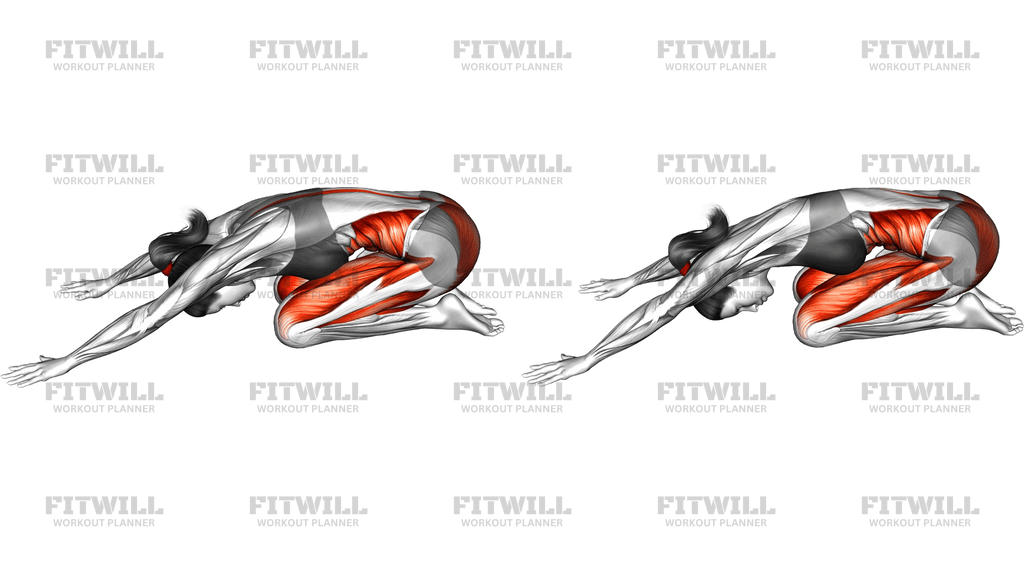
Lying Crossed Stacked Arms Stretch
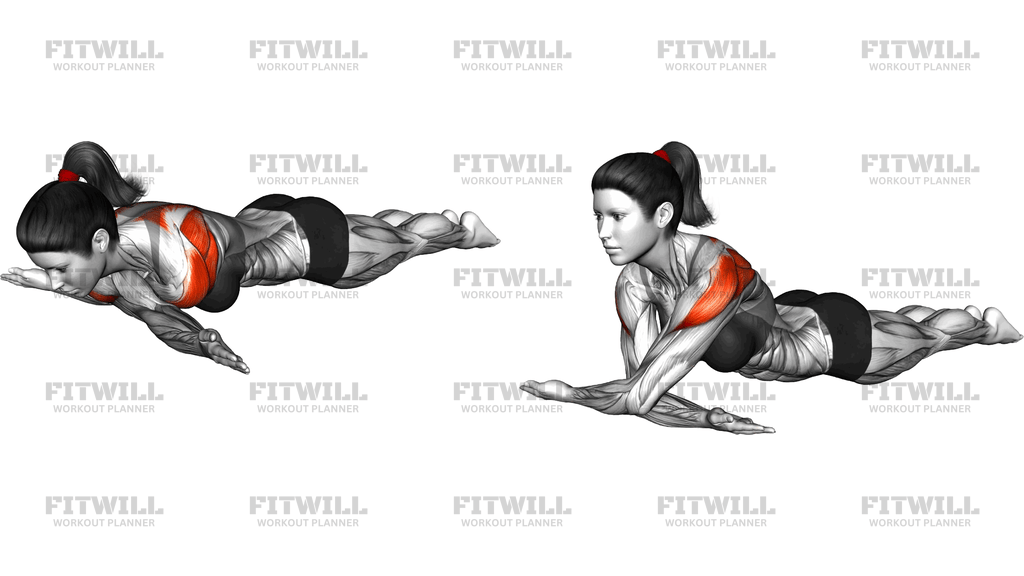
The Lying Crossed Stacked Arms Stretch is a prone shoulder mobility drill performed face down on the floor. You lie flat with your chest and torso resting on the mat, then cross one arm over the other in front of your body so the forearms stack on top of each other, palms facing down. The weight of your own upper body sinking toward the floor creates a steady, self-regulated stretch through the back of the shoulders and across the upper back.
This position is particularly useful for people whose shoulders live in a forward, internally rotated posture: desk workers, drivers, and anyone who spends long hours typing. It also suits lifters who press or bench heavily, since the loaded overhead and horizontal pressing patterns can leave the rear deltoids and upper back feeling short and stiff. Because you are lying down, there is no balance or loading demand, which makes the stretch easy to hold for longer periods.
The main area targeted is the posterior deltoid, with supporting tension running through the rhomboids, mid traps, and the deeper rotator cuff muscles that stabilize the shoulder blade. As the crossed arms press into the floor and the chest settles downward, the shoulder blades are gently protracted and separated, which is exactly the range that tends to tighten up with pressing work and poor sitting habits.
Setup matters more than force here. Keeping the stacked forearms level and the chest square to the floor determines whether the stretch lands in the shoulder capsule or just becomes a vague chest and arm sensation. If one shoulder hikes toward the ear or the torso twists, the line of pull is lost, so patience with positioning pays off more than pushing depth.
To execute it well, lower down slowly, let gravity do the work, and breathe steadily while the shoulders release. A mild, comfortable stretch is the goal; sharp pain, tingling, or pinching at the front of the shoulder means you should ease off immediately. Most people do well with 20 to 45 second holds, repeated two to three times per side, switching which arm is on top so both shoulders receive equal attention.
You will see this stretch used as a warm-up primer before upper body training, as a cooldown after pressing sessions, and as a standalone reset during long workdays. It requires nothing but floor space, so it travels well and slots easily into nearly any routine.
[ Workout Log & Planner ]
Put your next workout in Fitwill
Keep your plan and training log ready when you are.


Instructions
- Place an exercise mat on the floor and lie face down with your legs extended straight behind you and the tops of your feet resting on the mat.
- Extend both arms forward at shoulder height, palms facing down, so your upper arms line up roughly with your ears-width apart.
- Cross one arm over the other in front of your chest and stack the forearms on top of each other, keeping both palms turned toward the floor.
- Rest your forehead lightly on or just above the stacked forearms, or turn your head to one side if that feels more comfortable on your neck.
- Let your chest and torso sink toward the floor while the stacked arms stay in place, feeling the stretch gather across the backs of both shoulders.
- Keep your shoulders relaxed and away from your ears; avoid shrugging or driving the arms down aggressively.
- Breathe slowly and deeply through your nose, allowing the exhale to soften the shoulders a little further with each breath.
- Hold the position for 20 to 45 seconds, then slowly uncross the arms, switch which arm is on top, and repeat the hold.
- To finish, bring the arms back to your sides, press up to your hands and knees, and sit back briefly before moving on.
Tips & Tricks
- If the stretch feels one-sided, remember the bottom arm usually feels it more; always perform a second hold with the arms crossed the other way.
- A common mistake is pushing the stacked forearms hard into the floor to force depth. Let your torso weight create the stretch instead of muscular effort.
- If your shoulders cannot reach the floor with the arms fully crossed, place a folded towel under the forearms and lower the support gradually over weeks.
- Watch for the chest rotating open toward the top arm. Keep both shoulders squared to the floor so the stretch stays in the rear delts rather than twisting the spine.
- Tingling or numbness in the hands means the crossed position is compressing nerves; widen the cross slightly or reduce the hold time rather than pushing through it.
- Keep the neck long by resting the forehead down instead of lifting the head to look forward, which strains the neck and steals tension from the shoulders.
- This stretch pairs well after bench pressing, overhead pressing, or pull-ups, when the rear shoulders and upper back are warm and respond quickly.
- If your lower back arches uncomfortably in the prone position, squeeze the glutes lightly or place a thin pillow under the hips to flatten things out.
Frequently Asked Questions
Which muscles does the Lying Crossed Stacked Arms Stretch target?
The primary target is the posterior deltoid at the back of the shoulder, with supporting stretch through the rhomboids, mid traps, and rotator cuff muscles. Because the arms are crossed in front while you lie face down, the shoulder blades are gently separated, which is where much of the sensation comes from.
Why should the arms be crossed and stacked instead of simply reaching forward?
Crossing the forearms and stacking them shifts the stretch across the midline, pulling on both rear shoulders at once and protracting the shoulder blades. A straight reach forward mainly lengthens the lats and chest, so it does not isolate the back of the shoulders the same way.
Is the Lying Crossed Stacked Arms Stretch suitable for beginners?
Yes. The floor supports your whole body, there is no equipment or balance requirement, and the intensity is controlled entirely by how much weight you let sink into the position. Beginners should simply start with shorter holds and a shallower cross.
How long should I hold the stretch?
Twenty to forty-five seconds per side works well for most people, repeated two to three times. For a cooldown after pressing workouts, longer relaxed holds of up to a minute are fine as long as the sensation stays mild.
What should I do if I feel pinching at the front of my shoulder?
Ease out of the position slowly and reduce how far the arms are crossed. Pinching at the front of the shoulder suggests the joint is being driven to end range, so backing off the depth usually resolves it.
Can I do this stretch without a mat?
You can perform it on carpet or another padded surface, but a mat makes the prone position more comfortable on the ribs and hips. Hard floors are not ideal because you will tense up against the discomfort instead of relaxing into the stretch.
Should I switch which arm is on top during the Lying Crossed Stacked Arms Stretch?
Yes, always. The bottom shoulder typically receives more stretch, so performing one hold with the right arm crossed over and another with the left on top keeps both sides even.
Is this a good warm-up before bench pressing or overhead pressing?
It works well as a short mobility primer because it opens the rear shoulder and upper back, which balances the positions pressing demands. Keep warm-up holds brief, around 15 to 20 seconds, and save the longer holds for after training.
Who should be cautious with this stretch?
Anyone with a recent shoulder injury, dislocation history, or nerve symptoms in the arms should keep the range very shallow or check with a qualified professional first. Pain, tingling, or numbness at any point is a signal to stop rather than push through.