Back Squeeze Knee Lift
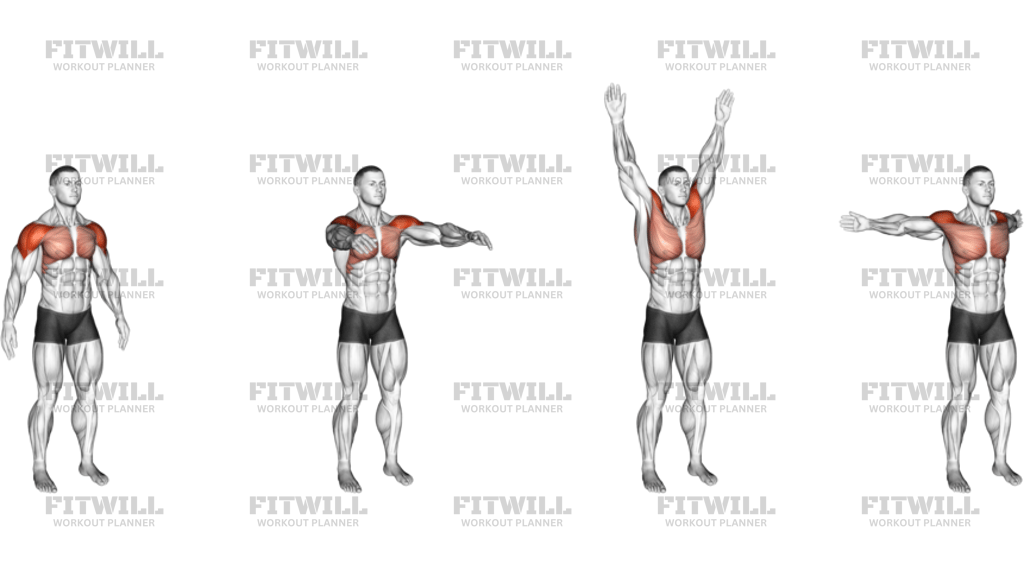
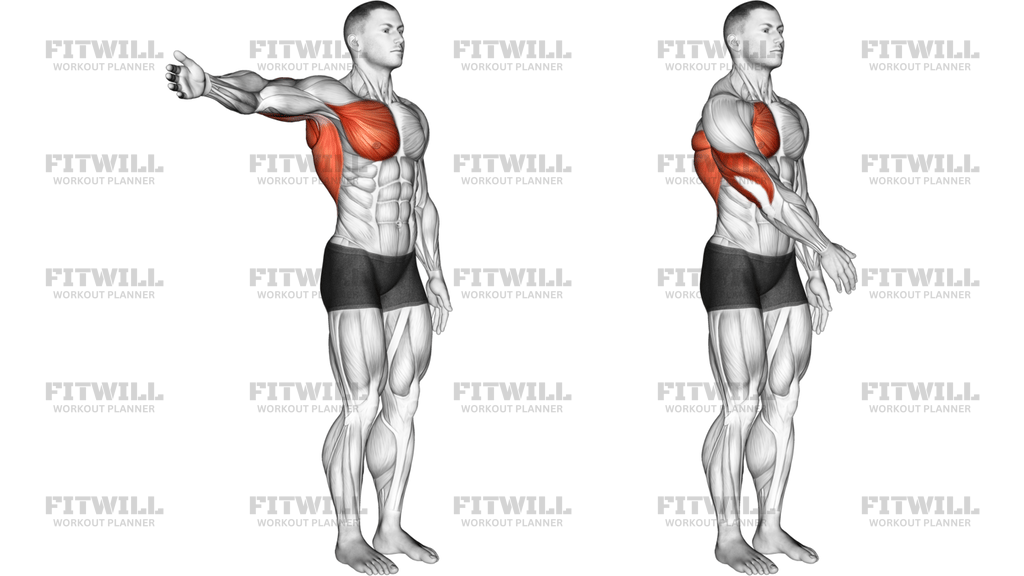
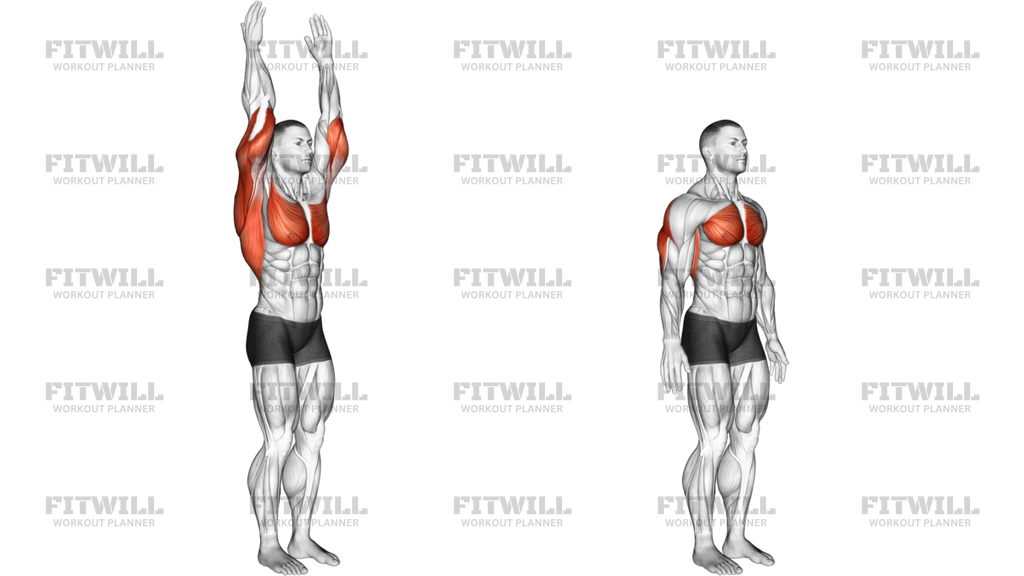
The Back Squeeze Knee Lift is a standing body weight exercise that combines a shoulder blade squeeze with a single-leg knee raise. You balance on one leg while the opposite knee stays lifted, and your arms travel from a wide, open position at shoulder height to a closed position with your fists together in front of your chest. That opening and closing of the arms is what drives the squeeze through your upper back, while the held knee lift forces your hips and core to work overtime to keep you steady.
This movement is especially useful for people who spend long hours sitting, because the wide-arm position reverses the rounded, hunched posture that desks tend to create. Office workers, beginners building foundational strength, and anyone doing home workouts without equipment can all benefit. It also suits older adults who want to train upper back strength and single-leg balance at the same time, since both qualities tend to decline together with age.
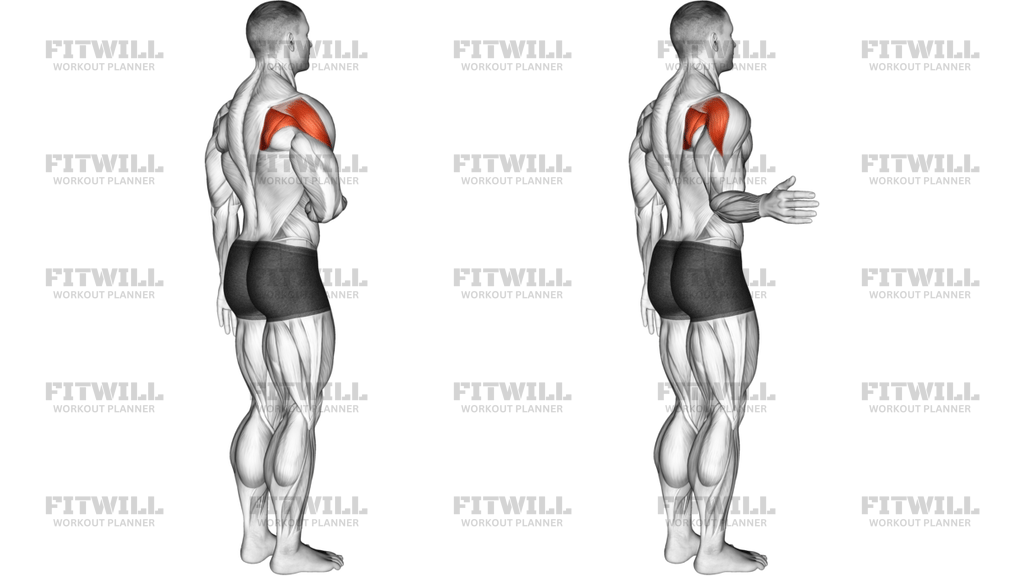
The main muscles working are the rhomboids and mid traps, which pull your shoulder blades together as your arms open wide. The rear delts assist that motion, your hip flexors hold the lifted knee up, and the standing leg's glutes and calf keep you balanced. Your deep core works continuously to stop your torso from swaying as your arms move.
Setup matters more than it looks. Because you are on one leg with a knee raised, a sloppy stance turns the exercise into a wobbling contest instead of a back exercise. Stand tall with soft knees, brace your abs before you lift the knee, and keep the raised knee at roughly hip height throughout. If you cannot hold the knee up without leaning, lower it slightly rather than tilting your torso backward.
To execute well, think of two things happening at once: your arms sweep open and close with intent, and your torso stays quiet and tall. Open your arms until they are level with your shoulders, feel the squeeze between your shoulder blades for a beat, then bring your fists together in front of your chest without shrugging. The return should be just as controlled as the squeeze — no dropping the arms or letting the knee sink.
A common use case is as a warm-up activation drill before rows or pull-ups, or as a standalone move in a low-equipment routine. Complete all repetitions on one side before switching legs, or alternate legs each rep if balance allows. If single-leg stance is too challenging at first, rest the toes of the lifted leg lightly on the floor between reps while you build control.
[ Workout Log & Planner ]
Put your next workout in Fitwill
Keep your plan and training log ready when you are.


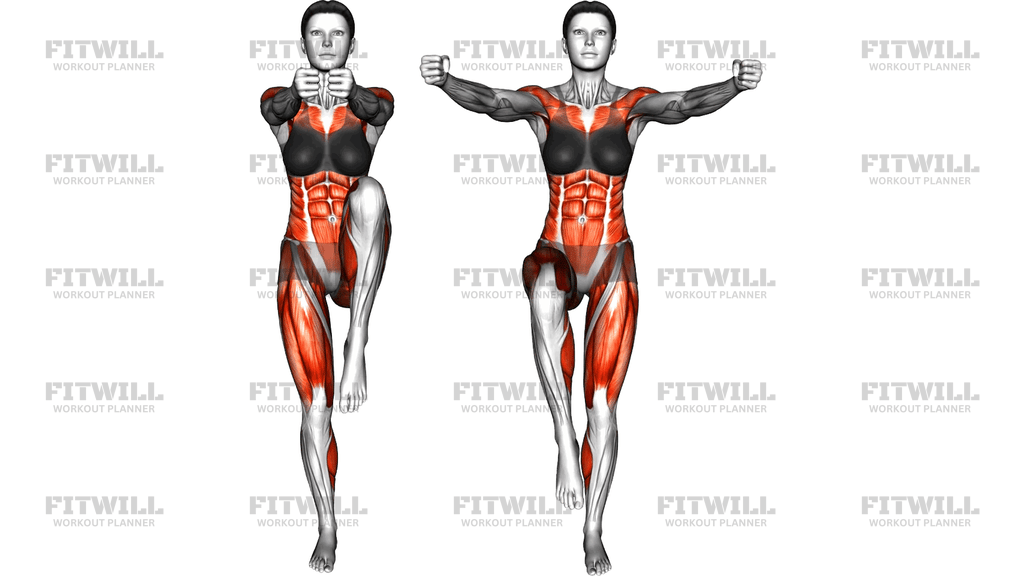
Instructions
- Stand tall with your feet hip-width apart, arms relaxed at your sides, and weight spread evenly across one foot as you prepare to shift onto that leg.
- Brace your abs, then shift your weight fully onto your left leg and lift your right knee up to about hip height so your thigh is roughly parallel to the floor.
- Bring both arms up in front of your chest with elbows bent and fists close together, keeping your shoulders down away from your ears.
- Open your arms out wide to the sides at shoulder height, sweeping them back until you feel a strong squeeze between your shoulder blades.
- Pause for one to two seconds in the wide position with your chest open, fists at or slightly above shoulder level, and the knee still lifted.
- Slowly bring your fists back together in front of your chest, keeping the elbow bend and avoiding any shrug as your arms close.
- Keep breathing steadily throughout — inhale as the arms open, exhale as they close — and keep your torso upright without leaning back.
- Complete all repetitions on this leg, then lower the knee, reset your stance, and switch to standing on the right leg with the left knee lifted.
- If you lose balance, place the toes of the lifted foot lightly on the floor, re-brace, and continue rather than pushing through a wobble.
Tips & Tricks
- The most common mistake is shrugging the shoulders toward the ears as the arms open — keep your shoulders actively pressed down so the squeeze comes from your mid back, not your neck.
- If your torso starts tilting backward as the knee lifts, the hip flexors are struggling or the core has gone quiet; lift the knee slightly lower and re-brace your abs.
- Do not rush the arm opening. The pause in the wide position is where the rhomboids and mid traps actually work — a fast sweep turns it into empty swinging.
- Keep the standing knee soft rather than locked. A locked knee makes balance harder and shifts stress into the joint instead of the glutes.
- Your fists should reach roughly shoulder height in the wide position. If they drift below it, the range shortens and the upper back loses tension.
- Look at a fixed point a few feet ahead of you to steady your balance; letting your eyes wander is a frequent cause of wobble in single-leg stances.
- Spread your toes and press through the whole foot of the standing leg — gripping only with the heel or the ball of the foot makes the balance demand spike.
- If your lower back arches when you open your chest, you are substituting lumbar extension for real shoulder blade retraction; keep your ribs stacked over your pelvis instead.
Frequently Asked Questions
Which muscles does the Back Squeeze Knee Lift work the most?
The primary muscles are the rhomboids and mid traps, which pull your shoulder blades together as the arms open wide. The rear delts assist, while the hip flexors hold the knee up and the glutes and core stabilize you on one leg.
Is the Back Squeeze Knee Lift suitable for beginners?
Yes, it is a low-load body weight movement that beginners can handle. If balancing on one leg with the knee held at hip height feels too hard, keep the toes of the lifted foot near the floor between repetitions until your balance improves.
Why does my knee drop during the arm sweep in the Back Squeeze Knee Lift?
The knee usually sinks when the hip flexors fatigue or when attention shifts entirely to the arms. Consciously keep the thigh at hip height, and if it keeps dropping, finish your set and build up endurance gradually.
Can I do the Back Squeeze Knee Lift without any equipment?
Yes, the exercise requires no equipment at all — just floor space to stand on one leg. You can hold light dumbbells or water bottles later for extra challenge, but they are not needed to feel the upper back working.
How many repetitions should I do per side?
Start with 8 to 12 arm cycles per leg, focusing on the pause in the wide position. Because balance is part of the demand, quality reps matter more than hitting a high number.
What is the difference between the Back Squeeze Knee Lift and a standing rear delt fly?
A rear delt fly is usually done bent over with weights and no leg component, while this exercise is performed upright on one leg with a held knee lift. That standing position adds balance, hip, and core work on top of the upper back squeeze.
Can the Back Squeeze Knee Lift help with rounded shoulders from desk work?
It can be a useful part of that effort because the wide-arm position trains shoulder blade retraction, the opposite of a hunched posture. Pair it with regular breaks from sitting rather than expecting one exercise to fix everything.
Should I alternate legs each rep or finish one side first?
Either works, but finishing all repetitions on one leg before switching makes it easier to notice and correct side-to-side differences in balance and strength.
Is it safe for my knees and lower back?
For most healthy people, yes, as long as the standing knee stays soft and you avoid arching your lower back when opening the chest. If you have a recent knee, hip, or back injury or significant balance issues, check with a professional before adding single-leg work.