Cable Lying Shrug
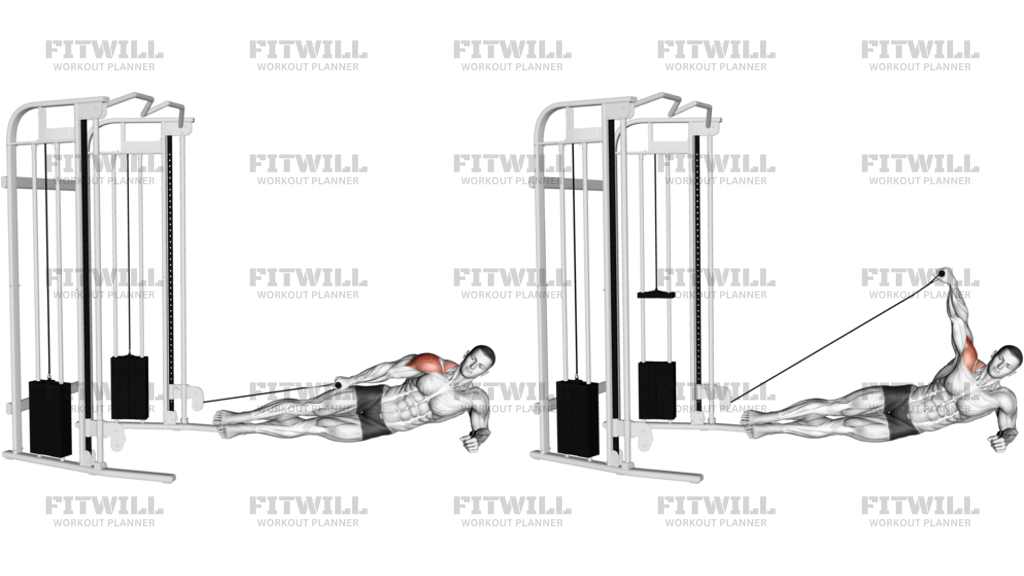
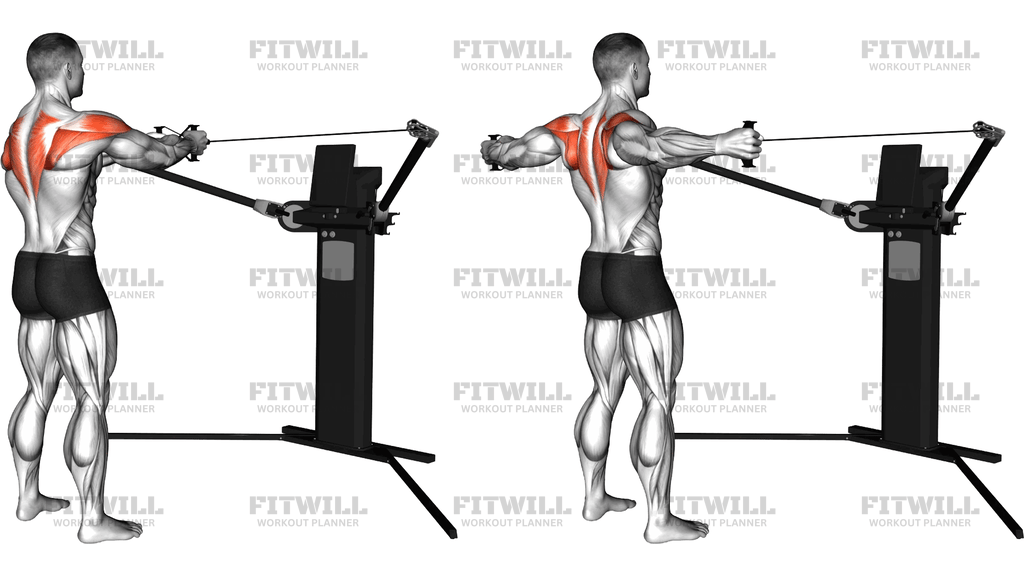
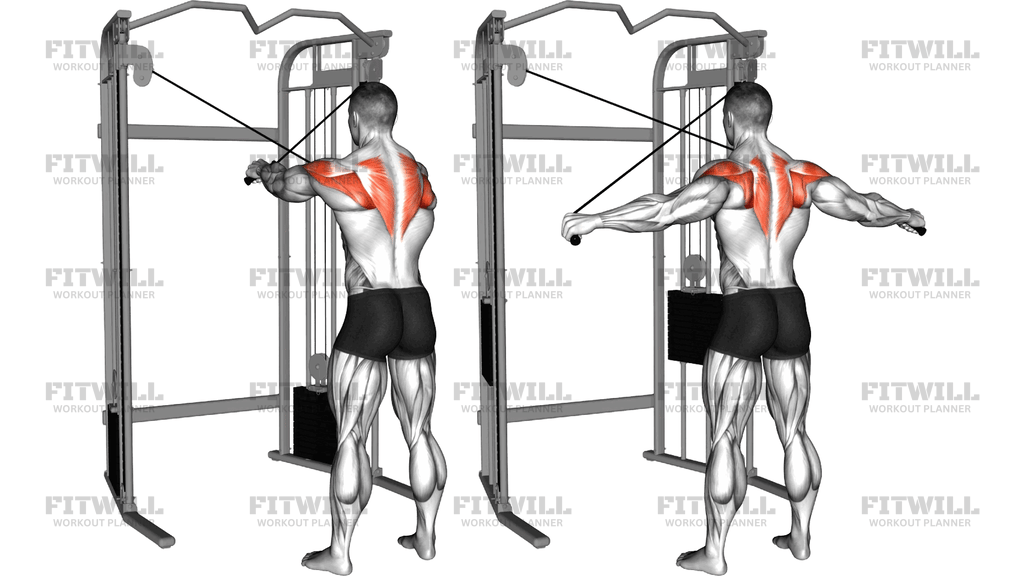
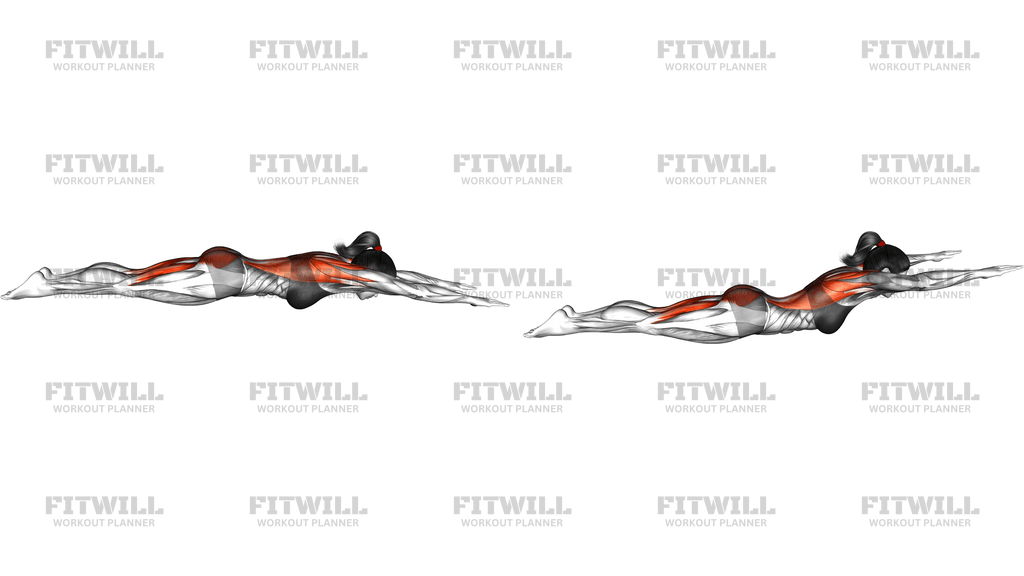
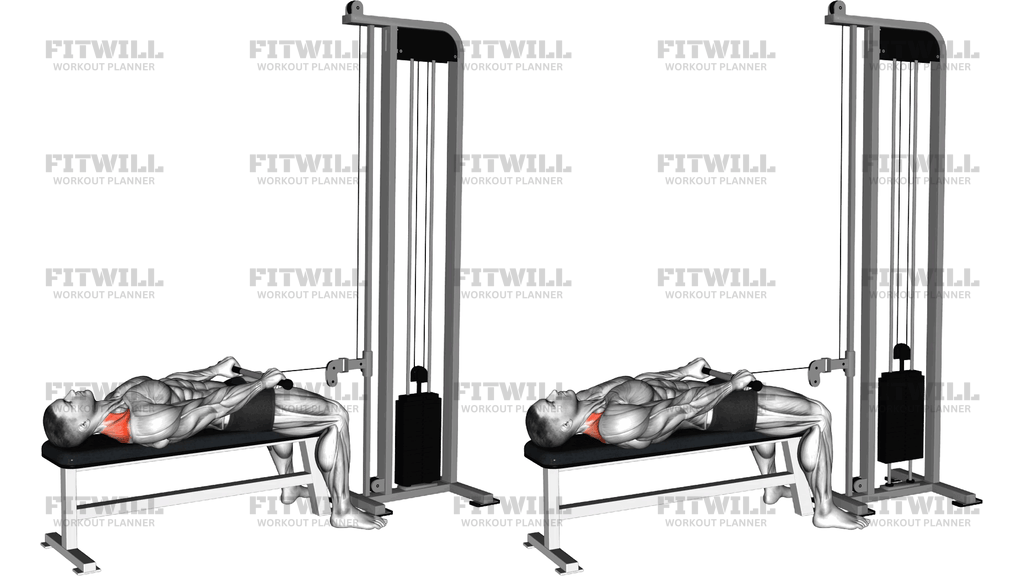
The Cable Lying Shrug is a shrug variation performed face-up on a flat bench with a straight bar attached to the low pulley of a cable machine. Instead of standing and fighting gravity with a barbell or dumbbells, you lie back with the cable running over your legs and shrug your shoulders straight up toward your ears against the horizontal pull of the stack. The upper trapezius is the highlighted working muscle, with the middle traps and levator scapulae assisting as the shoulder blades elevate.
This setup is especially useful for people who find standing shrugs uncomfortable. With your body supported by the bench, your lower back is unloaded, your spine stays neutral, and there is no temptation to lean back or use momentum from the hips. The cable also provides smooth, even tension from start to finish, which makes the top squeeze easier to feel than with free weights, where the resistance direction changes as you shift position.
Execution is simple but narrow in range. You lie on the bench with the bar held over your thighs, arms relaxed and fully extended, then elevate your shoulders as high as they will go without bending the elbows or lifting your head. The cable pulls toward the machine, so the shrug has to come purely from the shoulder girdle. At the top you pause briefly, then lower the shoulders back down in a slow, controlled return until you feel a mild stretch at the bottom.
Common use cases include trap-focused accessory work after pulls or presses, hypertrophy blocks where higher reps and constant tension are the goal, and rehabilitation-style or return-to-training settings where supported positions are preferred. Because the load travels horizontally rather than straight down, the weight you can handle will usually be lower than a standing shrug, and that is fine — the point is clean shoulder elevation, not total load.
Form-wise, the main things to watch are keeping the arms passive, keeping the head resting on the bench, and avoiding rolling the shoulders backward or forward. The bar should slide over your thighs as your shoulders rise, and your feet should stay planted for stability. If you feel the movement in your biceps or neck rather than the top of your shoulders, the weight is likely too heavy or the range too forced.
[ Workout Log & Planner ]
Put your next workout in Fitwill
Keep your plan and training log ready when you are.


Instructions
- Place a flat bench lengthwise in front of a cable machine's low pulley and attach a straight bar to the pulley.
- Sit on the bench, grip the bar with an overhand grip about shoulder-width apart, then lie back until your head and upper back are fully supported and your feet are flat on the floor.
- Let your arms hang straight down toward the pulley with the bar resting over your thighs, elbows locked out, and take the slack out of the cable.
- Brace your core lightly and keep the back of your head in contact with the bench throughout the set.
- Exhale and shrug your shoulders straight up toward your ears as high as possible, keeping your arms completely relaxed so the bar just rides up over your legs.
- Pause for one to two seconds at the top and squeeze the upper traps hard.
- Inhale as you lower your shoulders back down slowly until the traps reach a gentle stretch at the bottom of the range.
- Reset your grip and head position briefly at the bottom, then begin the next repetition.
- Complete all reps on one side of the bench setup, re-rack the bar carefully on your thighs, then sit up and release the handle.
Tips & Tricks
- Do not bend your elbows to help the bar move — elbow flexion turns this into a partial row and takes work away from the traps.
- Keep your head down. Lifting or craning the head forward is one of the most common faults in this position and shifts tension into the neck.
- Because the cable pulls horizontally, a weight that feels easy at the bottom will feel much harder at the top; choose a load you can hold for a full one-second squeeze.
- Avoid rolling the shoulders in circles. The shrug path here is almost purely vertical along your body — elevation and depression only.
- If the bar digs into your thighs on the way up, shift your grip slightly wider or let the bar slide on your clothing rather than fighting the friction.
- Do not let the weight stack slam down between reps; controlling the eccentric is where much of the trap tension lives in this variation.
- Plant your feet firmly and keep your hips on the bench. Arching up from the hips means the load is pulling you out of position, which is a signal to reduce the weight.
- Move the bench slightly farther from the machine if the cable or pulley attachment collides with your legs during the shrug.
- For a stronger mind-muscle connection, think of reaching the bar toward the ceiling with your shoulder blades rather than pulling with your hands.
Frequently Asked Questions
Which muscles does the Cable Lying Shrug work?
The upper trapezius is the primary mover, with the middle trapezius and levator scapulae assisting during shoulder elevation. The forearms and grip work isometrically to hold the bar.
Why perform shrugs lying on a bench instead of standing?
The bench supports your head, back, and hips, so the lower spine is unloaded and momentum from the legs and torso is nearly impossible to use. The cable's horizontal pull also keeps steady tension on the traps through the whole range.
Is the Cable Lying Shrug suitable for beginners?
Yes. The supported position and small, simple range of motion make it easy to learn. Start light to practice isolating shoulder elevation before bending the elbows or lifting the head creeps in.
Why do I feel the Cable Lying Shrug in my biceps?
You are pulling with your arms instead of shrugging your shoulders. Lock your elbows out and think of the hands as hooks — the bar should rise only because your shoulder blades elevate.
How heavy should I go on this exercise?
Use noticeably less weight than your standing shrug, since the load path and leverage differ. Pick a weight you can pause at the top for a full second on every rep without your head leaving the bench.
Can I use a rope or handles instead of a straight bar?
A straight bar is the standard choice because it keeps both hands working at the same width and lets the bar rest across your thighs. A rope can work in a pinch, but the bar gives a more stable and symmetrical path.
How high should my shoulders travel at the top?
Elevate them as high as they comfortably go toward your ears, then pause. Do not force extra range by tilting your head sideways or lifting your shoulders off the bench.
Is it safe for the neck?
When done with a controlled weight, relaxed arms, and the head resting on the bench, it is a neck-friendly way to train the upper traps. Avoid heavy loads with jerky reps or excessive end-range forcing, which can strain the neck muscles.
What can I substitute if my gym has no low pulley bench setup?
Standing Cable Shrugs with the bar at the low pulley, or dumbbell shrugs with a bench-supported torso, train the same musculature. The lying version is simply the most supported option of the three.
Where should this exercise go in my workout?
Use it as an accessory after your main pulling or pressing work, typically for 3 to 4 sets of 10 to 15 reps. Its constant tension and supported position make it well suited to moderate loads and higher-rep trap work.