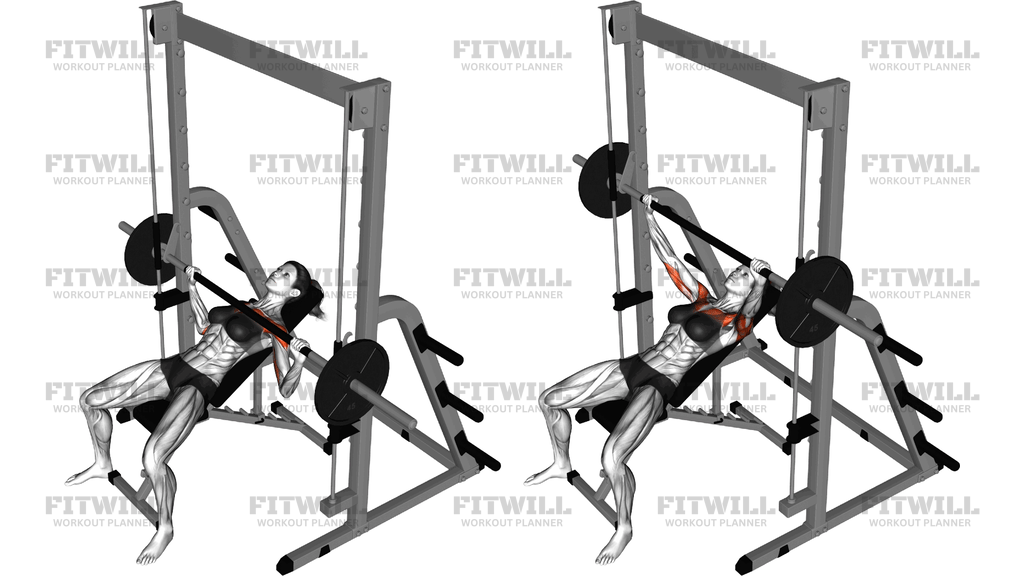
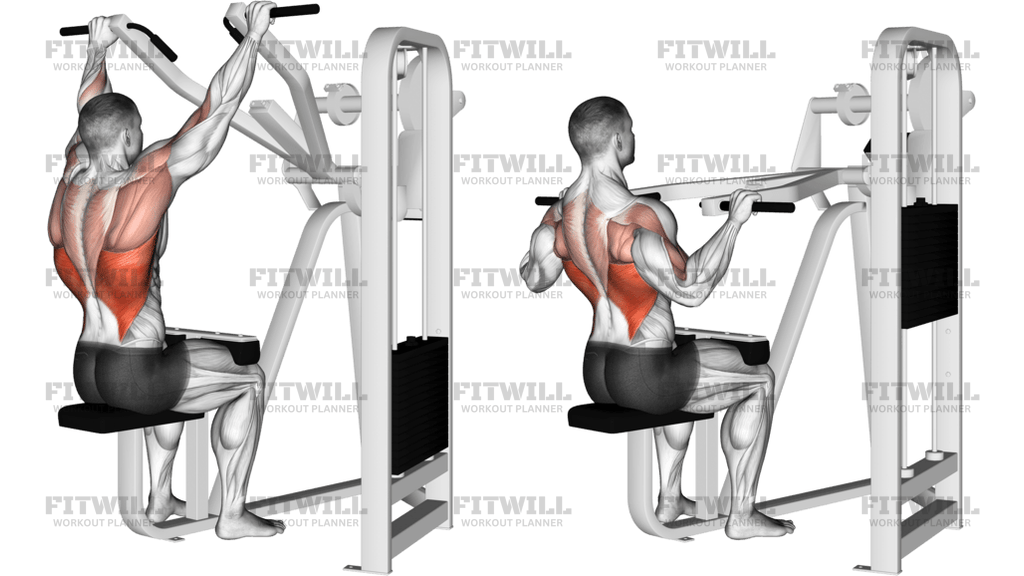
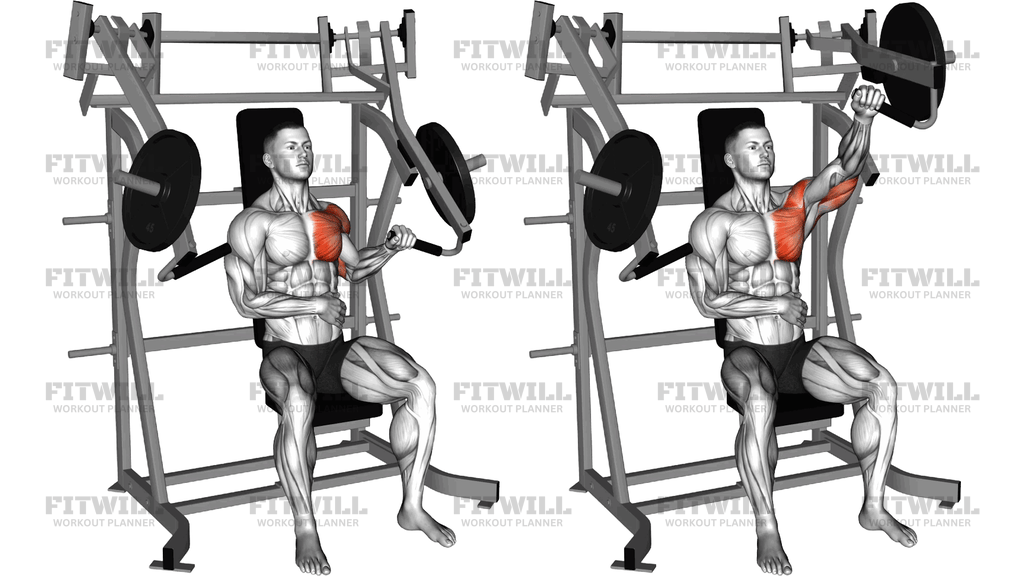
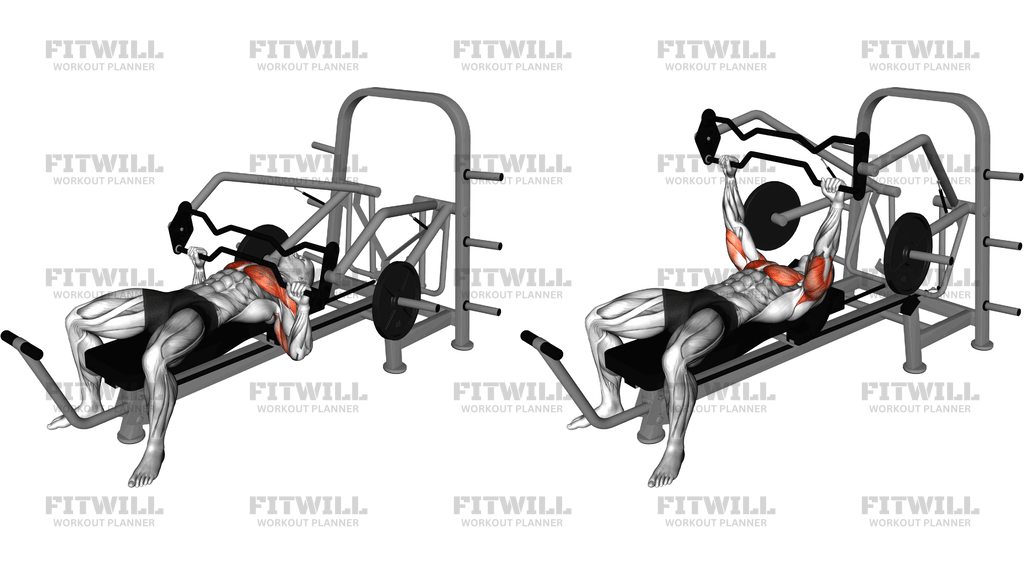
Lever Standing Chest Press
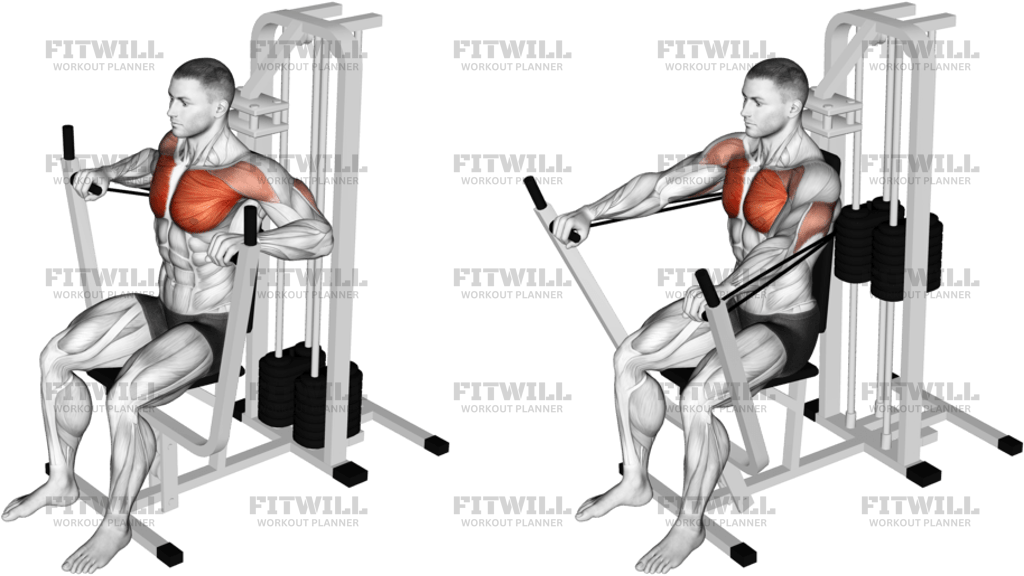
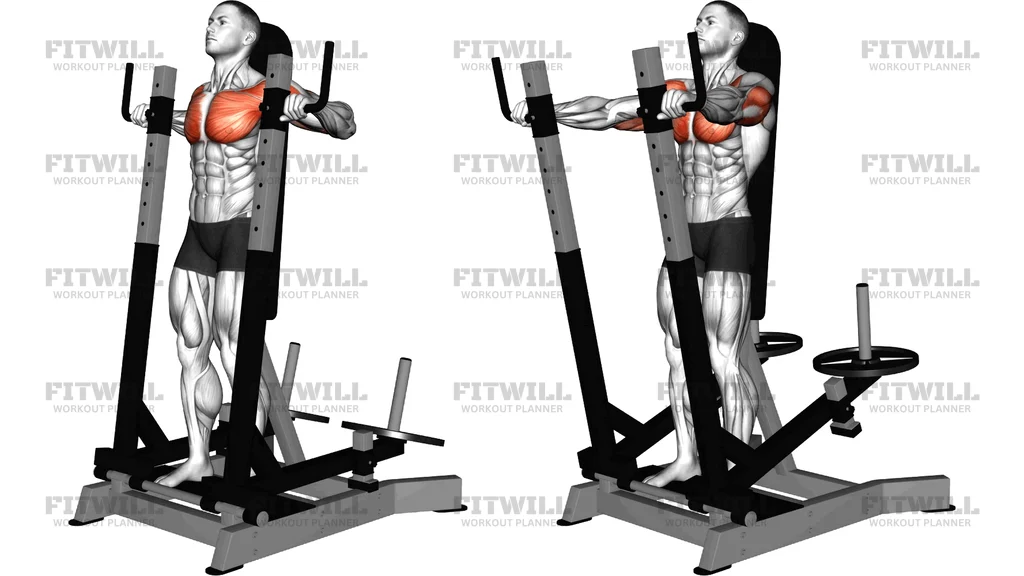
The Lever Standing Chest Press is a machine-based pressing exercise performed upright with your back supported against the machine's pad while you drive two handles forward from chest height. Unlike a bench press, the standing position changes the feel of the movement: your feet are planted on the floor, your core has to hold your torso square against the pad, and the fixed lever arm path guides the press forward and slightly inward, which is easy on the shoulder joints.
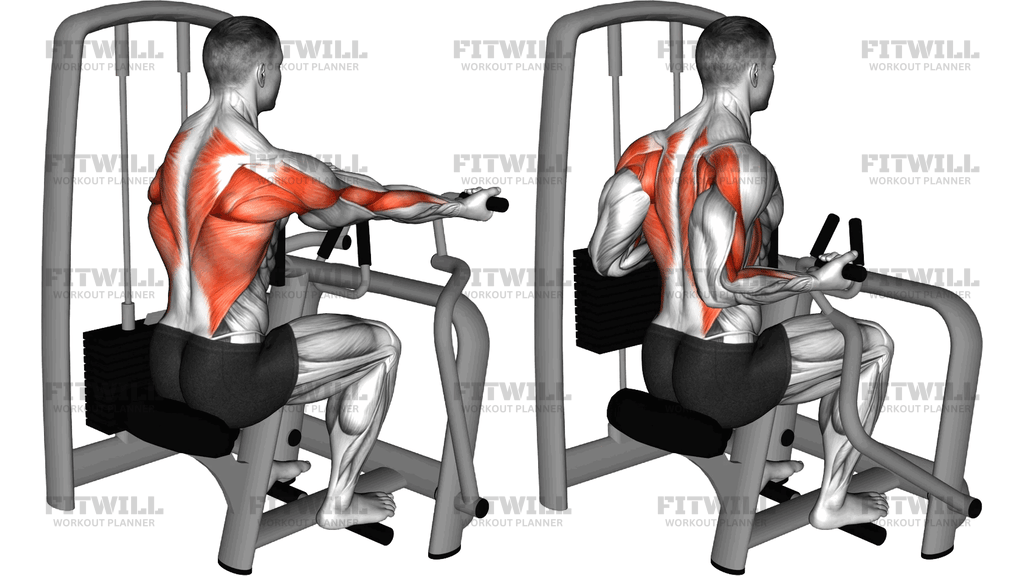
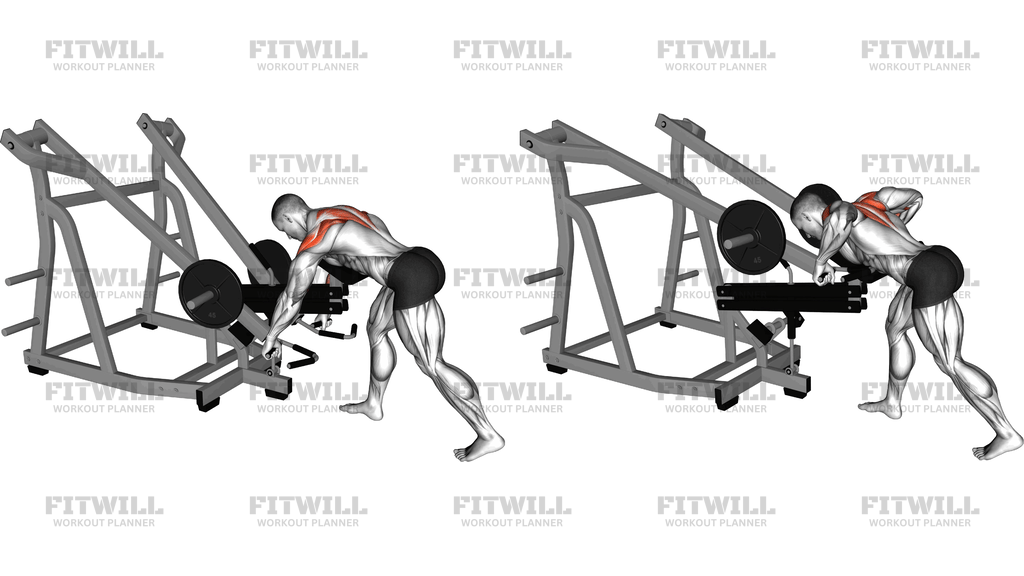
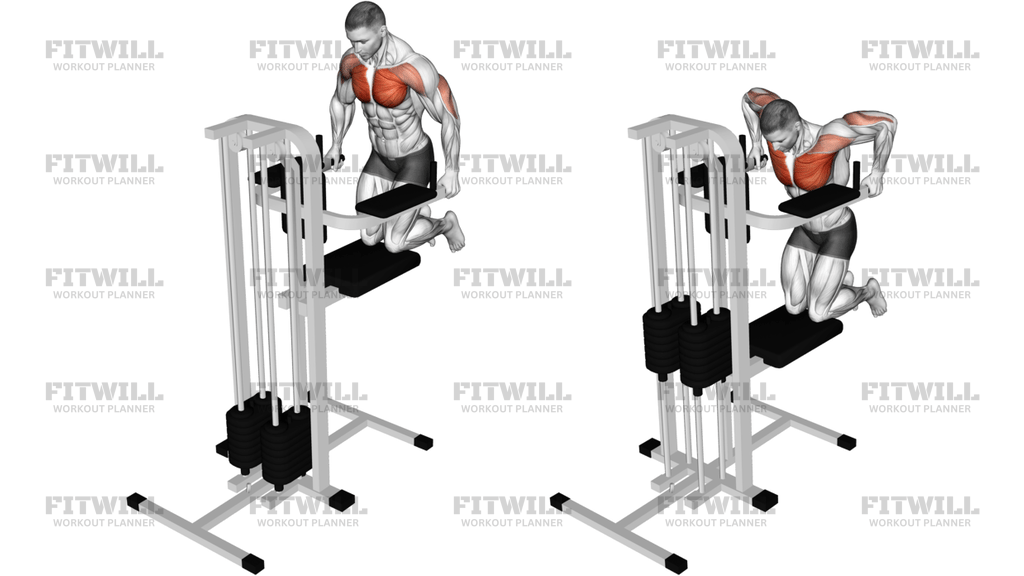
The main work is done by the pectoralis major across the middle of the chest, with the front delts assisting at the start of the press and the triceps taking over as the elbows extend toward lockout. Because the machine moves along a fixed track, stabilizing demands are lower than with free weights, but the standing stance and back pad still ask your trunk to stay braced, so you get a small but real core component that a seated chest press does not offer.
This exercise suits a wide range of lifters. Beginners can learn what a chest press should feel like without worrying about balancing a barbell, and intermediate or advanced lifters can use it as a heavy compound press, a finisher, or a way to train the chest when a spotter is not available. It is also a practical choice for anyone with shoulder discomfort on flat pressing, since the upright torso angle and guided path reduce stress at the bottom of the range.
Setup matters more than people expect. Stand with your back flat against the pad, feet about hip-width apart and firmly planted, and adjust the seat or starting position so the handles sit at mid-chest level with your elbows slightly below shoulder height. If the handles start too high, the front delts dominate and the shoulders get pinched; too low, and the press turns into an awkward downward shove.
To execute it well, grip the handles with your wrists stacked over your elbows, press forward until your arms are extended but not locked hard, and squeeze the chest briefly at the end of the range. Bring the handles back under control until your elbows sit just behind your torso line, then press again. Keep your head, upper back, and hips in contact with the pad the whole time instead of leaning into the push.
You will see the Lever Standing Chest Press in most commercial gyms as part of a machine chest circuit, in hypertrophy programs as a volume press after barbell or dumbbell work, and in rehab-style or return-to-lifting plans where a controlled path is preferred. Treat it as a core chest builder in its own right, load it progressively, and let the machine do its job of keeping the path consistent from rep to rep.
[ Workout Log & Planner ]
Put your next workout in Fitwill
Keep your plan and training log ready when you are.


Instructions
- Set the machine so the handles line up with the middle of your chest and the resistance arm holds your chosen plates or pin setting.
- Stand with your back flat against the upright pad, feet hip-width apart, and your weight spread evenly across both feet on the platform.
- Grip each handle with a neutral or slightly angled palm-in grip so your wrists sit directly over your elbows.
- Draw your shoulder blades gently back and down, brace your abs, and keep your head resting against the pad.
- Press the handles forward and slightly inward, exhaling as you push, until your arms are nearly straight.
- At full extension, squeeze your chest for a beat without locking the elbows hard or shrugging your shoulders.
- Inhale and let the handles travel back along the same path until your elbows are just behind your torso, feeling a stretch across the chest.
- Keep your lower back and hips pressed into the pad throughout; do not let your torso roll forward as fatigue sets in.
- Complete your reps, then allow the lever arm to settle fully onto its rest position before letting go of the handles.
- Step away only after the weight is fully racked and the levers have stopped moving.
Tips & Tricks
- If your shoulders roll forward at the finish of the press, you are likely reaching too far; stop just short of full elbow lock and hold the chest squeeze instead.
- A common mistake on this machine is letting the elbows flare above shoulder height at the start, which shifts work to the front delts; lower the starting handle position until your elbows sit slightly below shoulder level.
- Keep your thumbs wrapped around the handles rather than resting on top so your wrists stay neutral and do not bend backward under load.
- Do not bounce out of the stretched position; pause for a split second with the elbows just behind the torso to protect the shoulder and keep tension on the pecs.
- If your heels lift as you press, widen your stance slightly and push the floor away with your feet to stay grounded.
- Watch for hips drifting off the pad on heavy reps; if that happens, reduce the load, because the press should come from the chest and arms, not from body English.
- Use a full but pain-free stretch at the rear of the path; stopping several inches short robs the chest of its most productive range.
- Match your breathing to the press, exhaling on the push and inhaling on the return, rather than holding your breath through the whole set.
- On your first session, use a light weight to find the seat height and handle path that lets your forearms stay roughly vertical at the start of each press.
Frequently Asked Questions
What muscles does the Lever Standing Chest Press work?
The pectoralis major does most of the work, with the front delts assisting during the initial push and the triceps extending the elbows to finish each rep. The standing stance also keeps your core lightly engaged to hold you square against the back pad.
How is the Lever Standing Chest Press different from a seated chest press machine?
Standing requires you to brace your trunk and stabilize your lower body while pressing, adding a modest core demand that a seated press removes. The upright torso angle also changes the pressing angle slightly, which many lifters find more shoulder-friendly.
Is the Lever Standing Chest Press good for beginners?
Yes. The fixed lever path removes the need to balance a barbell or dumbbells, so a beginner can focus on learning proper pressing mechanics and building base chest strength before moving to free weights.
Where should the handles start relative to my chest?
The handles should sit at roughly mid-chest height so your elbows are slightly below shoulder level with your forearms close to vertical. Handles set too high push the work into the shoulders and can cause discomfort at the start of the press.
Should I lock out my elbows at the end of the press?
Extend fully but do not slam into a hard lockout. Stop just short of the elbow joint clanking shut, hold the chest contraction for a moment, then control the weight back.
Why do my hips lift off the pad during heavy sets?
That usually means the load is too heavy for your chest to move on its own, so your body is trying to recruit momentum. Lower the weight, re-brace your abs, and keep your hips and lower back in contact with the pad for every rep.
Can I use the Lever Standing Chest Press if flat bench pressing bothers my shoulders?
Many lifters with cranky shoulders tolerate this machine better because the guided path and upright torso angle limit how far the elbows travel behind the body. Still, move within a comfortable range and stop any movement that causes sharp pain.
How should I breathe during this exercise?
Exhale as you press the handles forward and inhale as they return toward your chest. Avoid holding your breath for the entire set, especially on heavier loads.
What can I substitute if my gym does not have this machine?
A seated chest press machine, a cable press from a standing position, or dumbbell floor and bench presses all train the same pressing pattern. The closest match is any machine press that keeps your torso upright and the handles at chest height.
How do I progress the weight safely on this machine?
Add load in small increments only when you can complete all planned reps with your back, hips, and head staying against the pad and no forward lean. If form breaks down on the last few reps, stay at the current weight for another session before adding plates.