Shoulder Abduction Articulations
Shoulder Abduction Articulations is a standing bodyweight shoulder-control drill that takes the arms from the sides of the body out to shoulder height and back with deliberate precision. It is less about loading and more about teaching the shoulder joint, upper back, and trunk to organize clean abduction without rushing through the top range.
The main emphasis is on the deltoids, especially the middle fibers, with the upper traps, rhomboids, serratus anterior, and triceps helping stabilize the arms and scapulae. In a mobility or warm-up setting, the exercise can help you find smoother overhead mechanics, cleaner shoulder positioning, and better awareness of when the shoulders start to shrug or drift forward.
Set up by standing tall with your feet planted evenly, ribs stacked over the pelvis, and arms straight at your sides. Begin each rep by lifting the arms out through the side plane instead of swinging them forward, then control the ascent until the hands reach roughly shoulder height. Keep the neck long and let the shoulder blades move naturally rather than pinching them hard together.
Lower the arms under control to the starting position and repeat with the same tempo on every rep. The useful range is the one you can control without pain, shrugging, or torso lean. If the top position feels cramped, shorten the range and slow down; if the lower position feels sloppy, pause and reset before the next rep.
This movement works well before pressing, overhead work, or any session where you want the shoulders warm and organized. Treat it like a quality drill: smooth, symmetrical, and repeatable. Light effort should still feel active in the delts and upper back, but the set should finish with better control, not fatigue-driven compensations.
Fitwill
Log Workouts, Track Progress & Build Strength.
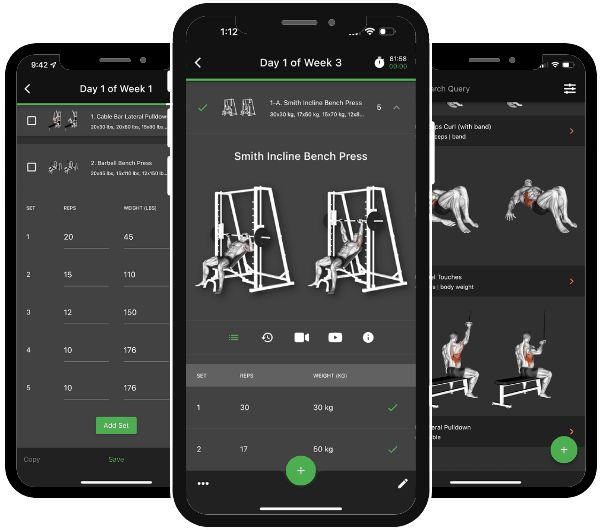
Achieve more with Fitwill: explore over 5000 exercises with images and videos, access built-in and custom workouts, perfect for both gym and home sessions, and see real results.
Start your journey. Download today!


Instructions
- Stand tall with your feet about hip-width apart and let both arms hang straight at your sides.
- Stack your ribs over your pelvis, keep your chin neutral, and soften the knees so your torso stays steady.
- Take a breath in and lightly brace your midsection before the first rep.
- Lift both arms out to the sides in a wide arc, keeping the hands slightly below or in line with the shoulders if needed.
- Keep the elbows straight but not locked, and let the wrists stay relaxed instead of bending them back.
- Stop the lift before the shoulders shrug or the neck tightens.
- Lower the arms slowly back to your sides with the same side-path control you used on the way up.
- Reset your breath at the bottom, then repeat for the planned number of reps without swinging or leaning.
Tips & Tricks
- Move the arms directly out to the side plane; letting them drift forward turns the drill into a front raise pattern.
- Keep the ribs from flaring as the arms rise, or the lower back will start helping more than the shoulders.
- Use a shorter range if the top position creates pinching, clicking, or a shrugging pattern.
- Let the shoulders travel smoothly upward with the arms instead of trying to pin the shoulder blades down hard.
- A slow 2 to 3 second lowering phase makes the drill more useful than rushing the return.
- Keep the neck long and avoid jutting the chin forward as the arms reach shoulder height.
- Match both arms so one side does not rise earlier or higher than the other.
- This should feel like precise shoulder control, not a cardio drill or a momentum-based warm-up.
Frequently Asked Questions
What muscle does Shoulder - Abduction - Articulations target most?
The deltoids do most of the work, especially the middle fibers, with the upper traps and upper back helping stabilize the motion.
Can beginners perform this exercise?
Yes. It is beginner-friendly because the load is just body weight and the goal is smooth control rather than strength output.
How high should my arms go during the side raise?
Raise them only as high as you can without shrugging, pinching, or leaning. Shoulder height is the usual stopping point.
Should my elbows stay straight the whole time?
Yes, keep them straight but soft. Locked elbows make the movement harsher on the joint and easier to swing.
Why do my shoulders want to shrug up during the lift?
That usually means the range is a little too high or the upper traps are taking over. Shorten the arc and slow the tempo.
Can I do one arm at a time instead of both together?
Yes. Single-arm reps can make it easier to keep the torso quiet and notice side-to-side differences.
Is this a strength exercise or a mobility drill?
It is mainly a mobility and motor-control drill, though the delts still do real work to control the arm path.
Is it okay to add light dumbbells or a band later?
Yes, but only if you can keep the same smooth side path and stop before the shoulders start compensating.