Cable Lying Upright Row
Cable Lying Upright Row is a floor-based cable shoulder exercise that keeps the torso pinned down so the upper body has to do the work without help from standing momentum. In this variation, you lie on your back with a handle attached to a low cable, usually with the machine set up near your feet or head depending on the station layout. The goal is to pull the handle in a narrow, controlled line while the elbows travel out and up, finishing with the handle close to the upper chest or lower neck area.
The lying position changes the feel of the upright row. Because your back is supported by the floor, it is easier to keep rib flare, hip drive, and body sway out of the rep. That makes the movement more about the delts and upper back than about cheating the handle upward. The primary emphasis is on the deltoids, with the upper traps, rhomboids, and triceps assisting as the elbows rise and the shoulder blades stabilize the pull.
Setup matters here. Lie flat with your head and shoulders down, brace your midsection, and take a grip that lets your wrists stay stacked over the forearms instead of cranking backward. The cable should stay aligned so the first part of the rep feels smooth, not jerky. If the stack starts from too much tension or the handle position makes your shoulders feel jammed, adjust the body position or load before repeating the set.
During each rep, lead with the elbows, keep them higher than the hands, and pull only as high as your shoulders can tolerate without pinching. At the top, the handle should come close to the upper chest while the neck stays long and relaxed. Lower the handle under control until the arms are extended again, keeping tension on the cable instead of letting the stack crash down. Breathe out as you pull and reset each rep with the same body position.
This exercise fits well as accessory work for shoulder development, especially when you want a strict upright-row pattern with less cheating than the standing version. Use light to moderate resistance, a smooth tempo, and a pain-free range of motion. If the movement creates a sharp pinch at the front or top of the shoulder, shorten the range, narrow the grip, or choose a different shoulder exercise that matches your structure better.
Fitwill
Log Workouts, Track Progress & Build Strength.
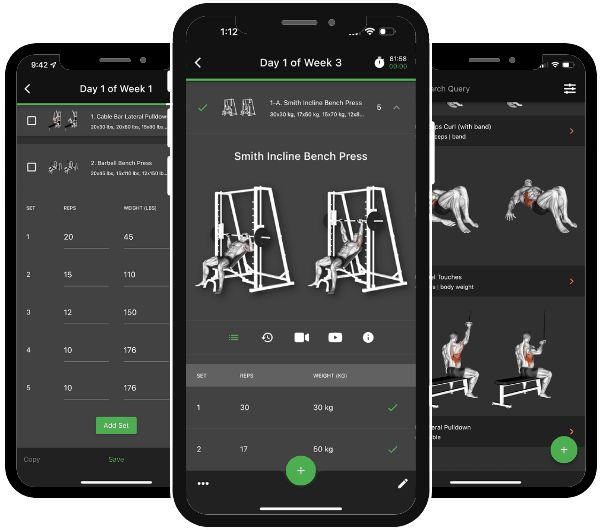
Achieve more with Fitwill: explore over 5000 exercises with images and videos, access built-in and custom workouts, perfect for both gym and home sessions, and see real results.
Start your journey. Download today!


Instructions
- Attach a handle to the low cable pulley and lie on your back with the cable running toward your hands, feet braced near the tower or on the floor so your body stays fixed.
- Set your shoulders flat on the floor, keep your head relaxed, and take a narrow overhand grip that lets your wrists stay neutral.
- Start with your arms extended and the handle hovering over your hips or upper thighs, then brace your ribs down before you pull.
- Lead the movement by driving your elbows out and up, keeping the handle close to your body as it travels toward your lower chest or upper sternum.
- Raise only as high as you can without shoulder pinch, neck tension, or losing contact with the floor.
- Squeeze briefly at the top with the elbows high and the wrists stacked over the forearms.
- Lower the handle slowly until the arms are nearly straight again, keeping tension on the cable instead of letting the weight drop.
- Reset your breath and repeat for the planned number of reps, then set the handle down with control.
Tips & Tricks
- Keep your shoulder blades heavy on the floor; if your chest starts popping up, the load is too heavy or the cable line is off.
- Use a grip that is just outside shoulder width so the elbows can travel up without forcing the wrists into a hard angle.
- Think about pulling the handle toward the upper chest, not dragging it straight up with the hands.
- Stop the rep before you feel a pinch at the top of the shoulder; a slightly shorter range is safer than forcing extra height.
- Let the elbows lead and stay higher than the hands throughout the pull to keep the movement in upright-row mechanics.
- Keep the neck long and avoid shrugging hard into the ears; the upper traps should assist, not dominate the whole rep.
- Use a smooth lowering phase so the cable never snaps back and pulls you out of position.
- If the stack jerks at the start, move farther from the pulley or reduce the load until the first inch of motion feels clean.
Frequently Asked Questions
What muscle does Cable Lying Upright Row target most?
The deltoids are the main target, with the upper traps and other upper-back muscles helping as the elbows rise.
Why do this upright row while lying on the floor?
The floor keeps your torso from swinging, so the shoulders have to do the work with less help from momentum.
Where should the handle travel during the pull?
Pull the handle up close to the torso and finish near the lower chest or upper sternum, with the elbows leading the way.
Should my elbows stay high in the cable lying upright row?
Yes. The elbows should travel out and up ahead of the hands so the movement stays in an upright-row pattern.
Can beginners use this exercise?
Yes, as long as the load is light enough to keep the shoulders down, the neck relaxed, and the cable path smooth.
What if I feel pinching at the top of the shoulder?
Shorten the range, narrow or slightly adjust the grip, and keep the elbows from climbing higher than your shoulders can tolerate.
How heavy should I load the cable stack?
Use a load that lets you pause, lower slowly, and repeat without lifting your chest or jerking the handle.
What is the most common mistake with this variation?
Most people either shrug too hard or turn it into a fast curl-like pull instead of letting the elbows lead the movement.