Cable Lateral Raise
Cable Lateral Raise is a standing shoulder isolation exercise that uses a cable machine and handle attachments to train the side delts through a long, steady line of resistance. Because the cables stay under tension from the bottom to the top of the rep, the movement is useful for building shoulder size, control, and clean abduction mechanics without relying on momentum.
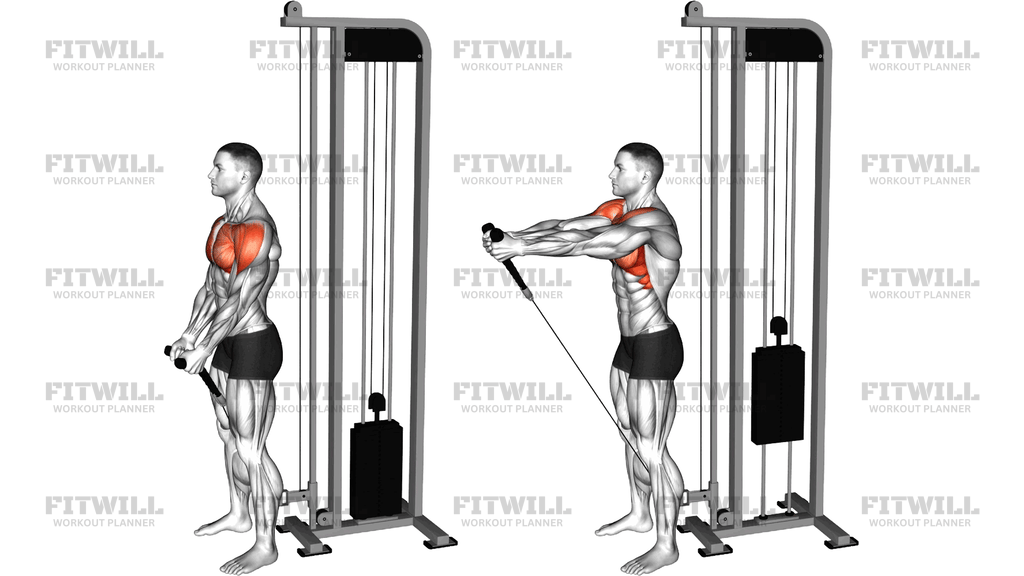
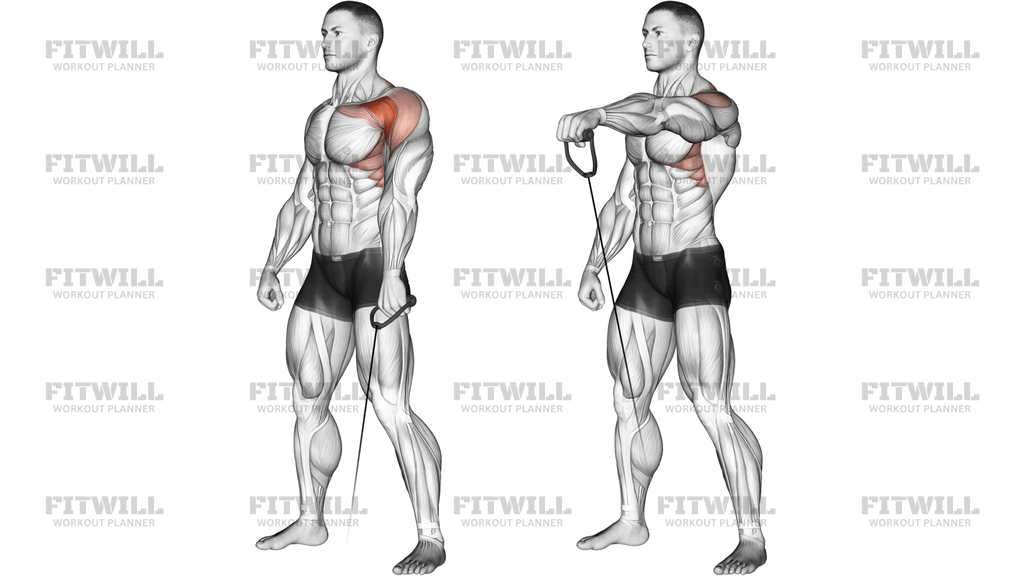
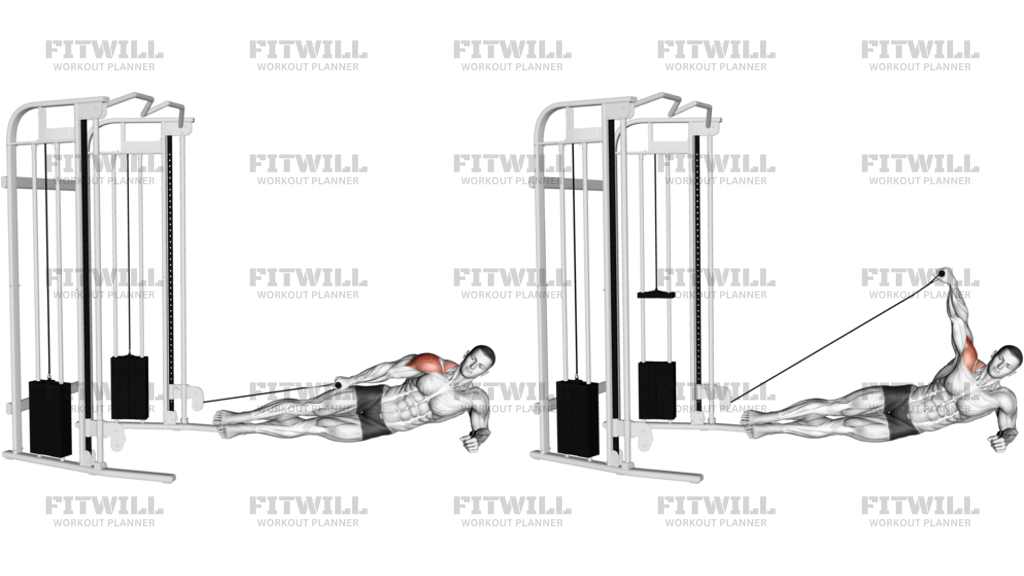
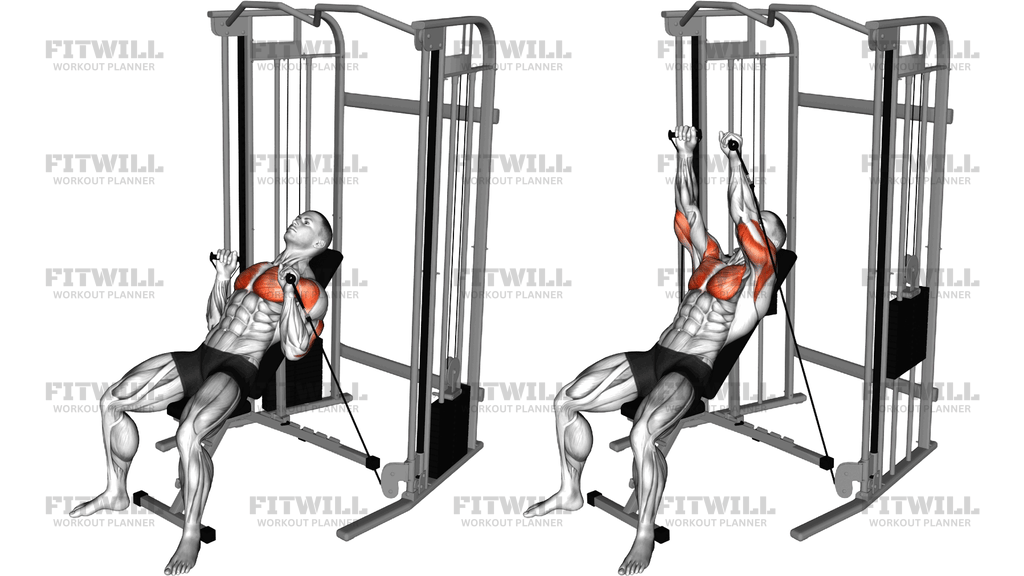
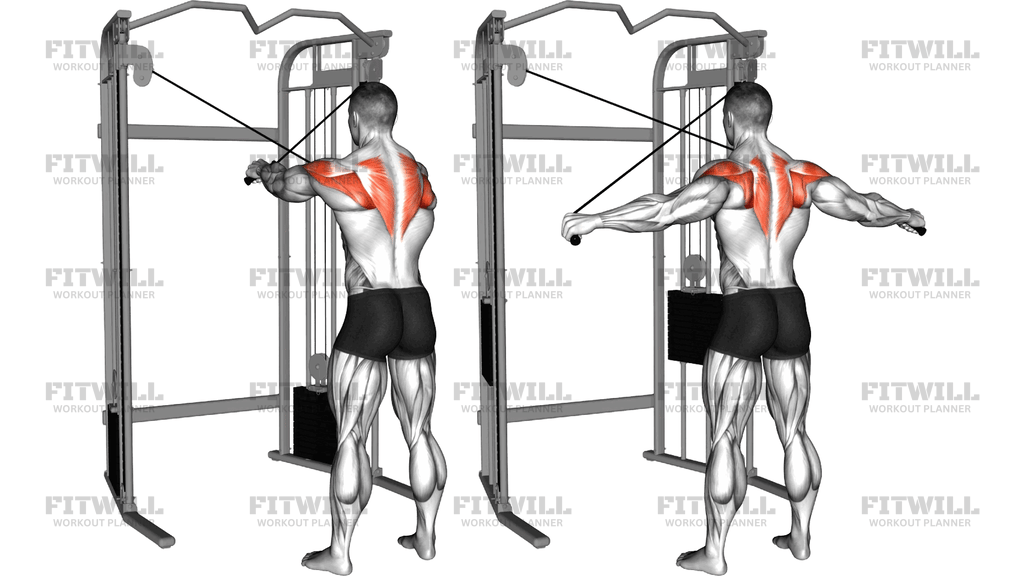
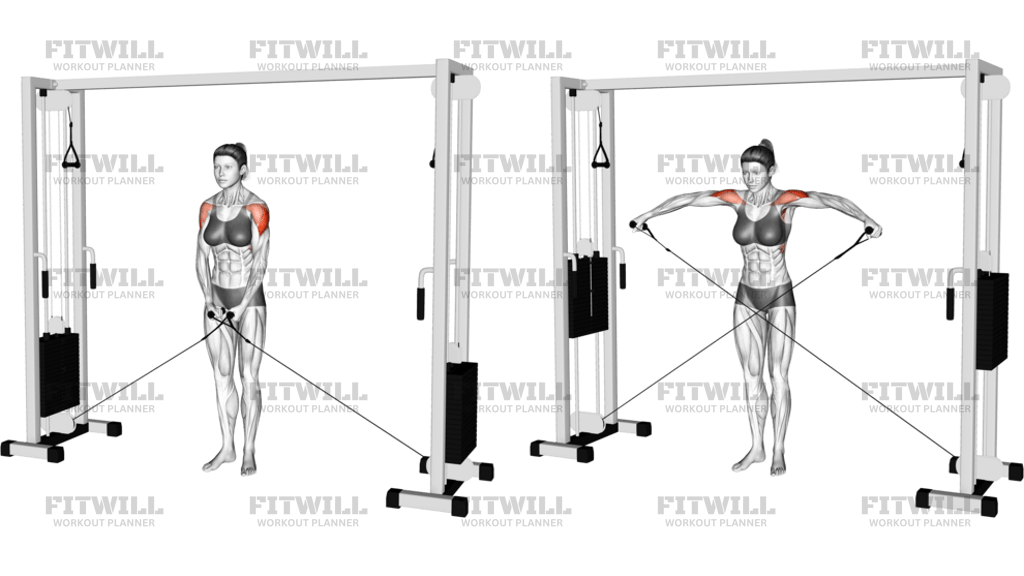
The setup matters as much as the lift itself. In the image, both handles come from low pulleys and the cables cross in front of the body, which lets you start with the hands near the thighs and raise the arms out to the sides in a smooth arc. That position keeps tension on the delts early in the rep and helps you avoid the dead spot that often happens with dumbbells at the bottom.
A good rep begins with a tall stance, soft elbows, and wrists stacked over the handles. Raise the arms only until the upper arms reach shoulder height or just below, then lower the handles under control until the cables are tensioned again. The torso should stay quiet, the shoulders should not shrug up to the ears, and the neck should stay long so the traps do not take over the set.
This version of the raise fits well as accessory work for shoulder hypertrophy, upper-body balance, or a warm-up before pressing. It is also joint-friendly when the load is light and the tempo is controlled. Use it to feel the side delts do the work, keep the movement crisp from rep to rep, and stop the set if body sway, shrugging, or grip tension starts to change the line of the lift.
[ Workout Log & Planner ]
Put your next workout in Fitwill
Keep your plan and training log ready when you are.


Instructions
- Set the cables on the lowest pulleys, grab the handles, and stand centered so the cables cross in front of your thighs.
- Plant both feet about hip-width apart, keep a tall torso, and let the handles rest just in front of your thighs with a slight bend in the elbows.
- Brace your torso, keep your ribs down, and set your shoulders low before you start the first rep.
- Lead the lift by moving both arms out to the sides in a wide arc, not by swinging the hands forward.
- Keep the elbows softly bent and stop the raise when the upper arms reach about shoulder height.
- Pause briefly at the top without shrugging or leaning back.
- Lower the handles slowly along the same arc until the cables are taut again and your hands return near the thighs.
- Exhale as you raise the handles and inhale as you lower them.
- Repeat for the planned number of repetitions, then let the handles settle before stepping away.
Tips & Tricks
- Start light enough that the cables do not pull you off balance when the handles leave your thighs.
- Keep the wrists neutral so the handles sit in line with the forearms instead of bending the hands back.
- A slight forward lean is fine, but do not hinge so far that the torso turns the lift into a row.
- Think about moving the elbows out and up, since that keeps the side delts in charge and reduces arm swinging.
- Stop around shoulder height; going much higher usually shifts the work into the upper traps.
- If the top position feels cramped, step a little farther from the stacks so the cables keep a smooth angle through the rep.
- Control the lowering phase for a full second or two to keep tension on the delts.
- Keep your neck relaxed and avoid lifting the shoulders toward your ears at any point in the set.
Frequently Asked Questions
What muscle does Cable Lateral Raise target most?
The side delts are the main target, with the front delts and upper traps helping to stabilize the movement.
Can beginners perform this exercise?
Yes. It is beginner-friendly if you keep the load light, the elbows slightly bent, and the torso still.
Why do the cables cross in front of my body?
Crossing the cables lets each arm start from a low, centered position while keeping tension on the delts as you raise the handles.
How high should I lift the handles?
Raise them until your upper arms are around shoulder height. If you go much higher, the upper traps usually take over.
Should I bend my elbows during the raise?
Keep a small, fixed bend in the elbows. The angle should stay nearly the same from the bottom to the top of each rep.
What stance works best for this cable raise?
A hip-width stance with a tall torso works well. That gives you enough stability to keep the movement strict without locking your knees.
Is it okay if I feel my traps working?
A little trap involvement is normal, but if your shoulders keep shrugging upward, lighten the load and stop the lift earlier.
Where does this fit in a workout?
It works well as accessory shoulder work after pressing or as a controlled isolation exercise when you want extra delt volume.