Cable Standing Hip Extension
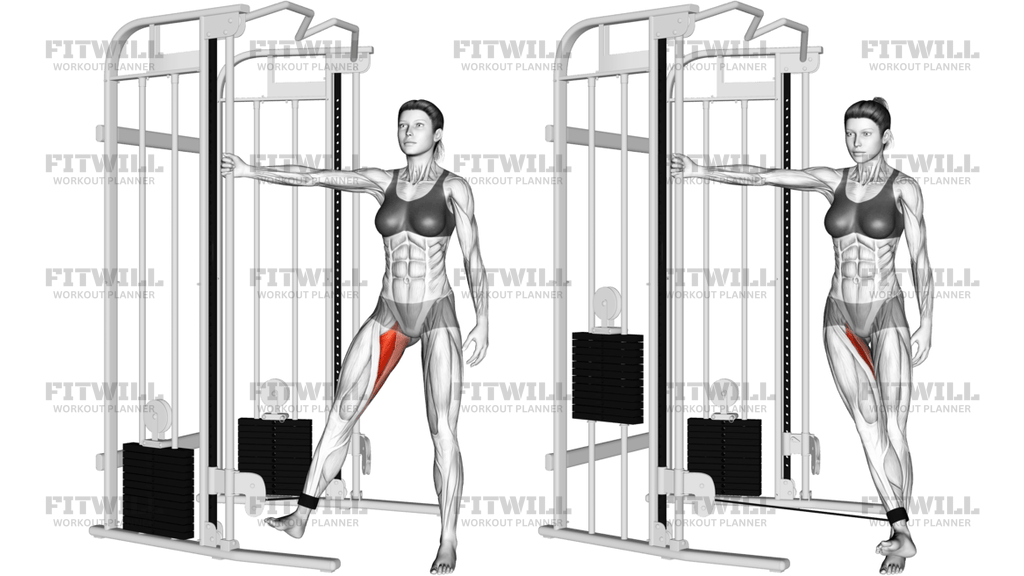
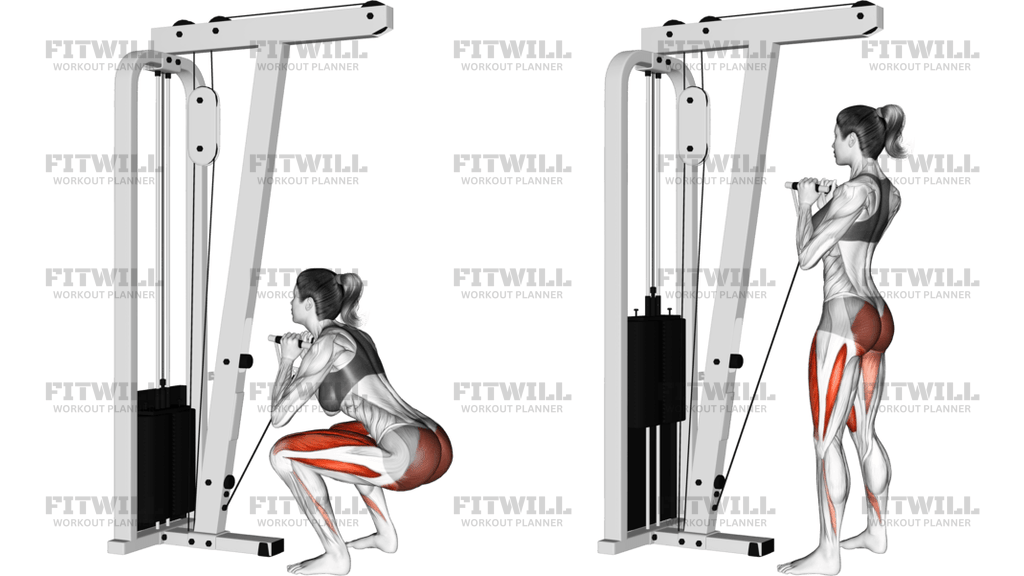
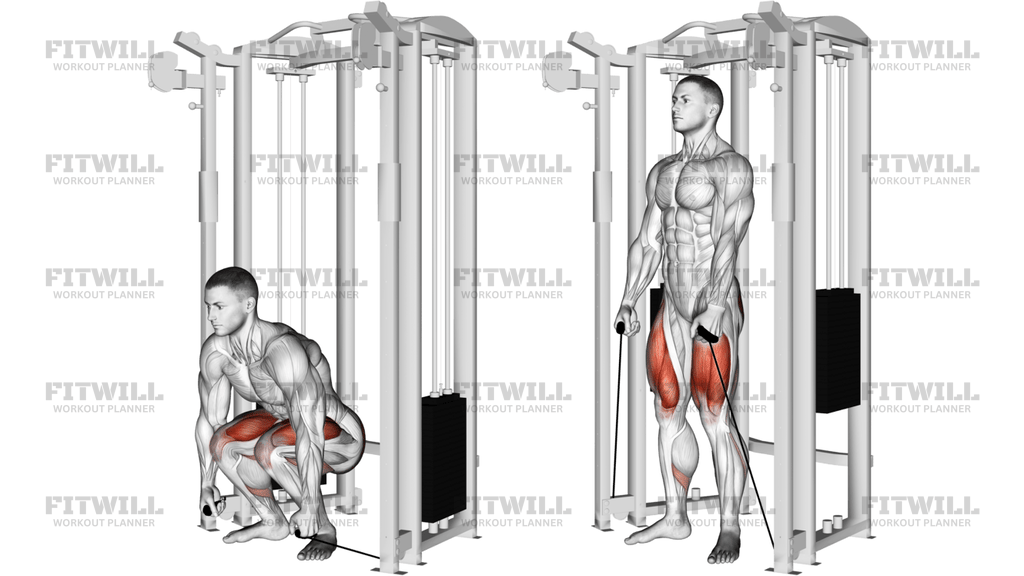
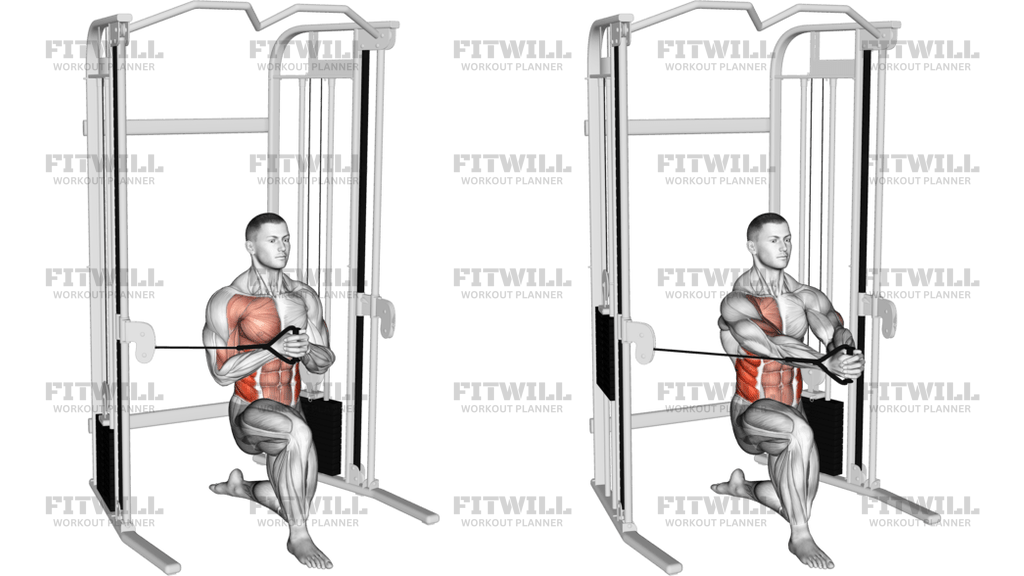
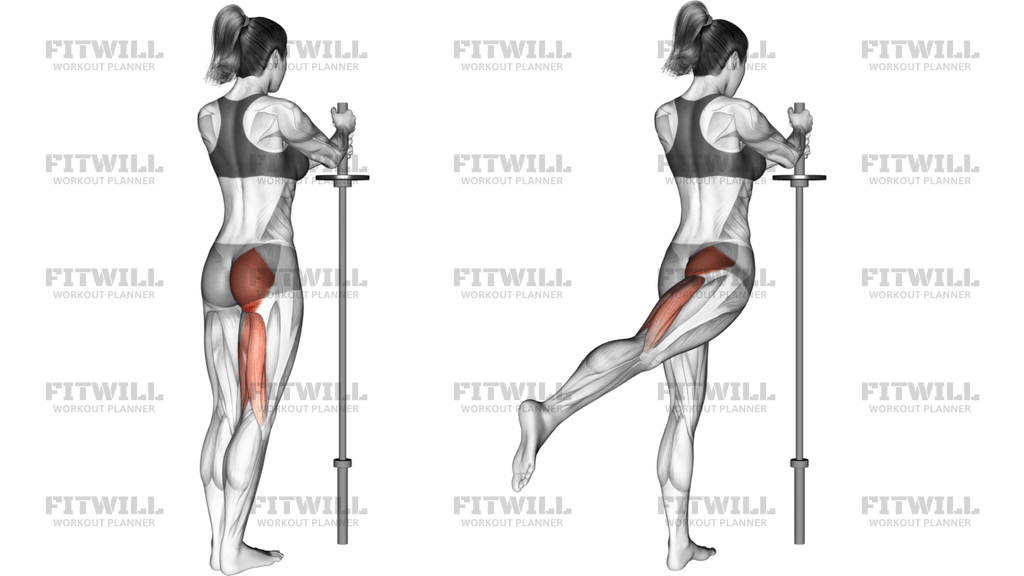
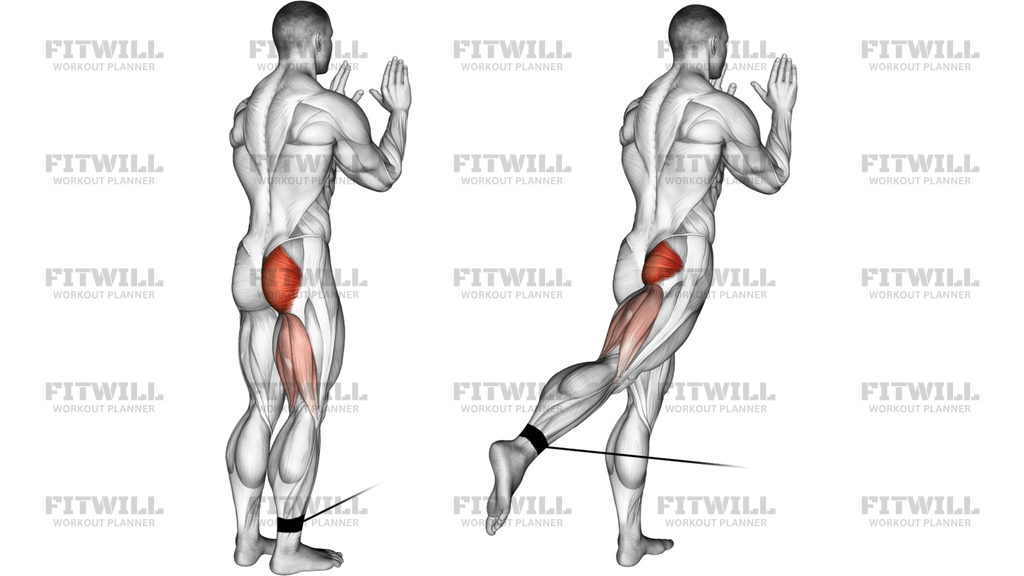
Cable Standing Hip Extension is a glute-focused lower-body isolation exercise that sends the working leg backward against cable resistance. The cable keeps tension on the glute through the whole rep, which makes it useful when you want a clean hip-extension pattern without turning the movement into a big body swing. Done well, the exercise feels like the glute is driving the leg behind you while the torso stays quiet and the pelvis stays level.
The primary target is the gluteus maximus, with the hamstrings, rectus abdominis, and erector spinae helping stabilize the movement. That means the job is not to arch the lower back or fling the leg behind you. The job is to extend from the hip while the standing leg, core, and upper body keep you organized. When the rep is right, the glute squeezes hard at the back end of the motion and the pelvis stays square instead of opening up.
Set the ankle strap on a low cable and face the machine while holding a support point if needed. Stand tall on the supporting leg, keep a slight bend in that knee, and brace your core before the first rep. The starting position should feel balanced and ready to move from the hip, not from the spine. If you cannot keep steady on the standing side, the working side usually ends up compensating with momentum.
Drive the working leg backward in a smooth hip-extension path, then pause briefly when the glute is fully engaged. Return slowly to the start without letting the cable yank the leg forward. The range should stay compact enough that the pelvis remains level. If the lower back starts to arch, the motion has usually drifted away from the glute and into an easier but less useful compensation pattern.
Cable Standing Hip Extension is a strong accessory choice after squats, deadlifts, or unilateral leg work when you want direct glute finishers. It also fits well in warm-ups and rehab-style accessory blocks because the load is easy to scale and the path is simple to control. Use a deliberate tempo, keep the toes mostly forward, and stop the set when the torso starts to sway or the leg starts swinging instead of extending from the hip.
Fitwill
Log Workouts, Track Progress & Build Strength.
Achieve more with Fitwill: explore over 9600 exercises with images and videos, access built-in and custom workouts, perfect for both gym and home sessions, and see real results.
Start your journey. Download today!




Instructions
- Attach the ankle strap to a low cable.
- Face the machine and hold a support point if you need balance help.
- Stand tall on the supporting leg with a slight bend in the knee.
- Brace your core and keep the pelvis level before the first rep.
- Keep the working toes mostly forward so the hip stays aligned.
- Drive the working leg backward through hip extension.
- Pause briefly at the back end of the motion and squeeze the glute.
- Return the leg slowly to the start without swinging.
- Complete the reps on one side, then switch and repeat.
Tips & Tricks
- Keep the motion small enough that the pelvis stays square.
- Think about driving from the glute, not kicking from the low back.
- Use the support lightly so balance does not steal effort from the working hip.
- A slight knee bend on the working side often makes the movement smoother.
- Exhale as the leg extends to help keep the trunk organized.
- If you feel the lower back, shorten the range and slow the return.
- Pause at the back end so the glute has to finish the rep.
- Avoid letting the foot turn out aggressively, which can change the line of pull.
Frequently Asked Questions
What muscle is primary in this exercise?
The gluteus maximus is the primary target.
Do hamstrings work too?
Yes, the hamstrings assist, but the glutes should be doing most of the work.
Can Cable Standing Hip Extension replace squats?
No, it is more of a glute accessory than a full lower-body compound lift.
Should my torso move?
Keep the torso steady and minimize trunk swing.
Is Cable Standing Hip Extension beginner-friendly?
Yes, as long as the resistance is light and the balance setup is stable.
Why do I feel my lower back?
Usually because the spine is extending instead of the hip driving the leg back.
How many reps are common?
Moderate to higher reps per leg are common for this kind of glute accessory.
Can I use this in rehab-style training?
Often yes, when it is prescribed and progressed appropriately.