Dumbbell Incline One-Arm Lateral Raise
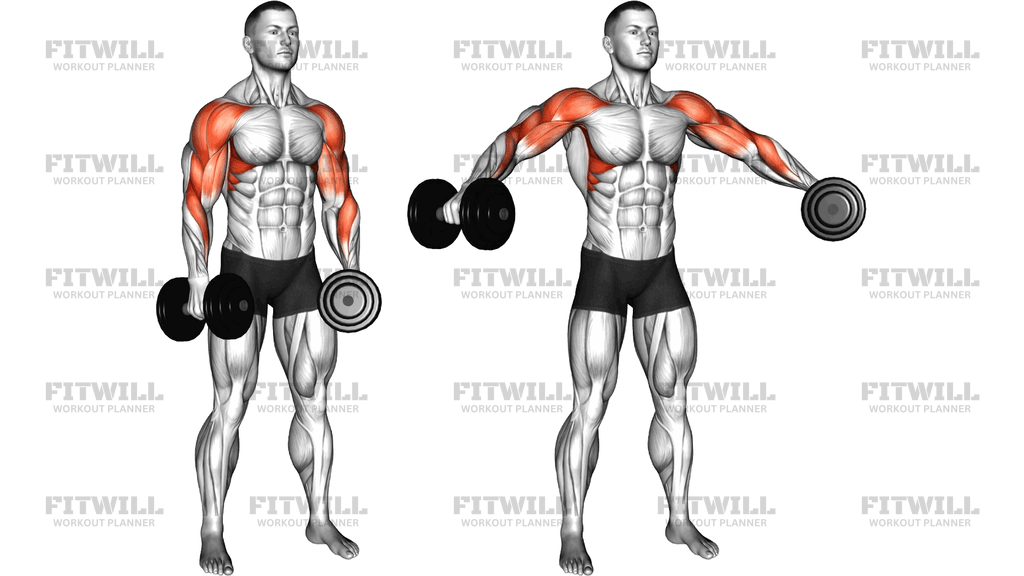
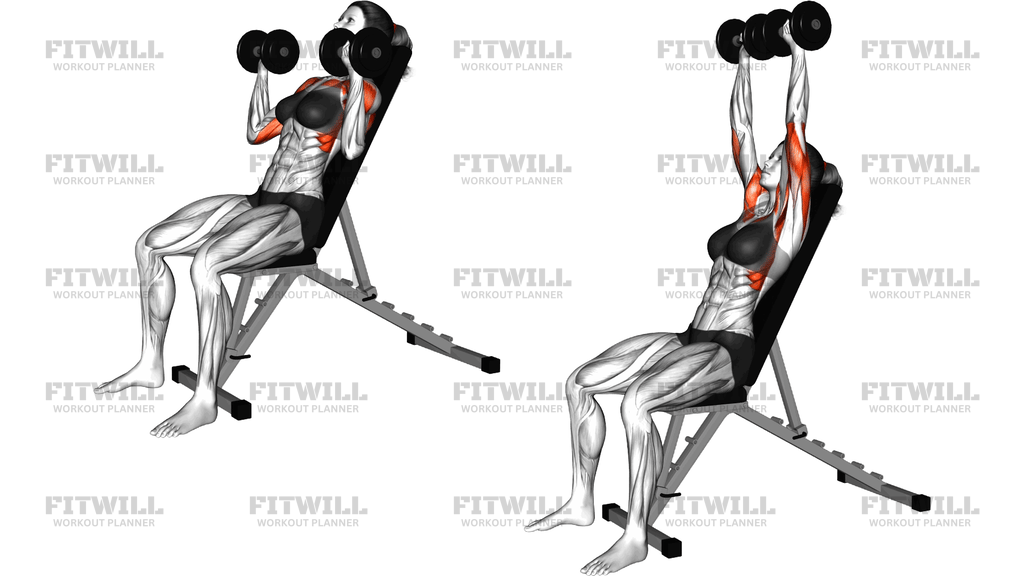
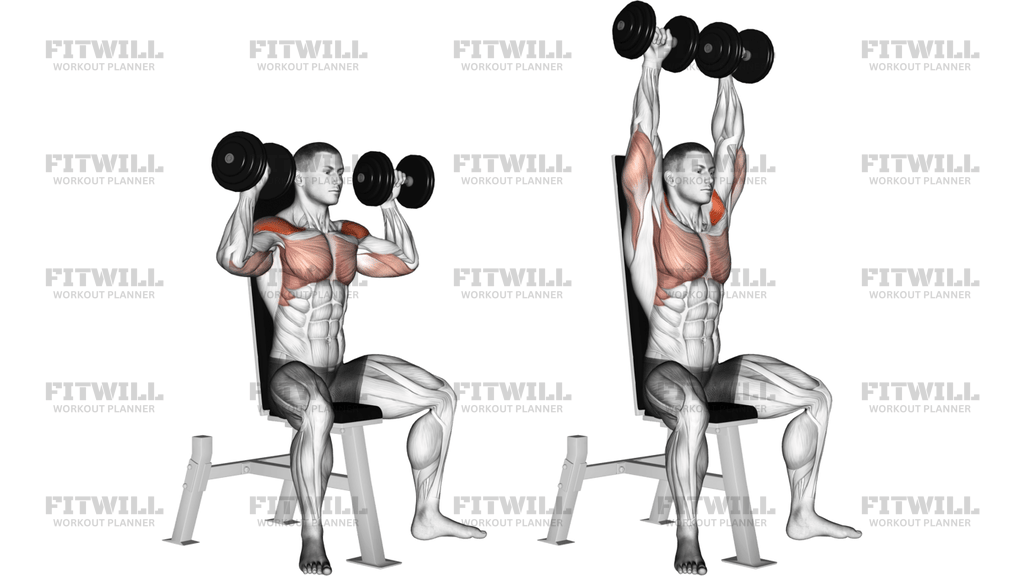
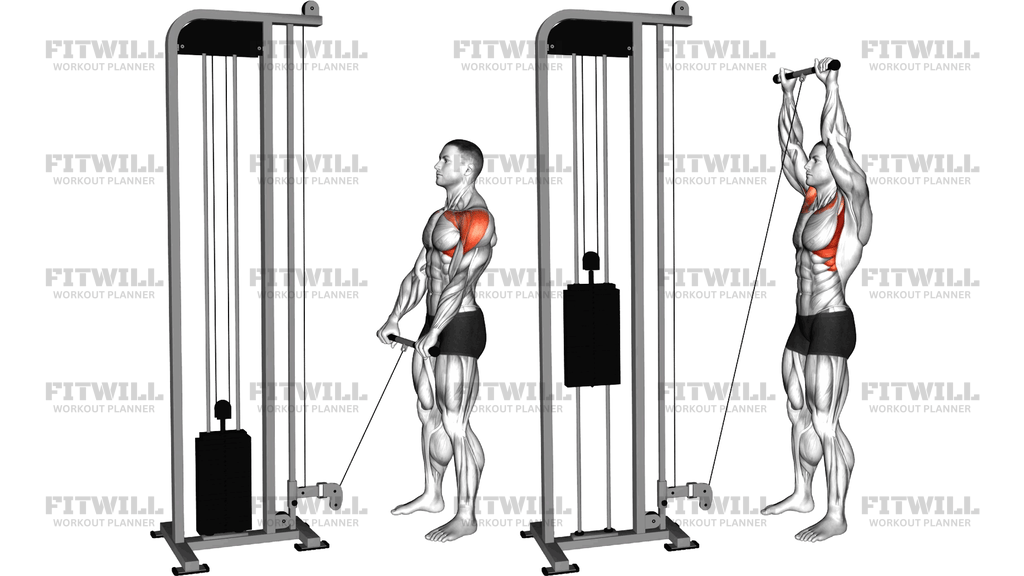
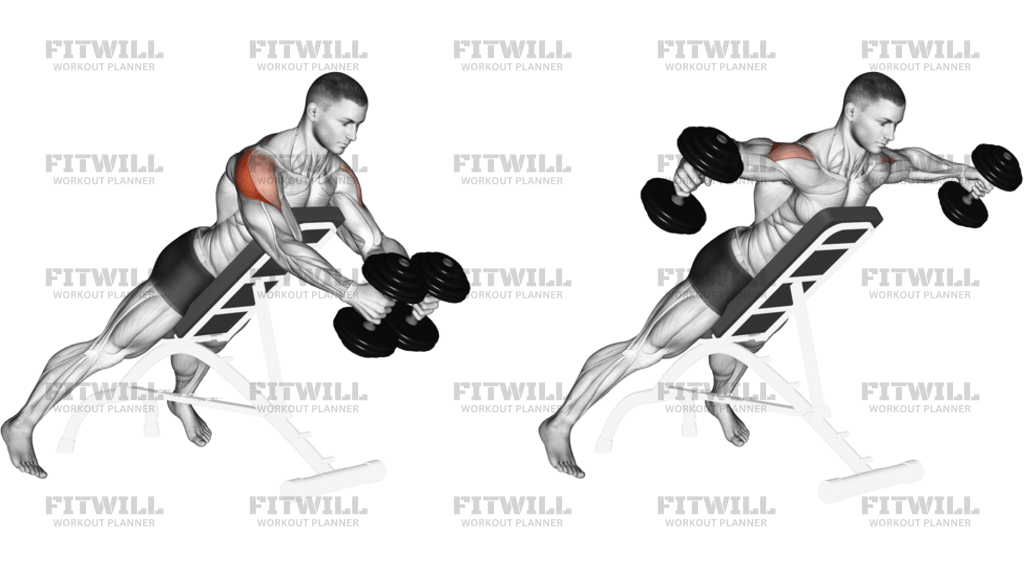
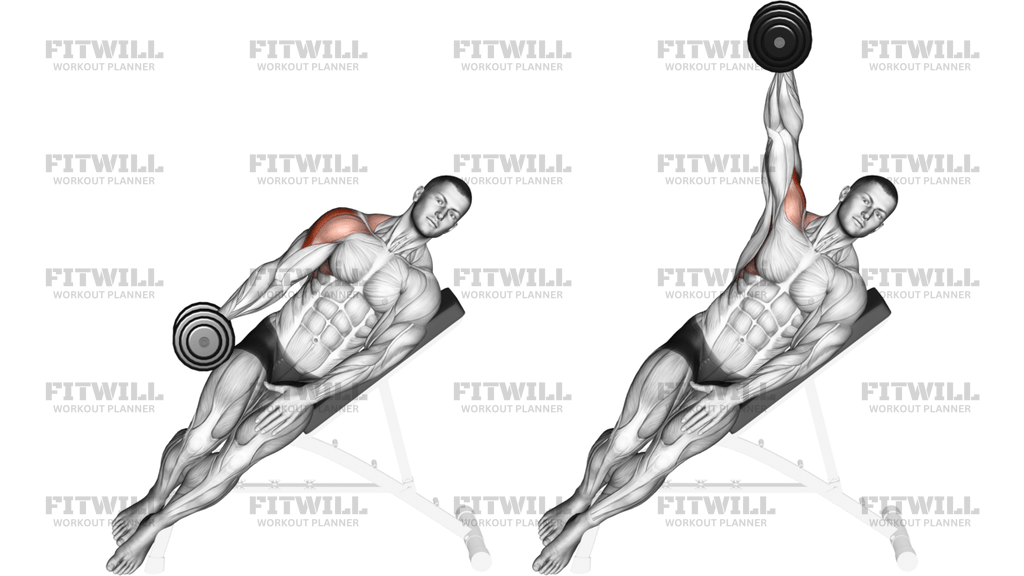
Dumbbell Incline One-Arm Lateral Raise is a supported shoulder isolation exercise where one arm lifts a dumbbell in a wide arc while the torso rests against an incline bench. The setup reduces body English and makes it easier to keep tension on the side delt instead of turning the set into a sway, shrug, or half-rep. It is a useful accessory when you want a focused shoulder stimulus without having to use a heavy load.
Because the bench supports most of the body, the exercise also highlights control and left-right differences that are easy to miss in a standing raise. The working shoulder has to move the dumbbell cleanly while the trunk stays stacked against the bench, which keeps the lift honest and makes small form changes more obvious. That makes the movement valuable for anyone who wants cleaner shoulder training and better control through the top half of the raise.
Set the bench to a modest incline and lie on your side with the working arm hanging freely below the shoulder. The dumbbell should start under control, the elbow should stay softly bent, and the wrist should stay aligned with the forearm so the shoulder can move the weight without twisting. A stable setup matters here because the exercise becomes awkward quickly if the torso rolls backward or the bench is too steep.
Lift the dumbbell in a smooth arc until the upper arm reaches about shoulder height, or a touch below if that keeps the shoulder feeling better. The top of the rep should look deliberate, not forced, and the shoulder should stay down rather than climbing toward the ear. Lower the weight slowly along the same path and let the side delt lengthen before starting the next rep.
Use light to moderate loads and treat the exercise as a precision movement, not a max-strength lift. The leverage is long and the working muscle is small, so a little extra weight can immediately create shrugging or torso rotation. When the motion stays smooth, pain-free, and repeatable, the exercise works well as an accessory after pressing work or as part of a shoulder-focused session.
[ Workout Log & Planner ]
Put your next workout in Fitwill
Keep your plan and training log ready when you are.


Instructions
- Set an incline bench to about 30 to 45 degrees and lie on your side along the bench with your feet stacked or staggered for balance.
- Rest your non-working hand on your thigh or the bench so your torso stays quiet, then let the working arm hang straight down with a dumbbell.
- Keep a soft bend in the elbow, a neutral wrist, and the shoulder blade settled against the bench before you start.
- Brace your midsection so your ribs do not roll open as the dumbbell leaves the bottom position.
- Raise the dumbbell in a wide arc out to the side, leading with the elbow until the upper arm reaches shoulder height or slightly below.
- Pause briefly at the top without shrugging or letting the chest rotate toward the floor.
- Lower the dumbbell slowly along the same arc until the arm hangs under control and the side delt lengthens.
- Reset the shoulder before each rep, then finish the set on one side before switching sides.
Tips & Tricks
- Use a lighter dumbbell than you would for a standing lateral raise; the incline makes the side delt work harder very quickly.
- Keep the bench angle modest. If it is too steep, the lift turns into an awkward hybrid between a side raise and a seated raise.
- Think about driving the elbow outward and letting the hand follow so the shoulder, not the wrist, leads the rep.
- Keep the pinky from drifting higher than the thumb if the top of the shoulder wants to take over.
- Stop the lift around shoulder height; going higher usually adds shrugging instead of more delt work.
- Lower for two to three seconds so the side delt stays under tension instead of dropping the weight.
- If your torso wants to roll backward, widen your foot stance or reduce the load before chasing more reps.
- A small pause near the bottom removes the bounce that can make the first inch of the raise too easy.
Frequently Asked Questions
What muscles does Dumbbell Incline One-Arm Lateral Raise train?
It mainly trains the side delts, with the upper traps, rotator cuff, and upper-back muscles helping stabilize the shoulder on the bench.
Why use an incline bench for Dumbbell Incline One-Arm Lateral Raise?
The bench supports your torso so you cannot cheat with hip sway or trunk lean. That keeps the side delt doing most of the work.
How high should the dumbbell go?
Usually to shoulder height or slightly below. Higher than that often turns the rep into a shrug instead of a clean side raise.
Should my elbow stay bent during Dumbbell Incline One-Arm Lateral Raise?
Yes, keep a soft, fixed bend in the elbow. Changing that angle during the rep shifts the load and makes the path less consistent.
Is Dumbbell Incline One-Arm Lateral Raise good for beginners?
Yes, if you start very light and keep the bench angle low. The support from the bench makes it easier to learn than a standing one-arm raise.
What is the most common mistake?
Shrugging the shoulder or twisting the torso to move the dumbbell. Both reduce side-delt tension and make the set messy.
Can I do Dumbbell Incline One-Arm Lateral Raise if my shoulder feels pinchy?
Reduce the range, lower the bench angle, and use a lighter dumbbell. If the pinch stays at the top or front of the shoulder, stop and use another raise variation.
How is this different from a standing one-arm lateral raise?
The incline bench removes momentum and stabilizes your body, so the working shoulder has to create more of the movement itself.