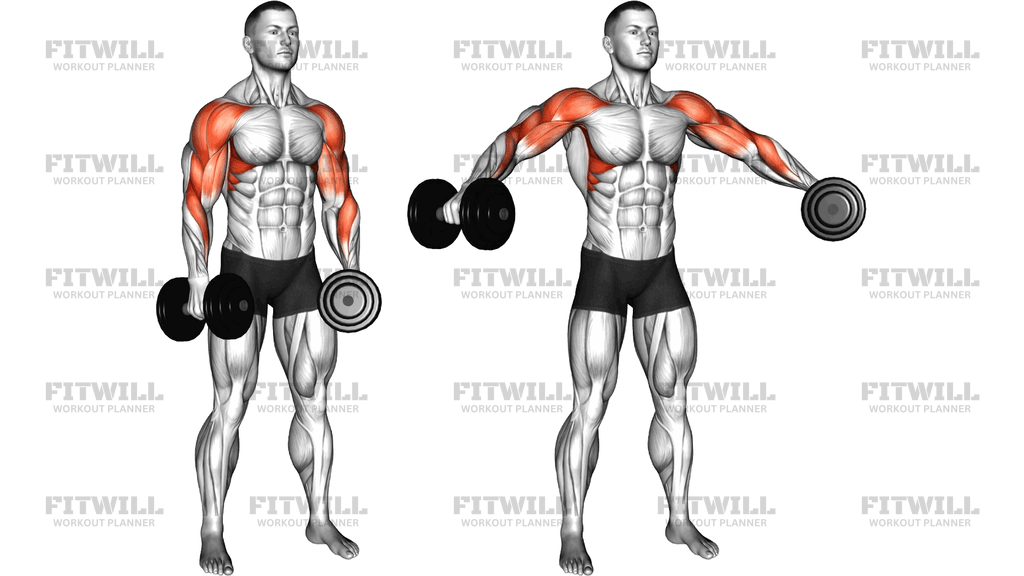
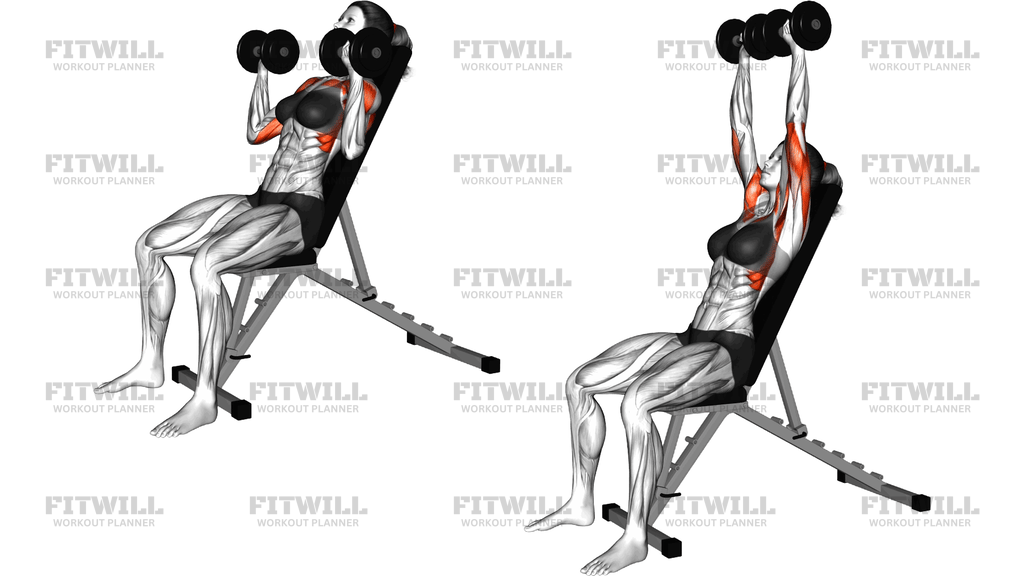
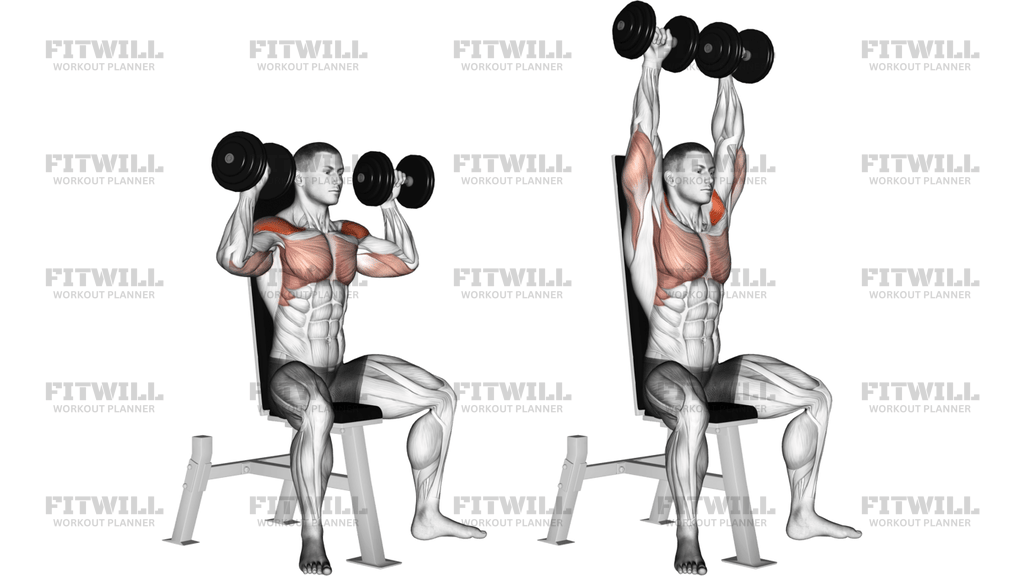
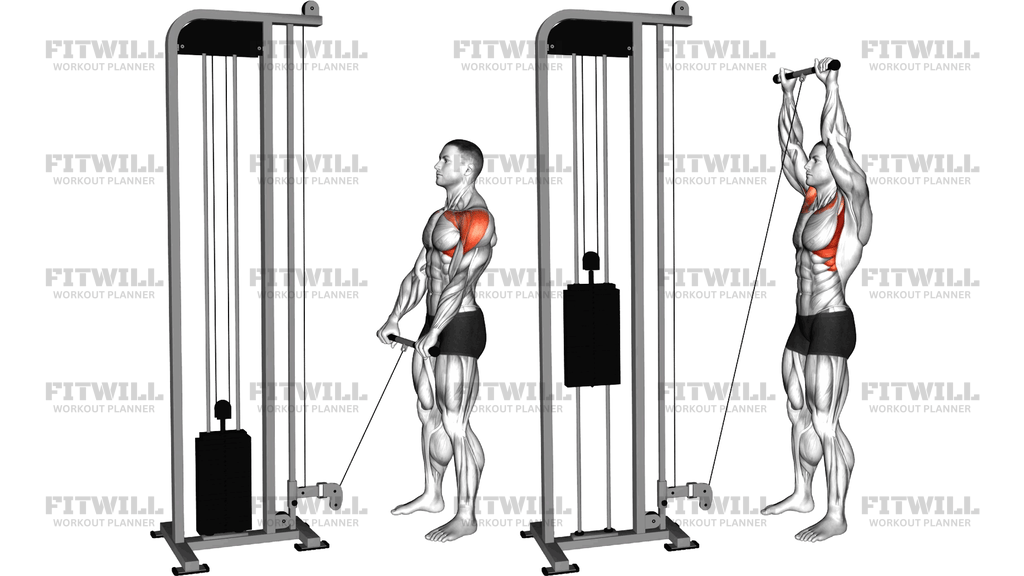
Dumbbell Incline Raise
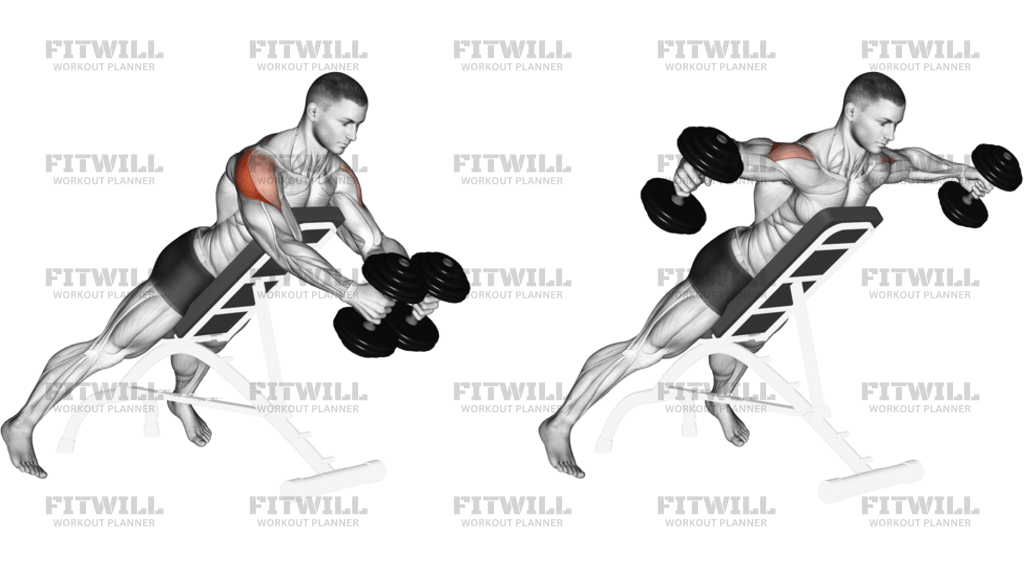
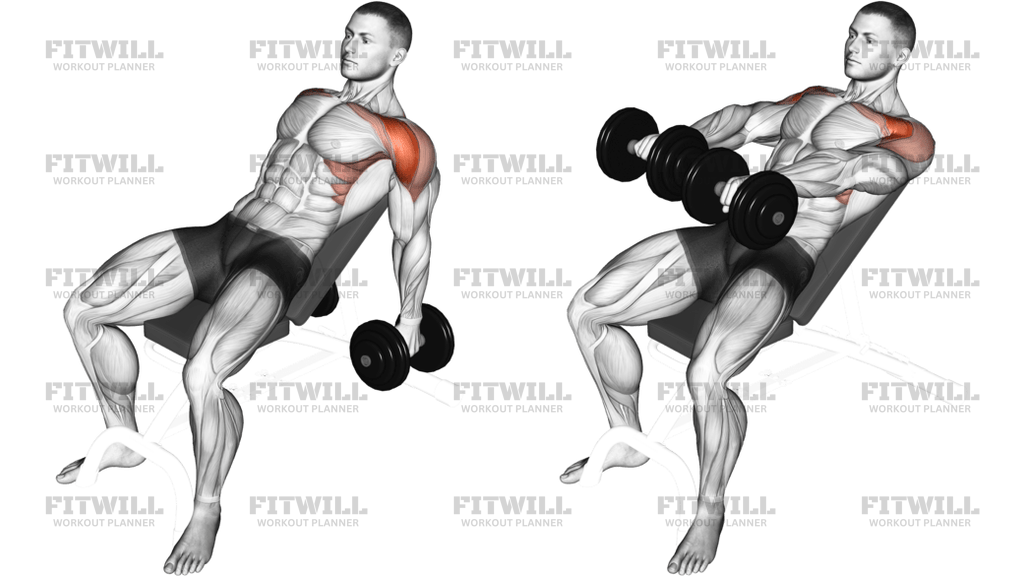
Dumbbell Incline Raise is a supported shoulder raise that uses an incline bench to take most of the body swing out of the lift. With your upper back braced against the pad, the dumbbells travel in a controlled arc instead of being thrown up with momentum, which makes the exercise a strong choice for focused shoulder work.
The main training emphasis is on the side delts, with the upper traps, rhomboids, and other upper-back stabilizers helping keep the shoulder blades organized. That support matters because the incline setup changes the leverage of the raise and makes small changes in posture, elbow path, and shrugging much easier to notice.
Dumbbell Incline Raise works best when the bench angle and body position are set before the first rep. A moderate incline gives you enough support to stay strict while still letting the arms move freely. Plant your feet, keep your ribs down, and let the dumbbells hang under control so the shoulders can do the work instead of the lower back or torso.
Each rep should feel smooth and repeatable. Raise the dumbbells in a wide arc until the upper arms reach about shoulder height, then lower them slowly without losing the line of tension. If the movement turns into a shrug, a swing, or a partial rep, the load is probably too heavy or the bench angle is too aggressive for the current set.
Dumbbell Incline Raise is useful as a shoulder accessory after presses, as part of a higher-rep hypertrophy block, or whenever you want direct delt work with less cheating than a standing raise. Keep the range clean, keep the neck relaxed, and treat the exercise as a precision movement rather than a test of how much weight you can heave.
Fitwill
Log Workouts, Track Progress & Build Strength.
Achieve more with Fitwill: explore over 9600 exercises with images and videos, access built-in and custom workouts, perfect for both gym and home sessions, and see real results.
Start your journey. Download today!




Instructions
- Set an incline bench to about 30-45 degrees and sit with your upper back against the pad and your feet planted slightly in front of your knees.
- Hold a dumbbell in each hand at your sides with your palms facing in and a soft bend in your elbows.
- Keep your ribs stacked over your pelvis, chin neutral, and shoulders relaxed away from your ears before the first rep.
- Let the dumbbells hang just outside your thighs so the starting position stays controlled and the arms can move freely.
- Lift both dumbbells in a wide arc until your upper arms reach about shoulder height or slightly below it.
- Exhale as you raise the weights and stop before your shoulders shrug or your torso shifts on the bench.
- Lower the dumbbells slowly back to the start while keeping the same elbow angle and shoulder path.
- Reset the dumbbells under control and set them down one at a time when the set is finished.
Tips & Tricks
- A 30-45 degree bench angle usually gives enough support without turning the raise into a shrug.
- Use lighter dumbbells than you would for a standing lateral raise; the bench removes cheating, so the shoulders feel the load sooner.
- Keep a small bend in the elbows from start to finish so the movement stays in the delts instead of drifting into a front raise.
- If your traps take over, lower the bench angle and think about reaching the dumbbells out rather than up.
- Stop when the upper arms reach shoulder height; going higher usually adds more shrug than delt work.
- Lower the dumbbells for two to three seconds to keep tension on the side delts through the eccentric.
- Keep the wrists stacked over the forearms so grip fatigue does not distort the arm path.
- If one arm rises faster, match the slower side instead of letting the stronger side pull ahead.
Frequently Asked Questions
What muscles does Dumbbell Incline Raise work?
Dumbbell Incline Raise mainly targets the side delts. The upper traps and upper-back muscles help stabilize the shoulder girdle while the dumbbells move.
Is Dumbbell Incline Raise good for beginners?
Yes, if you start with very light dumbbells and a moderate bench angle. The incline support makes it easier to stay strict than a standing raise, but the shoulders still need to move smoothly.
How high should I raise the dumbbells in Dumbbell Incline Raise?
Raise them until your upper arms are about level with your shoulders. Higher than that usually turns the set into a shrug and shifts tension away from the side delts.
What bench angle should I use for Dumbbell Incline Raise?
A moderate incline around 30-45 degrees works well for most lifters. Steeper angles usually make the movement feel more like a shrug, while a lower angle can reduce the free shoulder path.
Should my palms face forward or in during Dumbbell Incline Raise?
A neutral grip with the palms facing in is the simplest starting point. It usually keeps the shoulders happier and makes the dumbbells easier to track in a clean arc.
Why do I feel Dumbbell Incline Raise in my traps?
Some trap work is normal, but if they dominate the set, the dumbbells are probably too heavy or the shoulders are creeping up toward the ears. Lower the load and keep the neck long against the bench.
Is Dumbbell Incline Raise a shoulder accessory or a main lift?
It is best used as an accessory movement. It pairs well after pressing or as higher-rep delt work when you want precision rather than maximal loading.
Can I use Dumbbell Incline Raise if my shoulders do not like standing lateral raises?
Often yes, because the bench removes a lot of torso sway. If the bottom position still pinches, shorten the range or try a lower incline before giving up on the movement.