Dumbbell Lateral Raise
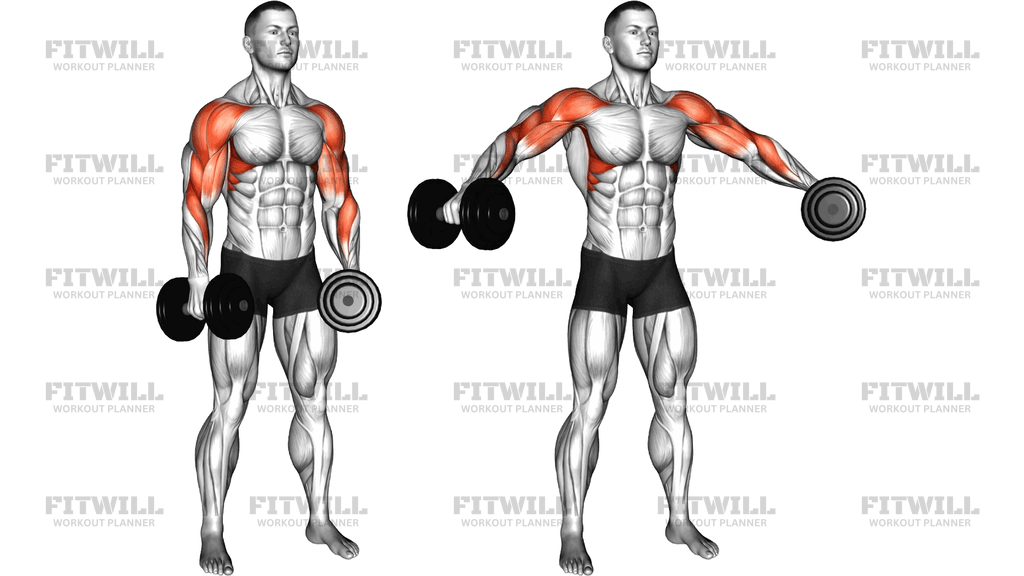
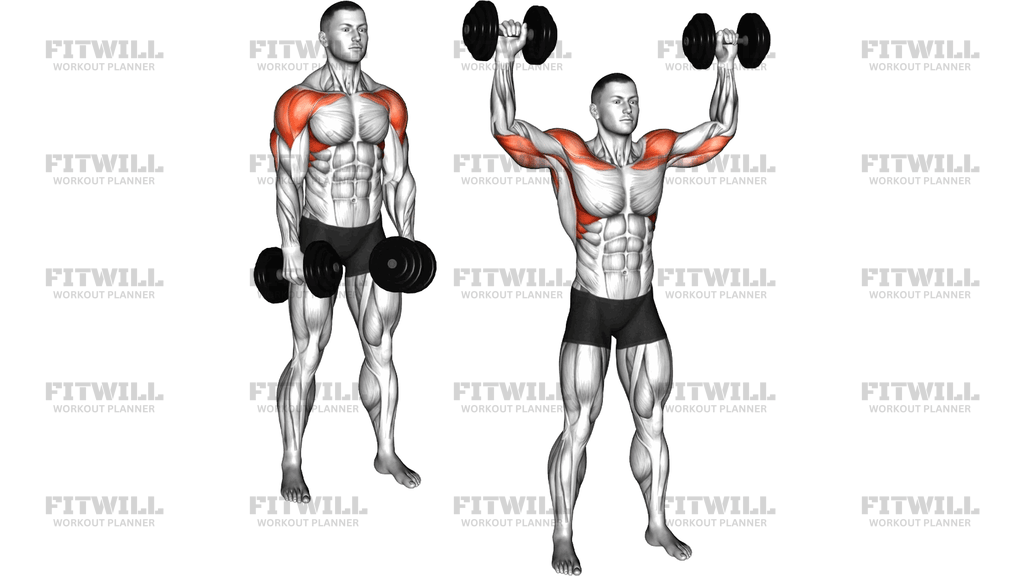
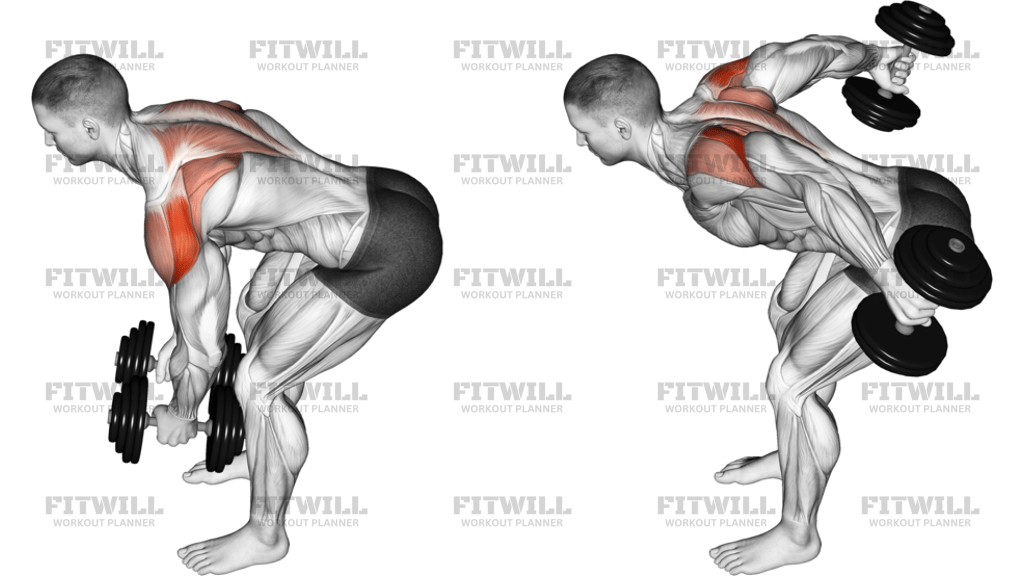
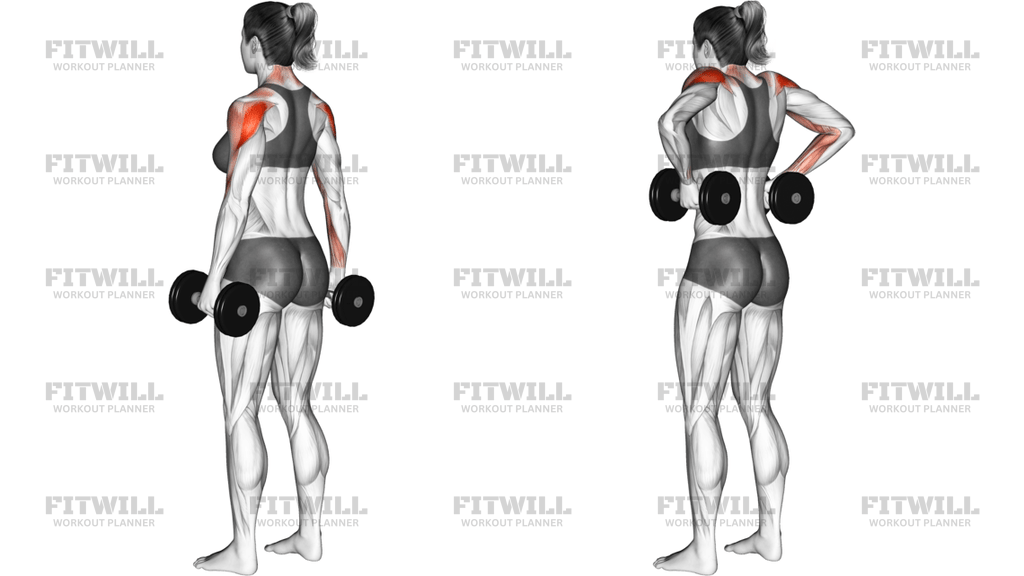
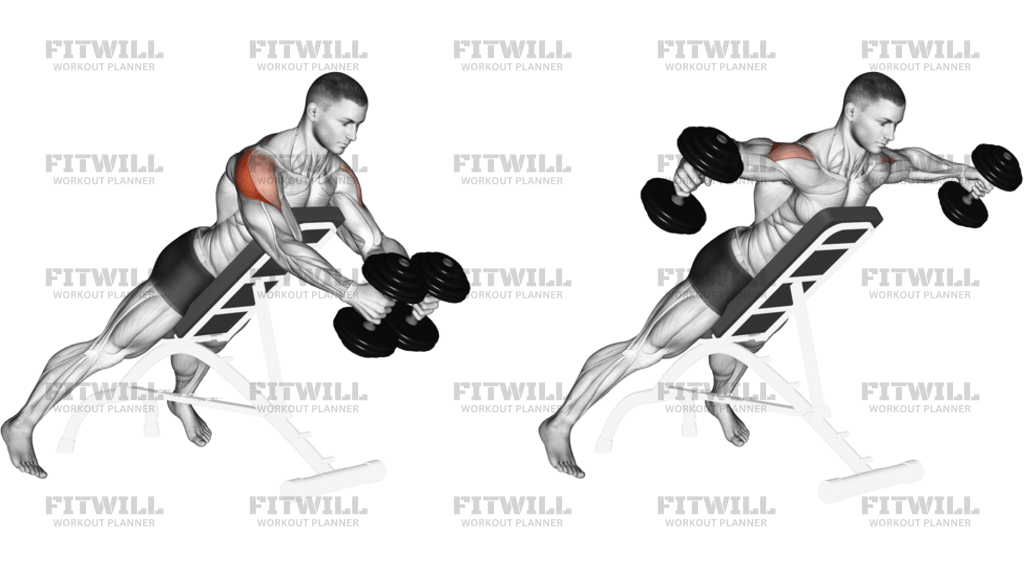
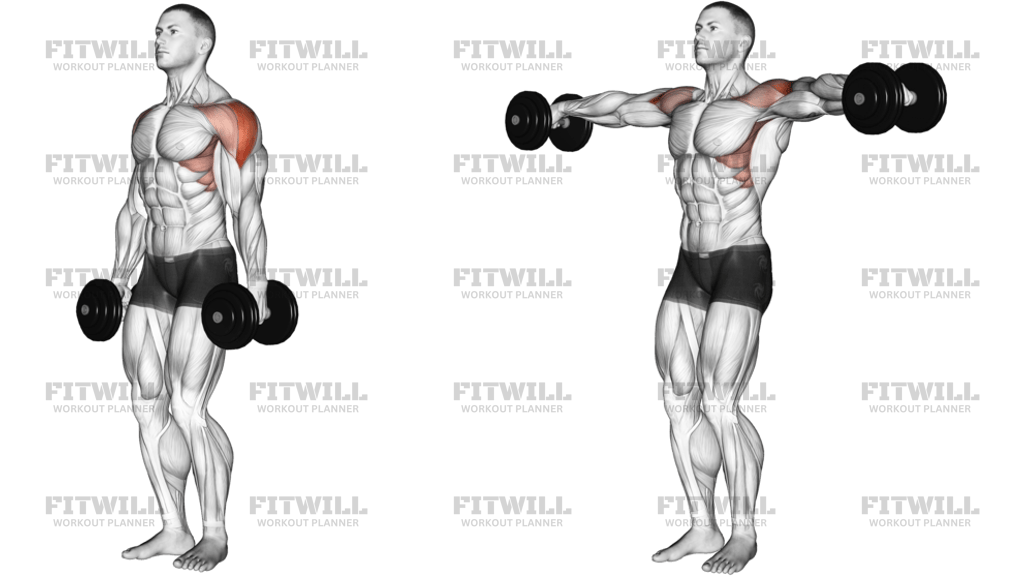
Dumbbell Lateral Raise is a standing dumbbell shoulder isolation exercise built to train the side delts through a short, controlled arc. In the image, the lifter stands tall with a dumbbell in each hand and raises both arms out to the sides until the upper arms are near shoulder height. That side-to-side path is what makes the exercise different from a press or a front raise.
The main target is the lateral head of the deltoid, with the upper traps, supraspinatus, and other shoulder stabilizers helping to keep the arms on line. Because the load starts at the sides of the body, setup matters more than load. A stable torso, neutral wrists, and a slight elbow bend keep tension on the shoulders instead of turning the lift into a swing.
Use a stance that lets you stay still from the ribs down. Feet should stay planted, knees soft, and ribcage stacked over the pelvis. Let the dumbbells hang beside the thighs at the start, then raise them out and slightly forward in a smooth arc. The elbows should lead the motion while the hands stay just below or in line with them. If the shoulders creep toward the ears, the load is too heavy or the rep is drifting out of position.
At the top, stop around shoulder height unless your structure allows a slightly lower finish that feels cleaner. Higher is not better here; once the arms climb above shoulder level, the traps usually take over and the shoulder joint can feel crowded. Lower the dumbbells with control to the start position and repeat without bouncing, leaning back, or jerking the weights upward.
This exercise is useful as a shoulder accessory after pressing work, or as a volume builder when you want more deltoid work without much chest or triceps involvement. It rewards light to moderate loading, precise tempo, and a consistent path more than maximal effort. If the movement pinches, shrugs, or turns into body English, reduce the weight or switch to a cleaner variation before forcing more reps.
[ Workout Log & Planner ]
Put your next workout in Fitwill
Keep your plan and training log ready when you are.


Instructions
- Stand with your feet about hip-width apart and hold a dumbbell in each hand at your sides.
- Stack your ribs over your pelvis, soften your knees, and let your arms hang with a small bend in both elbows.
- Set your shoulders down away from your ears before the first rep begins.
- Start each rep with the dumbbells just outside your thighs and your wrists neutral.
- Raise both arms out to the sides in a wide arc, letting the elbows lead the movement.
- Keep the dumbbells slightly in front of your body if that path feels smoother on your shoulders.
- Lift until your upper arms reach about shoulder height, or just below it if that keeps the rep cleaner.
- Pause briefly at the top without shrugging or leaning back.
- Lower the dumbbells slowly to your sides along the same path, then reset before the next rep.
Tips & Tricks
- Choose a lighter pair than you would for a press; lateral raises get sloppy quickly when the load is too ambitious.
- Keep the elbow bend almost fixed from start to finish so the movement does not turn into a front raise or a row.
- Think about moving the elbows out and up while the hands stay just below them.
- If your traps take over, lower the dumbbells sooner and stop chasing height with the shoulders.
- A slight forward angle in the lift path often feels better than dragging the arms perfectly straight out to the sides.
- Keep your thumbs level with or slightly above your pinkies instead of aggressively tipping the dumbbells inward.
- Use a slow lowering phase so the side delts stay under tension instead of letting gravity yank the weights down.
- If you have to lean back, bounce, or step around to finish the rep, the set is too heavy for strict lateral raises.
Frequently Asked Questions
What muscles does Dumbbell Lateral Raise work?
It mainly targets the lateral deltoids, which are the side shoulders. The upper traps and smaller shoulder stabilizers help control the dumbbells, but they should not dominate the lift.
How high should I raise the dumbbells?
Most lifters should stop around shoulder height, or a little below if that keeps the rep smooth. Going much higher usually shifts tension to the traps.
Should my elbows stay bent during Dumbbell Lateral Raise?
Yes, but only with a slight bend that stays almost the same throughout the set. If the elbow angle changes a lot, the rep usually turns into a different movement.
Why do I feel Dumbbell Lateral Raise in my traps instead of my side delts?
That usually means the dumbbells are too heavy, the shoulders are shrugging up, or the arms are being lifted too high. Reduce the load and keep the shoulders down as you raise.
Is it better to stand or sit for this exercise?
Standing matches the image and adds a little body control demand, while sitting reduces cheating. Both are valid if the dumbbells still move in a clean side raise.
Can I do this with neutral palms or should I turn the dumbbells?
Neutral or slightly turned-in hands are both used, but the important part is keeping the wrists stacked and the shoulders comfortable. If one wrist angle pinches, change it before changing the load.
What is the most common mistake in Dumbbell Lateral Raise?
Using too much weight and swinging the torso is the most common error. Once the body starts helping, the shoulders lose tension and the rep quality drops fast.
Can beginners use Dumbbell Lateral Raise safely?
Yes, as long as the weight is light and the range stays controlled. Beginners should focus on a smooth arc and pain-free shoulder motion before adding more load.
What should I do if my shoulders feel pinched at the top?
Shorten the range, raise the arms slightly in front of the body instead of directly out to the sides, and use a lighter weight. If pinching continues, choose a different shoulder exercise.