Dumbbell One-Arm Concentration Curl On Stability Ball
Dumbbell One-Arm Concentration Curl On Stability Ball is a strict single-arm curl that pairs the focused arm path of a concentration curl with the balance demand of a stability ball. The working upper arm is braced against the inner thigh, which helps keep the shoulder quiet and puts more of the work into elbow flexion instead of body English. That makes it a strong option when you want clean biceps work without much torso swing.
The stability ball changes the feel of the exercise even though the curl itself stays simple. You have to stay centered on the ball, keep your feet planted, and avoid sliding or twisting while the dumbbell moves. That extra control demand makes the exercise useful for building concentration, symmetry, and honest reps on each side.
The main target is the biceps, with help from the brachialis, brachioradialis, and forearm flexors. Because the upper arm is braced against the thigh, the curl is easier to keep isolated than a standing curl, but the setup matters more: if you sit too upright, too wide, or too unstable, the shoulder and torso will start helping the lift.
Perform Dumbbell One-Arm Concentration Curl On Stability Ball with a smooth curl and a slow return. Start with the arm hanging long, curl the dumbbell toward the shoulder without letting the elbow leave the thigh, then lower until the elbow is almost straight again. The top of the rep should feel like a hard squeeze in the front of the upper arm, not a shrug or a twist through the torso.
This variation works well as a finishing exercise after heavier pulling or pressing work, or as a controlled accessory movement when you want one side to catch up to the other. It is also a good choice when the wrist, elbow, or shoulder needs a more predictable path than a freer standing curl. Keep the load modest enough that the ball stays still and the arm does the work.
Treat the stability ball as part of the exercise, not just a seat. If the ball rolls, your torso rocks, or your elbow loses contact with the thigh, the set has stopped being a concentration curl. A lighter dumbbell and a cleaner path will usually build better biceps tension than chasing a weight that forces you to cheat.
Fitwill
Log Workouts, Track Progress & Build Strength.
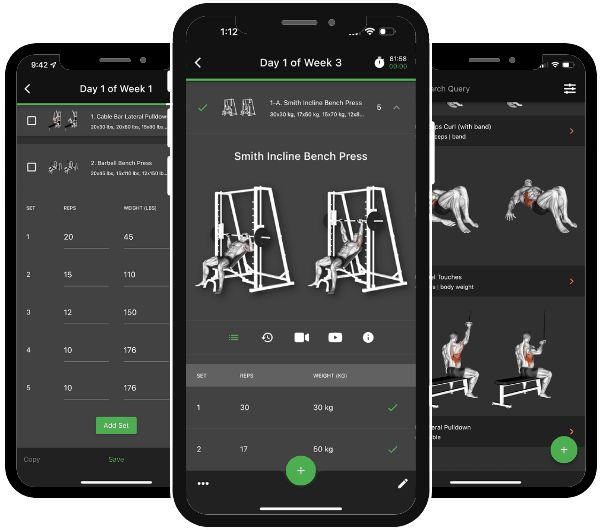
Achieve more with Fitwill: explore over 5000 exercises with images and videos, access built-in and custom workouts, perfect for both gym and home sessions, and see real results.
Start your journey. Download today!


Instructions
- Sit on a stability ball with your feet flat and set your working-side foot a little wider so you can stay balanced.
- Hold one dumbbell in the working hand and lean forward just enough to rest the back of your upper arm against the inner thigh of the same side.
- Let the dumbbell hang straight down with your palm facing up and your wrist stacked over the handle.
- Keep your chest angled slightly forward and your free hand resting on the opposite thigh for balance.
- Curl the dumbbell by bending only the elbow, keeping the upper arm pressed into the inner thigh.
- Bring the dumbbell toward the front of the shoulder without letting the elbow slide away from the leg.
- Pause briefly at the top and squeeze the biceps without rolling the shoulder forward.
- Lower the dumbbell slowly until the arm is almost straight and the forearm is under control again.
- Reset your posture on the ball before the next rep, then switch sides and repeat the same path.
Tips & Tricks
- Keep the dumbbell close to the inside of your thigh on the way up; if it drifts forward, the shoulder starts helping the curl.
- A slightly forward torso angle usually makes the upper arm contact more secure than sitting perfectly upright on the ball.
- Use a grip that keeps the wrist straight instead of letting the hand bend back as the dumbbell gets near the top.
- If the ball shifts under you, widen your feet and lower the load before adding more reps.
- Pause for a full squeeze at the top only if the elbow stays pinned; a loose elbow turns the rep into a swing.
- Lowering should feel slower than lifting, because the return phase is where this curl can lose tension fast.
- Stop the set when your torso starts rocking side to side to finish the rep.
- Match the first rep and the last rep to the same elbow path; the set is only useful if the range stays consistent.
Frequently Asked Questions
What muscles does Dumbbell One-Arm Concentration Curl On Stability Ball work?
Dumbbell One-Arm Concentration Curl On Stability Ball mainly trains the biceps, with the brachialis, brachioradialis, and forearm flexors helping as secondary muscles. The stability ball adds extra work for balance and position, but the curl should still feel isolated to the working arm.
Where should my upper arm go during Dumbbell One-Arm Concentration Curl On Stability Ball?
Your upper arm should stay pressed against the inner thigh of the same side for most of the rep. That contact keeps the shoulder from drifting forward and helps the curl stay strict.
Is Dumbbell One-Arm Concentration Curl On Stability Ball beginner-friendly?
Yes, if you start light and can sit steady on the ball without wobbling. Beginners usually do best with a controlled tempo and a short pause only if the elbow stays fixed against the thigh.
How should the dumbbell travel in Dumbbell One-Arm Concentration Curl On Stability Ball?
The dumbbell should travel in a smooth arc from below the knee area toward the front of the shoulder, then back down along the same path. If it swings away from the leg, the rep stops being a concentration curl.
What is the main mistake on the stability ball?
The most common mistake is rocking the torso or rolling the ball to help finish the curl. If that happens, widen your stance and reduce the dumbbell weight until the ball stays still.
Can I use Dumbbell One-Arm Concentration Curl On Stability Ball for both arms evenly?
Yes. Work one side at a time and match the same elbow path, tempo, and rep count on both sides so the stronger arm does not take over.
How heavy should I use for Dumbbell One-Arm Concentration Curl On Stability Ball?
Use a weight that lets you keep the upper arm pinned to the thigh and the wrist straight for every rep. If the shoulder rolls forward or the ball starts shifting, the dumbbell is too heavy.
What should I do if my wrist bends during the curl?
Lower the dumbbell slightly and reset your wrist so the knuckles, forearm, and handle line up. A bent wrist usually means the load is too heavy or the grip is drifting during the last part of the rep.
What is a good substitute if I do not have a stability ball?
A seated concentration curl on a bench or box is the closest substitute. You can keep the same elbow-to-thigh contact and the same single-arm curl path without the extra balance challenge.