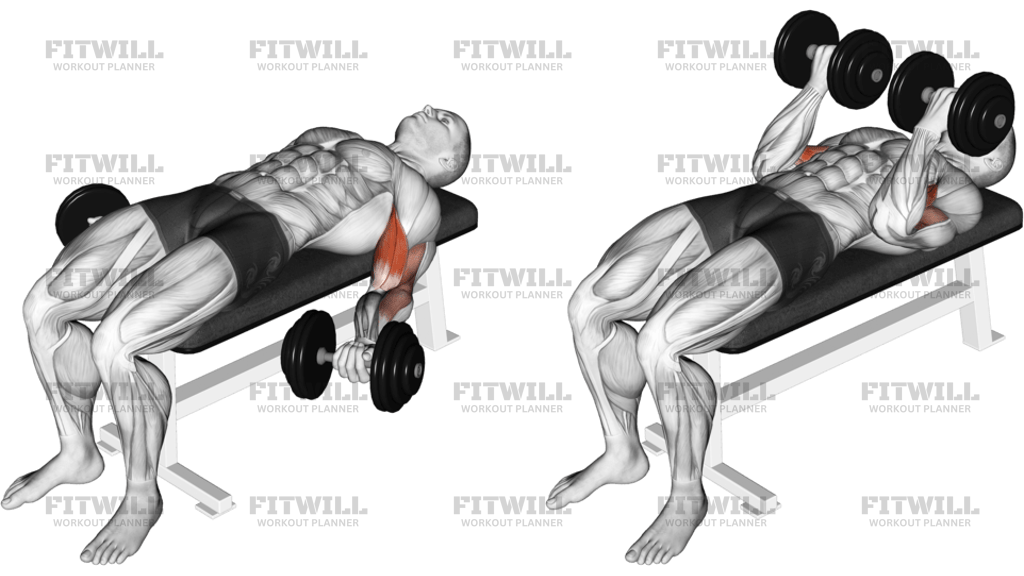
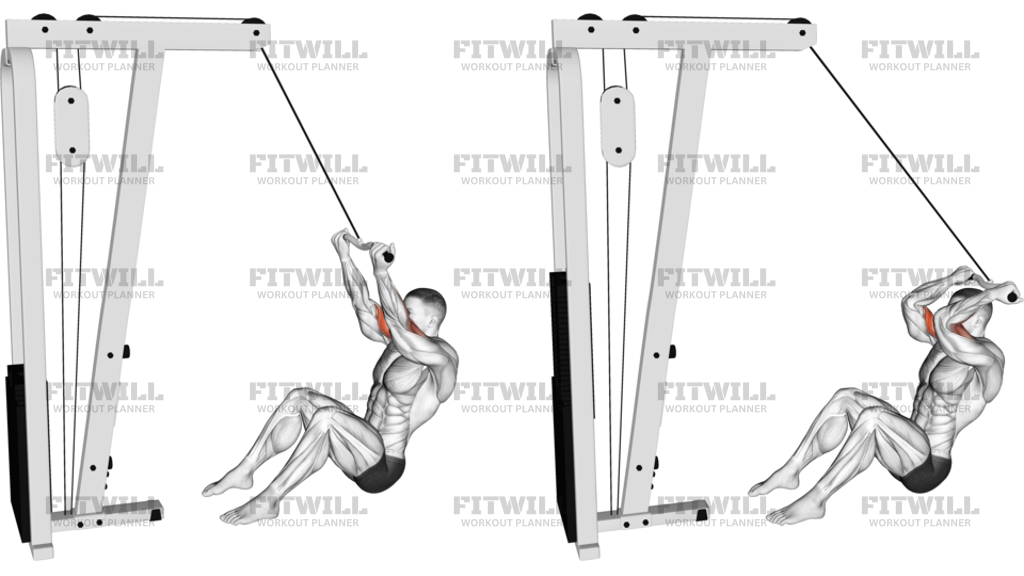
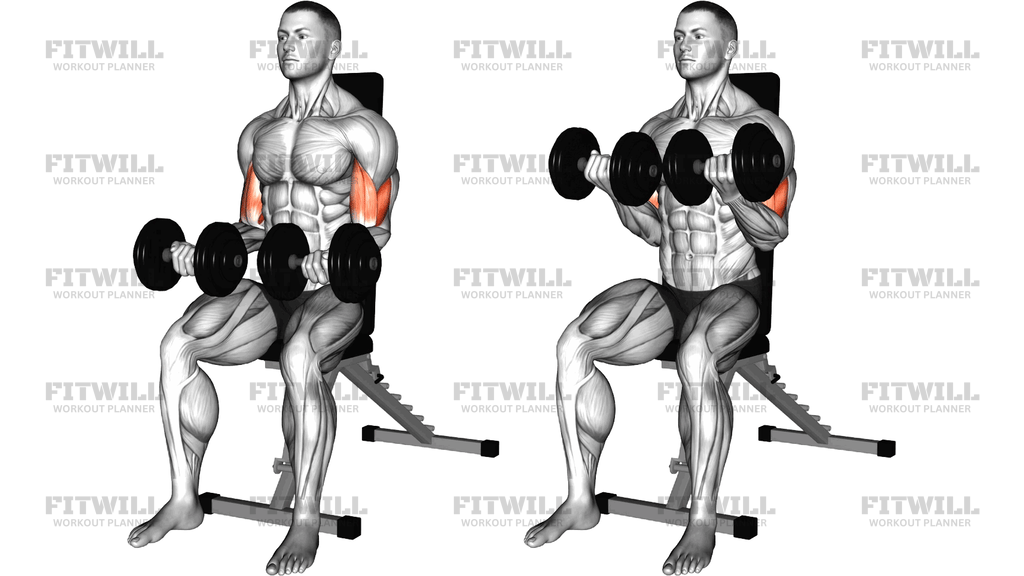
Dumbbell Prone Incline Curl
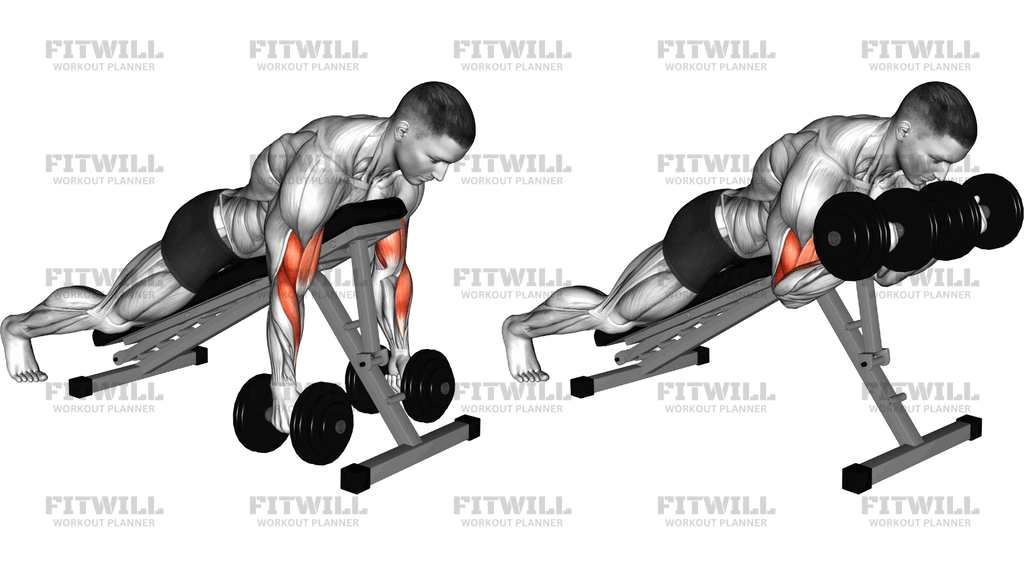
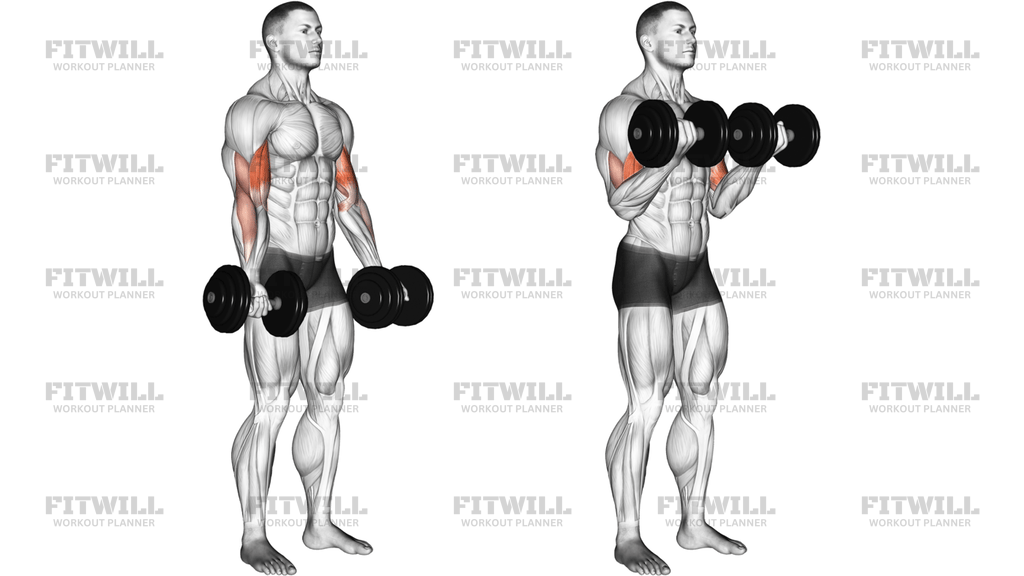
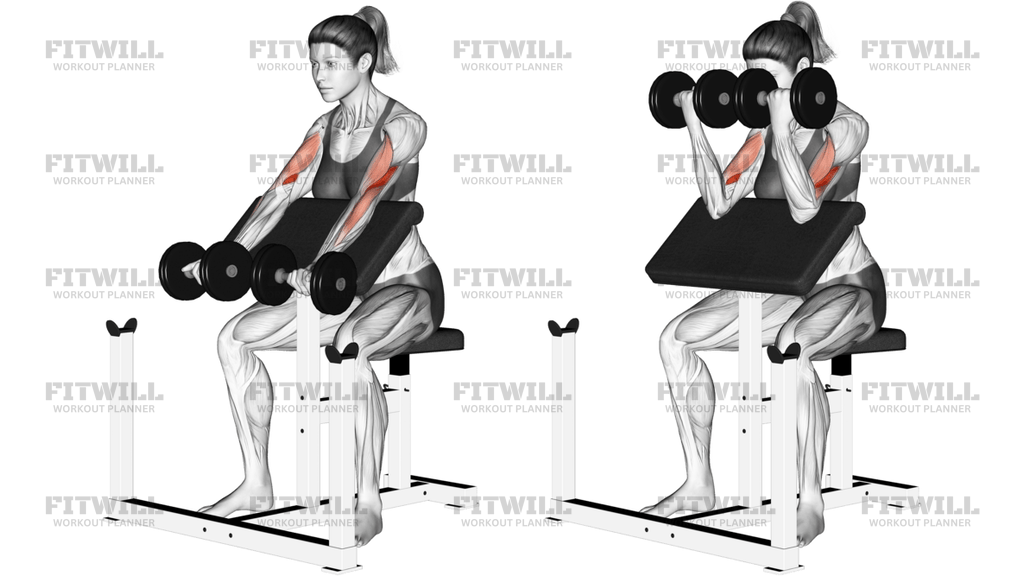
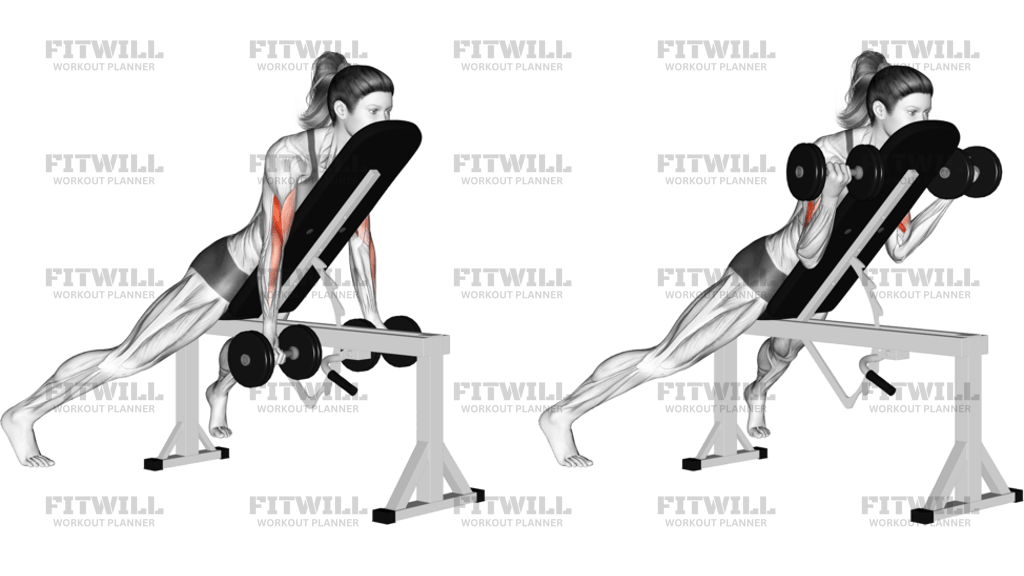
Dumbbell Prone Incline Curl is a chest-supported dumbbell curling exercise for the upper arms that places the torso face-down on an incline bench and removes most of the body English that can creep into standing curls. The setup keeps the shoulders and rib cage fixed so the elbows have to do the work, making each repetition cleaner and easier to repeat with the same path.
This movement primarily targets the biceps while the brachialis, brachioradialis, and forearm flexors help control the dumbbells and stabilize the wrist and elbow. Because the bench supports the chest and abdomen, the curl is less about swinging the weight and more about keeping tension on the arm through a strict elbow bend and a controlled lower.
The bench angle matters. A moderate incline gives the arms room to hang vertically and lets the elbows extend fully without the shoulders rolling forward. If the bench is too steep, the movement starts to feel like an upright curl with less support; if it is too shallow, the dumbbells can run into the floor or the shoulder position can become awkward. The right setup should feel stable before the first rep leaves the bottom.
On each repetition, let the arms hang long, then curl the dumbbells by bending only at the elbows. Keep the upper arms still against gravity, lift until the biceps are fully shortened, and lower the weights slowly until the elbows are straight again. The controlled eccentric is part of the training effect, so resist the urge to drop the dumbbells back into the bottom position.
Use Dumbbell Prone Incline Curl when you want strict biceps work, a stable accessory movement, or a curl variation that limits cheating after heavier compound lifts. It is also useful for lifters who want to reduce low-back involvement or keep the torso quiet while they focus on arm growth and elbow-flexion strength. Beginners can use it safely with light dumbbells and a moderate bench angle, provided the shoulders stay pinned to the pad and the wrists do not collapse backward.
[ Workout Log & Planner ]
Put your next workout in Fitwill
Keep your plan and training log ready when you are.


Instructions
- Set an incline bench to a moderate angle and lie chest-down with your sternum supported and your head clear of the top pad.
- Hold a dumbbell in each hand with your arms hanging straight toward the floor and your palms turned up for the curl.
- Plant your feet wide enough to stay still and keep your chest and hips glued to the bench before you lift.
- Brace lightly so your lower back stays quiet and your shoulders do not shrug toward your ears.
- Curl both dumbbells by bending only at the elbows and keep your upper arms still against the bench line.
- Bring the dumbbells up until the biceps are fully shortened and the forearms are close to vertical.
- Lower the weights slowly until your elbows are straight and the arms are long without letting the shoulders roll forward.
- Breathe out as you curl and breathe in as you return to the bottom.
- Reset the dumbbells under control, then repeat for the planned number of reps.
Tips & Tricks
- A 30 to 45 degree bench angle usually gives enough support without turning the curl into a steep shoulder-dominant position.
- Let the upper arms stay quiet; if your elbows drift backward or forward, the set stops being a strict prone curl.
- Use a lighter load than you would for standing curls because the chest support makes cheating unnecessary but the bottom position harder.
- Keep the wrists stacked over the forearms so the dumbbells do not fold your wrists back at the top.
- Pause briefly near the top to remove momentum and make the biceps finish each rep instead of the bounce.
- Lower the dumbbells slower than you lift them; the long eccentric is where this variation does a lot of its work.
- If the front of the shoulders feel crowded, move the bench a little higher or reduce the incline before changing the load.
- Stop the set when you can no longer keep both shoulders pressed into the pad and the elbows fixed in place.
Frequently Asked Questions
What muscle does Dumbbell Prone Incline Curl target most?
The biceps are the main target, with the brachialis and brachioradialis helping through the curl.
Why use a prone incline bench instead of standing curls?
The chest-supported bench removes most torso swing, so the elbows have to flex the load more strictly.
What grip should I use on the dumbbells?
Use a supinated grip with the palms turned up so the curl stays focused on elbow flexion and biceps tension.
How steep should the incline bench be?
A moderate incline is usually best because it supports the chest while still letting the arms hang straight down.
Can beginners perform this exercise?
Yes. Start light, keep your chest planted on the bench, and use a smooth curl with no shoulder movement.
What is the most common form mistake?
The biggest mistake is letting the upper arms drift or the shoulders shrug, which turns the curl into a less strict movement.
How do I know the dumbbells are too heavy?
If you have to swing the weights, lose the chest contact, or shorten the lowering phase, the load is too high.
What should I feel at the top of the rep?
You should feel a strong squeeze in the biceps, not a pinch in the shoulder or a wrist collapse.
Where does this fit in a workout?
It works well as accessory biceps work after bigger pulls or presses, when you want strict arm volume without torso fatigue.