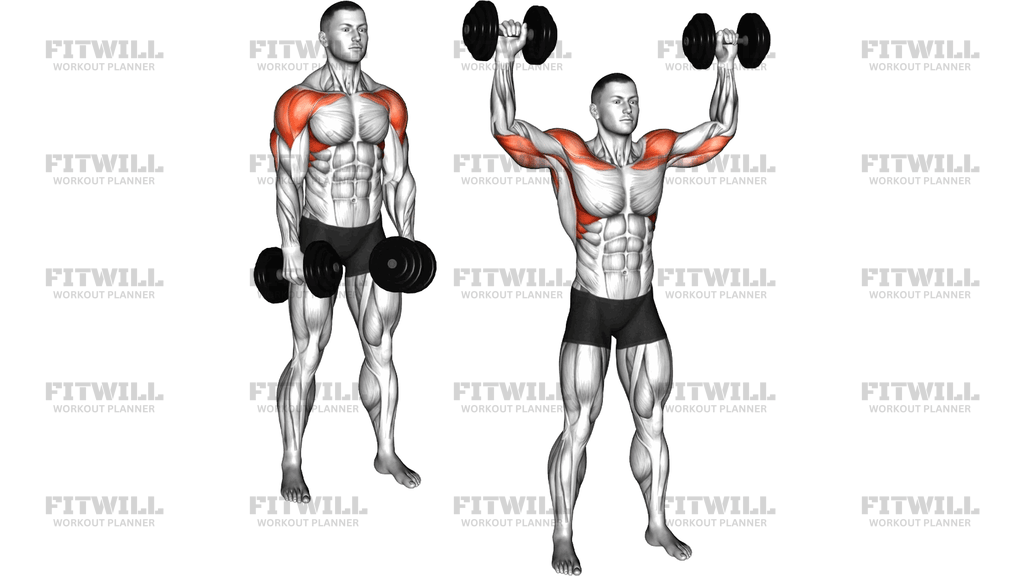
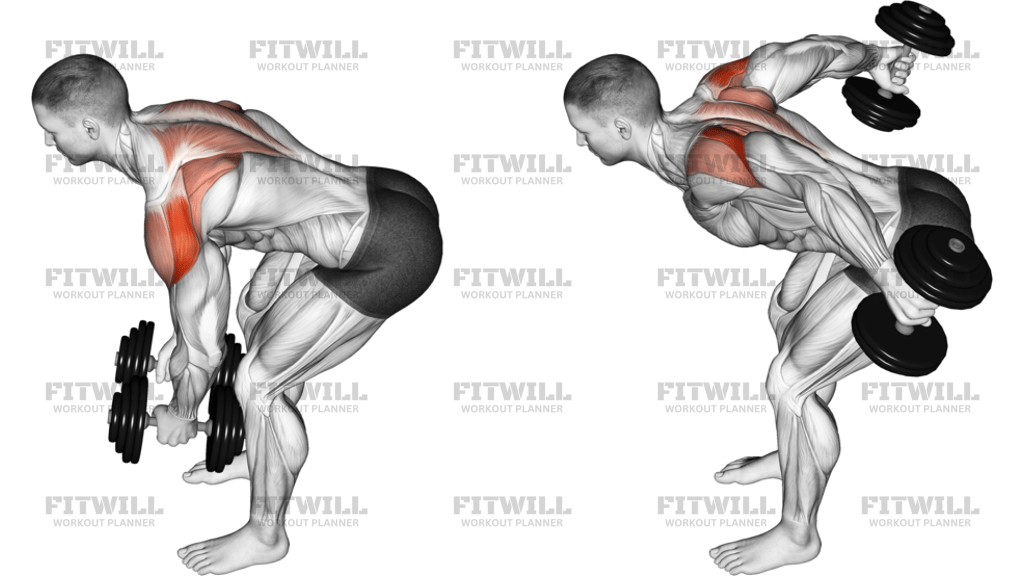
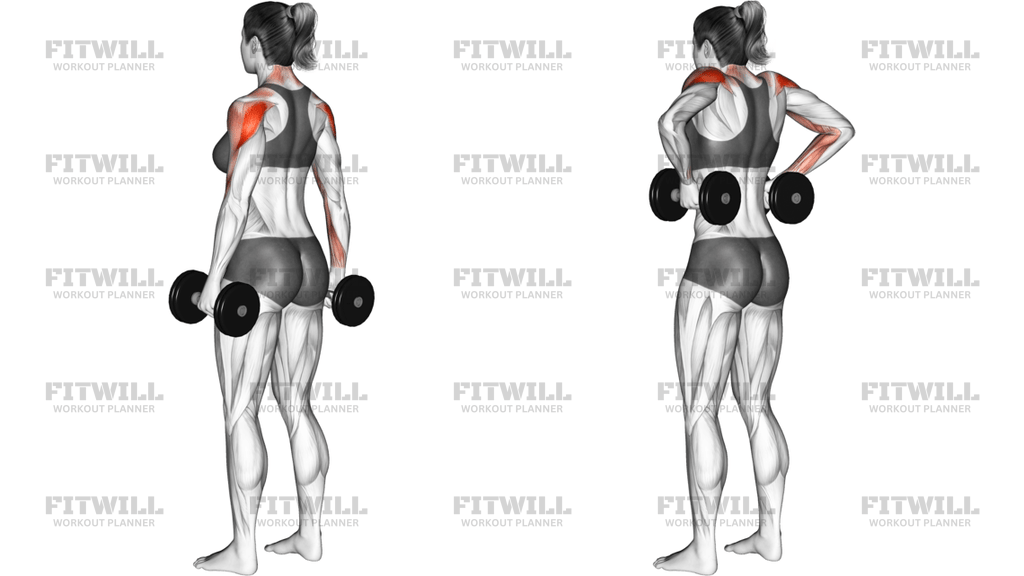
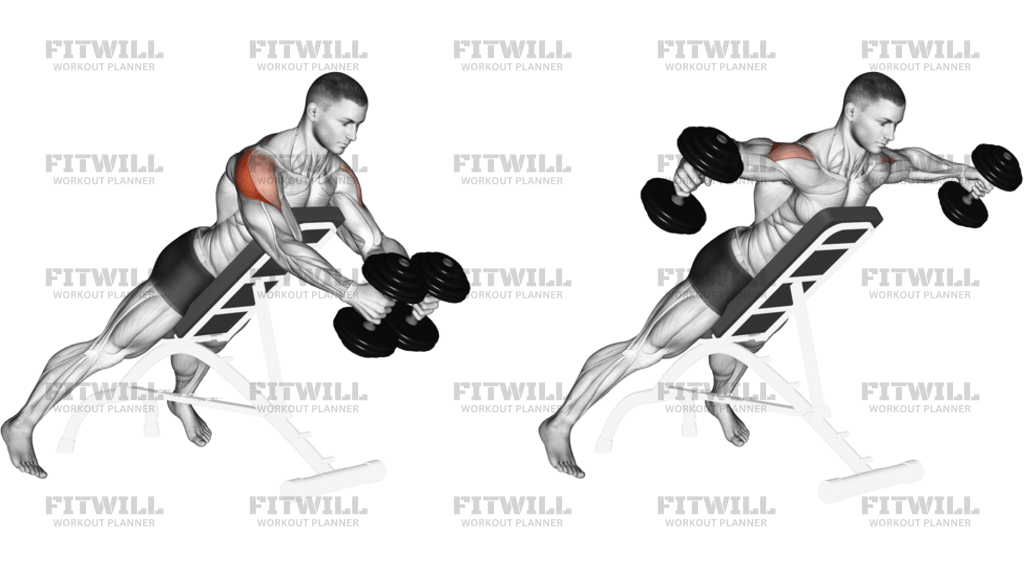
Dumbbell One-Arm Lateral Raise
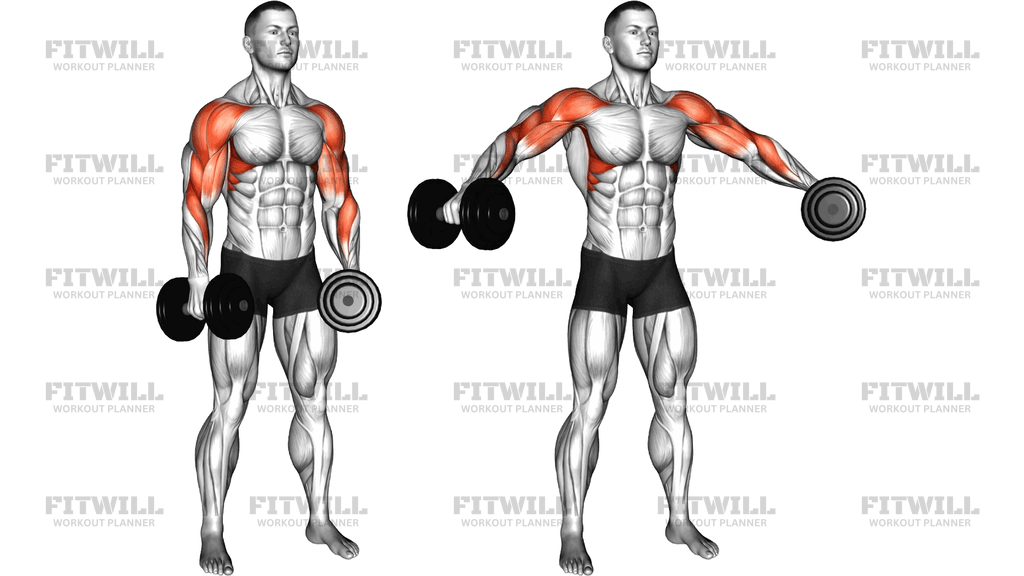
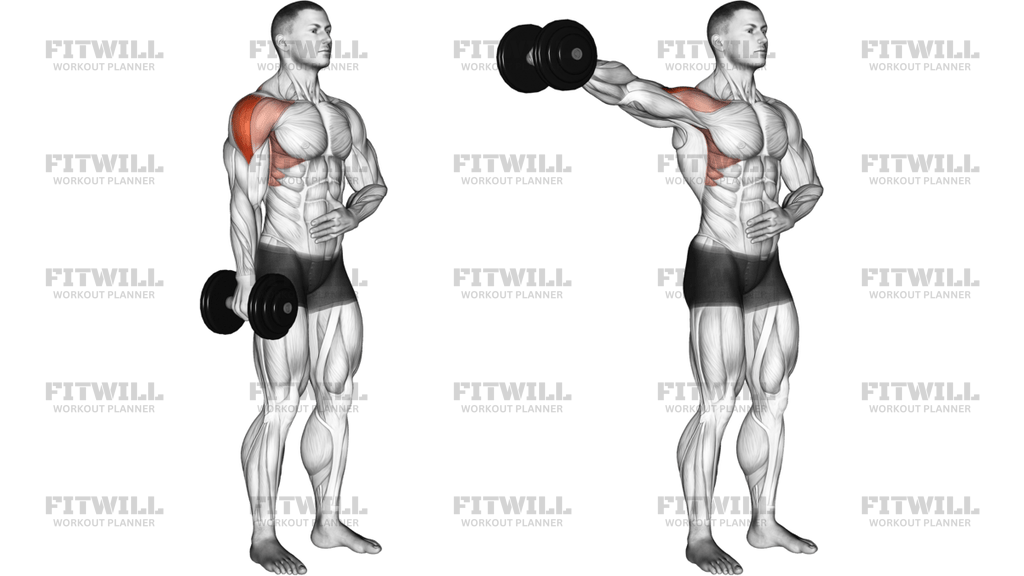
Dumbbell One-Arm Lateral Raise is a standing single-arm shoulder isolation exercise that uses a light dumbbell to train the side delts while asking the upper traps, rotator cuff, and trunk to keep the body steady. The free hand is often braced on the hip or lower ribs so the working side can stay honest and the torso does not drift into a lean. It is a small-looking movement, but the training effect depends heavily on the path of the dumbbell and the quality of the shoulder position.
The lift is most useful when you want to build shoulder width, improve side-delt control, or give the pressing muscles a focused accessory challenge without loading the elbows or spine the way heavier compound lifts do. Because the arm is moving away from the body in a wide arc, the exercise rewards strict tempo, a quiet torso, and a smooth finish at or just below shoulder height. When the weight gets too heavy, the upper traps and body swing take over quickly, so the best version usually looks lighter than people expect.
Set up tall with the feet about hip width apart and the dumbbell hanging by the working thigh. Keep the shoulder blade settled down, the neck long, and the rib cage stacked over the pelvis. The non-working hand can rest on the hip or stomach for feedback, but do not press the torso backward to create fake range. The wrist should stay neutral and the elbow should remain softly bent throughout the rep.
From there, raise the dumbbell out and slightly forward in the scapular plane rather than straight out to the side like a rigid T. That small angle usually feels smoother on the shoulder and keeps the side delt under tension longer. Stop when the upper arm reaches roughly shoulder height, pause briefly without shrugging, and lower under control until the dumbbell returns near the thigh. Keep breathing steady and reset each rep before starting the next one.
Use this exercise as a controlled accessory movement, not a test of max load. It fits well in shoulder or upper-body sessions after pressing or pulling work, and it is often useful when one side needs extra attention or when the lifter benefits from unilateral feedback. If the shoulder pinches, the torso twists, or the hand has to swing to reach the top, reduce the load and range until the motion is smooth again.
[ Workout Log & Planner ]
Put your next workout in Fitwill
Keep your plan and training log ready when you are.


Instructions
- Stand tall with the working dumbbell hanging by the outside of the thigh and the free hand braced on the hip or stomach.
- Set your feet about hip width apart and keep your weight centered instead of leaning toward the working side.
- Keep the shoulder down away from your ear and let the wrist stay neutral before you begin.
- Maintain a soft bend in the elbow so the arm stays long without locking out.
- Raise the dumbbell in a smooth arc out and slightly forward, not straight back behind the body.
- Lift only until the upper arm is around shoulder height, or a little lower if that feels cleaner.
- Pause for a moment at the top without turning the lift into a shrug.
- Lower the dumbbell slowly until it returns near the thigh and the shoulder is set again.
- Reset your posture before the next rep instead of bouncing directly into it.
Tips & Tricks
- Choose a load that lets you stay strict for every rep; lateral raises usually break down long before they feel heavy.
- Let the elbow travel first so the dumbbell follows the arm arc instead of the hand trying to yank the weight upward.
- Keep the pinky from leading the motion hard upward, which often turns the top of the rep into an internal-rotation shrug.
- If the shoulder feels pinchy, lower the arm a little in front of the body rather than forcing a straighter side raise.
- Avoid leaning away from the working arm to buy fake range; the torso should stay stacked and quiet.
- A brief pause at the top works better than a long hold if you want tension without trap takeover.
- Use a slower lowering phase than lifting phase so the delt stays loaded through the whole arc.
- If the dumbbell drifts in front of the chest or behind the hip, the shoulder is no longer doing the same job rep to rep.
- Stop the set when you need momentum, because swinging usually shifts the work away from the side delt.
Frequently Asked Questions
What muscles does Dumbbell One-Arm Lateral Raise work?
It primarily trains the side delts, with the upper traps and rotator cuff helping stabilize the shoulder. The trunk and standing leg also work to keep the torso from leaning or twisting.
Is Dumbbell One-Arm Lateral Raise beginner-friendly?
Yes, as long as the load is light and the arm path stays smooth. Beginners usually need a smaller range and slower tempo before they can keep the shoulder quiet.
Should I raise the dumbbell straight out to the side?
Not exactly. A slight angle forward in the scapular plane is usually more comfortable and keeps the rep aligned with the shoulder joint.
What is the most common mistake with the one-arm version?
Shrugging the shoulder or leaning the torso to force the dumbbell higher is the biggest issue. Both usually reduce delt tension and make the movement less controlled.
Why do many people stop around shoulder height?
Around shoulder height is usually enough to fully challenge the side delt without turning the rep into a trap-dominant shrug. Going higher often adds compensation more than useful tension.
Can I rest my free hand on my hip?
Yes. Bracing the free hand on the hip or lower ribs can help you keep the torso stacked and notice unwanted leaning more easily.
What if the top of the rep hurts my shoulder?
Shorten the range, keep the arm slightly in front of the body, and reduce the load. A smooth pain-free arc matters more than reaching a textbook height.
How should I progress this exercise?
Progress by cleaning up the path, slowing the lowering phase, and adding small load jumps only after every rep stays strict. One-arm lateral raises reward control more than heavy weight.