Dumbbell Raise
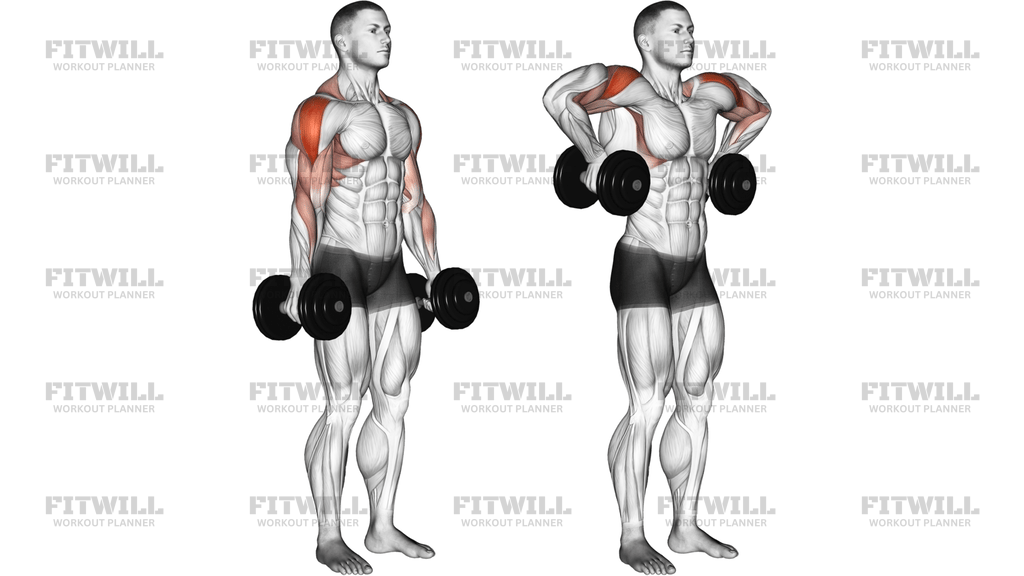
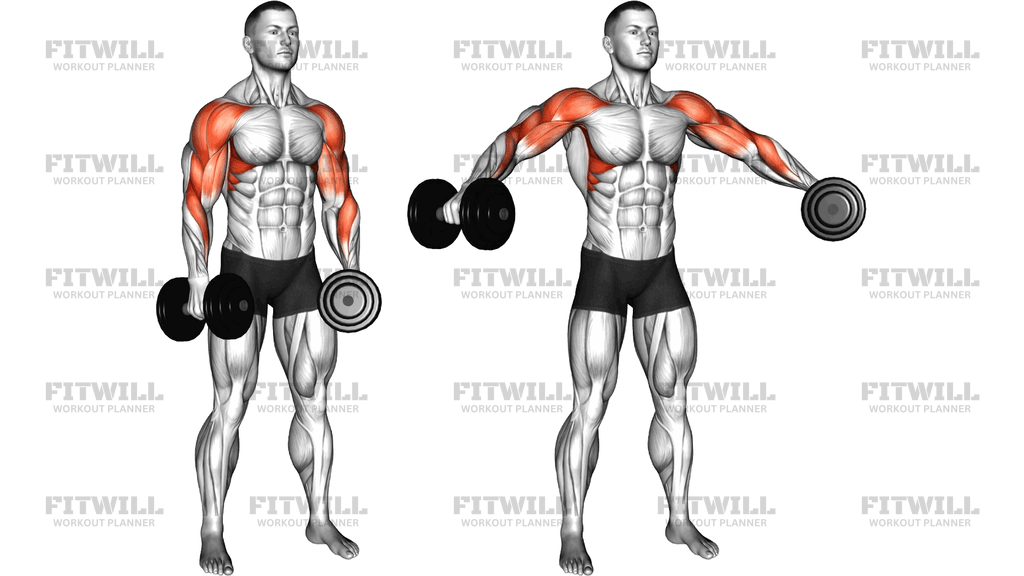
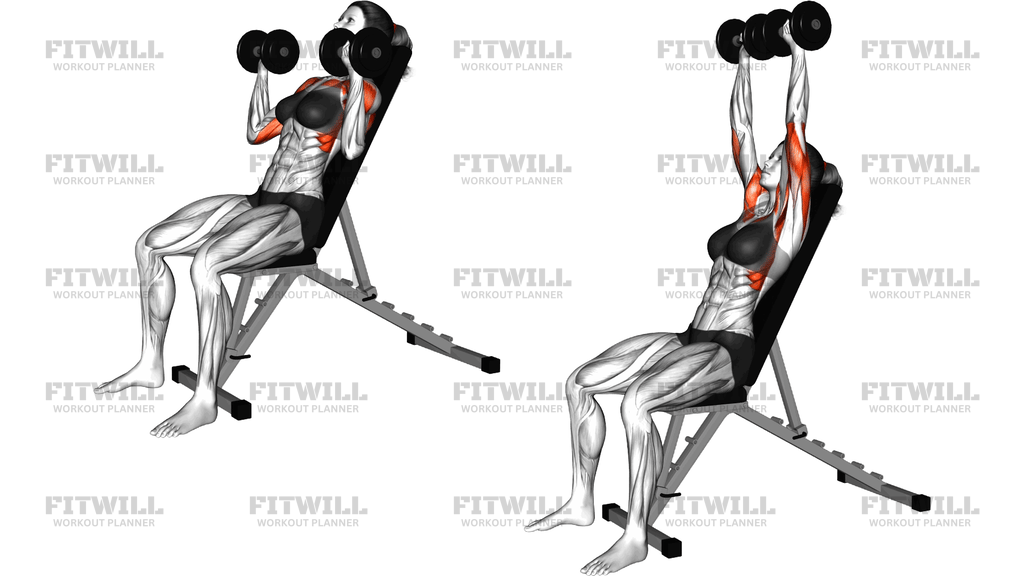
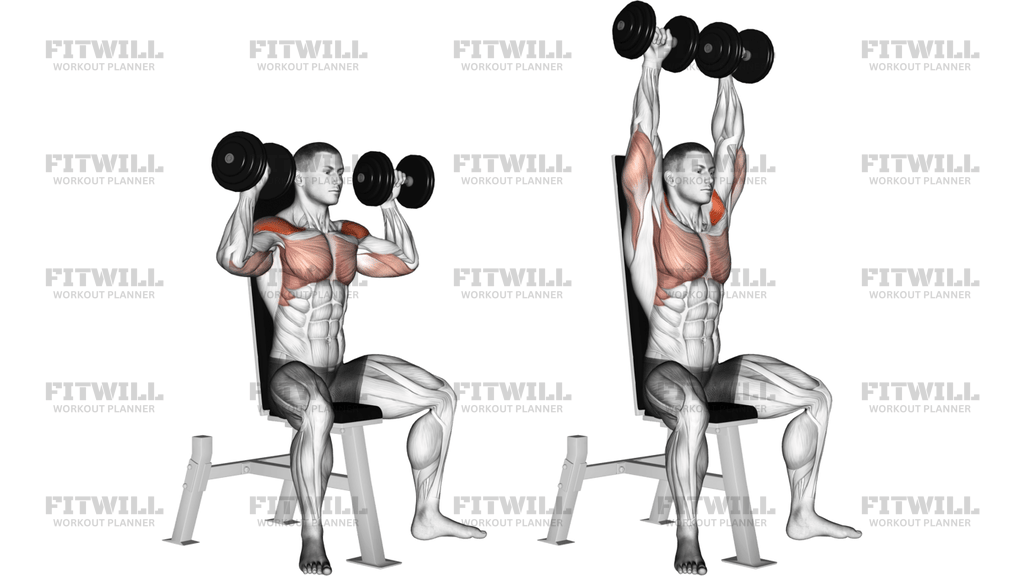
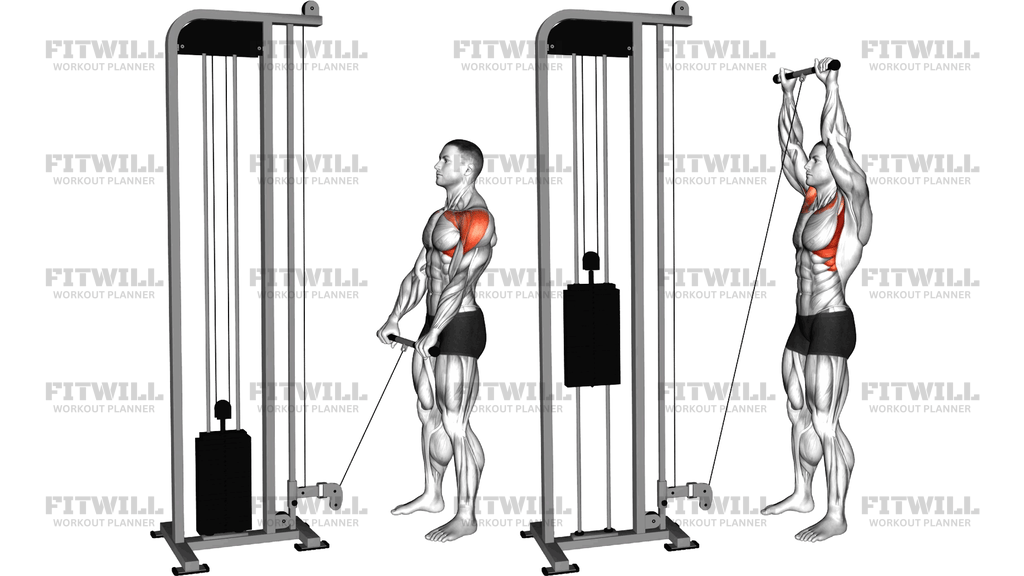
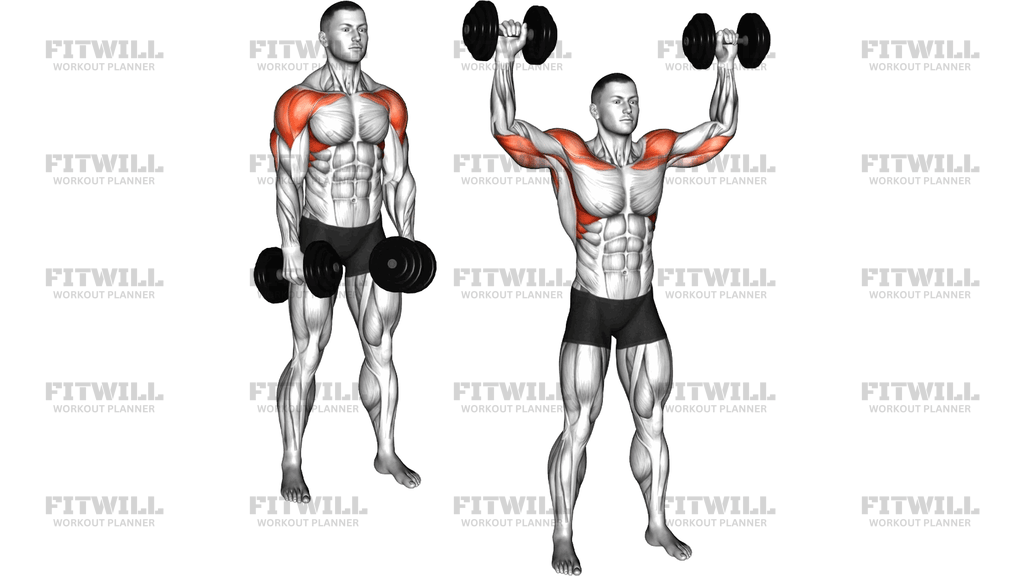
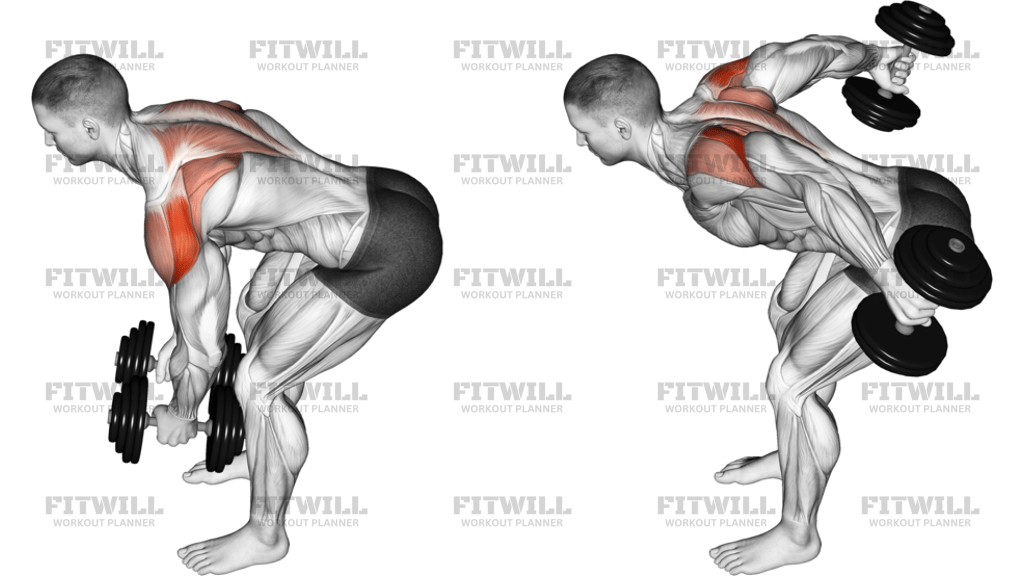
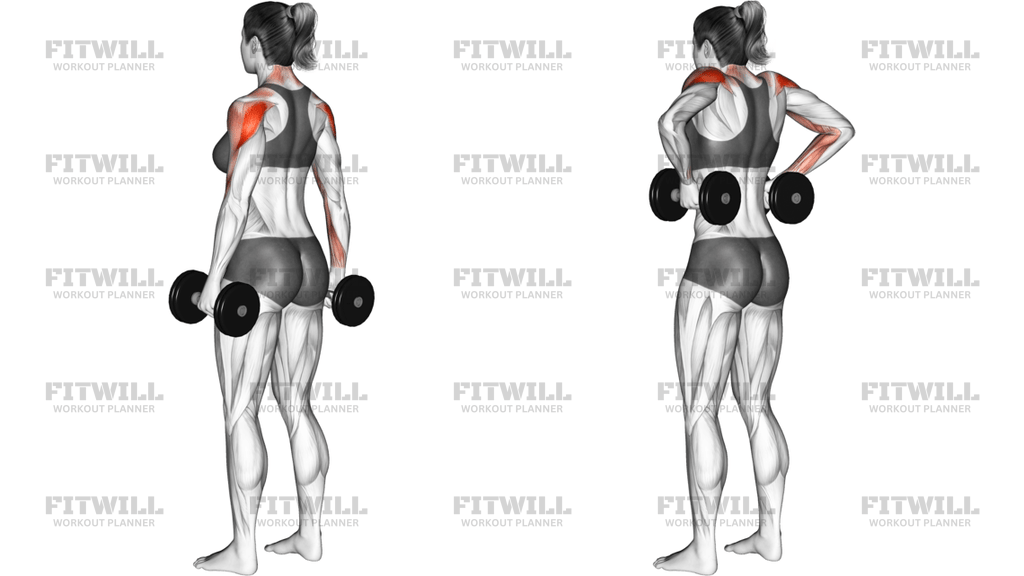
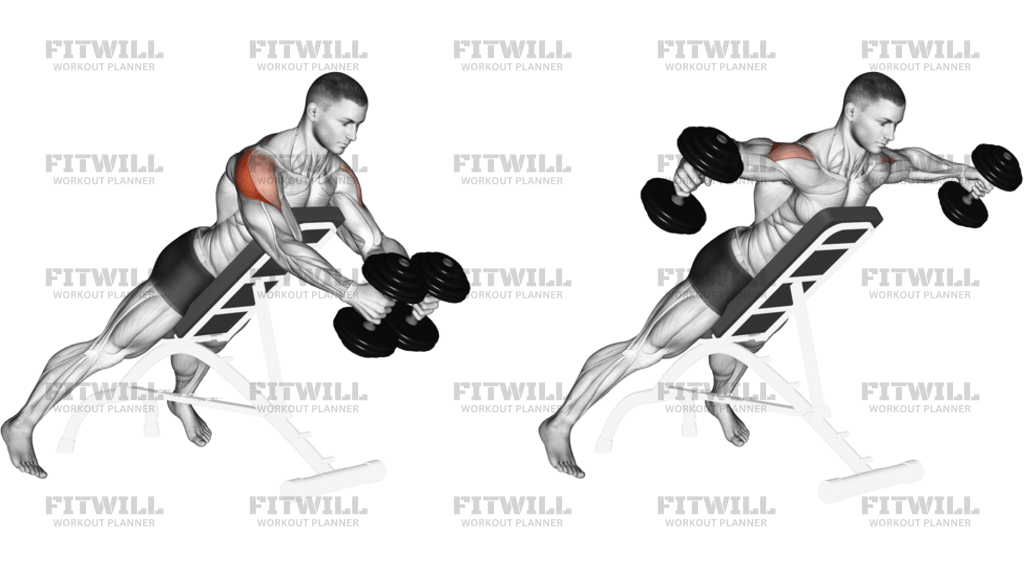
Dumbbell Raise is a standing dumbbell shoulder raise that moves the bells from the front of the thighs up along the torso until the elbows are high and the upper arms are near shoulder level. In the image, the lift is driven by the shoulders and upper back rather than by a curl or a full-body heave, so the setup and path matter more than the amount of weight on the dumbbells.
This variation is mainly used to train the deltoids, upper trapezius, rhomboids, and the smaller muscles that keep the shoulder girdle organized while the arms travel. It can be a useful accessory lift for building the look and control of the shoulders, especially when you want a short, concentrated rep that emphasizes the top half of the pull.
Start with a tall stance, feet about hip-width apart, and the dumbbells hanging close to the front of the thighs. Keep the chest proud without flaring the ribs, let the neck stay long, and keep the shoulders away from the ears before the first rep begins. A clean starting position keeps the dumbbells close to the body and makes it easier to pull with both sides evenly.
As you raise the weights, guide the elbows up and out while the dumbbells stay close to the torso. The hands should not drift far in front of the body, and the torso should not swing backward to finish the rep. Pull only as high as your shoulders tolerate comfortably, usually until the upper arms are near parallel or the dumbbells reach the lower chest. Lower the bells slowly back to the thighs and reset before the next rep.
Use a light-to-moderate load and treat this as a control exercise, not a momentum lift. If the shoulders pinch, the wrists bend back hard, or the traps take over by shrugging aggressively, shorten the range and reduce the weight. The best reps stay smooth, symmetrical, and quiet through the torso, with the shoulder blades moving just enough to let the arms travel without losing position.
Fitwill
Log Workouts, Track Progress & Build Strength.
Achieve more with Fitwill: explore over 9600 exercises with images and videos, access built-in and custom workouts, perfect for both gym and home sessions, and see real results.
Start your journey. Download today!




Instructions
- Stand tall with a dumbbell in each hand in front of your thighs, palms facing in, and feet about hip-width apart.
- Keep the dumbbells close to the body, soften the knees, and stack the ribs over the pelvis before you start.
- Set the shoulders down and away from your ears so the neck stays long.
- Brace your midsection and keep your chest lifted without leaning back.
- Drive the elbows up and out while the dumbbells slide straight up the front of the torso.
- Keep the wrists under control and let the elbows lead the movement instead of curling the hands upward.
- Raise until the elbows are near shoulder height or the dumbbells reach the lower chest, whichever comes first.
- Pause briefly at the top without shrugging or rocking.
- Lower the dumbbells slowly back to the thighs along the same path, then reset before the next rep.
Tips & Tricks
- Choose a load that lets the elbows rise smoothly without jerking the torso or bending the wrists back hard.
- Keep the bells brushing close to the shirt line instead of letting them drift far in front of the body.
- Think about lifting the elbows, not pulling with the hands, so the biceps do not take over the rep.
- If the traps dominate too early, reduce the load and pause for a second at the top instead of shrugging harder.
- Stop the ascent when the shoulders start to pinch; this movement does not need a maximal range to be useful.
- Keep the torso quiet with no lean-back, especially on the last few reps when momentum becomes tempting.
- Use a controlled lowering phase so the delts and upper back stay under tension instead of dropping the bells.
- Match both sides on every rep; if one dumbbell rises first or higher, lighten the weight and clean up the path.
Frequently Asked Questions
What muscles does Dumbbell Raise work?
It mainly hits the deltoids and upper traps, with the rhomboids, rear shoulder fibers, and arm stabilizers helping to guide the lift.
Is Dumbbell Raise beginner-friendly?
Yes, as long as the load is light and the dumbbells travel in a smooth line close to the body.
Where should the dumbbells travel during the rep?
They should move straight up the front of the torso, staying close to the shirt line rather than drifting outward.
Should my elbows be higher than my wrists?
Yes, the elbows should lead the lift, but only as high as your shoulders can tolerate without pinching.
Should I shrug my shoulders at the top?
A small amount of natural trap work is normal, but the movement should not turn into a hard shrug that jams the neck upward.
What if the front of my shoulder feels pinched?
Shorten the range, lower the load, and stop the rep earlier; if the pinch stays, use a different shoulder accessory.
Can I do this one arm at a time?
Yes. Single-arm reps can make it easier to feel the elbow path and spot side-to-side differences.
What is the biggest form mistake?
Swinging the torso to throw the dumbbells upward usually makes the set into a momentum lift instead of a shoulder raise.