Dumbbell Reverse Preacher Curl
Dumbbell Reverse Preacher Curl is a strict arm exercise built around a preacher pad and an overhand dumbbell grip. The setup locks the upper arm in place so the elbow flexors have to do the work, which makes it a useful choice when you want to target the forearms, brachialis, and biceps without body swing or shoulder help.
The preacher position changes the feel of the curl immediately. With the chest supported and the upper arm pinned to the pad, the movement becomes a controlled elbow bend rather than a full-body lift. That support is the whole point of the exercise, because it lets you compare sides cleanly and keeps the rep honest even when the load gets challenging.
Set yourself up carefully before the first rep. Sit into the preacher bench so your upper arms rest over the top edge of the pad and your feet stay flat on the floor. Hold a dumbbell in each hand with your palms facing down, keep your shoulders lowered, and stack your wrists so the knuckles stay in line with the forearms.
From there, curl the dumbbells by bending only at the elbows. Keep the upper arms pressed into the pad as you raise the weights, then pause briefly near the top without letting the shoulders roll forward. Lower the dumbbells under control until the arms are almost straight and the forearms are still supported by the pad.
This exercise is most useful as an accessory movement for arm size, elbow-flexor strength, and forearm development. It also works well when you want to train one side at a time with a pair of dumbbells, especially if the stronger arm tends to take over during regular curls. The reverse grip shifts the emphasis away from a classic biceps curl and makes the forearm side of the movement more demanding.
Keep the rep smooth and conservative. Too much load usually shows up as wrist bending, shoulder shrugging, or the elbows sliding off the pad, and those are signs the set has become more about compensation than tension. Use a controlled lowering phase, reset your shoulders between reps, and treat the preacher pad as the anchor that makes the exercise effective.
Fitwill
Log Workouts, Track Progress & Build Strength.
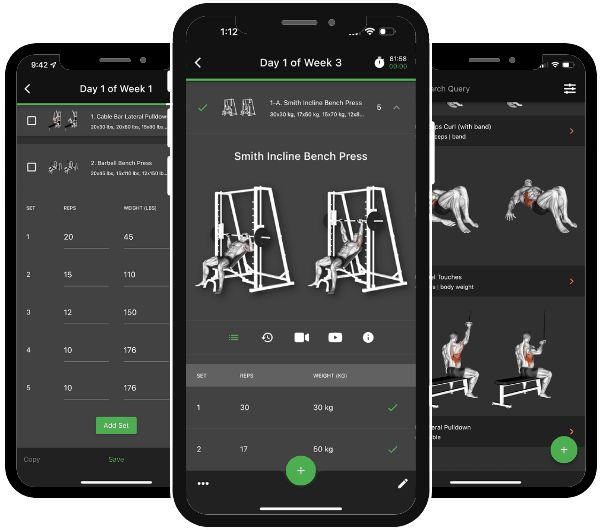
Achieve more with Fitwill: explore over 5000 exercises with images and videos, access built-in and custom workouts, perfect for both gym and home sessions, and see real results.
Start your journey. Download today!


Instructions
- Sit at a preacher bench and place your chest against the pad so your upper arms can rest over the top edge.
- Plant both feet flat and keep your torso still against the bench before you start the first rep.
- Hold a dumbbell in each hand with a palms-down grip and stack your wrists over your forearms.
- Let your elbows open until your arms are nearly straight while keeping the upper arms supported by the pad.
- Brace lightly and keep your shoulders down instead of reaching forward to start the curl.
- Curl both dumbbells by bending the elbows and tracing the same path on each side.
- Stop near the top when the forearms are close to vertical and the shoulders have not rolled forward.
- Lower the dumbbells slowly until the arms are almost straight again, then reset before the next rep.
Tips & Tricks
- Use less weight than you would for a regular preacher curl; the overhand grip makes the rep much harder on the forearms.
- Keep the knuckles stacked over the forearms so the wrists do not bend back as the dumbbells rise.
- Do not let the elbows slide off the preacher pad at the bottom; that usually means the load is too heavy.
- Lower the dumbbells for two to three seconds so the forearms stay loaded instead of bouncing off the pad.
- Keep the chest in contact with the pad so the shoulders cannot help drive the weight up.
- If one side starts to twist, alternate arms for a few reps and match the slower side with the stronger side.
- Stop just short of a hard lockout at the bottom if your elbows feel pinchy on full extension.
- Choose a range that keeps tension on the forearms without forcing the dumbbells into the bench frame.
Frequently Asked Questions
What muscles does Dumbbell Reverse Preacher Curl work?
Dumbbell Reverse Preacher Curl mainly trains the brachioradialis, brachialis, and forearm muscles, with the biceps helping during the elbow bend. The preacher pad keeps the upper arm fixed so those muscles have to do more of the work.
Is Dumbbell Reverse Preacher Curl beginner-friendly?
Yes, if you start light and keep your chest, upper arms, and wrists organized on the preacher pad. The movement is simple, but the overhand grip usually requires less weight than people expect.
Should my palms face down or in toward each other?
For Dumbbell Reverse Preacher Curl, your palms should face down in an overhand grip. Turning the hands neutral changes the exercise into a different curl variation and shifts the emphasis.
How far should I lower the dumbbells on the preacher pad?
Lower until your arms are nearly straight and the forearms are still supported by the pad. If the dumbbells crash into the bottom or your elbows slide off the bench, shorten the range a little.
Why does the exercise feel so much harder than a regular preacher curl?
The overhand grip puts more demand on the forearms and brachialis while reducing the help you get from a supinated biceps curl. The preacher bench also removes body English, so the rep feels stricter from the start.
Can I do Dumbbell Reverse Preacher Curl one arm at a time?
Yes. Single-arm reps are useful if one side twists, loses wrist position, or finishes before the other side. Just keep the working upper arm planted on the same part of the preacher pad each rep.
What is the most common form mistake on Dumbbell Reverse Preacher Curl?
People usually let the wrists bend back or let the shoulders roll forward to finish the curl. Keep the knuckles stacked and let the elbows, not the shoulders, move the dumbbells.
What should I do if the bottom position bothers my elbows?
Stop a little short of full straightening and keep tension on the forearms instead of forcing a hard stretch. A slightly shorter range usually makes the movement more comfortable without changing the exercise.