Dumbbell Seated Alternate Front Raise
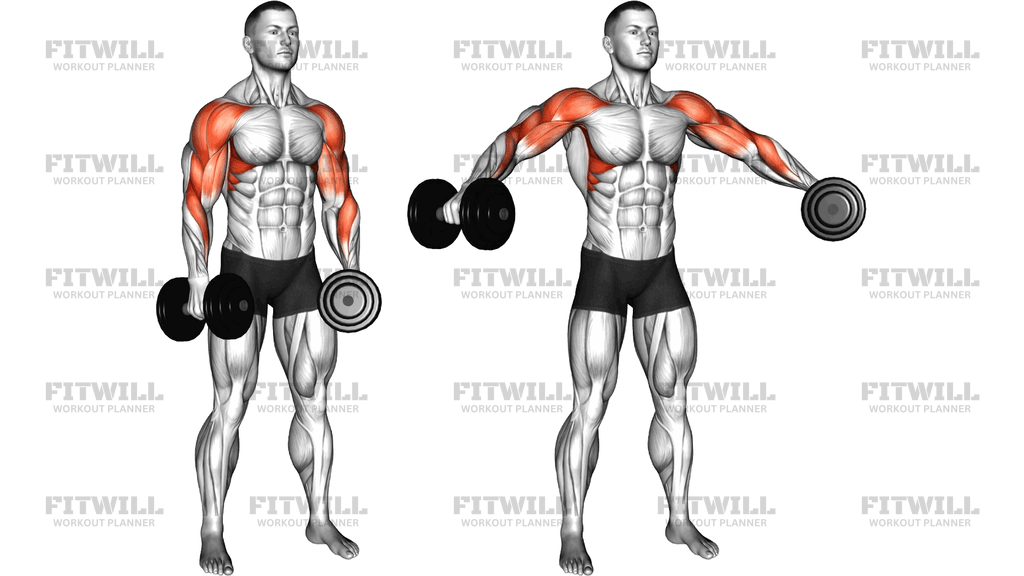
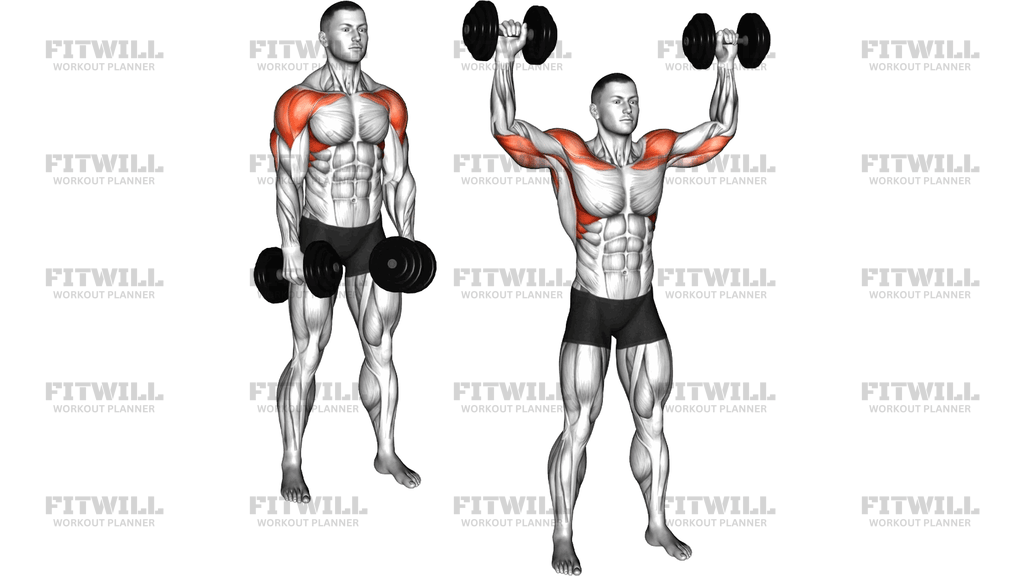
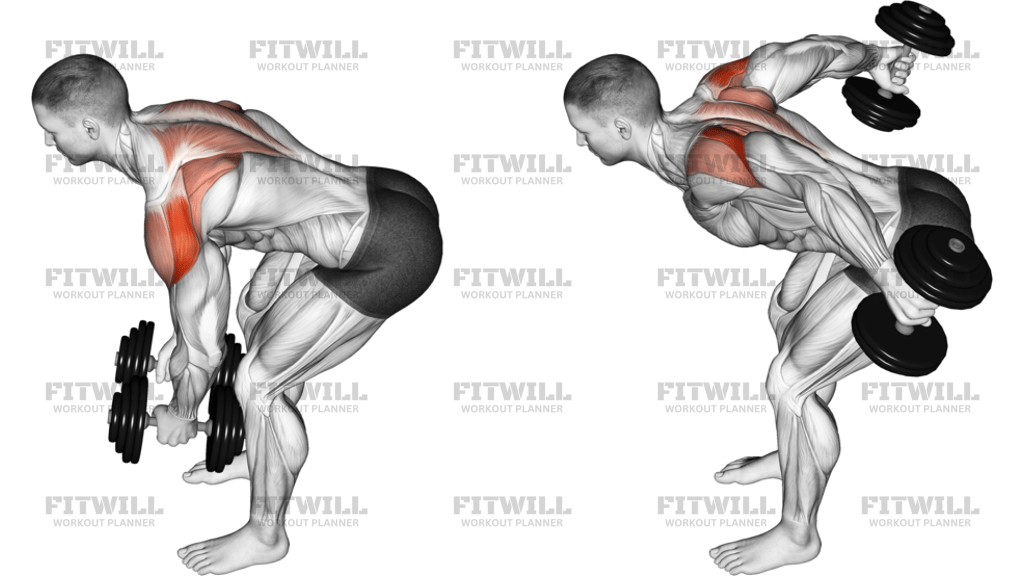
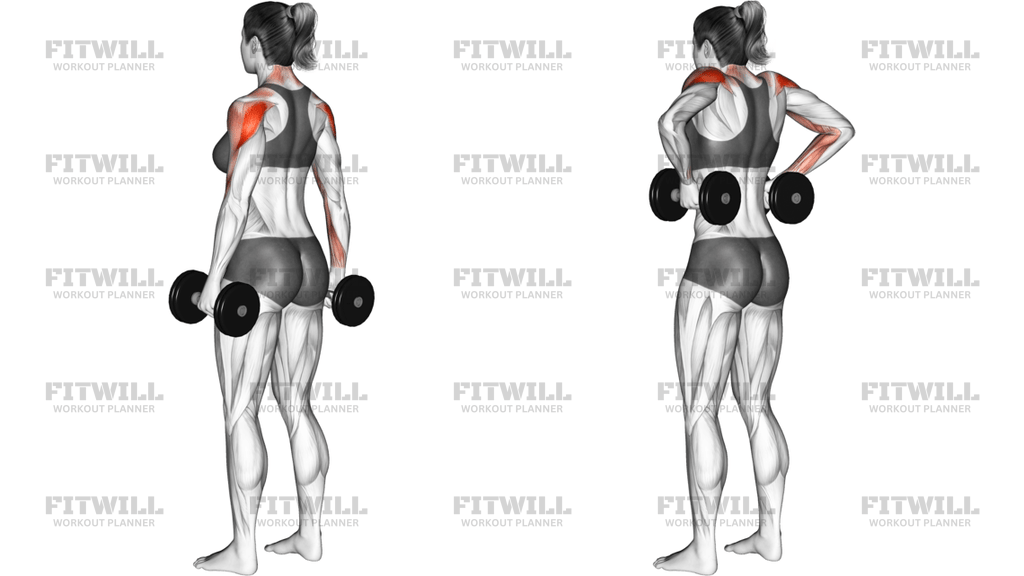
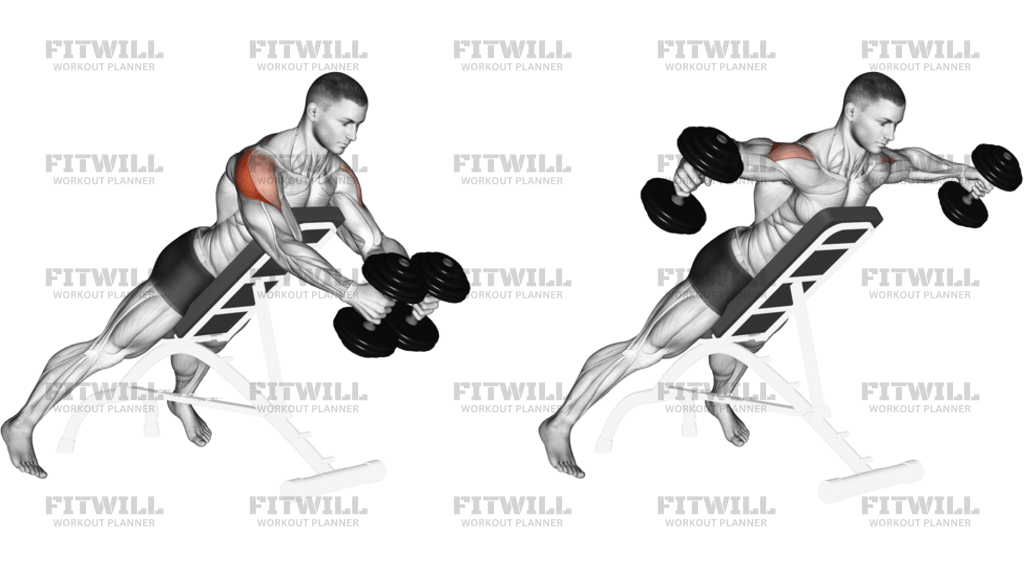
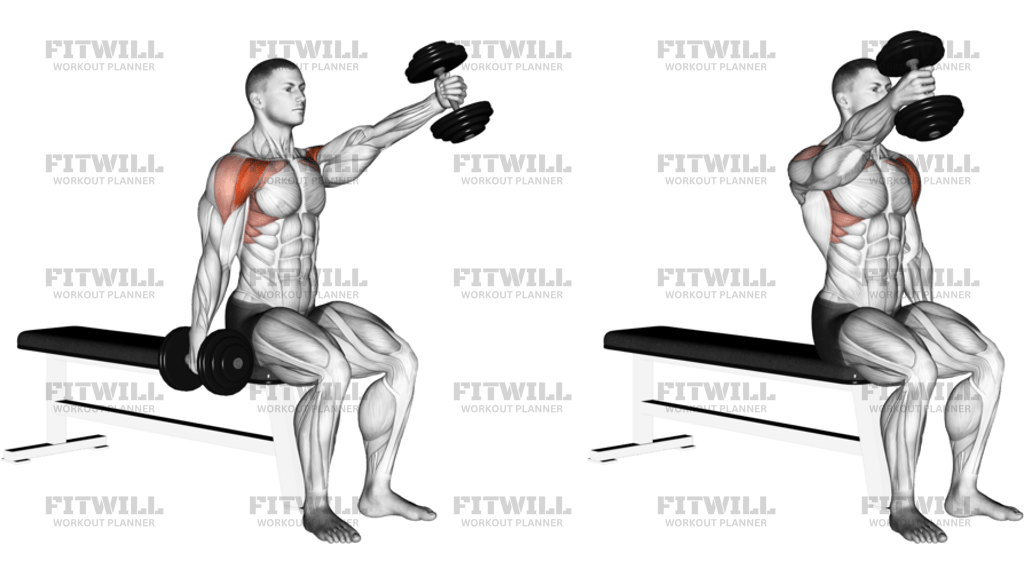
Dumbbell Seated Alternate Front Raise is a seated dumbbell shoulder isolation exercise built around one arm lifting at a time from the side of the body to shoulder height. The image shows a lifter sitting upright on a flat bench with both dumbbells held low, then alternating the front raise so one shoulder works while the other stays quiet. That setup makes the exercise easier to control than a standing version and helps reduce body swing.
The main job of Dumbbell Seated Alternate Front Raise is to load the front delts, with the upper chest and upper traps assisting to stabilize and finish the raise. Because the movement is performed one side at a time, it also exposes differences in shoulder control, elbow path, and grip position. Use it when you want a clean anterior-shoulder accessory movement rather than a whole-body lift.
Bench position matters here. Sit tall on the bench with both feet flat, the ribcage stacked over the pelvis, and the dumbbells resting by the thighs before each rep. Keep the raising shoulder depressed as long as possible, then drive the dumbbell forward in a smooth arc until the hand reaches about shoulder level. The non-working arm should stay relaxed at the side instead of helping the lift.
The best reps are deliberate, not dramatic. A slight elbow bend is fine, but the elbow should stay nearly fixed while the shoulder moves the weight. If the torso leans back, the ribs flare, or the dumbbell travels above the intended line, the set has usually become too heavy. A shorter range with better control is more useful than forcing extra height.
Dumbbell Seated Alternate Front Raise works well as a shoulder-finisher after presses, or as a lighter accessory on upper-body days when you want direct front-delt work without needing a bar or machine. It is also a useful option for lifters who want to practice symmetrical shoulder positioning because each side has to start from the same seated base and return under control before the next rep begins.
[ Workout Log & Planner ]
Put your next workout in Fitwill
Keep your plan and training log ready when you are.


Instructions
- Sit on a flat bench with your feet planted and a dumbbell in each hand at your sides.
- Stack your ribs over your pelvis, keep your chest tall, and let both arms hang with a slight elbow bend.
- Set the shoulders down and back without arching hard through the lower back.
- Raise one dumbbell forward in a smooth arc until it reaches about shoulder height.
- Keep the wrist neutral and let the elbow lead the path slightly ahead of the hand.
- Pause briefly at the top without shrugging or tipping the torso back.
- Lower the dumbbell under control to the starting position beside the thigh.
- Keep the opposite arm still while you repeat on the other side.
- Alternate sides for the planned reps, breathing out on the lift and in on the lower.
Tips & Tricks
- Use a lighter dumbbell than you would for a standing front raise, because the seated position removes most body English.
- Keep your back off the bench only if the torso stays still; do not turn the rep into a seated incline press.
- Stop the raise around shoulder height so the front delt does the work instead of the upper traps taking over.
- Think about moving the upper arm, not curling the dumbbell upward with the forearm.
- Hold the dumbbell with a neutral grip or a slight thumb-up angle if that feels better on the shoulder.
- Keep the non-working dumbbell quiet by your side so each arm gets the same start point.
- Lower slower than you lift to keep tension on the front delts and avoid swinging into the next rep.
- If the ribs flare or the lower back arches, reduce the load and keep the exhale smooth at the top.
- Use a smaller range if the shoulder pinches near eye level or if the wrist starts drifting inward.
Frequently Asked Questions
What muscles does Dumbbell Seated Alternate Front Raise work?
Dumbbell Seated Alternate Front Raise mainly targets the front delts. The upper chest and upper traps help stabilize the shoulder as you lift, and the core keeps the seated torso from rocking.
Is Dumbbell Seated Alternate Front Raise beginner-friendly?
Yes, if you keep the load light and sit tall without leaning back. The seated setup makes it easier to learn a clean shoulder path than a standing swing.
How high should the dumbbell go in Dumbbell Seated Alternate Front Raise?
Raise it to about shoulder height. Going much higher usually shifts the work into the upper traps and increases the chance of losing a clean shoulder line.
Should I keep one dumbbell down while the other arm raises?
Yes. The opposite dumbbell should stay still at your side so each rep starts from the same seated position and the torso does not twist.
What grip works best for Dumbbell Seated Alternate Front Raise?
A neutral or slightly thumb-up grip usually feels best for most lifters. If a pronated grip irritates the shoulder, rotate the hand a little and keep the wrist straight.
What is the most common mistake in Dumbbell Seated Alternate Front Raise?
Shrugging the shoulder up toward the ear. If the trap starts taking over, lower the weight and focus on lifting from the front of the shoulder instead.
Can I use Dumbbell Seated Alternate Front Raise after pressing work?
Yes. It works well as a lighter accessory after bench press or overhead press when you want direct front-delt volume without another heavy compound lift.
What should I do if the shoulder pinches?
Shorten the range, lighten the dumbbell, and keep the thumb slightly up instead of forcing the hand flat. Sharp pain is a sign to stop and recheck the setup.