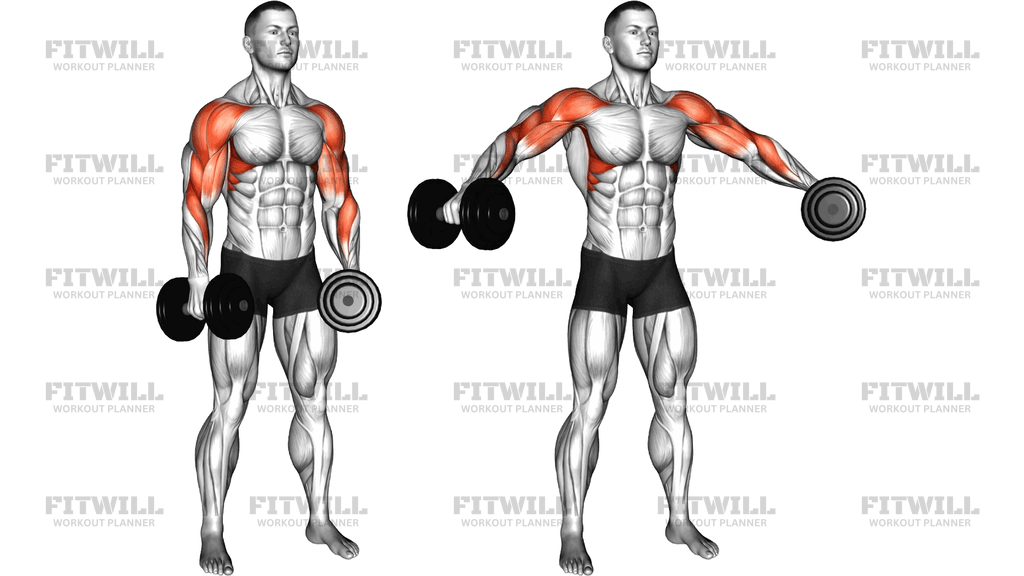
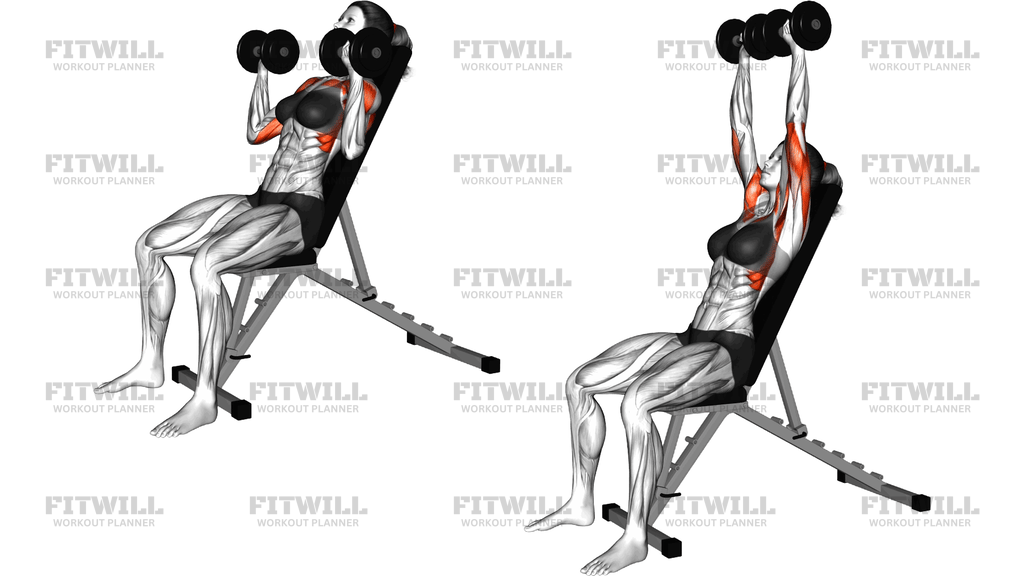
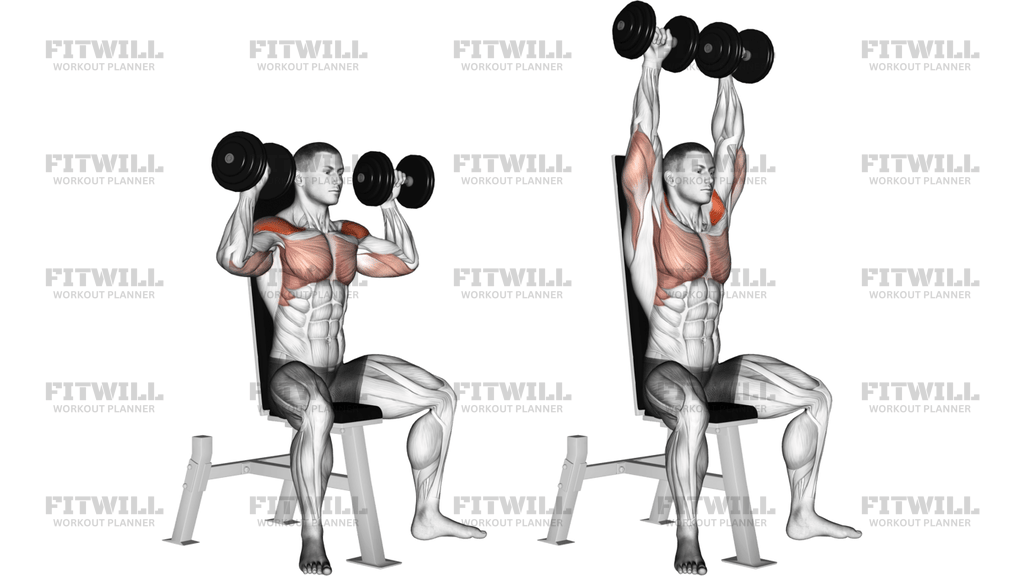
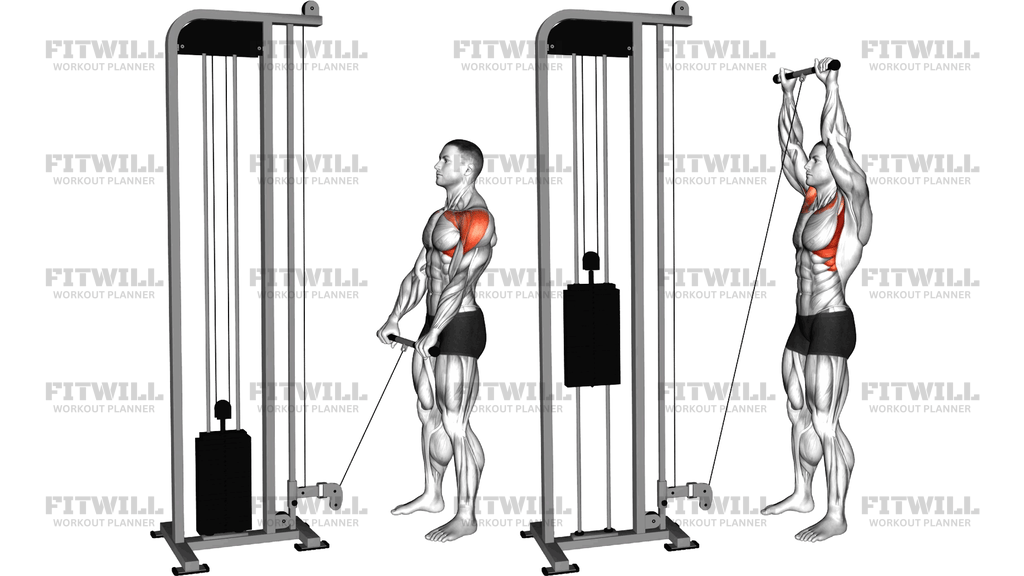
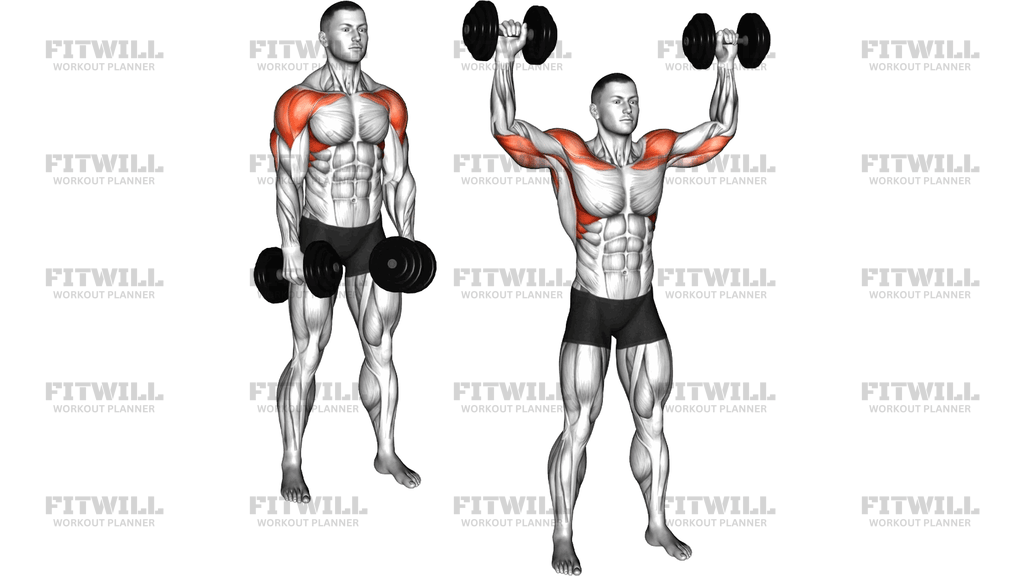
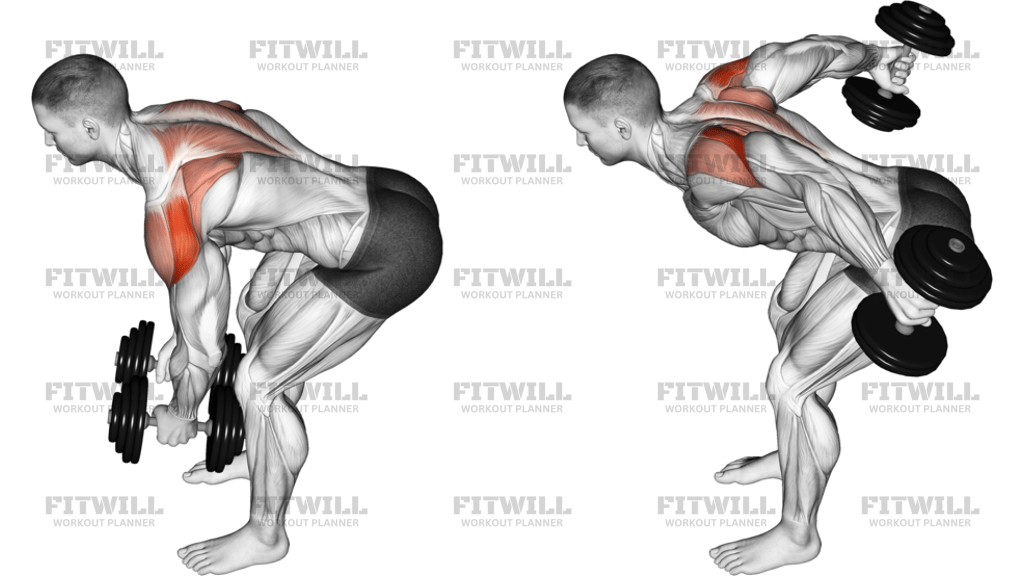
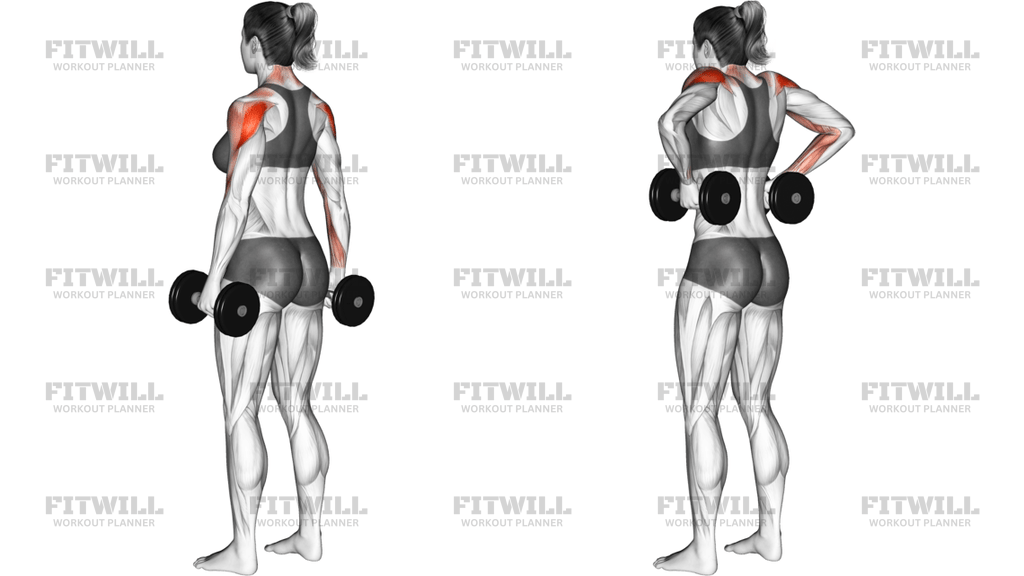
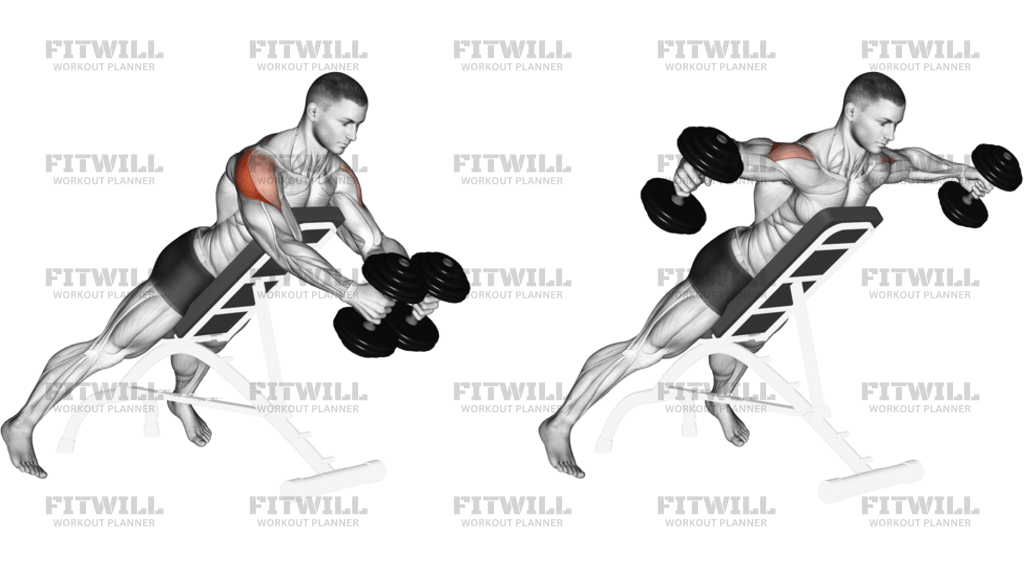
Dumbbell Side Lying One Hand Raise
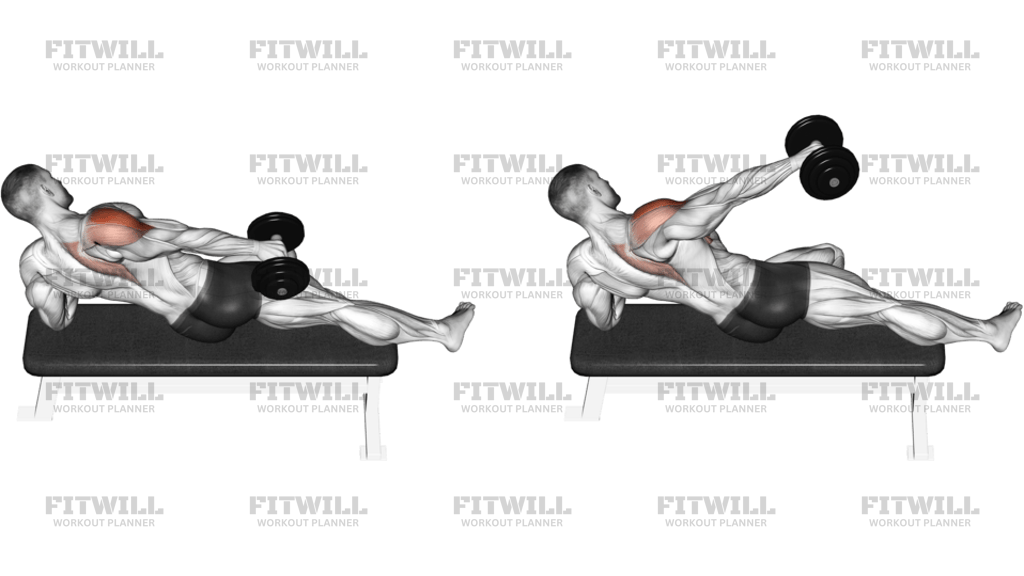
Dumbbell Side Lying One Hand Raise is a side-lying single-arm dumbbell raise that isolates the shoulder better than a standing lateral raise. Lying on a bench removes most of the body swing, so the dumbbell has to move because the shoulder is doing the work, not because the torso is cheating. That makes the exercise useful for lighter accessory training, shoulder-control work, and finishing sets when you want a cleaner lateral raise pattern.
The lift mainly targets the delts, especially the middle fibers, while the rotator cuff and upper-back stabilizers help guide the arm and keep the shoulder centered. The bench position also changes the feel of the range: the bottom side is supported, the rib cage is easier to keep quiet, and the working arm can move in a smoother arc without momentum from the legs or trunk. If the setup is sloppy, though, the exercise quickly turns into a shrug or a twist.
Set the body before the first rep. Lie on one side across a flat bench with the lower shoulder and hip supported, the head resting comfortably, and the top arm hanging just in front of the torso with a slight bend in the elbow. Keep the wrist neutral, stack the torso instead of rolling backward, and let the dumbbell start low enough that the shoulder is loaded without the neck tensing up. The bench should keep you stable, not force you to reach or twist.
From there, raise the dumbbell in a controlled arc until the hand reaches about shoulder height or just below. Think about moving the elbow away from the bench rather than yanking the hand upward. Pause briefly, then lower slowly until the arm is back near the start. Exhale as you lift, inhale on the way down, and keep the shoulder from shrugging toward the ear as fatigue builds.
Use this variation when you want strict lateral-delt work with minimal cheating, or when standing raises are too easy to swing through. It is especially helpful as an accessory after pressing or heavier shoulder work because the load can stay modest while the tension stays high. Stop the set if the movement becomes painful, the torso starts rolling, or the shoulder pinches at the top.
[ Workout Log & Planner ]
Put your next workout in Fitwill
Keep your plan and training log ready when you are.


Instructions
- Lie on one side across a flat bench with the lower shoulder and hip supported and the head resting comfortably.
- Hold a dumbbell in the top hand and let the arm hang just in front of the torso with a slight bend at the elbow.
- Keep the chest stacked and the rib cage quiet so the torso does not roll backward as the set starts.
- Set the wrist neutral and keep the shoulder down away from the ear before you begin the first rep.
- Raise the dumbbell in a smooth arc out and slightly up, leading with the elbow instead of the hand.
- Lift until the arm reaches about shoulder height or just below, stopping before the shoulder starts to pinch or shrug.
- Pause briefly at the top without twisting the trunk or jerking the weight.
- Lower the dumbbell slowly back to the start and keep the same elbow angle on every rep.
- Reset the shoulder and breathing before starting the next repetition.
Tips & Tricks
- Use a lighter dumbbell than you would for a standing lateral raise; the side-lying position makes the shoulder work harder.
- Keep the lower ribs and pelvis heavy on the bench so the torso does not rotate to help the lift.
- Think about moving the elbow out to the side first; if the hand is leading hard, the upper trap usually takes over.
- Stop the rep when the shoulder starts to shrug or roll forward, even if the dumbbell could travel higher.
- Keep the wrist stacked over the forearm instead of letting it bend backward under load.
- Use a slower lowering phase than lifting phase; the eccentric is where the position is easiest to lose.
- If the neck tightens, shorten the range and make sure the head is supported without reaching for it.
- Do not flare the elbow into a bent-arm row; the arm should stay in the same slight bend throughout the set.
Frequently Asked Questions
What muscles does Dumbbell Side Lying One Hand Raise work?
It mainly trains the side of the shoulder, with help from the rotator cuff and upper-back stabilizers. The bench-supported position reduces cheating so the delt has to do most of the work.
Which side do I lie on for this raise?
Lie on the non-working side and lift with the top arm. The bottom side stays on the bench so the working shoulder can move without trunk swing.
Where should the dumbbell start on the bench?
Let it hang just in front of the torso with the elbow slightly bent and the wrist neutral. Starting too far behind the body usually makes the shoulder and neck feel crowded.
Should I raise the dumbbell straight out to the side?
Think of a wide arc out and slightly up rather than a hard vertical lift. That path keeps the movement smooth and usually feels better on the shoulder.
How high should my arm go?
Usually to shoulder height or just below. If the top position turns into a shrug or pinches the joint, shorten the range.
Is this a good shoulder accessory after pressing?
Yes. It is a useful lighter accessory after bench pressing, overhead pressing, or other shoulder work because it gives the delts more direct tension without a lot of setup complexity.
What is the most common mistake on the bench?
Rolling the torso backward and letting the upper trap take over. Keep the chest stacked and the lower side anchored so the shoulder is the only thing moving.
Should the movement feel painful?
No. You may feel the side delt working hard, but sharp pinching, numbness, or neck pain is a sign to stop and reduce load or range.