Dumbbell Standing Palms In Press
Dumbbell Standing Palms In Press is a standing neutral-grip dumbbell overhead press built around vertical pressing with the palms facing each other. It emphasizes the delts and triceps while asking the upper back, core, and glutes to keep the torso stacked under the load. The neutral grip often feels cleaner on the shoulders than a wide overhand press because the elbows and wrists can stay in a more natural line.
The standing setup matters because the legs and trunk are part of the exercise, not just spectators. When both dumbbells start at shoulder height with the elbows slightly in front of the body, the ribs stay down, the pelvis stays neutral, and the press travels over the midfoot instead of drifting forward. That stacked position lets the shoulders do the work without turning the lift into a back arch or a shrug contest.
At the top, the dumbbells should finish overhead with the arms straight and the biceps close to the ears, but without forcing the shoulders upward. The rep should look smooth: a short brace, a controlled drive overhead, a brief lockout, then a slow return to shoulder height. If one dumbbell rises faster than the other or the torso leans back to cheat the finish, the load is too heavy or the set is too fatigued.
This variation is useful for shoulder strength, overhead stability, and general pressing volume when a lifter wants to train both arms together while keeping the grip relatively joint-friendly. It fits well as a main overhead press, a hypertrophy accessory, or a warm-up pattern before heavier barbell pressing. Because it is performed standing, it also exposes weaknesses in core control, rib flare, and one-sided compensation very quickly.
Use a range that stays pain-free and repeatable rep to rep. A clean set should feel like the dumbbells are moving straight up from the shoulders to an overhead stack, not drifting in a loose arc or bouncing off the chest. If the shoulders pinch, the lower back takes over, or the wrists collapse backward, shorten the range and reduce the load before building it back up.
Fitwill
Log Workouts, Track Progress & Build Strength.
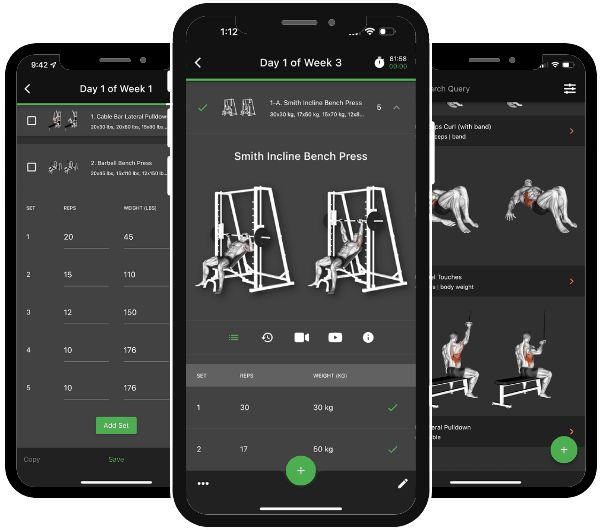
Achieve more with Fitwill: explore over 5000 exercises with images and videos, access built-in and custom workouts, perfect for both gym and home sessions, and see real results.
Start your journey. Download today!


Instructions
- Stand tall with your feet about hip- to shoulder-width apart and hold a dumbbell in each hand at shoulder height.
- Turn your palms toward each other and set your elbows slightly in front of your torso, not flared straight out to the sides.
- Brace your midsection, keep your ribs stacked over your pelvis, and squeeze your glutes so your lower back stays quiet.
- Press both dumbbells upward in a smooth line so they finish over the shoulders and midfoot, with the palms still facing in.
- Let the arms straighten at the top without forcing the shoulders into a hard shrug.
- Pause briefly overhead and keep the dumbbells balanced over your body instead of drifting forward.
- Lower the dumbbells under control back to shoulder height, keeping the wrists neutral and the elbows under the bells.
- Reset your brace before the next rep and repeat the same path for every repetition.
Tips & Tricks
- Keep the palms facing each other the whole time so the wrists and elbows stay in a natural pressing line.
- Press slightly back as the dumbbells rise only if that is what keeps them over the midfoot; do not let them drift in front of your face.
- Use a stance that keeps you from rocking, especially if heavier dumbbells make you lean into the lift.
- If your rib cage pops up before the dumbbells leave shoulder height, the set is too heavy or the brace is leaking.
- Stop the descent at shoulder level rather than dumping the bells too low and losing upper-back tension.
- Keep the neck long at lockout; shrugging aggressively usually means the upper traps are stealing the finish.
- Choose a load that lets both dumbbells move together instead of having one arm lag or twist.
- If the front of the shoulder feels crowded, lower the bells a touch in front of the shoulders and shorten the range slightly.
Frequently Asked Questions
What muscles does Dumbbell Standing Palms In Press work?
It mainly works the delts and triceps, with the upper back, core, and glutes helping keep the standing press stacked. The neutral grip also lets the shoulders and wrists work in a more comfortable line for many lifters.
Is Dumbbell Standing Palms In Press beginner-friendly?
Yes, if you start light and keep the dumbbells under control at shoulder height and overhead. Beginners usually benefit from strict reps, a narrow range of motion, and a load that does not force a back lean.
Where should the dumbbells start before each rep?
Start with the bells at shoulder height, palms facing each other, and the elbows slightly forward of the torso. That setup gives you a clean line into the overhead press without flaring the arms wide.
Should I lean back to finish the rep?
No. A small amount of torso motion can happen, but a visible back lean usually means the load is too heavy or the brace is too loose. Keep the ribs down and let the shoulders finish the press.
How high should I press the dumbbells?
Press until the arms are straight and the dumbbells are stacked overhead above the shoulders and midfoot. Stop short of any painful pinching if your shoulders do not like full lockout.
Why use a palms-in grip instead of palms-forward?
The palms-in grip often keeps the elbows, wrists, and shoulders in a more natural path, which can feel smoother on the joints. It is also easier to keep the dumbbells tracking together during the press.
What if my lower back takes over?
Lower the weight and tighten the brace before every rep. If you still have to lean back to move the bells, reduce the range or switch to a seated version until your overhead control improves.
How do I know if the set is too heavy?
The set is too heavy if one dumbbell stalls, your shoulders shrug early, your wrists bend back, or you have to bounce through the bottom. The rep should look smooth from shoulder height to overhead and back down.