Dumbbell W-Press
Dumbbell W-Press is a standing dumbbell shoulder press variation that starts with the elbows bent and flared in a W or cactus shape before the weights travel overhead. That setup puts the shoulders, triceps, upper chest, upper back, and core in a position where you have to control the press instead of simply driving the dumbbells straight up.
The W position matters because it changes the line of force at the start of the rep. With the elbows out and slightly below shoulder height, you get more demand on shoulder control, scapular upward rotation, and trunk stability than with a narrow, tucked press. The standing position also makes it easier to notice rib flare, lower-back arching, and shrugging.
This exercise is useful as a shoulder accessory lift, a warm-up press pattern, or a lighter hypertrophy movement when you want clean mechanics and a controlled overhead path. It can also be a good option for lifters who want to train pressing without letting the elbows drift too far behind the torso or turning the rep into a loose heave.
Set the dumbbells at shoulder height, keep the wrists stacked over the forearms, and finish each rep with the bells over the shoulders rather than drifting far forward. The rep should feel smooth and repeatable: press up, reach tall without losing your rib position, then lower under control back to the same W setup.
Use a load that lets you keep the elbows even, the neck relaxed, and the torso still. If the shoulders pinch, the low back takes over, or the dumbbells wobble into a crooked path, shorten the range or reduce the weight. The best reps look compact, controlled, and deliberate from the start position to the overhead lockout.
Fitwill
Log Workouts, Track Progress & Build Strength.
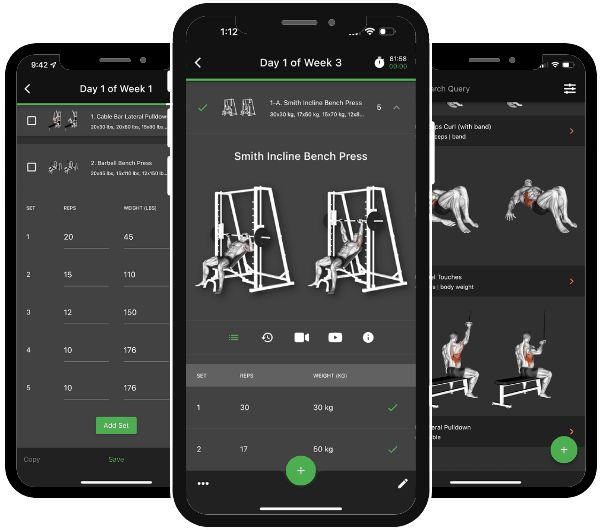
Achieve more with Fitwill: explore over 5000 exercises with images and videos, access built-in and custom workouts, perfect for both gym and home sessions, and see real results.
Start your journey. Download today!


Instructions
- Stand tall with your feet about hip-width apart and hold a dumbbell in each hand at shoulder height.
- Set your elbows out and slightly below shoulder level so your upper arms and forearms form a W shape.
- Keep your wrists stacked over your forearms and your shoulders relaxed, not shrugged up toward your ears.
- Brace your midsection and keep your ribs down before you start the press.
- Press both dumbbells upward and slightly inward until they finish over your shoulders with the elbows still soft, not locked aggressively.
- Reach tall at the top without leaning back or letting the dumbbells drift far in front of your head.
- Lower the dumbbells slowly along the same path until you return to the W setup at shoulder height.
- Reset your posture and breathing before the next rep so each repetition starts from the same position.
Tips & Tricks
- The W shape should be visible at the bottom: elbows out, forearms vertical, and dumbbells close to shoulder level.
- Press slightly up and in, not straight out in front of you, so the bells finish over the shoulders instead of drifting forward.
- Keep the lower ribs from flaring up; if the chest pops and the back arches, the load is too heavy.
- Do not chase a hard shrug at the top. Let the shoulders move upward naturally, but keep the neck long.
- If one elbow races ahead of the other, slow the rep down and match the dumbbells before pressing again.
- A neutral grip or a slight forward tilt of the palms often feels better than forcing the wrists back.
- Use a lighter load than a standard dumbbell press if the W start position feels unstable or pinchy.
- Lower under control all the way back to shoulder height so the rep starts from the same W setup every time.
Frequently Asked Questions
What muscles does Dumbbell W-Press work?
It mainly targets the delts and triceps, with help from the upper chest, traps, serratus, and core. The standing W setup also makes the midsection work to keep the torso from leaning back.
What makes the W-Press different from a regular dumbbell shoulder press?
The elbows start wider and lower in a W or cactus shape instead of a simple straight-up press position. That changes the shoulder demand and makes clean setup more important.
Should my elbows stay out wide the whole time?
They should start wide in the W position, then travel up smoothly without collapsing inward or flaring so far that the shoulders feel jammed. Keep the path consistent on every rep.
Do I press straight overhead or slightly inward?
Press upward and slightly inward so the dumbbells finish stacked over the shoulders. If the bells drift too far forward, the rep usually turns into a looser shoulder raise and press.
Is Dumbbell W-Press beginner-friendly?
It can be, but the wide elbow start makes it less forgiving than a basic press. Beginners should go light and stop short of any pinching or shoulder wobble.
How heavy should I use?
Use a weight you can lower under control and press without arching, shrugging, or losing the W setup. If the bells wobble at shoulder height, the load is too high.
What should I watch for at the bottom of the rep?
The dumbbells should settle beside the shoulders with the elbows out, forearms vertical, and wrists stacked. Do not let the elbows drift behind the torso or sink so low that the shoulders pinch.
Can I do this seated instead of standing?
Yes, but standing makes the bracing demands clearer and usually exposes poor rib control faster. Seated work is useful if you want less balance demand and a more isolated shoulder press pattern.
What if my shoulders feel uncomfortable overhead?
Shorten the range, lighten the dumbbells, and stop the rep before the top position if needed. Sharp pain or pinching means you should switch to a different press variation.