London Bridge
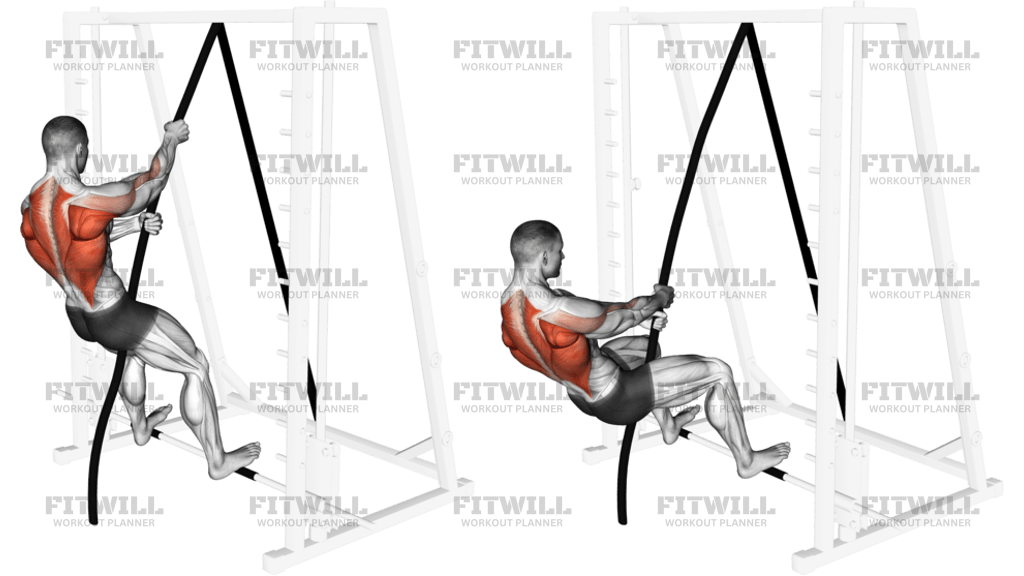
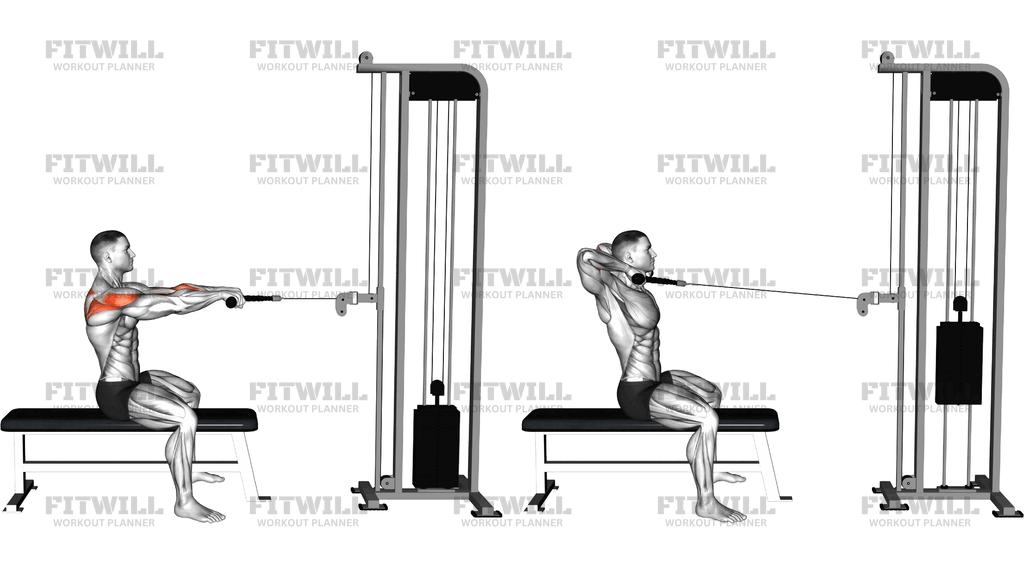
London Bridge is a seated rope pulling exercise that builds upper-back strength with a long, controlled line of tension. The setup matters because the rope anchor, your torso angle, and your foot position decide whether the movement stays in the traps and upper back or turns into a loose arm tug. It is a useful accessory for lifters who want more control through the shoulder blades and a cleaner pulling pattern without standing balance demands.
The main emphasis is on the traps, while the upper back, lats, and biceps help guide the rope and stabilize the pull. In anatomy terms, the trapezius does the primary work, with the rhomboids, latissimus dorsi, and biceps brachii assisting. Because the movement is performed from a seated or low-supported position, you can focus on scapular control, elbow path, and a smooth tempo instead of chasing load or speed.
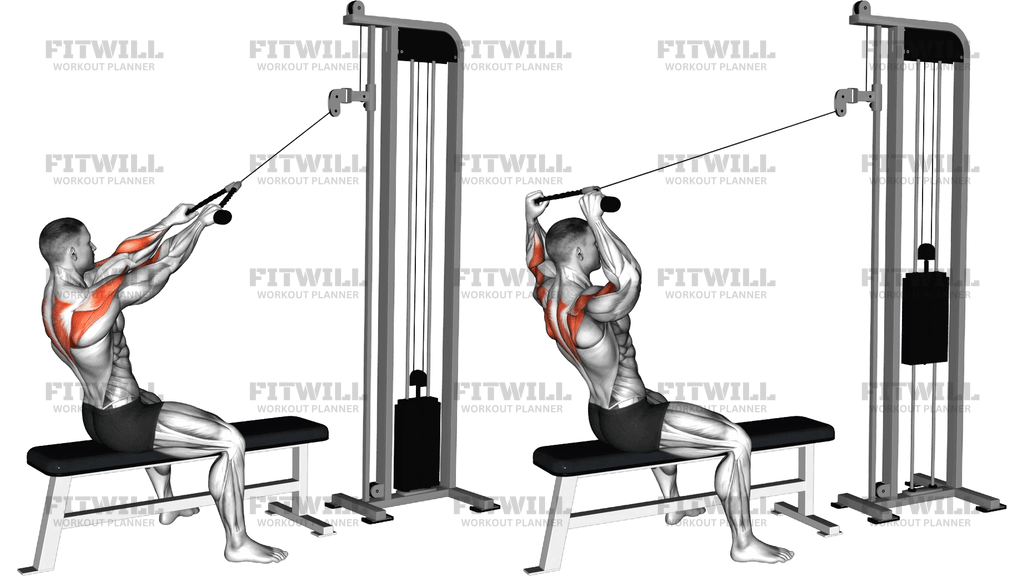
Set up with the rope anchored high, sit facing the attachment, and plant your feet so your body can stay anchored as you lean back slightly. Keep your chest tall, ribs quiet, and neck long before the first rep starts. That starting position should already create tension in the rope; if you have to rock back hard to feel it, the setup is off and the rep will get sloppy fast.
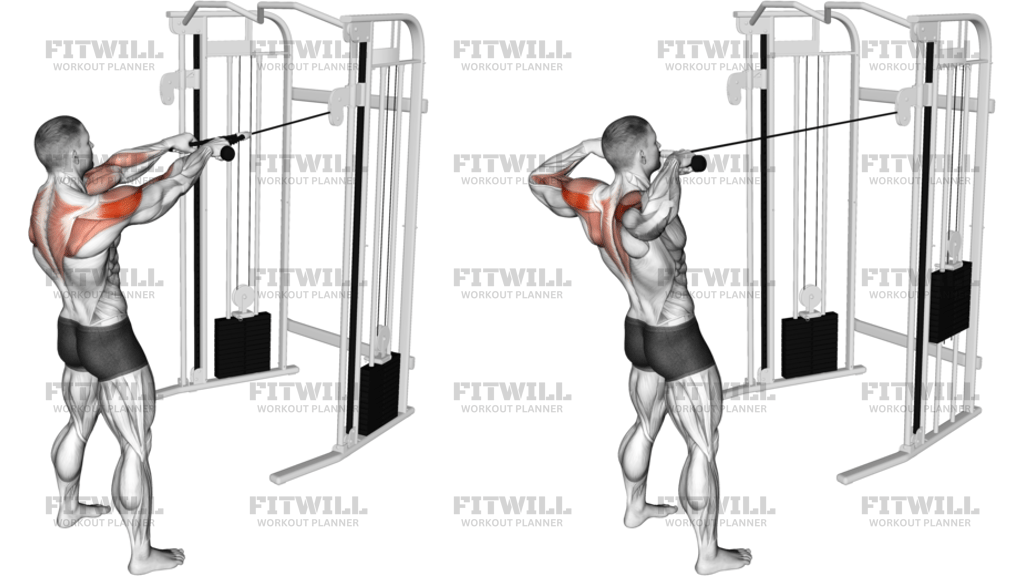
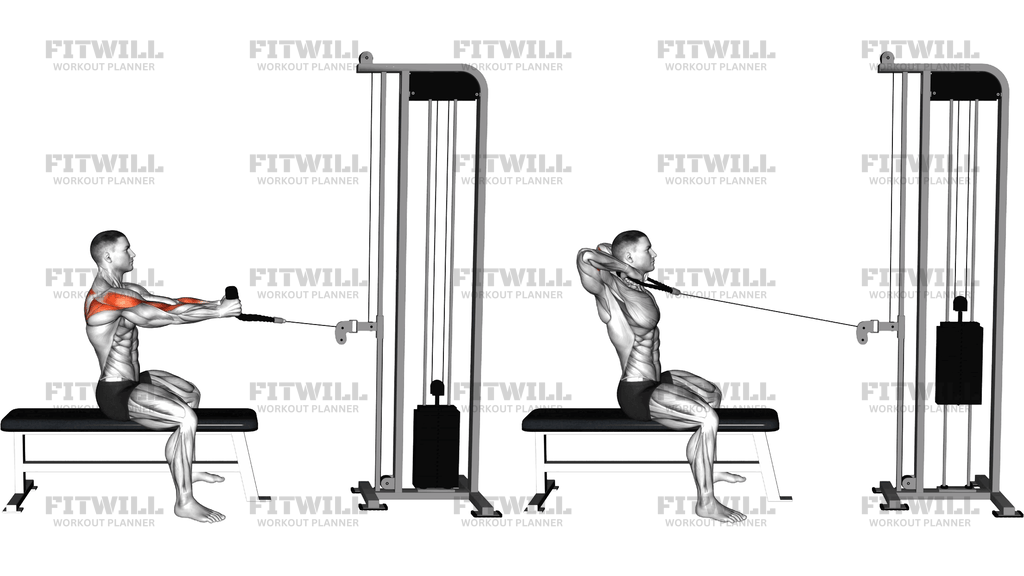
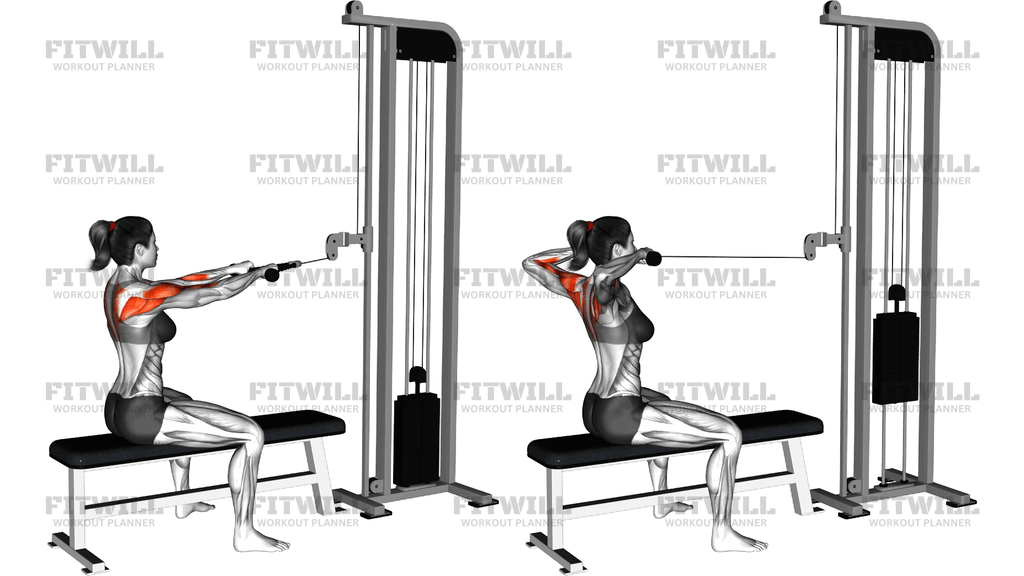
Each pull should begin by drawing the elbows back and slightly down, bringing the rope toward the upper chest or face line while the shoulder blades move together. The finish should feel strong through the upper back, not jammed into the neck. On the way back, let the arms lengthen under control and keep the torso from swinging so the back stays loaded instead of resting on momentum.
London Bridge fits well in accessory work, posture-focused training, and upper-body sessions where you want clean pulling volume without heavy spinal loading. It can also work for beginners if the rope path stays smooth and the resistance stays modest enough to preserve position. The most useful reps are the ones that look almost identical from start to finish: feet planted, shoulders relaxed, rope path consistent, and breathing steady.
Fitwill
Log Workouts, Track Progress & Build Strength.
Achieve more with Fitwill: explore over 9600 exercises with images and videos, access built-in and custom workouts, perfect for both gym and home sessions, and see real results.
Start your journey. Download today!




Instructions
- Sit on the floor or a low seat facing the high rope anchor, plant both feet flat, and hold the rope with both hands about shoulder width apart.
- Lean back just enough to put the rope under tension while keeping your lower back from arching and your torso from drifting.
- Lift your chest, keep your neck long, and let your shoulders settle down away from your ears before the first pull.
- Start the rep by drawing your elbows back and slightly down, bringing the rope toward your upper chest.
- Squeeze your shoulder blades together as the rope reaches the top, but keep the shoulders from shrugging upward.
- Pause briefly at the peak while keeping your feet planted and your ribs from flaring.
- Lower the rope slowly until your arms are long again and the back remains under tension instead of the stack or anchor going slack.
- Exhale as you pull, inhale as you return, then reset your torso before starting the next rep or standing up.
Tips & Tricks
- If the rope goes slack at the bottom, sit a little closer to the anchor or lean back slightly more before you start.
- Keep your elbows from drifting too high; a back-driven pull with the elbows back will hit the upper back better than a curling motion.
- Use a light grip on the rope so the forearms do not steal the set from the traps and upper back.
- Think about keeping the chest proud while the ribs stay quiet; excessive rib flare usually means the torso is doing the work.
- Pause with the shoulder blades set, not by yanking harder at the top of the rep.
- A slower lowering phase helps the lats and mid traps keep working instead of letting gravity drop the rope.
- If your neck tightens, the shoulders are probably creeping up toward your ears; lower the load and reset the shoulder position.
- Keep both feet pressured into the floor so the seated position stays stable when the rope gets heavy.
Frequently Asked Questions
What muscle does London Bridge target most?
The traps are the main target, with the upper back, lats, and biceps helping to control the pull.
Is London Bridge more of a row or a pulldown?
It behaves more like a seated high row or rope pull, since the rope stays under tension from a high anchor while your elbows travel back.
Where should my hands be on the rope?
Hold the rope around shoulder width so your wrists stay neutral and your elbows can track back without crowding your torso.
Should I lean back during London Bridge?
A slight recline is fine, but you should not be rocking through the torso. Keep just enough lean to keep the rope tight.
Where should the rope finish at the top?
For most lifters, the rope should come toward the upper chest or face line as the elbows move back and the shoulder blades squeeze.
Why do I feel London Bridge mostly in my biceps?
That usually means you are curling the rope instead of pulling with the upper back. Start the rep by driving the elbows back and keeping the shoulders down.
Can beginners do London Bridge safely?
Yes, if the resistance is light and the seated position stays stable. Keep the motion smooth and stop before the torso starts swinging.
What should I do if my neck feels tight?
Lower the load, keep the shoulders away from the ears, and avoid shrugging as you pull the rope toward you.