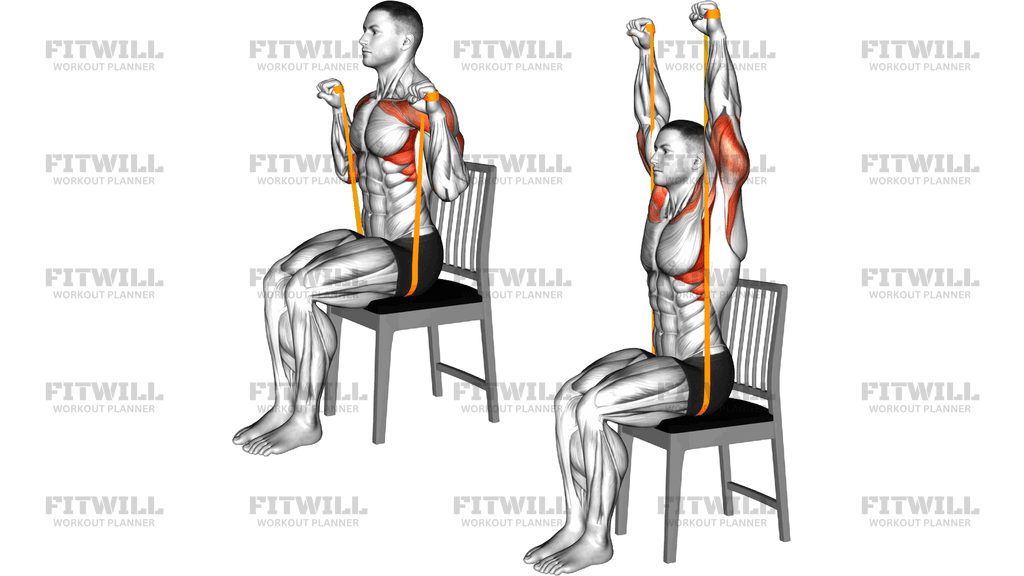
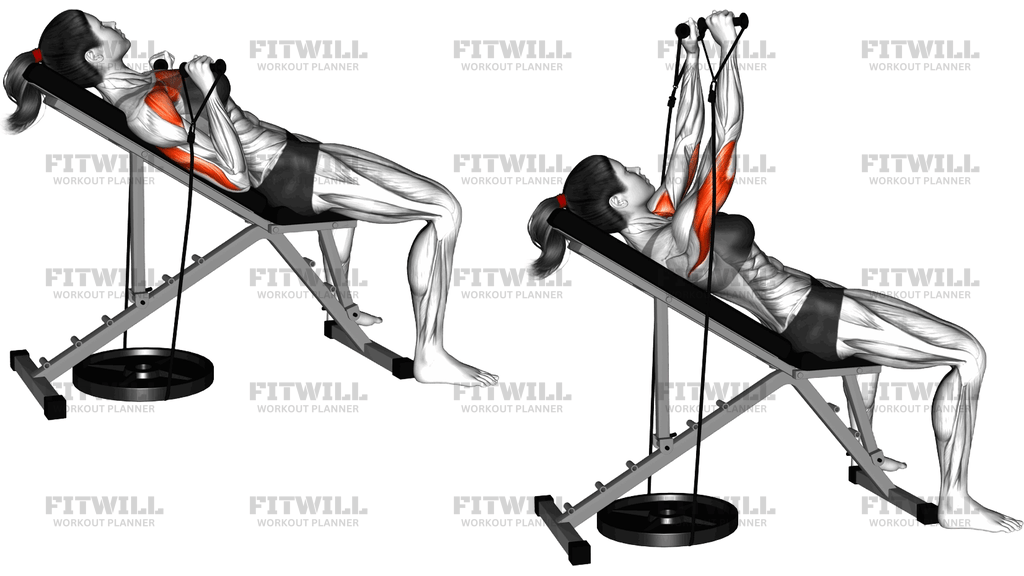
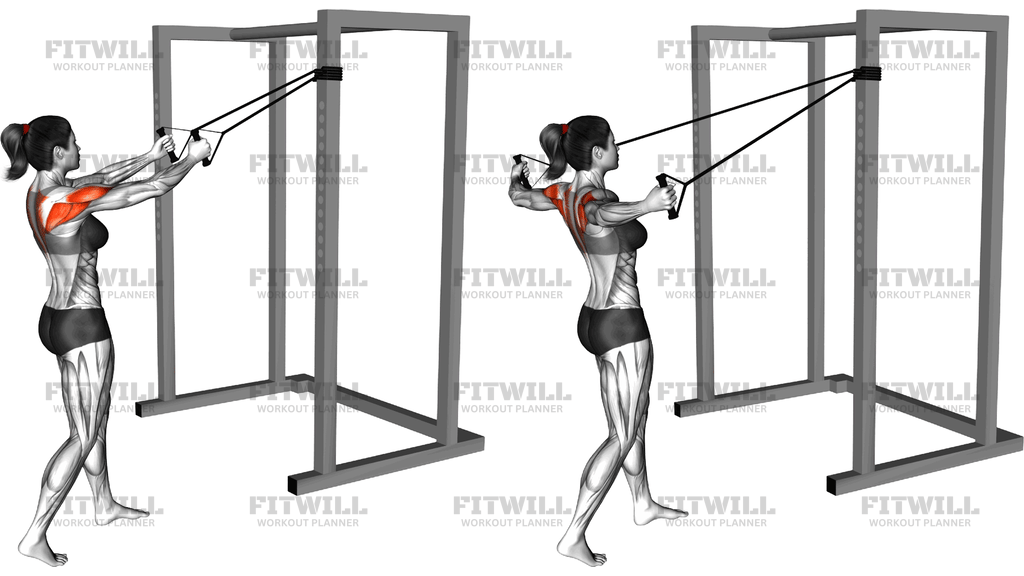
Band Bent-Over Rear Lateral Raise
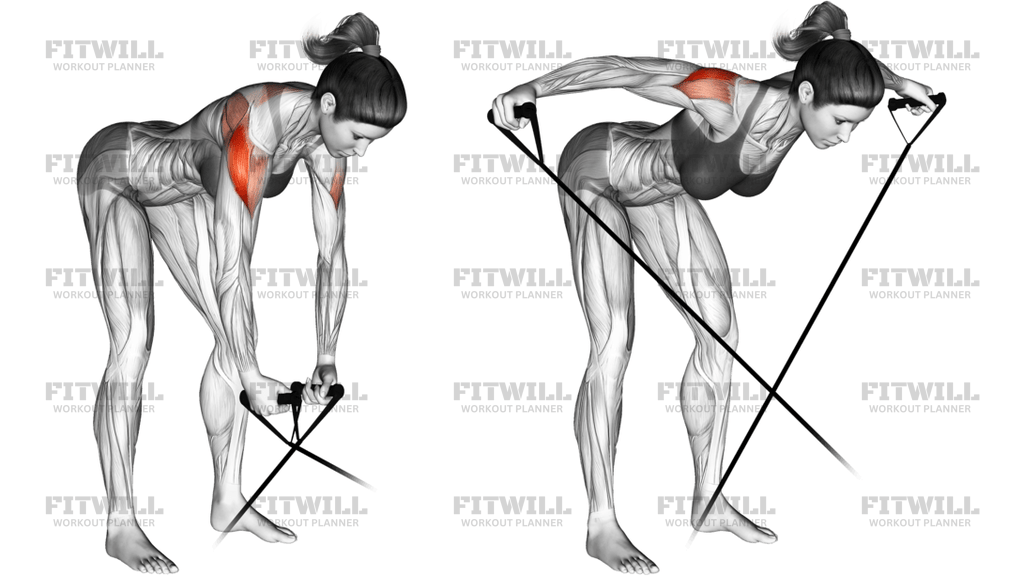
Band Bent-Over Rear Lateral Raise is a rear-delt isolation exercise that also asks the upper back to stabilize your shoulder blades while your torso stays fixed in a hip hinge. With both feet anchoring the band, the exercise creates rising tension as the hands travel away from the body, which makes the top half of each rep feel especially demanding. It is a good choice when you want shoulder work that is lighter on the joints than heavy pressing but still precise enough to punish sloppy setup.
The main target is the rear part of the shoulders, with the traps, rhomboids, and triceps helping control the line of pull. That makes Band Bent-Over Rear Lateral Raise useful for improving shoulder balance, upper-back endurance, and the ability to keep the shoulder girdle organized under tension. If your pressing volume is high, this movement can help fill the gap by training the back side of the shoulder instead of only the front and side delts.
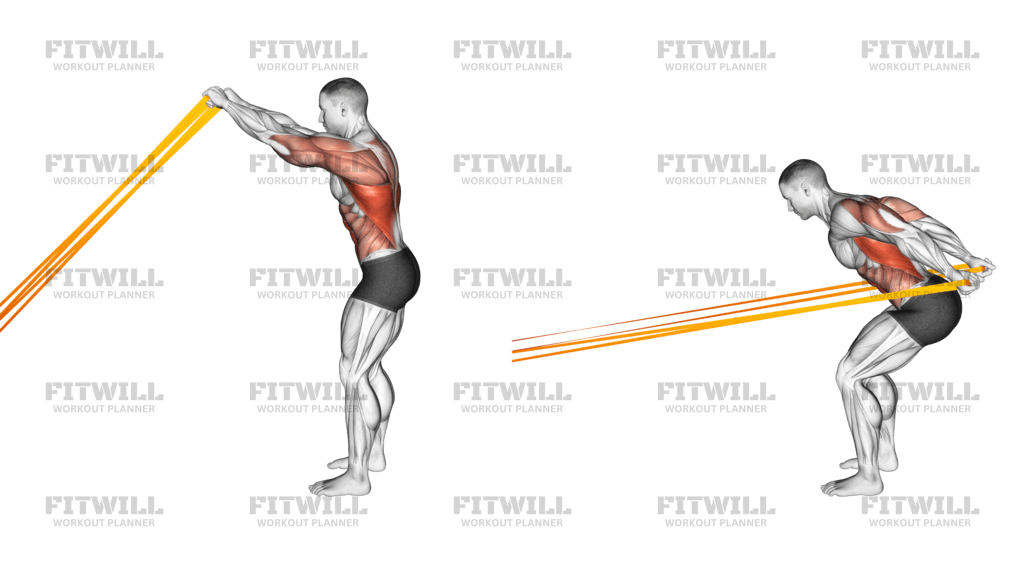
The setup matters more here than in many band moves. Hinge at the hips until your torso is almost parallel to the floor, keep a small bend in the knees, and let the band hang straight down from your hands to your feet before you start. From that position, the chest stays pointed toward the floor and the neck stays long, so the shoulders can move without turning the lift into a shrug or a row. A stable hinge also keeps the resistance where you want it instead of letting your lower back take over.
On each rep, the arms travel out and slightly back in a wide arc until they are near shoulder height. The elbows should stay softly bent, but the movement should still look like a rear-delt raise, not a hard pull to the ribs. Pause for a beat at the top, then lower the band slowly while keeping the torso steady and the feet planted. Exhale as you raise, then breathe in as you return to the bottom without losing the hinge.
This exercise works well as accessory work after presses, as part of a shoulder-focused session, or in a warmup when you want to wake up the rear delts before heavier upper-body training. It also fits well for beginners because the resistance is easy to scale, but the movement still teaches useful control around the shoulders and upper back. Keep the range honest, stop the set when the upper traps start taking over, and treat each rep as a clean pull against band tension rather than a swing of the torso.
[ Workout Log & Planner ]
Put your next workout in Fitwill
Keep your plan and training log ready when you are.


Instructions
- Stand on the middle of the band with feet about hip-width apart and hinge at the hips until your torso is nearly parallel to the floor.
- Let the band hang straight down from your hands, keep a soft bend in your knees, and hold a neutral spine with your chest facing the floor.
- Grip the ends or handles with your palms facing each other and position your hands under your shoulders before you start.
- Set your shoulders away from your ears and brace your torso so your lower back does not change shape as the set begins.
- Raise both arms out and slightly back in a wide arc until your hands reach about shoulder height.
- Keep a small bend in your elbows and lead the lift with your elbows instead of curling the band with your hands.
- Pause briefly at the top, squeeze the rear shoulders, and avoid shrugging your traps to finish the rep.
- Lower the band slowly until your arms hang under your shoulders again, keeping your torso still on the way down.
- Breathe out as you lift and breathe in as you lower, then reset your hinge before the next repetition.
Tips & Tricks
- Choose a band that lets you reach shoulder height without jerking your torso upward at the end of the rep.
- If your lower back starts to round, shorten the hinge slightly instead of trying to force a deeper bent-over position.
- Keep the elbows softly bent, but do not turn the rep into a curl; the hands should travel in a wide arc away from the floor.
- Stop the lift when the shoulders begin to shrug, because that usually means the traps are stealing the work from the rear delts.
- Use the same hinge angle on every rep so the band tension and line of pull stay consistent.
- Think about spreading the hands apart rather than pulling them straight back to keep the movement on the rear shoulders.
- Lower the band under control for two to three seconds if you want more time under tension without adding heavier resistance.
- Keep your head in line with your spine; looking up tends to make the neck tense and the torso rise.
- If one side feels stronger than the other, check that both feet are equally on the band and both hands start at the same height.
Frequently Asked Questions
What muscles does Band Bent-Over Rear Lateral Raise work?
It mainly trains the rear delts, with the traps and rhomboids helping stabilize the shoulder blades while the band is moving.
Is Band Bent-Over Rear Lateral Raise good for beginners?
Yes, as long as the band is light enough to keep the torso fixed in the hinge. Beginners usually benefit from learning the shoulder path before adding more resistance.
How high should my arms go in Band Bent-Over Rear Lateral Raise?
Raise your hands until they are about level with your shoulders, or slightly below if shrugging starts earlier. The top position should feel like a rear-delt squeeze, not a trap shrug.
Why does Band Bent-Over Rear Lateral Raise feel harder near the top?
The band stretches more as your hands move away from your feet, so the resistance increases through the top half of the lift. That is why a controlled finish matters.
What is the biggest mistake people make with Band Bent-Over Rear Lateral Raise?
The most common mistake is standing up out of the hinge and turning the set into a body-English swing. Keep the torso angle steady and let the shoulders do the work.
Should my elbows stay straight in Band Bent-Over Rear Lateral Raise?
Keep a small bend in the elbows and hold that angle mostly the same through the rep. Locking the elbows makes the movement harsher on the joints and less focused on the rear shoulders.
Can I use Band Bent-Over Rear Lateral Raise as a warm-up?
Yes, it works well as a light shoulder warm-up because it wakes up the rear delts and upper back without needing heavy loading. Use smooth reps and stop well before fatigue changes the hinge.
How can I make Band Bent-Over Rear Lateral Raise easier or harder?
Make it easier with a lighter band or a shallower hinge, and make it harder with a stronger band, slower lowering phase, or a brief pause at the top.