Cow Face Yoga Pose Gomukhasana
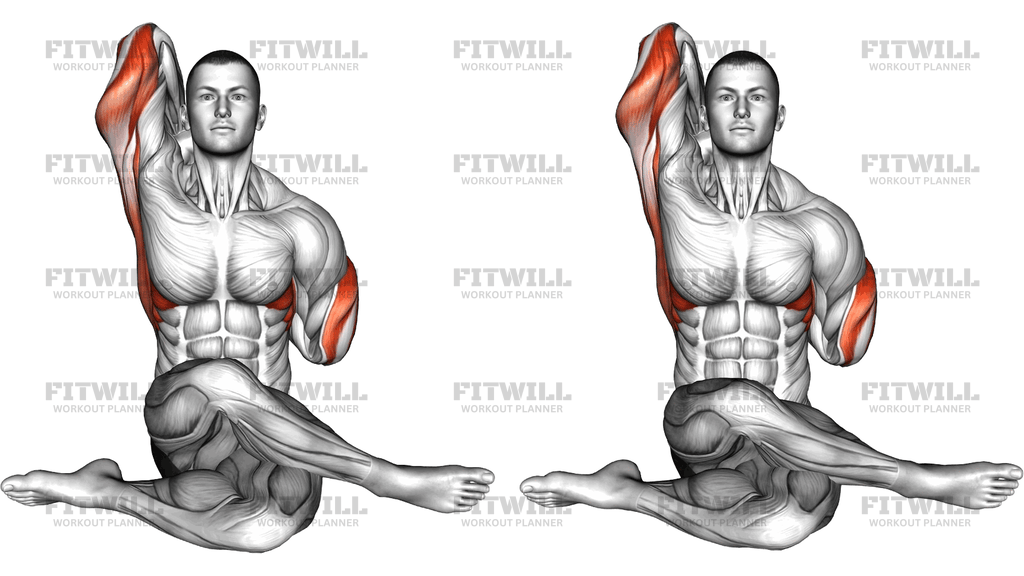
Cow Face Yoga Pose, known in traditional practice as Gomukhasana, is a seated yoga posture that combines a deep hip opener with an intense shoulder stretch. The legs are stacked with one knee placed on top of the other, while the arms reach behind the back in opposite directions so the fingers can meet or clasp between the shoulder blades. The name comes from the shape the body makes, which was thought to resemble a cow's face, with the crossed legs forming the lower part and the opposing arms forming the horns.
The pose is most valuable for people whose shoulders have grown tight from desk work, driving, or pressing and pulling exercises in the gym. The top arm, bent overhead with the elbow pointing up, stretches the triceps and the rotator cuff muscles at the back of the shoulder. The bottom arm, folded behind the lower back, opens the front of that shoulder and chest. At the same time, the stacked knees place a strong outward rotation demand on the hips, targeting the outer hip muscles and the deep rotators that often restrict squat depth and comfortable sitting.
Setup matters more than most people expect. Sitting evenly on both sitting bones, with the spine tall and the knees stacked as closely as your hips allow, determines whether the stretch reaches the intended tissues or gets lost in a collapsed lower back. If the hips cannot stack the knees, elevating the sitting bones on a folded blanket or block keeps the pelvis neutral so the shoulder work can happen without straining the spine.
To execute the pose, sit tall, cross one leg over the other, then sweep the top arm overhead and bend it so the hand walks down between the shoulder blades. Reach the other arm out to the side, rotate it inward, and bend it behind the lower back with the palm facing out. Work the two hands toward each other, connect them if possible, and hold while breathing steadily. The stretch should feel intense but never sharp, especially around the shoulder joint.
Because the pose is one-sided, always repeat it on the second side, and expect one side to feel noticeably tighter. Cow Face Yoga Pose is commonly used as a warm-up counter-movement for pressing exercises, a cool-down stretch after upper body training, or a daily mobility practice for anyone losing shoulder range of motion. Avoid forcing the hand clasp; a strap or towel between the hands gives the same stretch safely while the range improves over weeks, not days.
[ Workout Log & Planner ]
Put your next workout in Fitwill
Keep your plan and training log ready when you are.


Instructions
- Sit on the floor with your legs extended, then bend your knees and slide your right foot under your left knee so the right knee points forward and the right foot sits beside your left hip.
- Stack your left knee on top of your right, drawing the heels toward the outer hips so the shins are roughly parallel and both sitting bones stay grounded. Sit on a folded blanket or block if your knees float well off the floor.
- Lengthen your spine by lifting the crown of your head, and brace your core gently so your torso does not lean toward one hip.
- Reach your left arm straight overhead, then bend the elbow so the hand drops behind your upper back between the shoulder blades, palm facing backward.
- Extend your right arm out to the side at shoulder height, rotate the arm inward so the palm faces behind you, then bend the elbow and slide the back of the hand up your lower back toward the opposite shoulder blades.
- Walk the two hands toward each other until the fingers touch or clasp. If they cannot reach, hold a towel or strap in the top hand and let the bottom hand grip it from below.
- Open the top elbow slightly toward the ceiling and gently draw the bottom elbow toward the floor to deepen the shoulder and triceps stretch without shrugging.
- Breathe slowly through the nose, holding the pose for 30 seconds to 1 minute while keeping the chest lifted rather than collapsing backward.
- Release the clasp first, then unwind the arms slowly, extend both legs forward, and shake them out before switching the leg stack and arm positions to stretch the other side.
Tips & Tricks
- Most people have one shoulder that refuses to clasp. Practice that side more often, but never yank the hands together; let the strap absorb the difference until the range improves.
- If the stacked knee hovers far above the bottom knee, do not push it down with your hand. Raise your hips on a blanket instead so the hip rotators can release gradually.
- Keep the top elbow from flaring across your face. Aim it toward the ceiling so the stretch lands in the triceps and rear shoulder rather than straining the neck.
- Watch for the lower back arching and the ribs flaring as the top arm drops behind the head. Keep the front ribs drawn in to protect the lumbar spine.
- Avoid dumping weight into the bottom-side sitting bone. Rock side to side once you are seated to confirm both hips are bearing weight evenly before the arms go behind the back.
- Tight hips blocking the leg stack are normal at first. Sit cross-legged with knees overlapping loosely and work the arms separately until the hips loosen enough to combine both elements.
- If you feel pinching in the front of the bottom shoulder during the inward rotation, back off the range slightly and hold a smaller angle rather than pushing into discomfort.
- Warm the shoulders first with a few arm circles or a brief hold of Eagle arms; cold shoulders make the bind feel far tighter than it actually is.
- Release the pose by letting go of the hands before uncrossing the legs. Pulling the arm out while still bound is the most common way people strain the shoulder in this position.
Frequently Asked Questions
What muscles does Cow Face Yoga Pose stretch?
The main targets are the triceps and rotator cuff of the overhead arm, the chest and front shoulder of the lower arm, and the outer hip muscles of the stacked legs. The side of the torso also gets a mild stretch depending on your alignment.
Can beginners do Cow Face Yoga Pose if their hands cannot clasp?
Yes. Hold a towel or strap in the top hand and grip it with the bottom hand, adjusting the distance as your range improves. The stretch works just as well with a strap as with a full clasp.
Why are my knees unable to stack in Gomukhasana?
Tight outer hip muscles and limited hip rotation are the usual reason, which is common in runners and people who sit a lot. Elevate your sitting bones on a folded blanket and let the top knee rest where it lands without forcing it down.
Should I do Cow Face Yoga Pose before or after lifting?
It works well after training or on rest days, when the muscles are warm and receptive to longer holds. Using it as a light pre-workout opener is fine too, but keep holds short and gentle so you do not temporarily reduce shoulder strength output.
How long should I hold Cow Face Yoga Pose?
Hold each side for 30 seconds to 1 minute, breathing steadily. If a side feels especially tight, repeat it two or three times rather than forcing one long, straining hold.
Is it normal for one side of Cow Face Yoga Pose to feel much tighter?
Yes, most people have a clear difference between sides due to handedness and training patterns. Always match the hold time on both sides rather than only stretching the tight one, so balance improves over time.
Can I hurt my shoulder doing the arm bind in Cow Face Yoga Pose?
The risk comes from forcing the clasp or pulling the arm out of the bind too quickly. If you feel pinching, sharp pain, or numbness, ease out of the position and shorten the range; a strap removes the temptation to overreach.
What can I substitute for Cow Face Yoga Pose if sitting on the floor is uncomfortable?
You can perform the same arm position while sitting on a chair or standing, which isolates the shoulder stretch. For the hips, a figure-four stretch or Pigeon pose covers similar outer hip territory.
How often should I practice Cow Face Yoga Pose to improve shoulder mobility?
Three to five sessions per week is a realistic frequency for noticeable change. Consistent short holds over several weeks do far more for the shoulder and hip range than occasional long sessions.