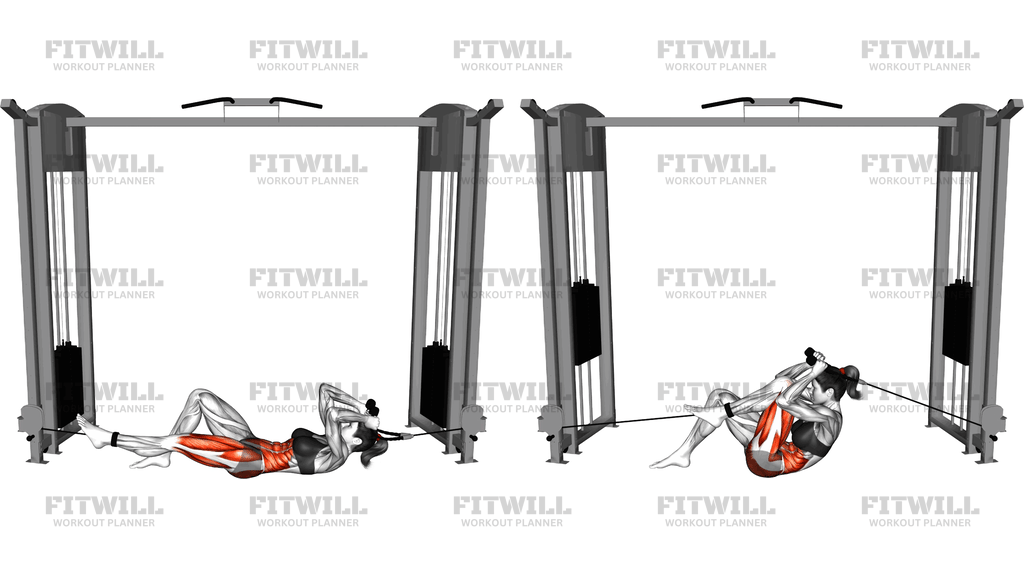
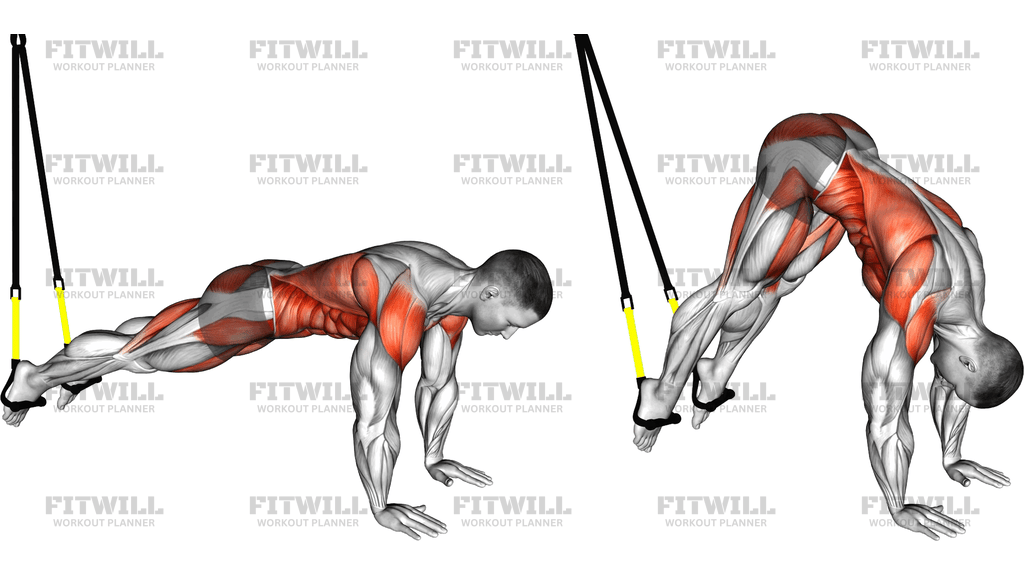
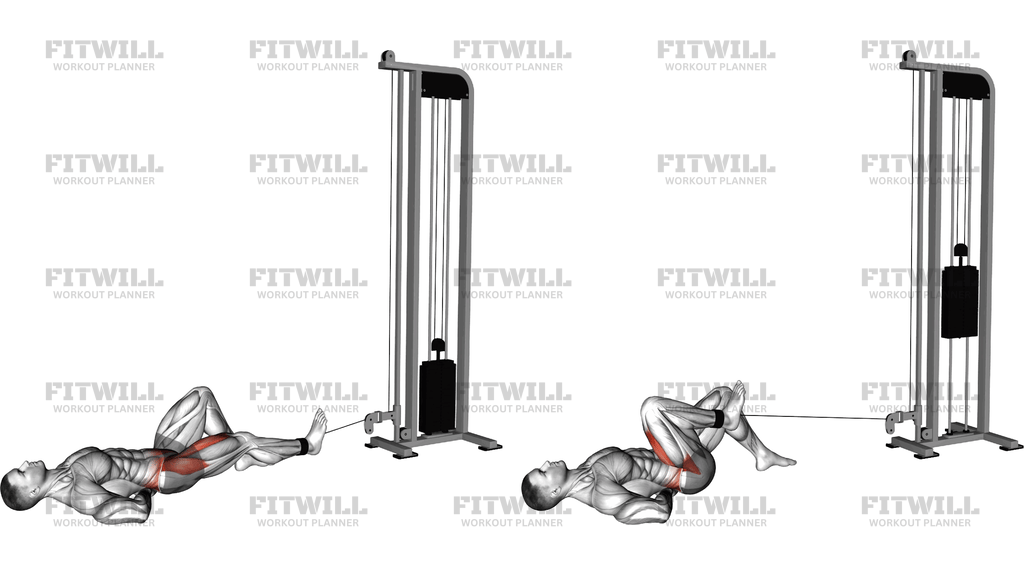
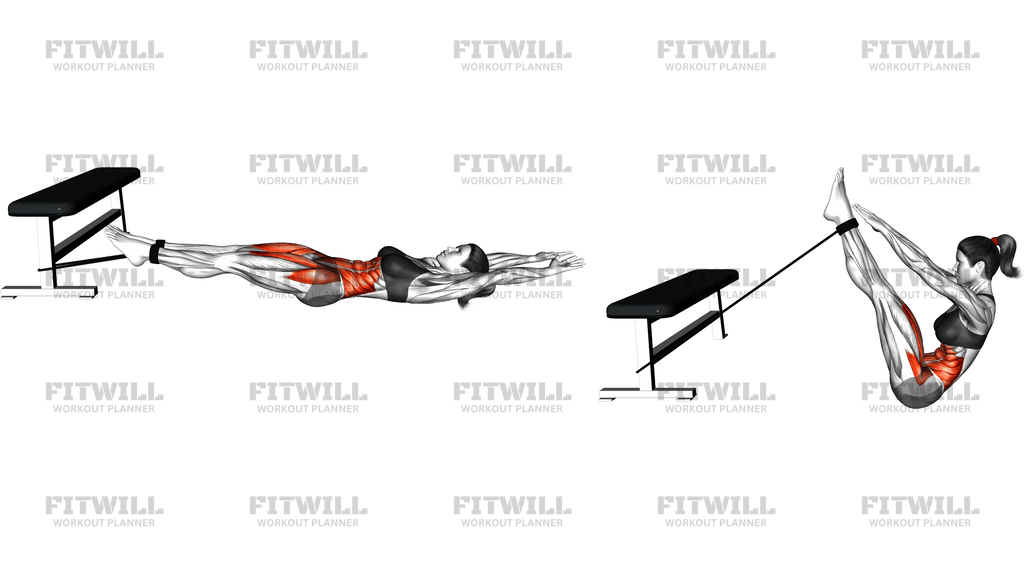
Weighted Lying Leg Raise
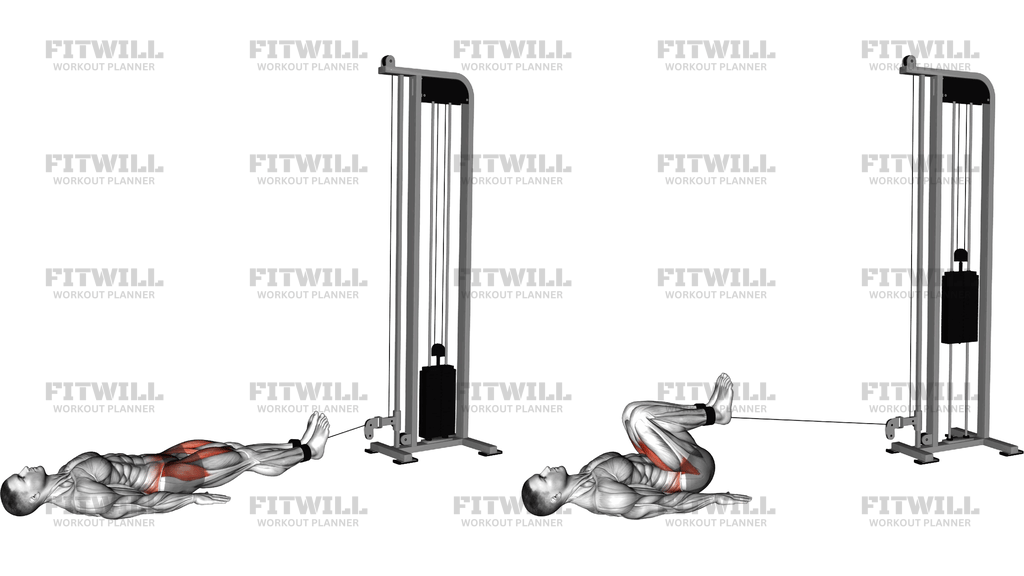
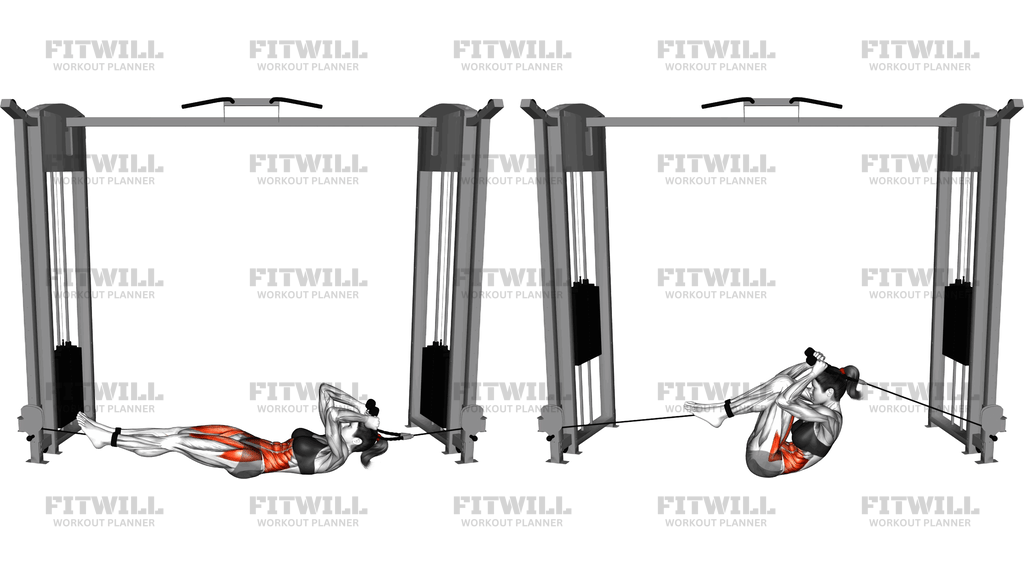
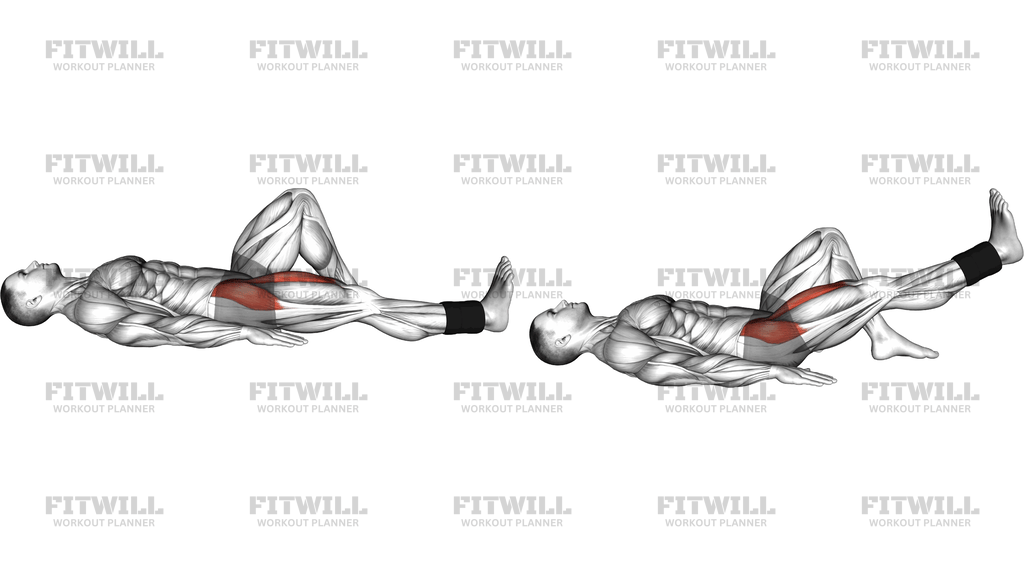
The Weighted Lying Leg Raise is a supine core exercise where you lie flat on your back with weighted ankle straps secured around your ankles, then lift your straight legs up toward the ceiling and lower them back down under control. Adding load at the ankles turns a standard bodyweight leg raise into a much more demanding challenge for the lower portion of the abdominals and the hip flexors, making it a staple progression for lifters who have outgrown unweighted leg raises.
This movement primarily targets the lower abs, particularly the lower fibers of the rectus abdominis, which work to posteriorly tilt the pelvis and curl the hips off the floor as the legs rise. The hip flexors, including the iliopsoas and rectus femoris, drive the legs upward, while the deep core stabilizers and obliques work to keep your pelvis and spine from arching as the load swings back down. Because the legs act as a long lever, even a modest amount of ankle weight meaningfully increases the demand on your trunk.
Setup matters more here than in most ab exercises. Lying flat on the floor or a mat with your arms placed out to your sides gives you a stable base and lets your hands act as training wheels for balance. Your lower back should stay pressed toward the floor throughout the set — if it peels up and arches as the legs lower, the load shifts away from the abs and onto the lumbar spine, which is where most discomfort with this exercise comes from.
To perform it well, brace your core before the first rep, raise your straight legs until they point roughly at the ceiling, then push your feet slightly toward your head so your hips curl a few inches off the floor. That extra hip curl at the top is what separates a true ab exercise from a hip flexor exercise. On the way down, lower slowly and stop just before your heels touch the floor, keeping tension in the abs the whole time.
The Weighted Lying Leg Raise fits well at the end of a strength session as a finishing core movement, and it is popular with gymnasts, martial artists, climbers, and anyone building toward advanced hanging or bar work, since it builds the specific strength needed to control the pelvis under load. Start with a light pair of ankle weights or small plates in the straps, and only add load once you can complete all your reps without your lower back arching or your tempo turning sloppy.
[ Workout Log & Planner ]
Put your next workout in Fitwill
Keep your plan and training log ready when you are.



Instructions
- Lie flat on your back on an exercise mat with your legs fully extended and your arms resting on the floor alongside your torso, palms facing down.
- Secure a weighted ankle strap around each ankle, or fasten small ankle weights snugly so they will not shift as your legs travel.
- Press your lower back gently toward the floor, lift your head or keep it neutral on the mat, and brace your core as if bracing for a light punch.
- With your knees straight and feet together, raise both legs upward by flexing at the hips until they point roughly at the ceiling.
- At the top, push your heels a few inches higher so your tailbone and hips lift slightly off the floor and your abs curl your pelvis toward your ribs.
- Pause briefly at the top, then lower your legs slowly and smoothly back toward the starting position, keeping your lower back in contact with the floor.
- Stop the descent just before your heels touch the mat so your abs stay under tension, then begin the next rep.
- Exhale as you lift your legs and inhale slowly as you lower them, keeping the brace consistent throughout.
- Complete your set, then unstrap the ankle weights while still lying down rather than standing with them dangling.
Tips & Tricks
- The most common mistake is letting the lower back arch as the legs descend — the moment you feel your lumbar spine lift off the mat, shorten the range instead of forcing the heels all the way down.
- Do not let momentum do the work; if your legs swing up quickly and drop quickly, the weight is too heavy or your tempo is too fast, so reduce the ankle load and aim for a two-second lower.
- Bending the knees makes the movement easier by shortening the lever, so keep the legs straight for the full ab challenge and only bend them if you cannot control the straight-leg version.
- If you feel the work mainly in the front of your hips rather than your abs, you are likely skipping the hip curl at the top — exaggerate the tailbone lift to bring the rectus abdominis into the movement.
- Pressing your palms into the floor during the descent helps stabilize your pelvis, but avoid pushing so hard that you rock your upper body off the mat.
- Place the ankle straps just above the ankle bone and snug; loose straps slide down and change the feel of the lever as you lift.
- Breathe out forcefully on the way up instead of holding your breath, which helps keep the ribs down and the abs engaged.
- Between sets, rest with your knees bent and feet flat rather than legs extended, since lingering in a flat-lying position with loaded ankles keeps tension on the lower back.
Frequently Asked Questions
What muscles does the Weighted Lying Leg Raise work?
It primarily targets the lower abs, especially the lower fibers of the rectus abdominis, while the hip flexors lift the legs and the deep core and obliques stabilize the pelvis. The added ankle weight increases the demand on all of these compared to the bodyweight version.
How much weight should I strap on my ankles for the Weighted Lying Leg Raise?
Start with a very light load, often one to two pounds per ankle, and only add weight when you can complete all reps with a slow lowering phase and no lower back arch. Because the legs form a long lever, small increases in load feel much heavier than they look.
Is the Weighted Lying Leg Raise safe for beginners?
Beginners should usually master the unweighted lying leg raise first, keeping a bent knee or partial range if needed. Once you can control straight legs down to just above the floor without your back arching, adding light ankle weight is a reasonable next step.
Why do my lower back and hips feel the Weighted Lying Leg Raise more than my abs?
This usually means your pelvis is tilting forward and your lumbar spine is arching as the legs lower, shifting load away from the abs. Stop the descent higher, brace harder before each rep, and emphasize the hip curl at the top to bring the abdominals back into the work.
Should my heels touch the floor between reps of the Weighted Lying Leg Raise?
No — stopping just before your heels touch keeps continuous tension on the abs and prevents you from resetting with momentum. If touching down briefly helps you keep good form on later reps, that is a fair trade-off rather than letting your back arch.
Can I do the Weighted Lying Leg Raise without ankle straps?
Yes, you can hold a dumbbell or medicine ball between your feet, or use slip-on ankle weights. Straps tend to stay more secure during the movement, but any method that keeps the load fixed to your ankles or feet works.
How does the Weighted Lying Leg Raise differ from the Hanging Leg Raise?
The lying version supports your torso and pelvis on the floor, which removes the grip and shoulder stability demands of hanging work and makes it easier to control the pelvis. It is a good stepping stone toward hanging variations and lets you load the legs earlier.
How many reps and sets of the Weighted Lying Leg Raise should I do?
Two to four sets of 8 to 15 controlled reps works well as a core finisher. Because the emphasis is on control rather than speed, treat the slow lowering phase as part of the rep count and stop the set when your form breaks down.
Who benefits most from adding weight to lying leg raises?
Lifters and athletes who already find bodyweight leg raises easy — such as gymnasts, martial artists, and climbers — get the most from the weighted version. It builds the pelvic control and lower ab strength needed for harder trunk work and hanging progressions.