Calf Side To Side Jump
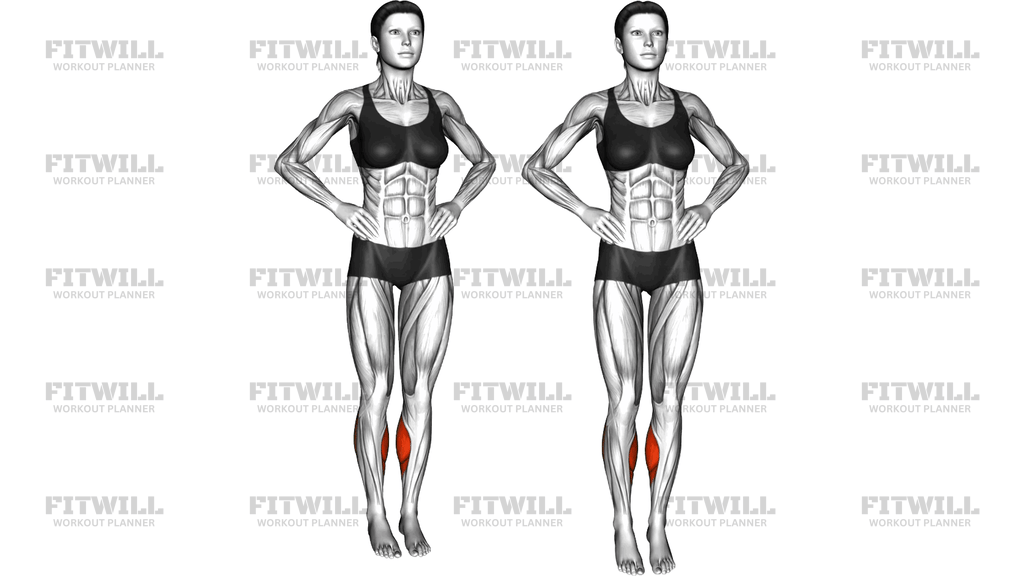
The Calf Side To Side Jump is a bodyweight plyometric drill where you hop laterally from side to side, taking off and landing on the balls of your feet with your legs staying relatively close together. Unlike a standard calf raise, which is slow and isolated, this movement forces the calf muscles to absorb and re-produce force quickly, making it a useful bridge between basic strength work and more demanding jumping or sprinting drills.
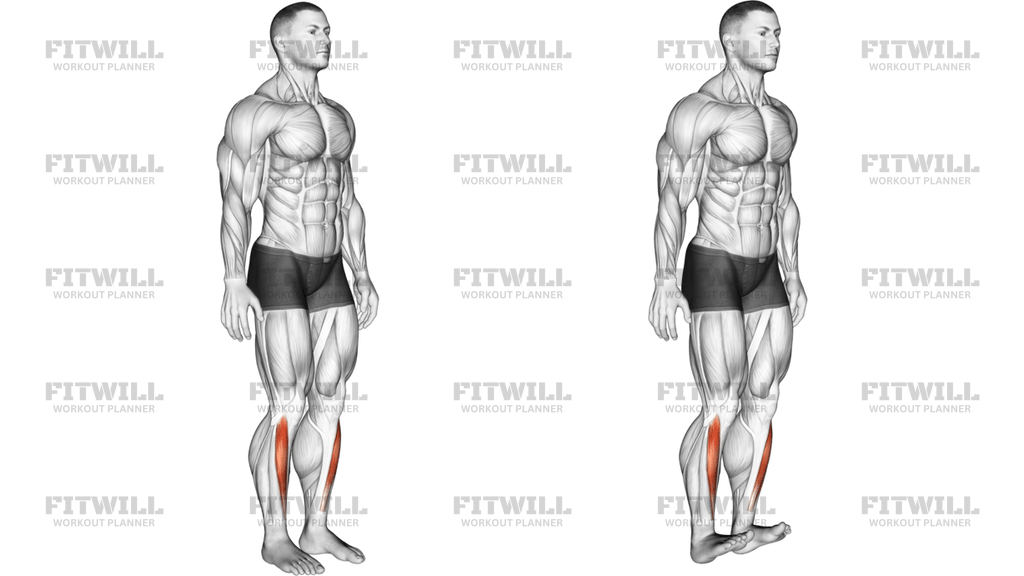
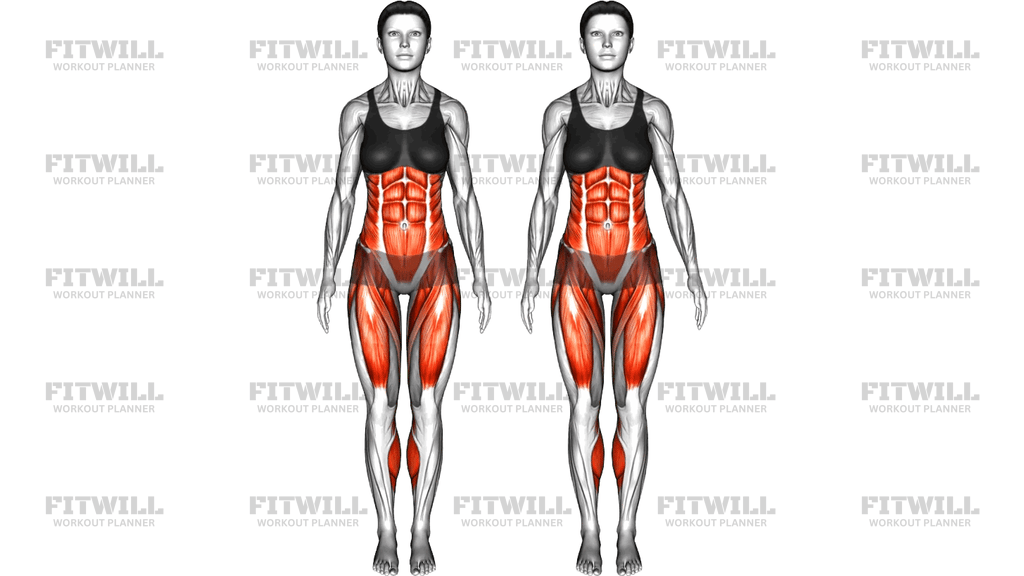
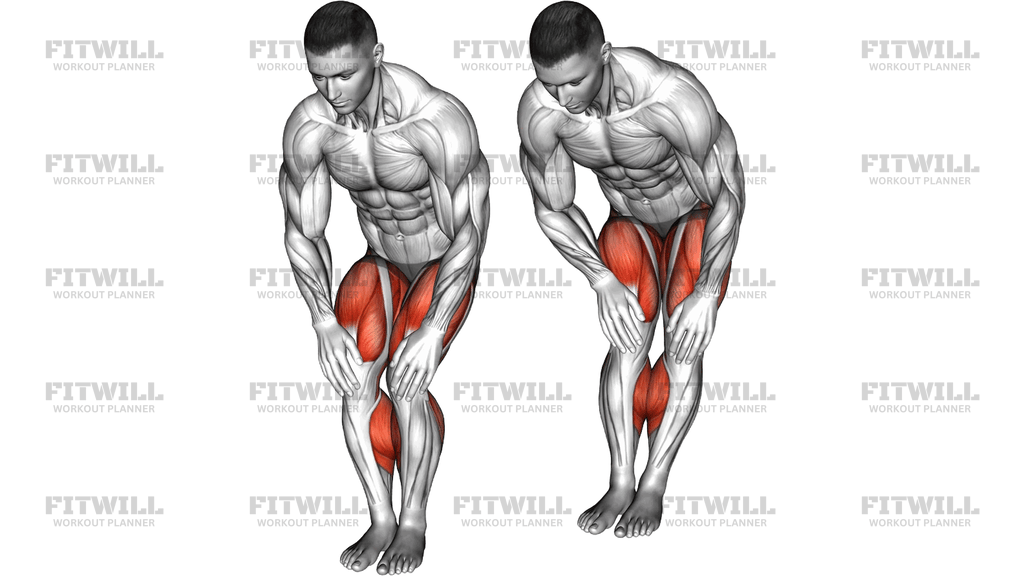
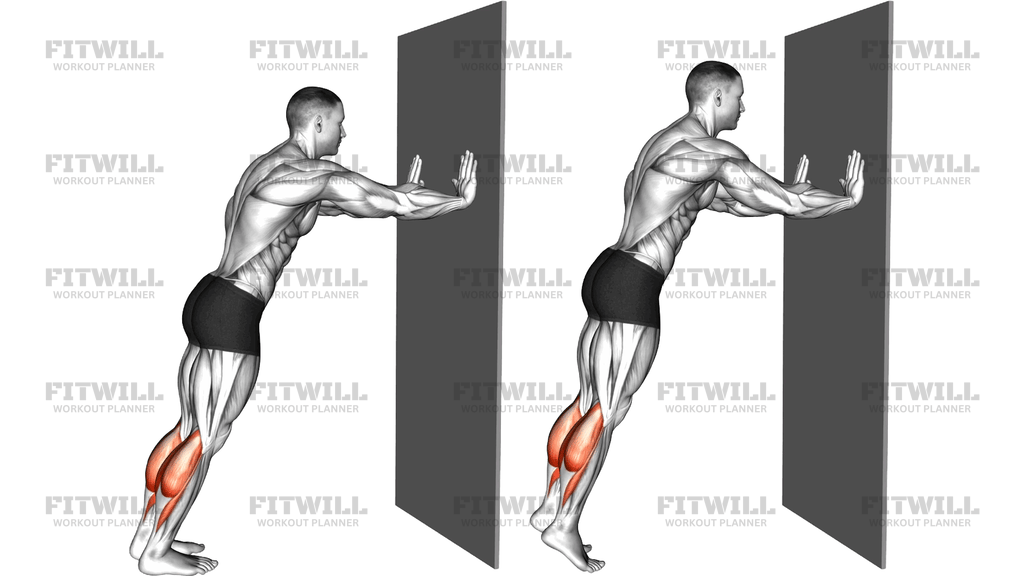
The main muscles at work are the calves, particularly the gastrocnemius on the back of the lower leg, with the soleus and the smaller muscles around the ankle contributing to every takeoff and landing. Because you are moving sideways rather than straight up, the ankle stabilizers on the inner and outer lower leg also work hard to keep you balanced. Your quads and glutes assist with the push-off, and keeping your hands on your hips forces your trunk to stay controlled without arm swing to hide any wobble.
This exercise suits anyone who wants springier, more resilient lower legs: recreational athletes preparing for court and field sports, runners looking to improve ankle stiffness and rebound, or intermediate trainees who have already built a base with calf raises and want a faster, more reactive option. It requires no equipment beyond a flat, non-slip surface, which makes it easy to slot into a warm-up or a short conditioning block.
Setup matters more than it looks. Stand tall with your feet together or a few centimeters apart, hands on your hips, and your weight firmly on the forefoot. From there, push off through the balls of both feet to jump a short distance sideways, land softly on the forefoot with a slight knee bend, pause briefly to steady yourself, then jump back to the other side. The jump should be low and controlled rather than high and sprawling; the goal is clean, repeatable rebounds, not distance.
Two practical points keep this drill safe. First, only progress to continuous, quick hops once you can land quietly and hold your balance on every rep; loud, collapsing landings are a sign the calves and ankles are not ready. Second, keep the volume modest, as the Achilles tendon and calf tissue respond to high-rebound work with real fatigue, and sloppy late-set landings are where ankle rolls and calf strains happen. Two or three short sets of crisp hops beat a long set of tired, uncontrolled ones.
[ Workout Log & Planner ]
Put your next workout in Fitwill
Keep your plan and training log ready when you are.


Instructions
- Stand upright with your feet together or a few centimeters apart, hands placed on your hips, and your gaze forward.
- Shift your weight onto the balls of your feet so your heels are just off the floor, and brace your core to keep your torso still.
- Push off through the balls of both feet and jump a short distance directly to one side, keeping the jump low.
- Land on the balls of both feet with your knees slightly bent, letting the calves absorb the impact quietly.
- Pause for a moment to steady your balance before the next jump, especially while you are still learning the drill.
- Jump back across to the opposite side, keeping your feet together and your hands on your hips throughout.
- Continue moving side to side in a narrow corridor, covering roughly shoulder-width to one foot of ground per hop.
- Exhale on each takeoff and inhale during the brief landing and reset phase.
- Once landings are consistently quiet and balanced, link the hops into a continuous rhythm without long pauses.
- Finish the set before your landings get heavy or your heels start crashing down, then stand tall and let the calves settle before repeating.
Tips & Tricks
- Keep the jump height low; a hop of a few centimeters trains the calf rebound far better than a high jump that turns into a hard landing.
- If your heels touch down and thud on landing, you are dropping off the forefoot—cue yourself to stay tall on the balls of the feet for the entire set.
- Hands on hips is a feature, not a limitation: if you notice your arms flailing out for balance, your core and ankle stability need slower, paused reps first.
- Start with a narrow side-to-side distance, about shoulder width, and only widen the hop once every landing is controlled.
- Land toe-first with a soft knee bend rather than stiff-legged; stiff knees send more shock up the shins and Achilles.
- Do this drill on a firm, non-slip surface such as a gym floor, not on thick soft matting or an uneven outdoor slope, which makes the ankle wobble unpredictable.
- Keep reps in the range where form stays sharp—typically 10 to 20 hops per set—because calf rebound quality drops fast once fatigue sets in.
- If you feel a tightness or pinch in the Achilles rather than working muscles, stop, and return to slower calf raises before resuming jump work.
- Warm the calves up first with bodyweight calf raises or a few minutes of light skipping so the first hops are not the first loading of the day.
Frequently Asked Questions
Which muscles does the Calf Side To Side Jump work?
The calves are the primary movers, especially the gastrocnemius during each takeoff. The soleus, the ankle stabilizers on either side of the lower leg, and to a lesser degree the quads and glutes all assist with push-off and landing.
Is the Calf Side To Side Jump suitable for beginners?
Beginners can do it, but it helps to first be comfortable with calf raises and simple two-foot hops in place. If side-to-side landings feel wobbly, start with small hops and a deliberate pause on each landing before making the drill continuous.
How far should I jump from side to side?
Start with a short hop of roughly shoulder width. The distance matters less than landing on the balls of both feet with control, so widen the hop only when every landing is quiet and balanced.
Why do I keep losing my balance when I land?
Most often the heel is crashing down or the torso is drifting sideways with the hop. Keep your chest up, hands on hips, and land toe-first with a slight knee bend, pausing between hops until your balance is solid.
Can I use the Calf Side To Side Jump as a warm-up?
Yes, a short set of low, easy hops works well to prime the calves and ankles before running, jumping, or leg training. Keep the effort submaximal so the drill wakes up the tissue without fatiguing it.
How many reps and sets should I do?
Two to four sets of 10 to 20 continuous side-to-side hops is a practical range. Stop the set when landings lose their crispness, since quality of rebound matters more than total volume.
What can I substitute if jumping bothers my calves or Achilles?
Slow bodyweight calf raises, then fast calf raises on the spot, rebuild the same musculature with far less impact. Once those are comfortable, low two-foot hops in place are a gentle step back toward lateral jumping.
Is it safe to do this exercise on a hard floor?
A firm, non-slip floor is actually ideal because it gives a predictable push-off. Avoid thick, soft matting and uneven outdoor surfaces, which make the ankle position less consistent on each landing.
Should my knees bend during the Calf Side To Side Jump?
Yes, a slight bend at landing helps the legs absorb impact, but the movement should still be driven by the balls of the feet and calves. A deep squat-style landing turns it into a different, leg-dominant exercise.