Low Lunge Tip Toe (Hands Hips Position)
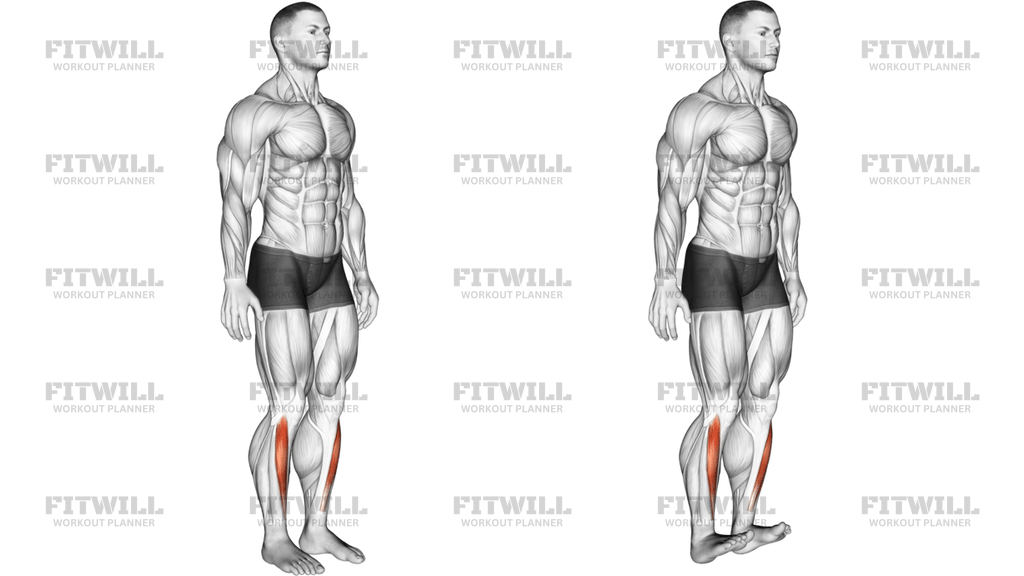
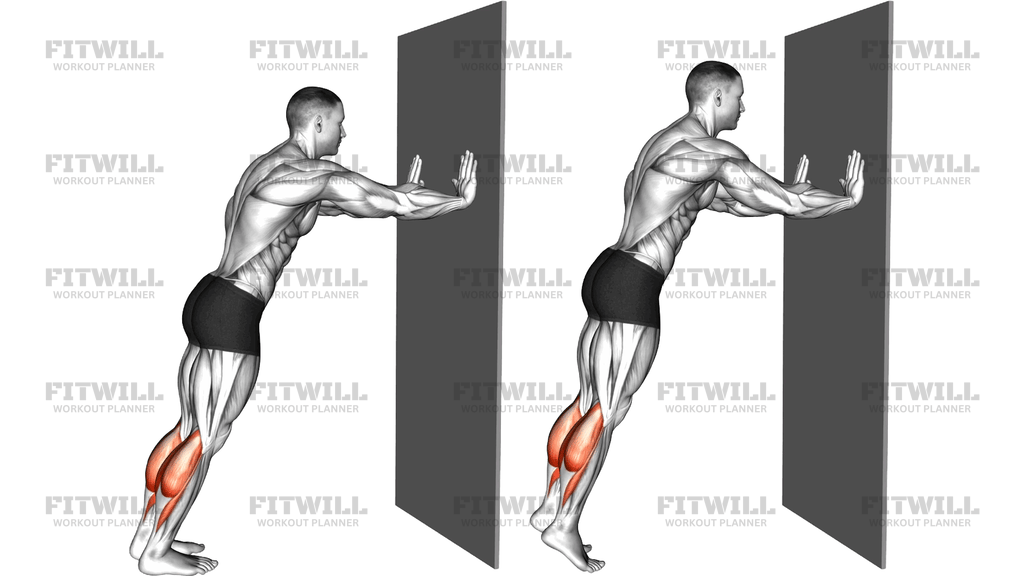
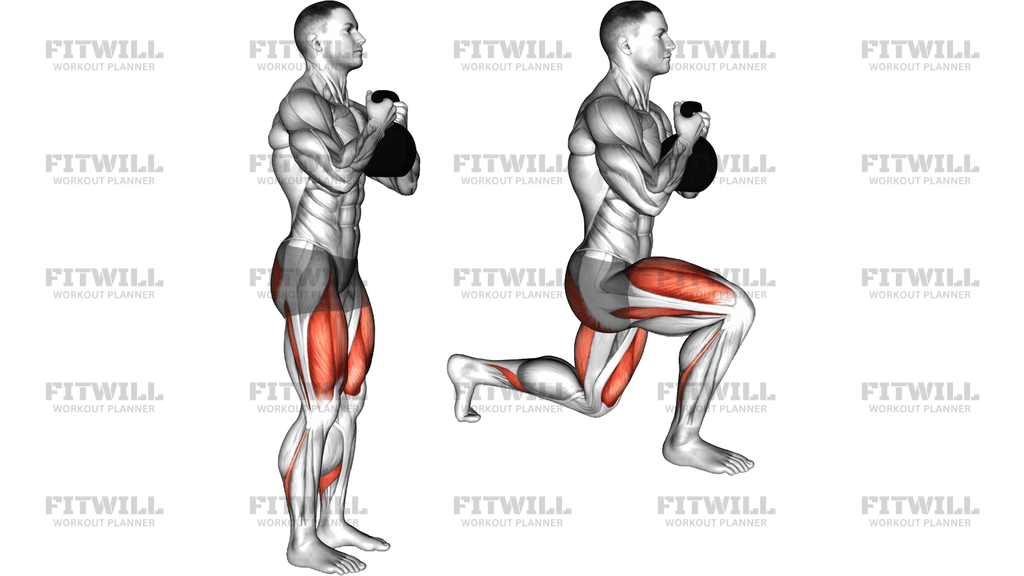
Low Lunge Tip Toe (Hands Hips Position) combines a kneeling low lunge with a heel raise on the front foot, placing the workload squarely on the calf of the lead leg. You settle into a lunge with the back knee resting on the floor, brace with your hands on your hips, and press up onto the ball of the front foot so the heel lifts as high as possible before lowering it back down with control. The calf is highlighted as the prime mover, but the position demands a surprising amount of balance, hip stability, and torso control to hold together.
This movement is useful for anyone who wants to load the calves through a full range without standing calf raise equipment. Because the back knee is down, the front leg carries less total body weight than in a standing raise, which makes the heel raise easier to control and lets you focus on a long stretch at the bottom and a strong squeeze at the top. Runners, lifters with stubborn calves, and people rehabbing ankle stiffness after clearance from a professional often find this a comfortable entry point.
The low lunge base also doubles as a hip flexor stretch for the rear leg. As you lift the front heel, the front calf works through plantar flexion while the rear hip stays in a lengthened position, so you are training one area and mobilizing another at the same time. Keeping the hands on the hips rather than reaching forward or bracing on a wall removes the temptation to lean, forcing the trunk and the stabilizers around the front ankle to do their job.
Setup matters more than it looks. A short stance turns this into a cramped knee-dominant position, while an overly long stance pulls the heel out of range before the rep even starts. Aim for a stance where the front knee stacks roughly over the ankle when the heel is flat, the rear knee rests directly under or slightly behind the hip, and the torso stands tall. From there, every rep should rise straight up and come straight down without the ankle rolling outward or the knee caving inward.
In practice, this exercise works well as a warm-up activation before lower body training, as a finisher burnout after squats or lunges, or as a standalone calf and ankle stability drill on days when you train barefoot or at home. Start with eight to twelve controlled reps per side, pause briefly at the top of each raise, and treat the lowering phase as part of the work rather than a collapse. If your balance wobbles, that is a signal to slow down and narrow your focus, not to rush through the set.
[ Workout Log & Planner ]
Put your next workout in Fitwill
Keep your plan and training log ready when you are.


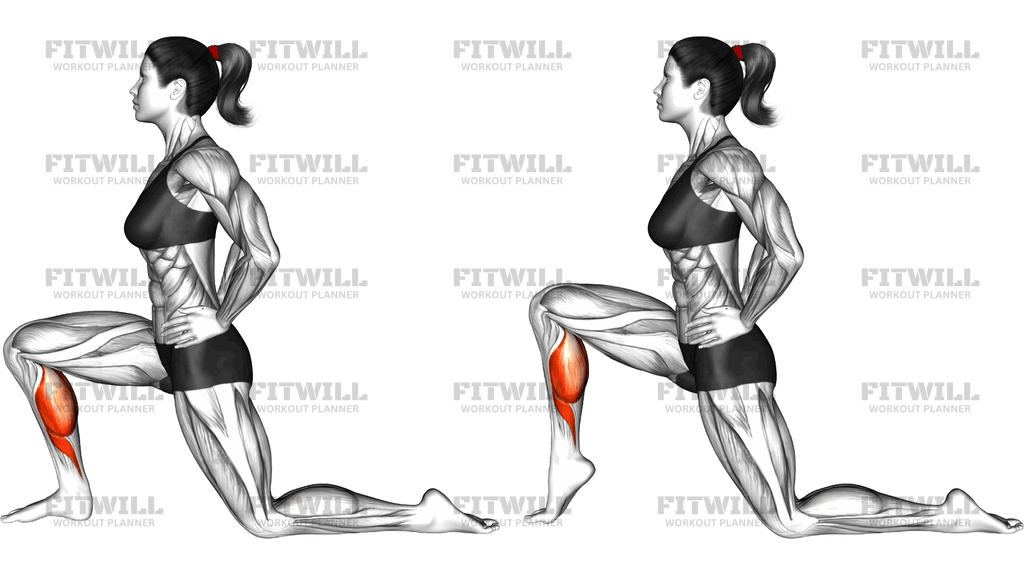
Instructions
- Kneel on one knee with the other foot planted in front of you, flat on the floor, so the front knee stacks over the ankle when your torso is tall.
- Place both hands on your hips with elbows tucked in, and lengthen through the spine so you are not leaning forward over the front leg.
- Keep the back knee resting on the floor under or slightly behind the hip, with the top of the back foot flat on the ground for a stable base.
- Brace your core lightly and squeeze the glute of the rear leg to lock the pelvis in a neutral position before moving.
- Press through the ball of the front foot and lift the heel straight up as high as you can, keeping the knee still and stacked over the ankle.
- Pause for one to two seconds at the top with the calf fully shortened and your weight balanced over the big toe and second toe.
- Lower the heel back to the floor slowly and under control until it touches down fully, feeling a stretch through the calf.
- Exhale as you press up onto the toe and inhale as you lower the heel back down, keeping the breath steady throughout the set.
- Complete all repetitions on one side, then step back to a kneeling position, reset your stance, and switch legs.
- Rest briefly between sides and shake out the ankle before the next set to keep the movement crisp.
Tips & Tricks
- If the heel drifts toward the pinky toe at the top of the raise, your weight has shifted to the outer edge of the foot; drive the big toe into the floor to keep the rise straight.
- A wobbly torso usually means the hands have crept off the hips; keep them glued there so you cannot lean or press on anything for balance.
- Do not let the front knee travel forward as the heel lifts. The knee should stay quiet while only the ankle moves, otherwise the calf stops doing the work.
- If you feel pinching at the front of the rear hip, tuck the pelvis slightly and squeeze the rear glute harder; the lunge should stretch the hip flexor, not compress the joint.
- Partial reps at the top are the most common mistake here. Make sure the heel taps the floor each rep so you get the full stretch before rising again.
- Place a folded mat or towel under the back knee if the floor is hard; discomfort there will pull your attention away from the calf.
- The temptation to rock the body up and down defeats the purpose. If momentum creeps in, slow the tempo to a two-second lift and a two-second lower.
- Keep the front foot far enough forward that the heel can lift without the toes gripping the floor; toe clawing signals the stance is too long or the load is too far forward.
Frequently Asked Questions
What muscles does Low Lunge Tip Toe (Hands Hips Position) work?
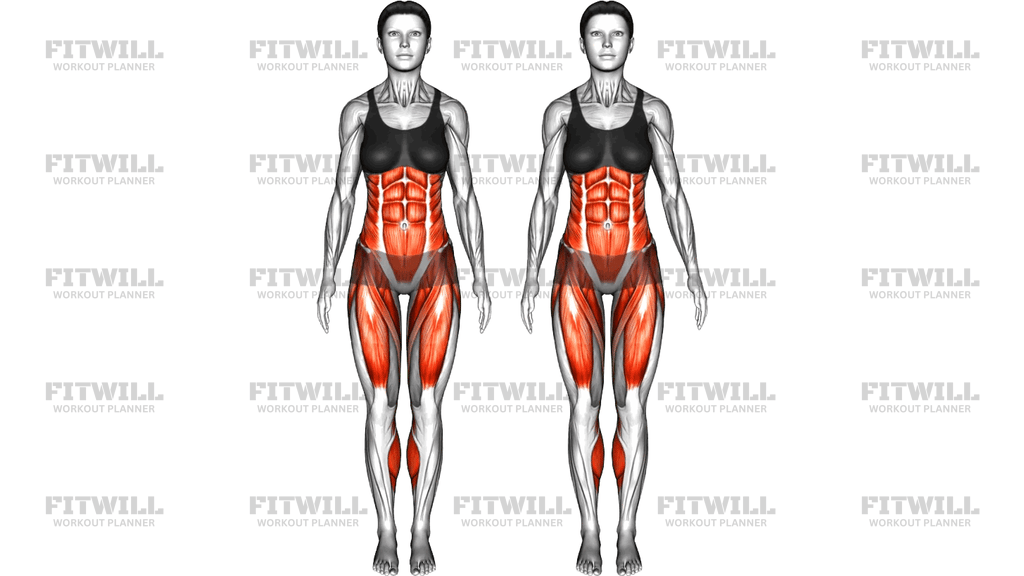
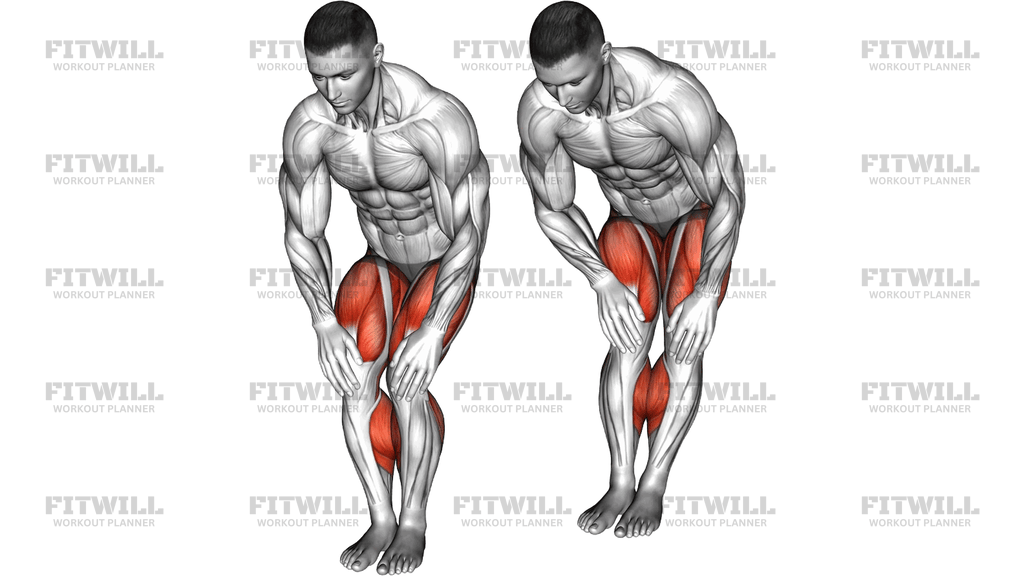
The calf of the front leg, especially the gastrocnemius and soleus, does the main work of lifting the heel. The glutes, quads, hip flexors, and core work isometrically to hold the lunge position and keep you balanced.
Why is the back knee on the floor in this exercise?
The kneeling rear leg reduces the total load on the front leg, so the calf can work through a clean heel raise without supporting your full standing body weight. It also puts the rear hip flexor in a stretched position, adding a mobility benefit.
Can beginners do Low Lunge Tip Toe (Hands Hips Position)?
Yes, and the kneeling setup actually makes it beginner friendly because the front calf is not fully loaded. If balance is difficult at first, keep the heel raise smaller and focus on a straight up-and-down ankle path.
How is this different from a standing calf raise?
In a standing raise both calves share your full body weight, while here one calf works alone against a lighter load with the rear knee down. That makes it easier to feel the muscle, control the tempo, and correct ankle alignment.
Should the front knee move during the heel raise?
No. The knee should stay stacked over the ankle and nearly still, with the movement coming almost entirely from the ankle pressing the heel up and lowering it down. Forward knee travel shifts work away from the calf.
What is the most common mistake in this exercise?
Rolling onto the outer edge of the front foot or letting the heel drift sideways at the top. Keep your weight over the ball of the foot between the big toe and second toe so the calf works in a straight line.
How many reps and sets should I do?
Eight to twelve slow reps per side for two to three sets is a solid starting point. Because the load is light, tempo and a one to two second top pause matter more than adding volume.
Can I substitute Low Lunge Tip Toe (Hands Hips Position) with something else?
A standing single-leg calf raise trains the same muscle with more load, while a kneeling hip flexor stretch covers the lunge position without the heel raise. This exercise is most valuable when you want both in one movement.
Is it safe for my knees and ankles?
For most people the front knee stays stacked over the ankle and the load is light, which keeps stress on those joints modest. If you have an active ankle or knee injury, get clearance from a healthcare professional and start with a smaller heel lift.