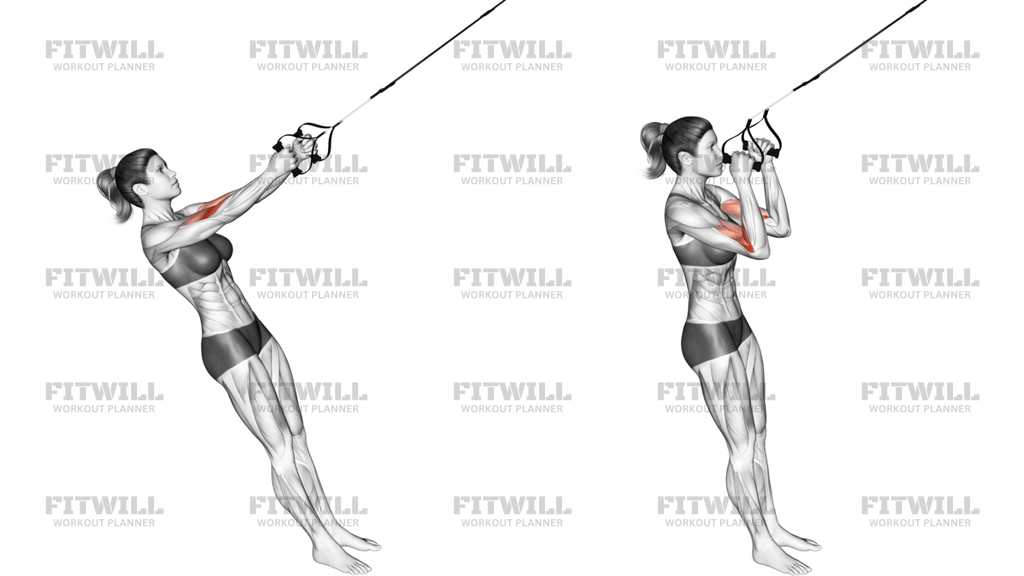
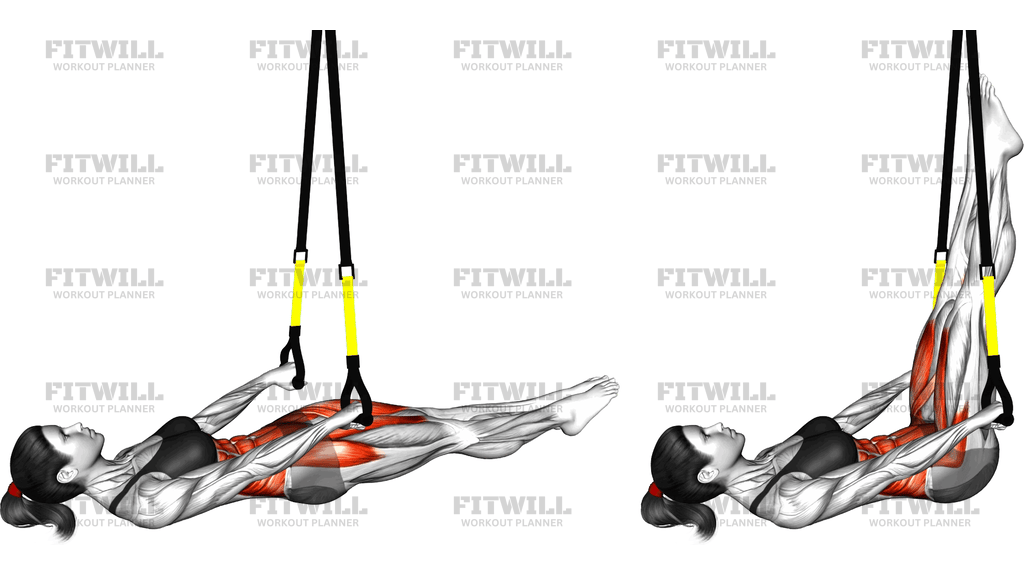
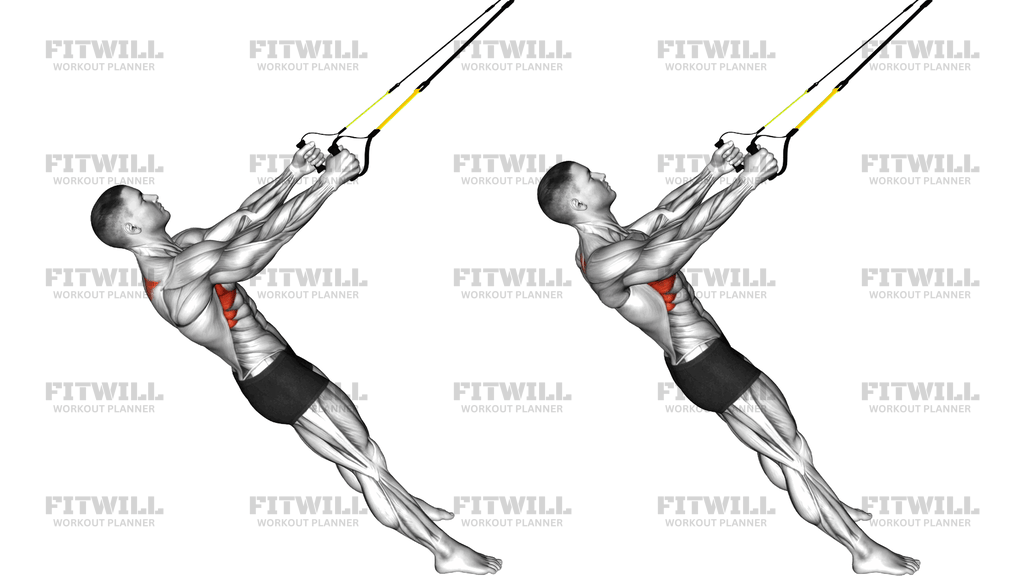
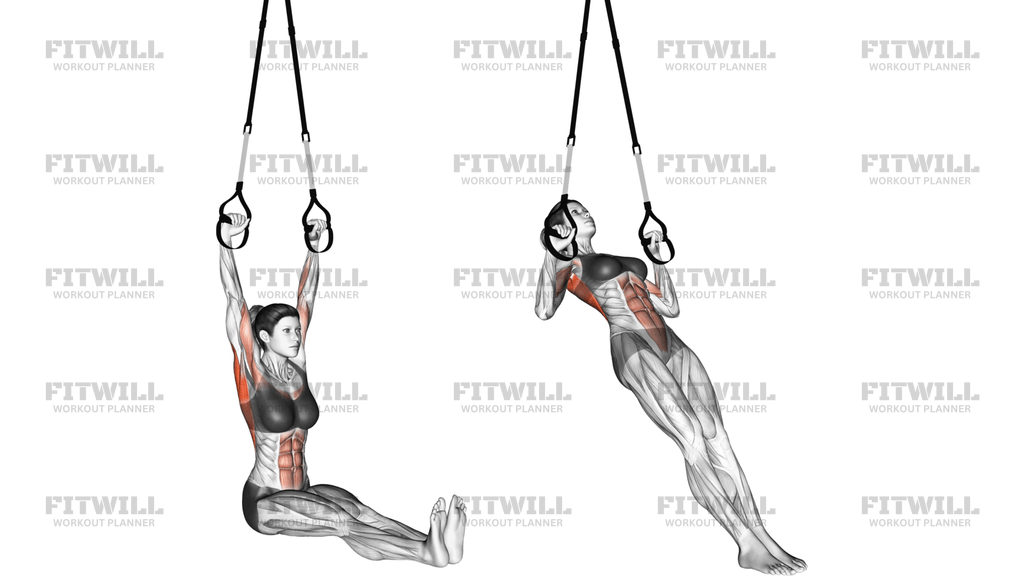
Suspension Hyperextension
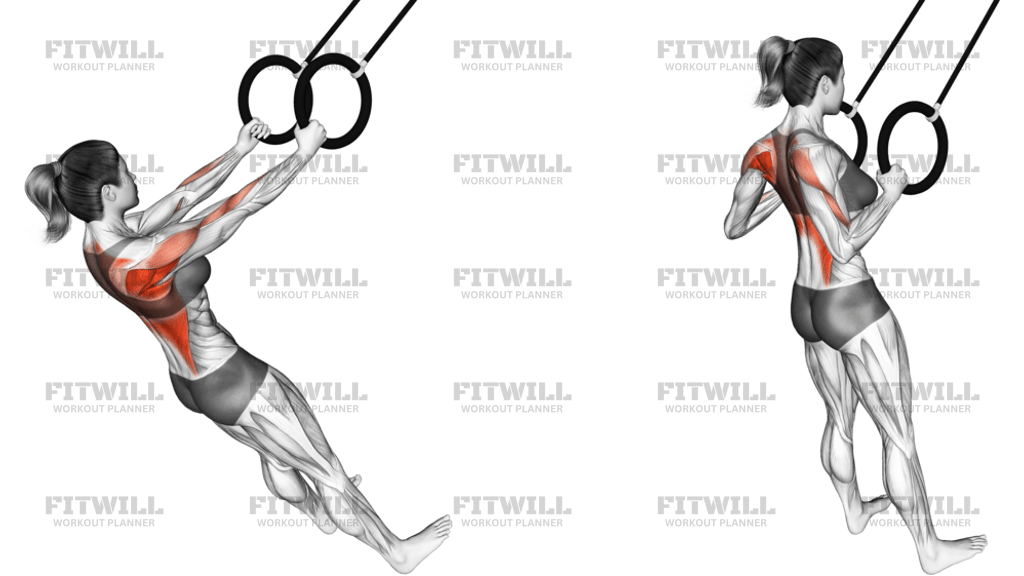
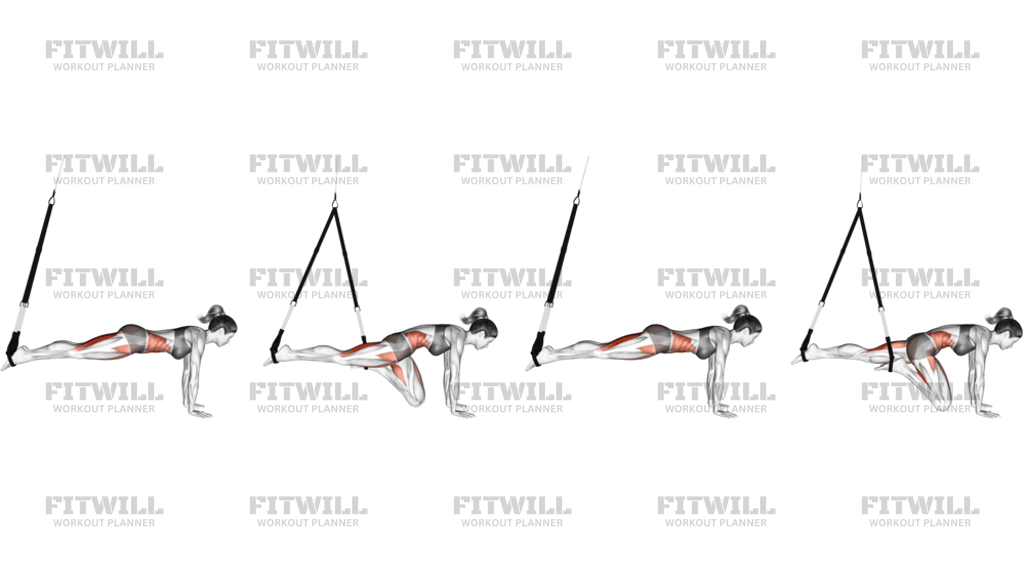
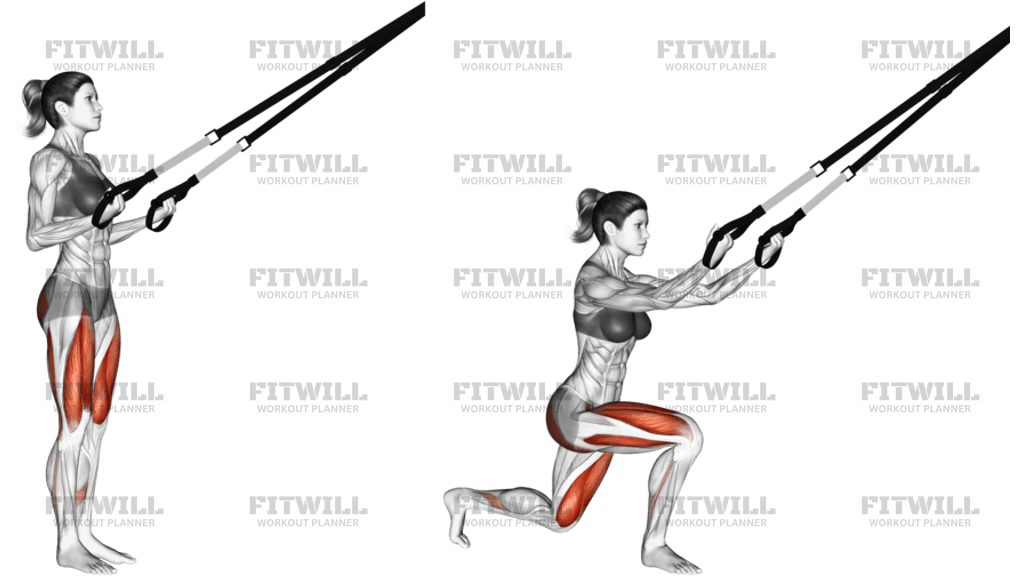
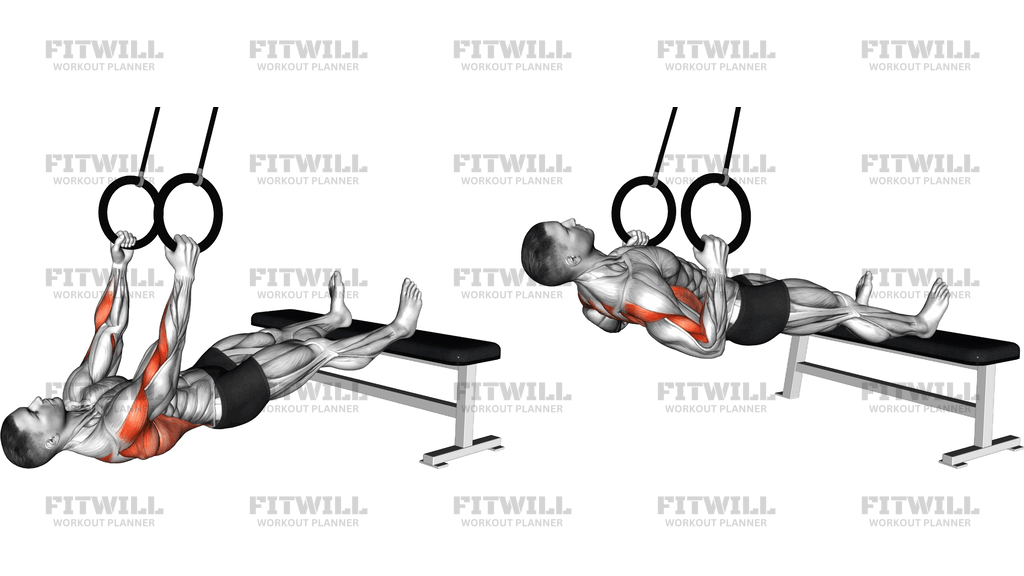
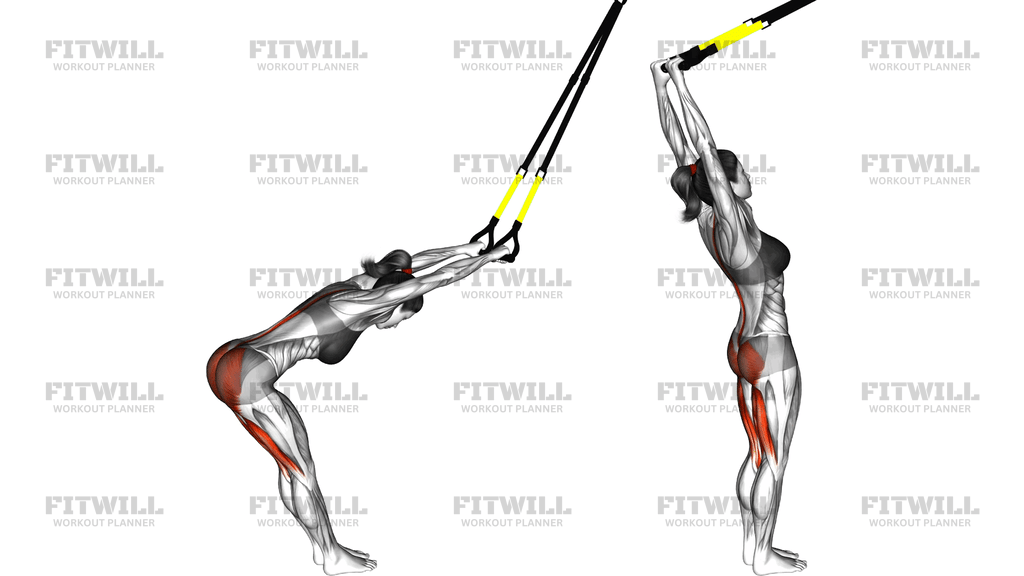
Suspension Hyperextension is a suspension-trainer posterior-chain exercise that uses the straps overhead to load a controlled hip hinge from a leaned-back position to a tall finish. It is useful when you want a bodyweight or lightly assisted movement that challenges the glutes, hamstrings, and spinal erectors while the straps help you stay balanced and honest through the range.
The setup matters because the anchor point and your distance from it determine how much tension you feel. With straight arms and a long line through the straps, you can lean back, hinge at the hips, and then drive forward without losing control of the ribs, neck, or shoulder position. The straps are there to guide the motion, but the repetition should still come from the hips and trunk, not from pulling with the arms.
Use the exercise as a warm-up, activation drill, accessory lift, or low-load strength movement. Keep the range pain-free and controlled: hinge back until you feel the hamstrings lengthen, then extend the hips to stand tall. A clean rep finishes with the ankles, knees, hips, ribs, and head stacked, not with an exaggerated arch in the lower back. If the movement becomes jerky, shorten the range and make the body angle less aggressive.
This movement is especially useful for people who want better hip control, better posture under load, or a low-impact way to train the back side of the body. If your lower back takes over, reset the brace and move with a smaller range. If the straps feel unstable, step closer to the anchor until you can repeat the same line of motion every rep and keep the work on the posterior chain.
Fitwill
Log Workouts, Track Progress & Build Strength.
Achieve more with Fitwill: explore over 9600 exercises with images and videos, access built-in and custom workouts, perfect for both gym and home sessions, and see real results.
Start your journey. Download today!




Instructions
- Face the anchor and hold the suspension handles with straight arms overhead, then step back until the straps are taut and you can lean away without losing balance.
- Set your feet about hip-width apart, soften the knees, and keep a small bend so the legs can support the hip hinge instead of locking out.
- Before each rep, brace the torso, keep the ribs down, and let the shoulders stay packed so the straps do not pull you into a shrug.
- Hinge your hips back and lean your body away from the anchor until you feel a strong stretch through the hamstrings and glutes.
- Keep the spine long and the neck neutral as you lower, and stop before the low back rounds or the feet start to shift.
- Drive through the midfoot and heels, squeeze the glutes, and extend the hips to bring the body back to a tall standing position.
- Finish stacked from ankles to head without leaning back through the lower spine or letting the ribs flare forward.
- Inhale on the way back, exhale as you extend to standing, then reset the strap tension before the next repetition.
Tips & Tricks
- Change the load by walking closer to or farther from the anchor; a longer body angle makes the hinge much harder.
- Keep the arms mostly straight so the movement stays in the hips and trunk instead of turning into a pulling drill.
- Think "hips back, then hips through" rather than arching the lower back to stand up.
- If your hamstrings cramp, shorten the range and slow the lowering phase so the tension stays smooth.
- Do not let the knees lock out; a soft bend keeps the posterior chain working and protects the joints.
- Keep the handles quiet and stable; if they swing, the body angle is probably too aggressive.
- Pause briefly at the tall finish so every rep starts from the same stacked position.
- Stop the set when you start losing the long spine position, because that is usually when the lower back takes over.
Frequently Asked Questions
What muscles does Suspension Hyperextension work?
It mainly trains the glutes, hamstrings, and spinal erectors, with the core and shoulders working to keep the body stable under the straps.
How far should I lean back on the suspension handles?
Lean back only as far as you can keep the spine long, the ribs stacked, and the feet planted. The right angle feels challenging without forcing the low back to arch.
Should my arms do any of the work?
The arms should stay mostly straight and quiet. They help you balance against the anchor, but they should not turn the movement into a row or pull-up pattern.
Why do I feel this in my lower back?
Usually the hips stopped extending first and the ribs flared to finish the rep. Shorten the range, brace harder, and think about squeezing the glutes to stand tall.
Is this exercise appropriate for beginners?
Yes, if you stay close to the anchor and use a smaller lean angle. Beginners should focus on a smooth hinge and a stable finish before increasing difficulty.
How do I make the suspension hyperextension harder?
Step farther from the anchor, slow the lowering phase, or pause longer in the stretched position. Each change increases the demand on the posterior chain and trunk control.
Can I use this as a warm-up exercise?
Yes, it works well as a dynamic warm-up or activation drill before heavier hinging, squatting, or running work.
What is the most common form mistake?
People usually lock the knees, flare the ribs, and arch the lower back to get upright. The better cue is to hinge at the hips and finish with a tall stacked posture.