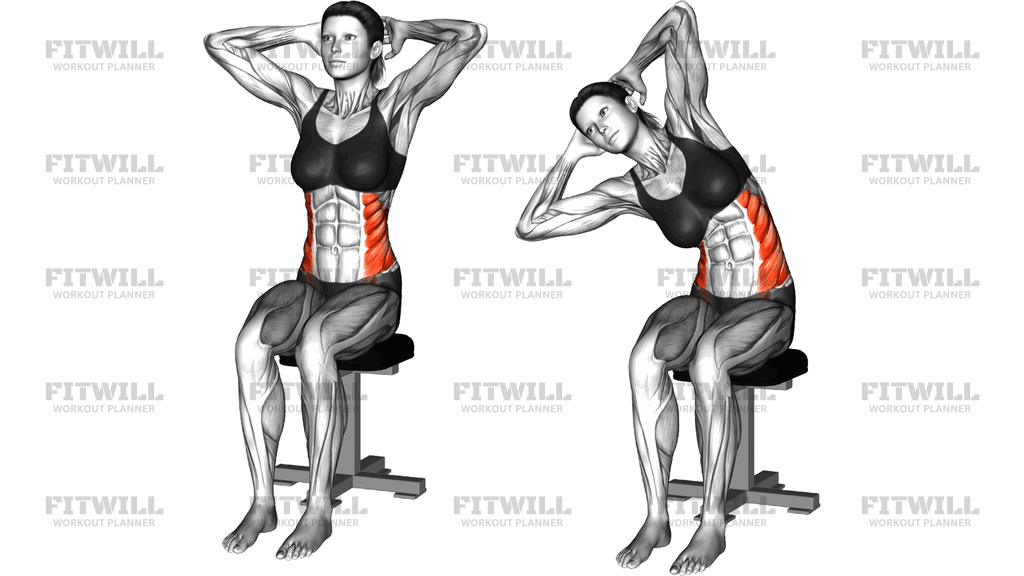
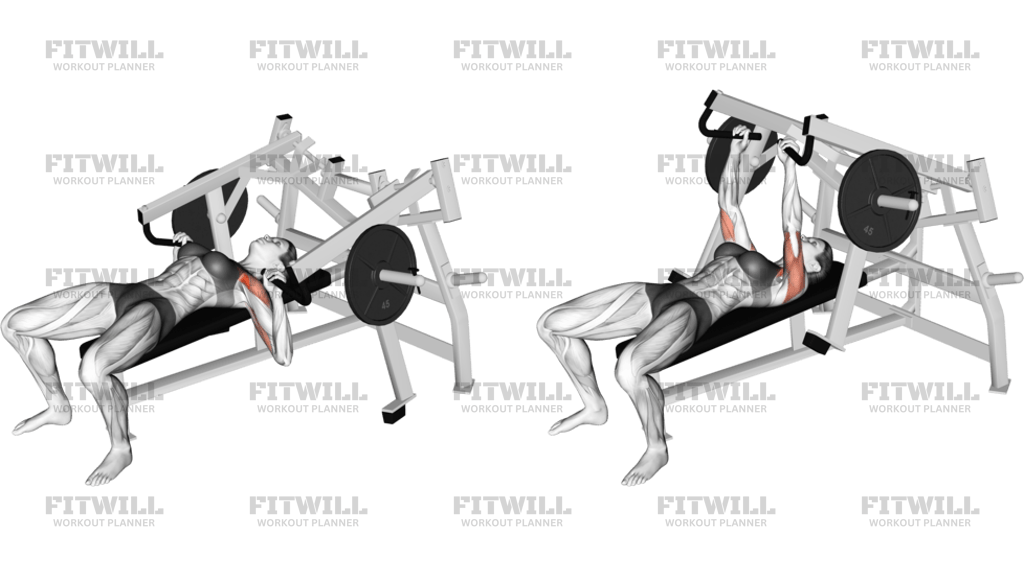
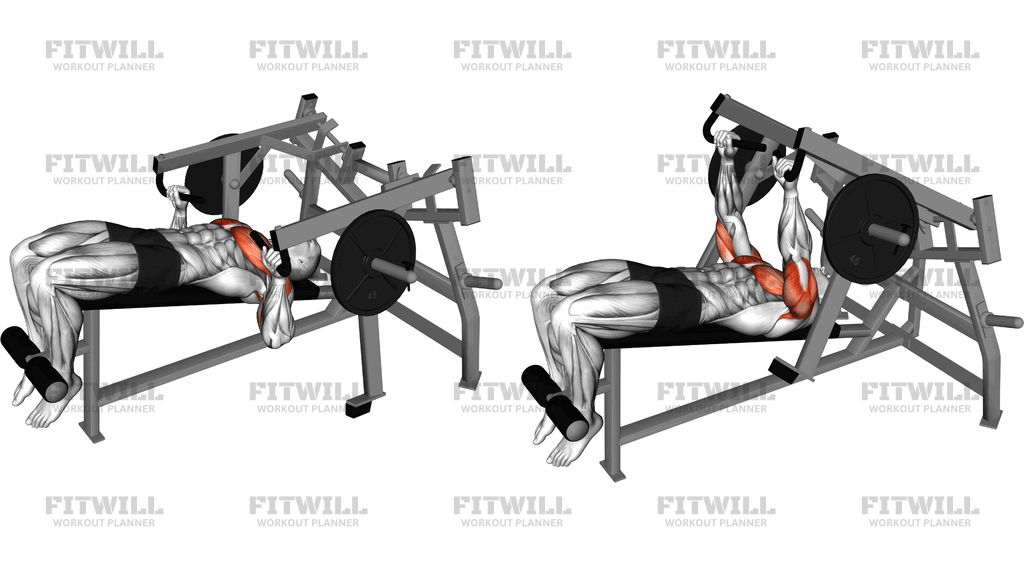
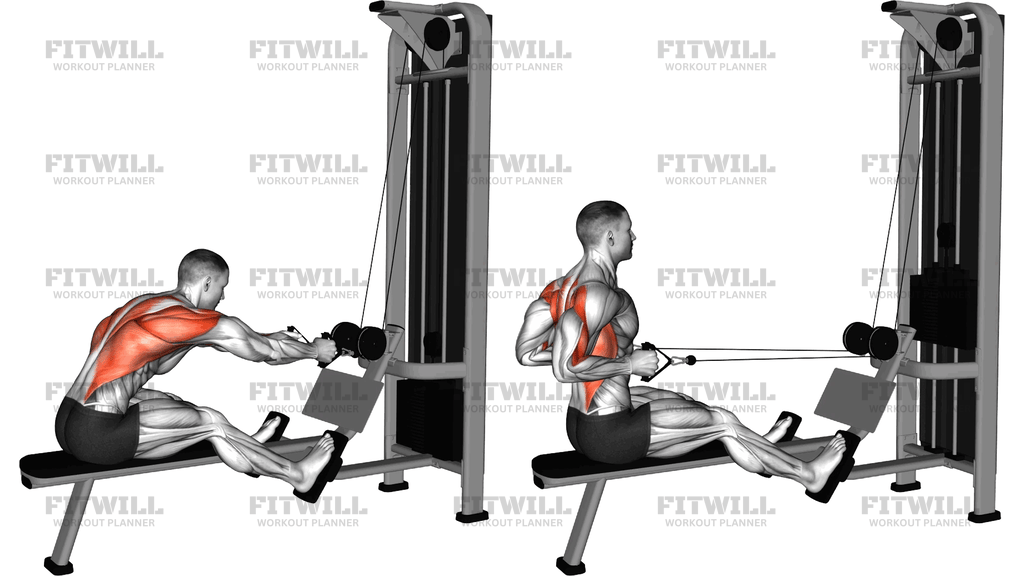
Seated Criss Cross Arms Lift On A Chair
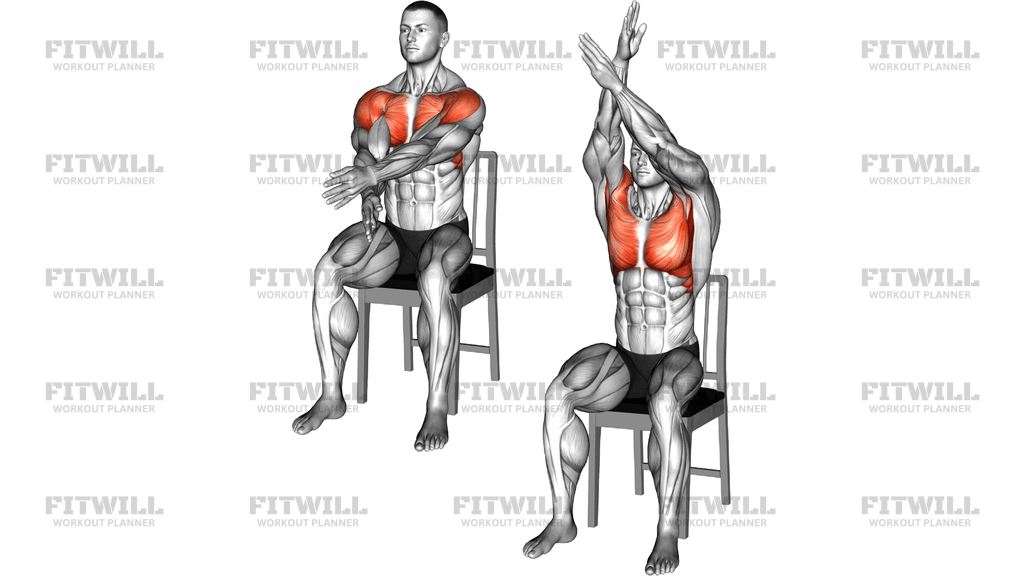
The Seated Criss Cross Arms Lift On A Chair is a simple upper-body stretch performed from a seated position, where you cross your arms in front of your torso and then raise them up and overhead in a crossed position. Because the arms stay crossed as they travel up, the chest muscles are drawn into a lengthened position, making this an effective way to open up tight pecs and the front of the shoulders without any equipment beyond a sturdy chair.
This movement is especially useful for people who spend long hours sitting at a desk, driving, or working with their arms forward, since those habits encourage rounded shoulders and shortened chest muscles. It is also a practical option for beginners, older adults, or anyone rehabilitating general stiffness, because the chair removes balance demands and the range is entirely self-controlled. You can use it as part of a warm-up before pressing exercises, as a mid-day posture reset, or as a cool-down stretch after an upper-body session.
The primary area being stretched is the chest, particularly the pectoralis major across both sides of the ribcage, along with the smaller pectoralis minor underneath. As the crossed arms rise overhead, the front delts and the muscles along the upper back also experience gentle lengthening. Sitting upright during the lift keeps the spine honest, which means the stretch stays in the chest and shoulders rather than being lost through leaning or arching the lower back.
The setup matters more than it might seem. A stable chair without wheels, with your feet flat on the floor and your seat bones planted evenly, gives you a solid base so you can focus on the arm path. Your posture at the start — tall spine, relaxed shoulders, arms crossed low in front of your body — determines whether the arms can travel smoothly overhead. If you begin slouched or with the shoulders shrugged, the lift will feel cramped and the chest will not release properly.
To execute the movement well, cross one wrist over the other in front of your thighs or lower chest, keep the contact soft, and sweep the arms upward together as a single unit. As the hands pass face level, allow the elbows to stay wide and the palms to turn upward so the forearms separate slightly into an open V overhead. Move slowly, stop where you feel a comfortable stretch across the chest, and lower with the same control. The crossed-arm path is what distinguishes this from a standard overhead reach, so keep the crossing intact until the arms come back down.
A few practical points will keep this safe and effective. Move within a range that feels like a stretch rather than a strain, especially at the front of the shoulders, and never force the arms higher by arching your back or thrusting the ribs forward. Keep breathing steady throughout, and switch which arm is on top between repetitions so both sides of the chest receive the same work. Done consistently, this lift complements pressing and pulling exercises by maintaining shoulder-range mobility from a position that matches how most of us actually spend the day — seated.
[ Workout Log & Planner ]
Put your next workout in Fitwill
Keep your plan and training log ready when you are.


Instructions
- Sit on a stable, armless chair with your feet flat on the floor about hip-width apart and your sit bones planted evenly on the seat.
- Sit tall through the spine, let your shoulders drop away from your ears, and cross your arms in front of your body so one wrist rests over the other, hands open and relaxed.
- Brace your core lightly to keep your torso upright, and rest your gaze straight ahead so your head stays stacked over your ribcage.
- Inhale, then sweep the crossed arms upward in front of your body, keeping the wrist contact soft as the hands travel toward the ceiling.
- Continue lifting until your arms are extended overhead, letting the forearms open slightly outward so the palms face up in a wide V.
- Hold the top position for a moment, feeling a stretch across the chest and the front of the shoulders, without arching your lower back or lifting your ribs.
- Exhale and lower the arms back down along the same crossed path until they return to the starting position in front of your torso.
- Keep the movement smooth and continuous, taking about two to three seconds in each direction.
- After each repetition or set, uncross the arms and re-cross them with the opposite wrist on top so both sides stretch evenly.
- Complete your planned repetitions, then shake out the arms and roll the shoulders to reset before moving on.
Tips & Tricks
- If the arms cannot reach full overhead extension, that usually points to tight pecs or front delts — lift only to the height where the stretch is clear but comfortable and build up gradually.
- Do not let the shoulders ride up toward the ears as the arms rise; consciously press them down and wide, or the chest stretch turns into neck tension.
- Keep the wrist crossing loose rather than gripping or locking the hands together, so the elbows can flare naturally as the arms go up.
- Avoid turning the lift into a backbend — if your ribs pop forward and your lower back arches, you are substituting spine extension for true shoulder range.
- Watch for one arm drifting higher than the other; the hands should reach the top together, which keeps both sides of the chest loaded evenly.
- Sit bones stay grounded throughout — if you feel yourself sliding forward on the chair or leaning back, shorten the range slightly.
- Alternating the top arm each set matters more than it looks, since most people have one tighter side and will otherwise stretch it less.
- Breathe out as the arms lift; holding your breath tends to create tension through the shoulders and limits the stretch.
- If sitting on a hard chair is uncomfortable on the tailbone, place a folded towel on the seat, but keep the surface firm enough that your posture does not slump.
Frequently Asked Questions
What muscles does the Seated Criss Cross Arms Lift On A Chair target?
The main target is the chest, especially the pectoralis major, which is lengthened as the crossed arms travel overhead. The front delts and upper-back muscles also receive a gentle stretch during the lift.
Is this a strength exercise or a stretch?
It functions primarily as a mobility and stretching movement for the chest and shoulders. Because there is no external load, it is best used for warm-ups, posture breaks, or cool-downs rather than muscle building.
Why are the arms crossed instead of simply reaching overhead?
Keeping the wrists crossed changes the angle of the upper arms and places the chest fibers under a different line of lengthening than a plain overhead reach. It also encourages the elbows to open outward, which intensifies the pec stretch.
Is the Seated Criss Cross Arms Lift On A Chair suitable for beginners?
Yes. The chair provides a stable base and the range is self-controlled, so beginners and older adults can perform it comfortably. Start with a smaller arc and increase the height only as the chest and shoulders allow.
How many repetitions should I do?
Eight to ten slow repetitions works well as a warm-up or desk break, or two to three sets of eight with a brief hold at the top if you are using it as a dedicated chest stretch. Alternate the top wrist between sets.
My shoulders feel pinched at the top of the lift — what should I do?
Lower the arms slightly to the height where the pinch disappears and keep the elbows wide rather than forcing straight overhead. Persistent pinching means the range is being forced, so shorten the movement and progress gradually.
What can I use if I do not have a chair?
Any firm, stable seat such as a bench or sturdy stool works, and the movement can also be done standing once seated mobility is comfortable. Avoid soft sofas or chairs with wheels, which compromise the base.
Should I feel the stretch in my lower back too?
No — if your lower back is working or arching, the ribs are flaring forward to fake extra arm height. Keep the torso upright and the core lightly braced so the stretch stays in the chest and front of the shoulders.
When is the best time to use this movement?
It fits well before bench presses, push-ups, or any pressing session, and it is a convenient midday reset for anyone sitting for long stretches. It can also serve as a cool-down after upper-body training.
How is this different from a standard seated overhead arm raise?
The criss-cross position pins the wrists together in front of the body first, which restricts the shoulder blades and biases the stretch toward the chest. A plain overhead raise moves freely and stretches the lats and shoulders more than the pecs.