Lever Belt Sumo Deadlift (V Bar)
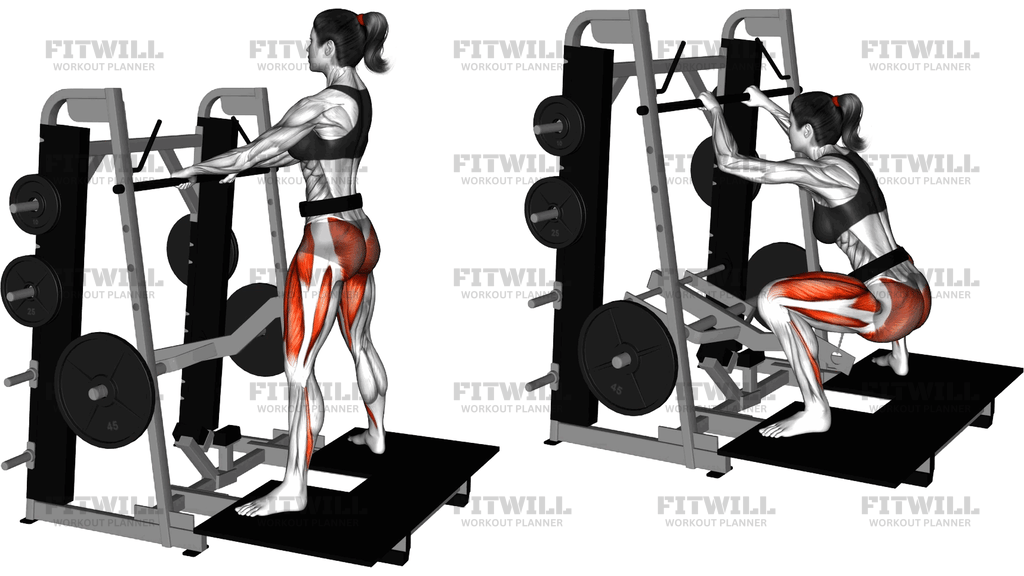
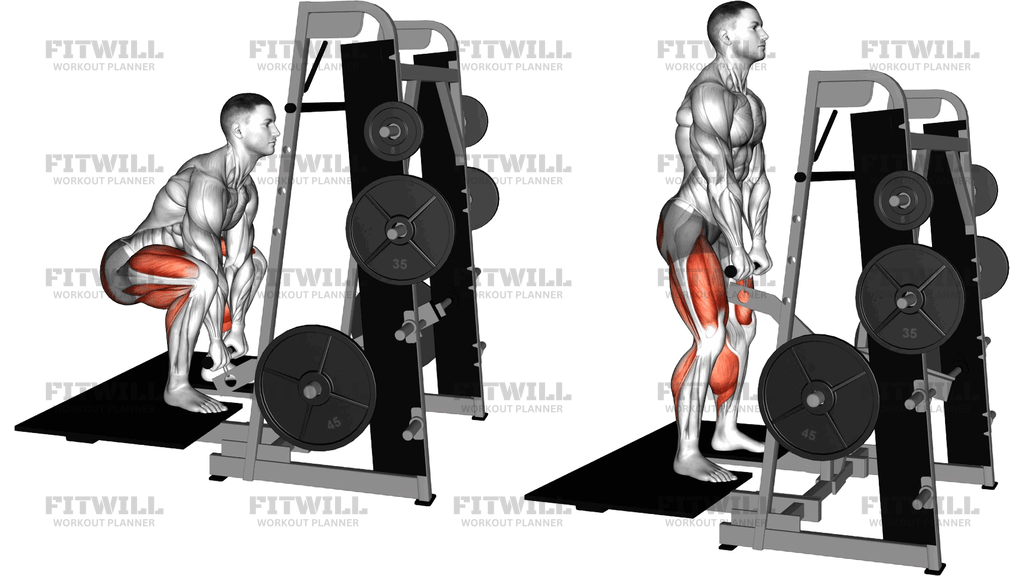
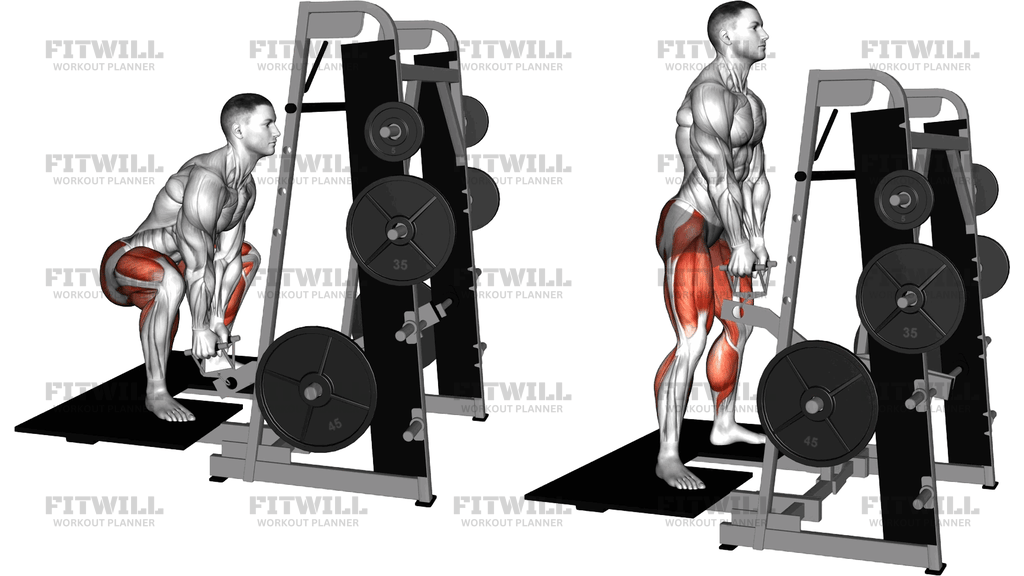
The Lever Belt Sumo Deadlift (V Bar) is a plate-loaded leverage machine variation of the sumo deadlift. Instead of pulling a barbell from the floor, you stand on the machine's platform with your feet spread wide outside the handle, sink into a deep sumo-position squat, and grip the low-mounted V-Bar handle between your legs. Driving through the floor to a full standing lockout moves the loaded lever arm, with the weight plates providing resistance along a fixed path.
This setup is especially useful for lifters who want the sumo deadlift pattern without the balance demands of a free barbell. The wide stance shifts the work toward the glutes and inner thighs and lets you stay more upright than a conventional deadlift, which takes some load off the lower back. The V-Bar handle keeps your hands centered and close together, so both sides of your body stay symmetrical and your arms simply hang as links between your shoulders and the weight.
Because the machine guides the resistance on a set arc, you can focus on the positions that matter most: knees tracked wide over the toes, chest tall, and hips driving forward at the top. That makes it a solid choice for learning the sumo pattern, for higher-rep accessory work after heavy barbell pulls, or for anyone training around grip or mobility limitations that make a barbell awkward to set up.
The main musculature involved is the glutes and hamstrings, with strong contributions from the quads out of the bottom and the adductors stabilizing the wide stance. The traps, upper back, and forearms work isometrically to hold the lockout position, and the core braces to keep your spine neutral from start to finish.
To get the most from the exercise, treat it like a real deadlift rather than a machine row: set your stance deliberately, pull the slack out of the handle before you drive, and finish tall with your glutes engaged rather than leaning back. Control the descent so the plates don't slam, and keep each rep starting from a deliberate, braced position instead of bouncing out of the bottom. Heavy sets of 3-6 reps build strength through the hip hinge, while sets of 8-12 work well for muscle and technique practice.
[ Workout Log & Planner ]
Put your next workout in Fitwill
Keep your plan and training log ready when you are.


Instructions
- Set the machine so the low V-Bar handle sits directly beneath where your hips will be, and load the plates evenly on both sides.
- Step onto the platform with your feet considerably wider than shoulder width, toes angled out roughly 30-45 degrees, positioned so the handle hangs between your legs.
- Push your hips back and bend your knees until you can grip the V-Bar with both hands, arms hanging straight down inside your knees.
- Pull your chest up, flatten your back, and let your knees press outward so they track over your toes rather than caving inward.
- Take a deep breath into your belly and brace your core before any tension reaches the handle.
- Drive the floor away through your whole foot, extending your knees and hips together to stand up out of the bottom position.
- Finish standing tall with your legs straight, glutes squeezed, and shoulders back, without hyperextending your lower back.
- Lower the handle under control by pushing your hips back first, then bending your knees, letting the lever return toward the start without dropping it.
- Exhale at the top, reset your breath and brace, and re-grip before starting the next repetition.
- Complete your set, then let the weight plates settle fully before stepping off the platform.
Tips & Tricks
- If your knees collapse inward as you drive up, consciously spread the floor with your feet — the wide sumo stance only works if the adductors and glutes keep the knees tracking out.
- A common mistake is standing up with the hips first, which turns the rep into a good morning. Cue your chest and hips to rise at the same rate off the bottom.
- Grip the V-Bar centered in your hands and let your arms hang fully straight; bending the elbows early turns the pull into an arm movement and shortens the hinge.
- Because the machine stabilizes the weight, it's tempting to rush reps. Keep a 1-2 second lower to actually train the eccentric, which the plates make easy to ignore.
- Set your feet so your shins end up close to vertical at the bottom. If your knees drift far past the handle, move your stance slightly wider or push your hips back more.
- Keep your weight distributed across the whole foot and heel. Rocking onto the toes usually means the hips are too far forward at setup.
- Don't jerk the slack out of the handle on the first rep; take the tension, then pull, or you'll lose your brace before the plates even move.
- If your lower back rounds at the bottom, reduce the depth by limiting hip travel slightly or lighten the load until you can hold a flat back through the full range.
- The V-Bar limits grip demand compared to a barbell, but still reset your grip each rep if your hands loosen — a slipping grip pulls your shoulders out of position mid-pull.
Frequently Asked Questions
What muscles does the Lever Belt Sumo Deadlift (V Bar) work?
It primarily targets the glutes and hamstrings through the hip hinge, with the quads contributing strongly out of the bottom and the inner thighs stabilizing the wide stance. The lower back, traps, and forearms work isometrically to hold your position.
How is the Lever Belt Sumo Deadlift (V Bar) different from a barbell sumo deadlift?
The machine's lever arm fixes the resistance path, so you don't need to balance a free bar or worry about the weight drifting away from your body. It removes much of the grip and stabilization demand, letting you concentrate on hip and leg mechanics.
Is the Lever Belt Sumo Deadlift (V Bar) good for beginners?
Yes, it's one of the more beginner-friendly ways to learn the sumo deadlift pattern because the guided path reduces balance requirements. Start light to groove the knee-out position and flat back before adding meaningful load.
Why use a wide sumo stance instead of a conventional stance on this machine?
The wide stance allows a more upright torso, shifts emphasis toward the glutes and adductors, and shortens the range of motion at the hips. Many lifters with longer legs or limited hip hinge mobility find it more comfortable than a narrow-stance pull.
How wide should my feet be on the platform?
Go wide enough that your hands can hang straight down to the V-Bar inside your knees, typically well outside shoulder width, with toes turned out 30-45 degrees. Adjust until your knees track over your toes without caving in.
What's the most common mistake with the Lever Belt Sumo Deadlift (V Bar)?
Letting the hips shoot up first, which rounds the lower back and turns the rep into an awkward stiff-leg pull. Fix it by keeping your chest up and driving your knees and hips to extend together off the bottom.
Can I use this machine as a substitute for barbell deadlifts altogether?
It can replace the pattern for a while, but it won't develop the same free-weight stabilization and grip strength. Most lifters get the best results using it alongside barbell work or as an accessory rather than a total replacement.
How should I breathe during the Lever Belt Sumo Deadlift (V Bar)?
Inhale and brace your core at the bottom before each pull, hold that brace through the ascent, and exhale at the top. Reset your breath between reps rather than taking multiple reps on one breath once the load gets heavy.
Should I wear a belt on the Lever Belt Sumo Deadlift (V Bar)?
Despite the exercise name, a lifting belt is optional on a machine variation. It can help brace your core on heavy sets, but learn to brace without one at lighter loads first.
Is it safe for people with lower back concerns?
The upright sumo position and fixed machine path generally place less shear stress on the lower back than a barbell pull, but any spinal loading carries risk if form breaks down. Keep the load moderate, prioritize a neutral spine, and stop if you feel sharp or radiating discomfort.