Suspension Reverse Fly Wake-Up
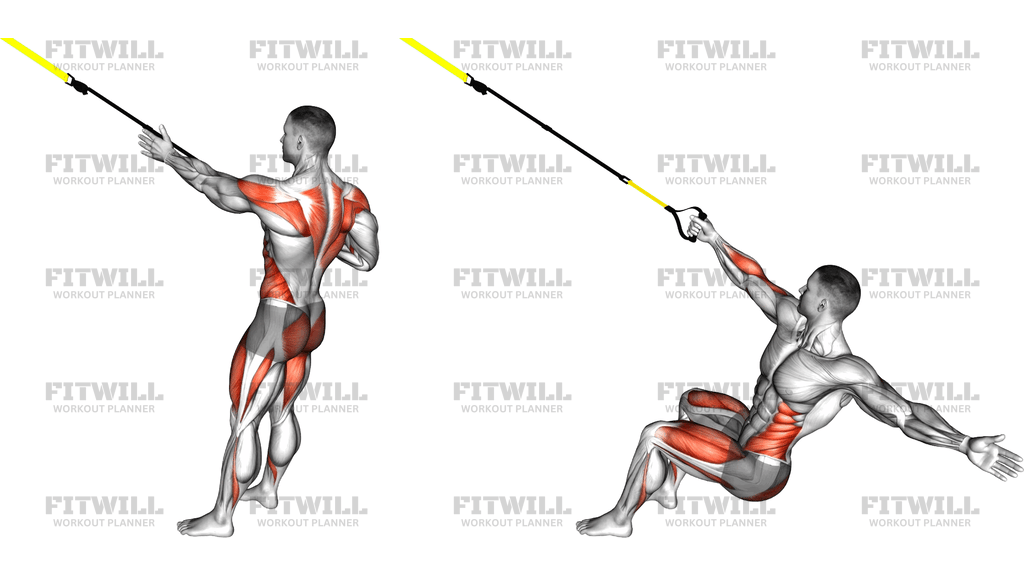
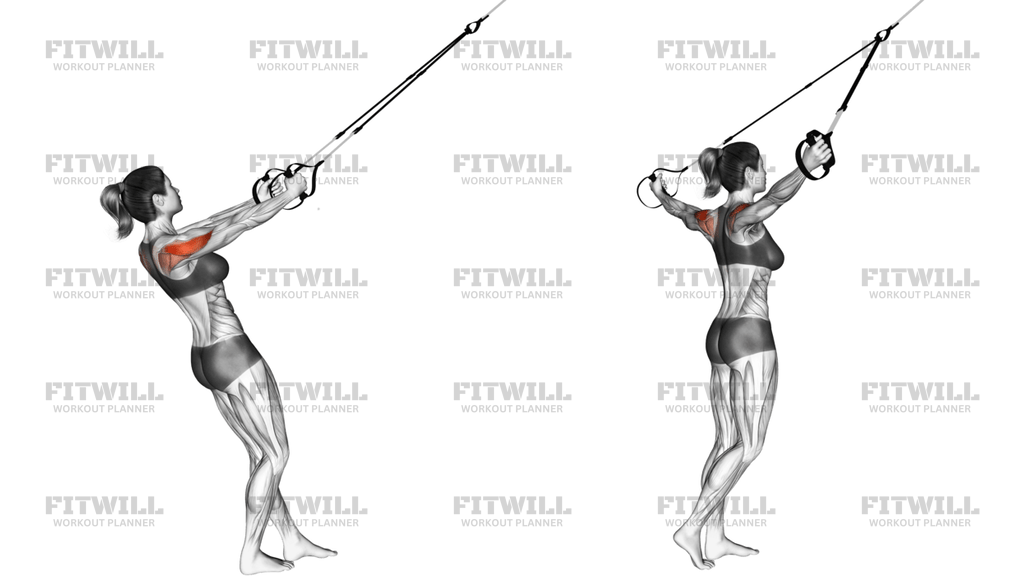
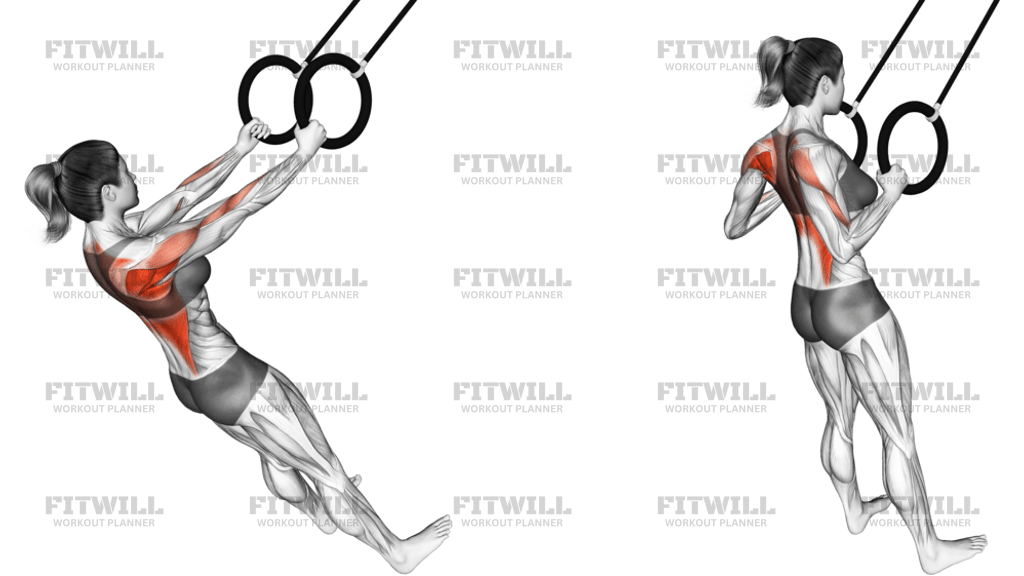
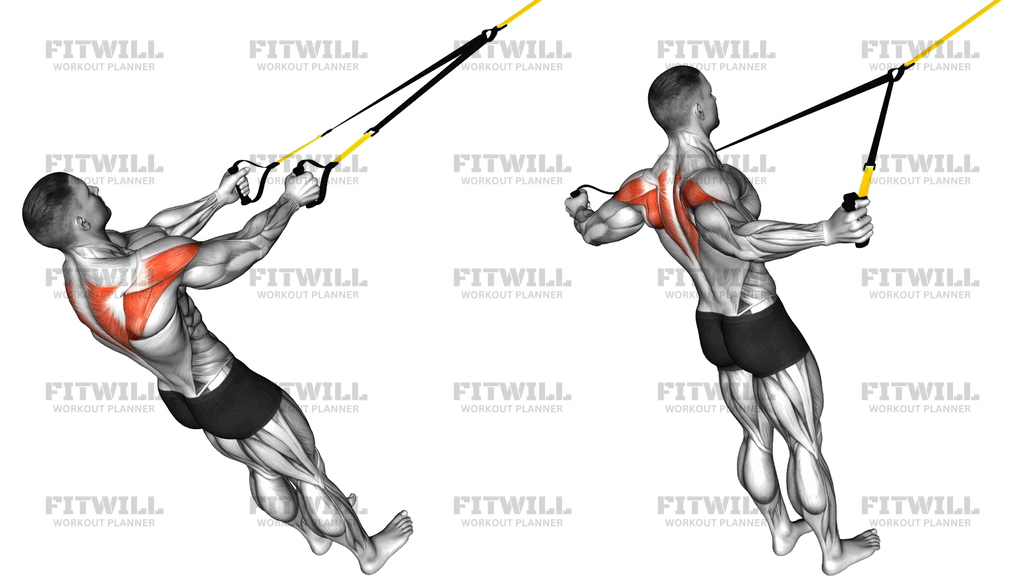
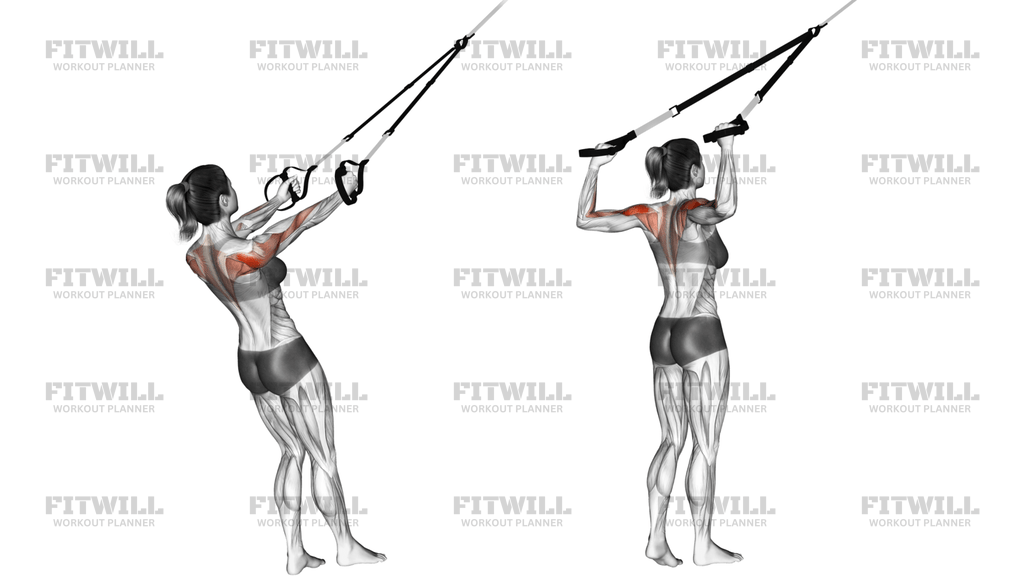
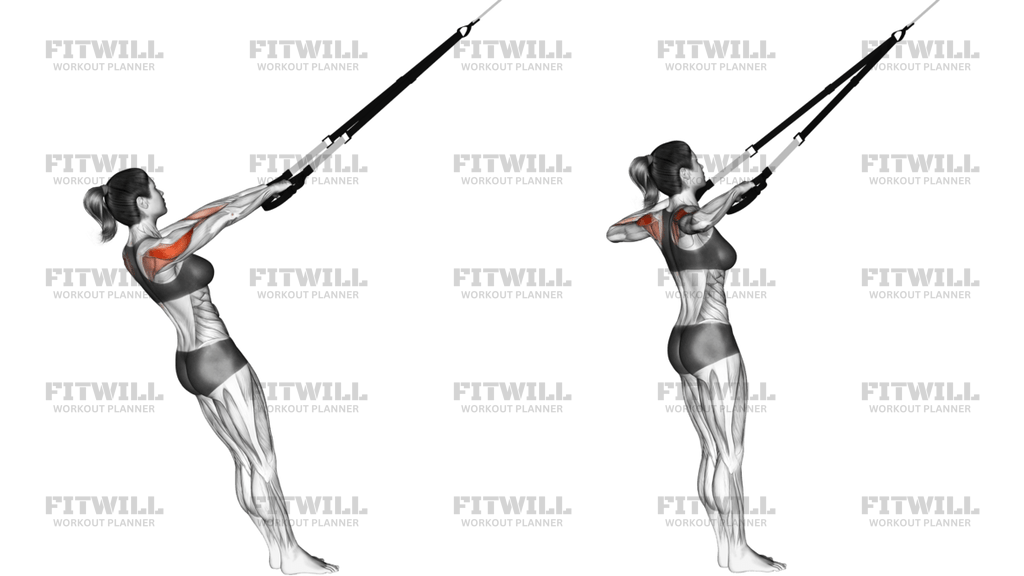
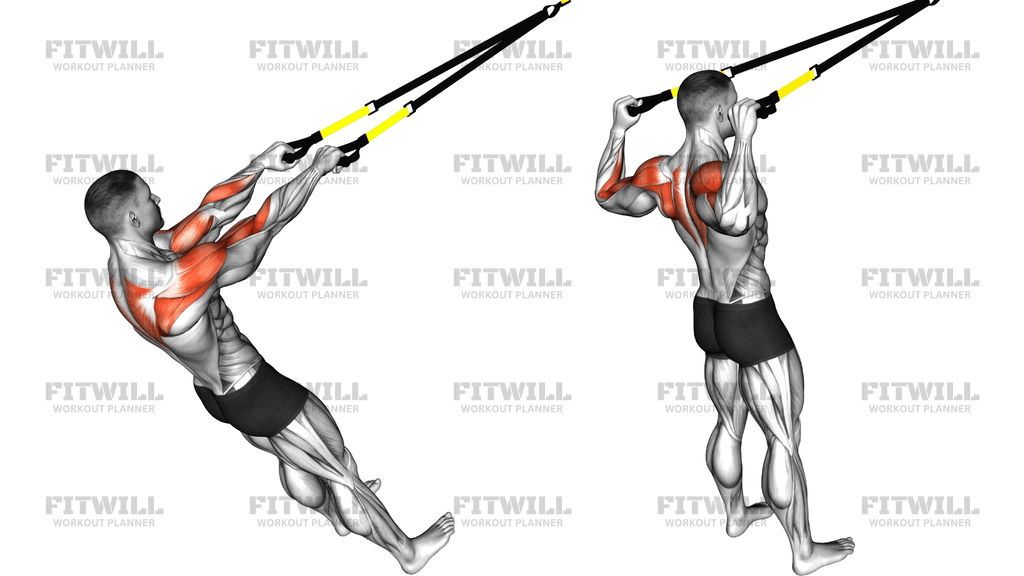
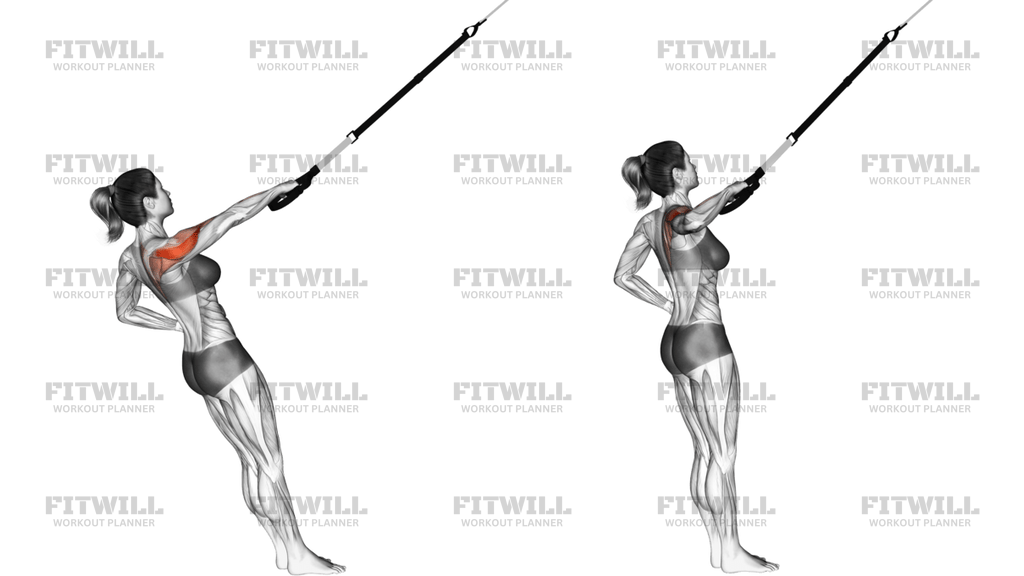
Suspension Reverse Fly Wake-Up is a suspension-trainer posterior-shoulder drill that teaches you to open the arms without dumping the rib cage forward or shrugging into the neck. The wake-up version uses a lighter body angle and stricter tempo than a heavy fly, so it works well as activation, shoulder prep, or accessory work when you want the rear delts, mid-back, and scapular stabilizers to switch on before pressing or pulling. In anatomy terms, the deltoids do most of the work, with the trapezius, rhomboids, and triceps brachii helping to control the straps and steady the shoulder blades.
The setup matters because the straps determine how much load you create. Walk your feet forward until the handles feel taut at chest height, then lean back just enough that your body weight is shared between your feet and the suspension anchor. Keep a slight bend in the elbows, soft knees, and a long neck. If you use the bridge version shown in the image, keep the hips lifted and the ribs stacked so the torso stays organized instead of arching through the lower back.
Each rep should start from a quiet shoulder position. Open the arms in a wide arc until the hands line up with or slightly behind the shoulders, then pause briefly while you squeeze the back of the shoulders and upper back. The return is just as important: bring the handles back together slowly, stop before the shoulders roll forward, and keep tension on the straps instead of letting them slacken. Breathe out as the arms open and inhale on the controlled return.
This exercise is most useful when you want quality scapular movement rather than maximal load. It fits well in warm-ups, shoulder-prep circuits, upper-back accessories, and posture-focused sessions. Because the lever changes with foot position and body angle, the same drill can be made very easy or surprisingly demanding without changing the equipment. Shorter steps, a more upright body, and a smaller range make it easier; walking farther forward makes the reverse fly harder immediately.
The biggest wins come from clean lines and repeatable reps. Keep the sternum from flaring, avoid yanking the handles apart, and do not let the hands drift above shoulder level if that turns the movement into a shrug. When the set is done, step closer to the anchor or lower your hips and upper back carefully so you can release the straps under control. Train this movement for sharp shoulder control, not for a big swinging rep count.
[ Workout Log & Planner ]
Put your next workout in Fitwill
Keep your plan and training log ready when you are.


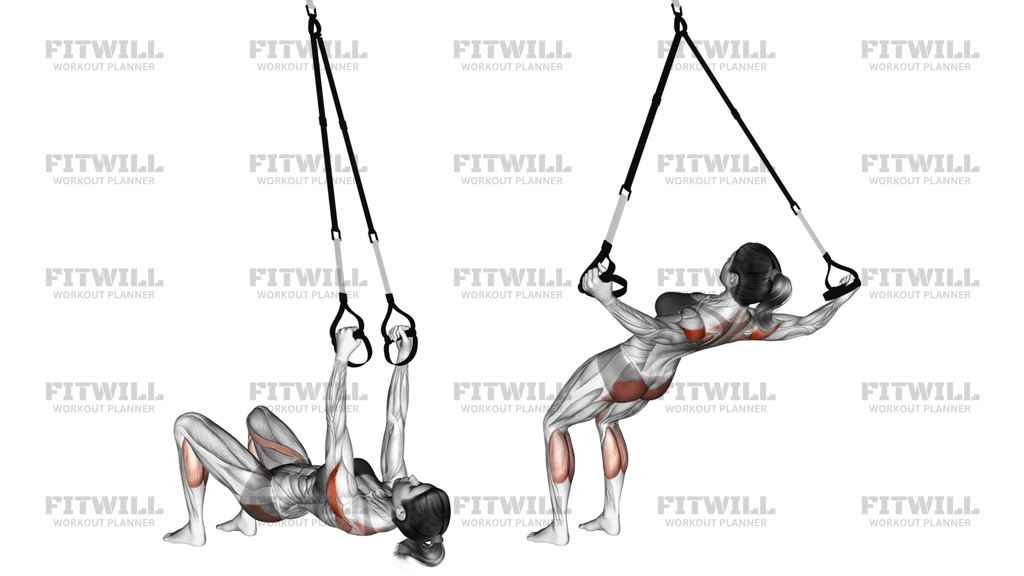
Instructions
- Set the suspension straps to mid length and hold one handle in each hand with a neutral grip.
- Walk your feet forward and lean back until the straps are taut; keep your knees soft, ribs stacked, and neck long.
- If you are using the bridge version, lie back with your feet planted and lift your hips so your torso stays straight from knees to shoulders.
- Start with your arms slightly in front of your shoulders and keep a small, fixed bend in the elbows.
- Open your arms in a wide reverse-fly arc until your hands reach shoulder line or slightly behind it.
- Squeeze your shoulder blades down and back at the top without shrugging your shoulders toward your ears.
- Lower the handles together slowly to the start while keeping tension in the straps.
- Exhale as you open, inhale on the return, and stop the set if you lose the body angle or shoulder position.
Tips & Tricks
- Use your foot position to control difficulty: a more upright lean makes the fly easier, while walking farther forward increases tension quickly.
- Keep the elbow bend fixed so the movement stays a reverse fly instead of turning into a row or press.
- Stop the hands at shoulder line if the upper traps take over; going higher usually turns the drill into a shrug.
- Hold the wrists neutral so the handles stay lined up with the forearms instead of folding the wrists back.
- Think about sweeping the arms wide, not pinching the shoulder blades as hard as possible at the top.
- In the bridge version, keep the ribs stacked over the pelvis and let the glutes hold the line so your lower back does not arch.
- Use a slow lowering phase of about two to three seconds to keep tension on the rear delts and mid-back.
- If the neck starts to tighten, make the body more upright or shorten the range before the next rep.
Frequently Asked Questions
What muscles does Suspension Reverse Fly Wake-Up train most?
It primarily targets the rear and side portions of the shoulders, with the mid-back helping to control the shoulder blades.
Is the bridge version in the image part of the exercise?
Yes, some setups use a bridge so the torso stays organized and the lower body helps steady the movement while the arms open.
How should the handles move during the fly?
The handles should travel out in a wide arc until the hands are at shoulder line or slightly behind it, then return together under control.
Should my elbows stay bent?
Yes. Keep a small, fixed bend so the tension stays on the shoulders and upper back instead of turning the rep into a pressing motion.
Why do I feel this mostly in my traps?
Usually the body is too horizontal, the shoulders are shrugging, or the hands are coming too high. Make the angle easier and keep the neck long.
Can a beginner use this exercise?
Yes. Start with a more upright body angle, shorter range, and slow reps until the shoulders track cleanly.
What should I do if my lower back arches in the bridge version?
Lower the hips slightly, keep the ribs stacked, and let the glutes hold the bridge instead of chasing extra height.
How do I progress this movement?
Walk farther from the anchor, slow the lowering phase, or add a brief pause at the open position while keeping the same shoulder path.