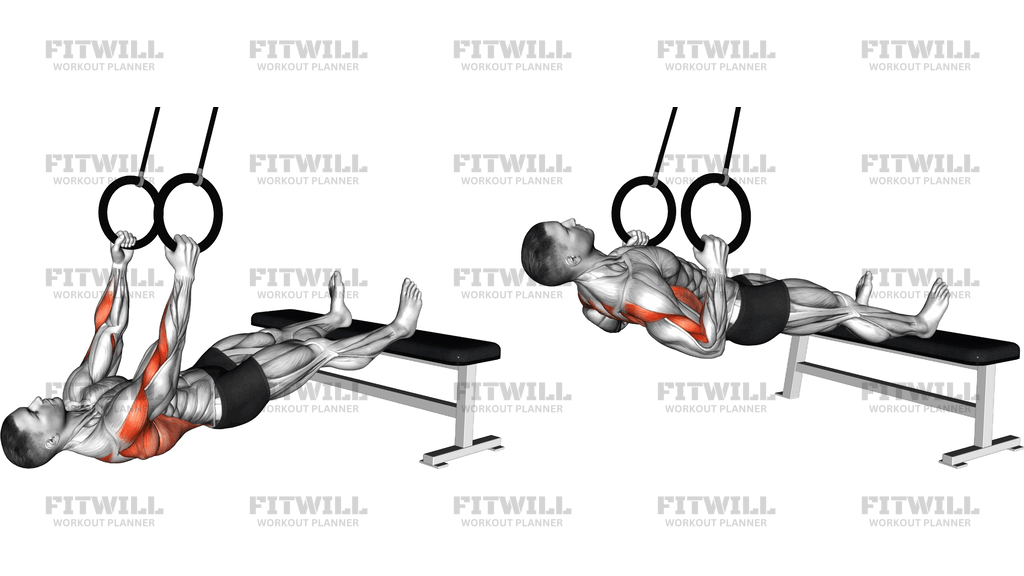
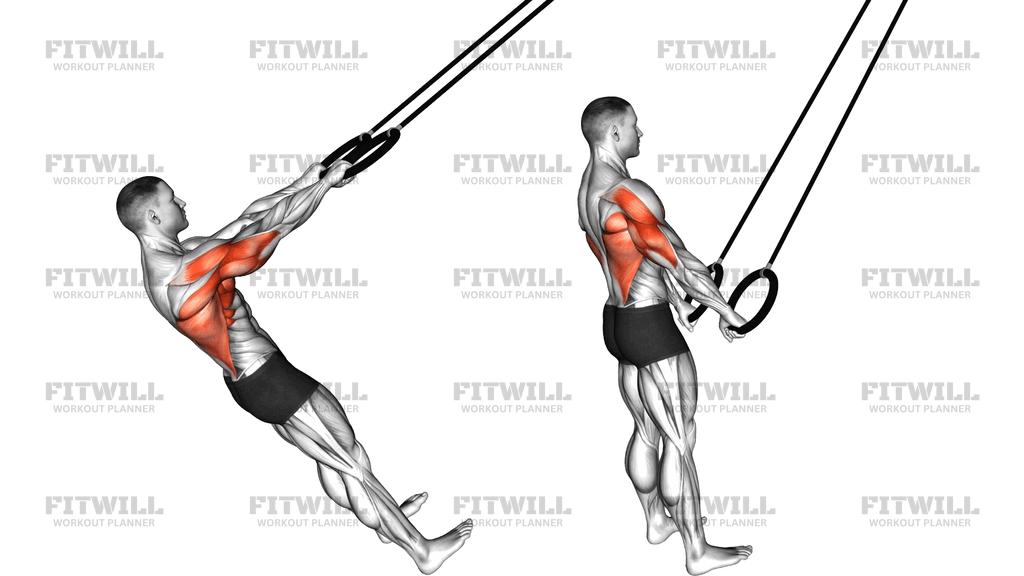
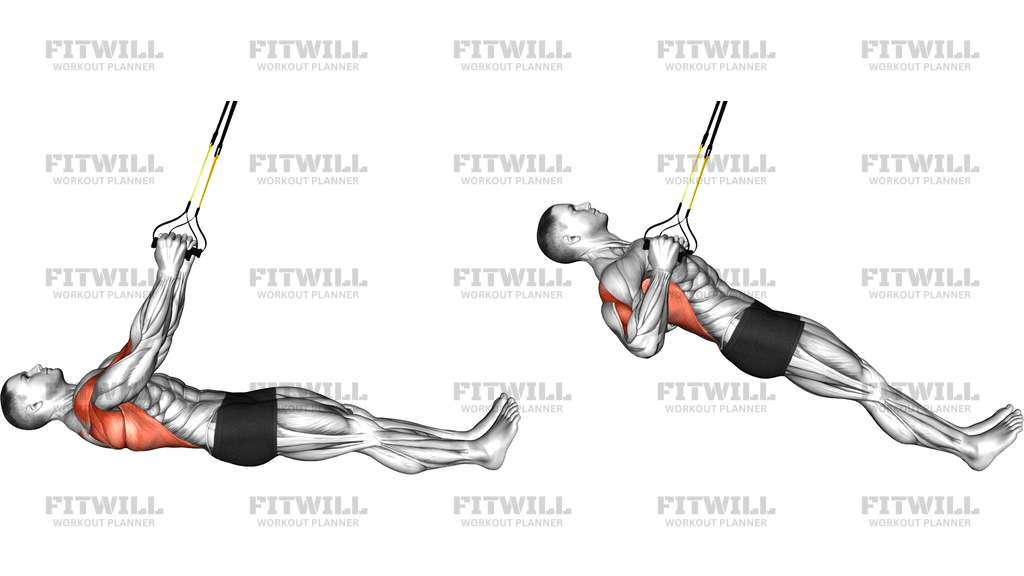
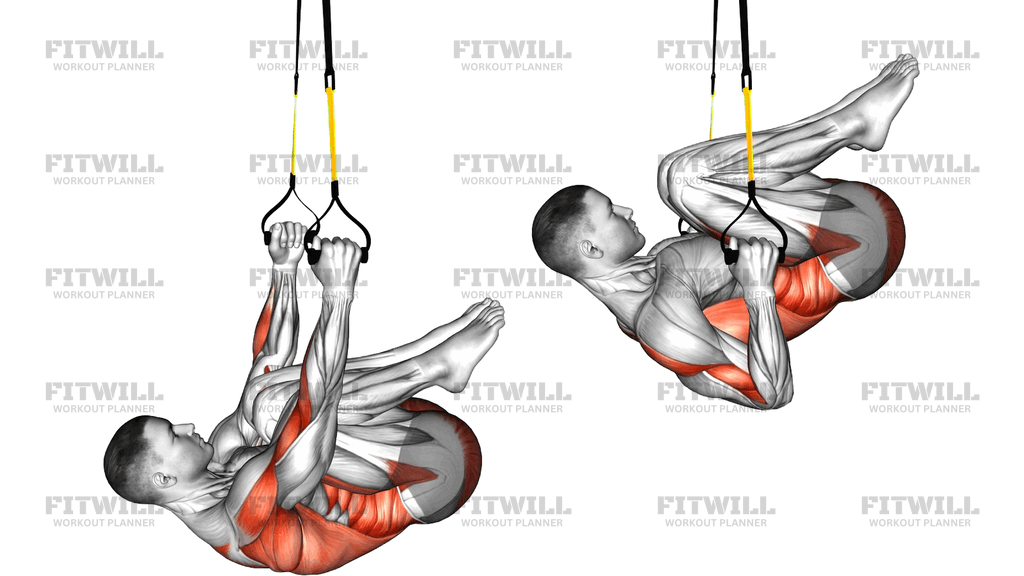
Suspender Face Pull
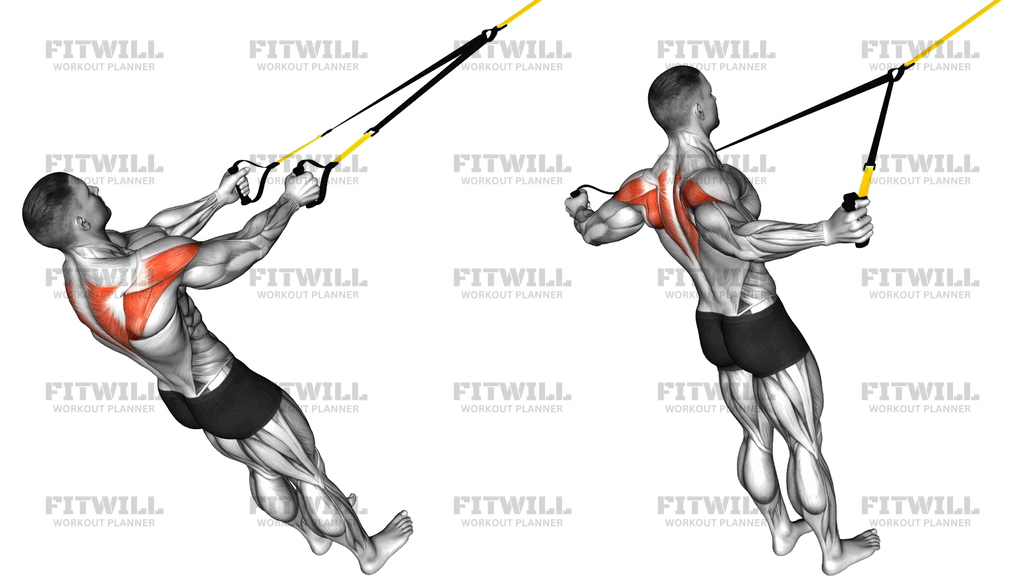
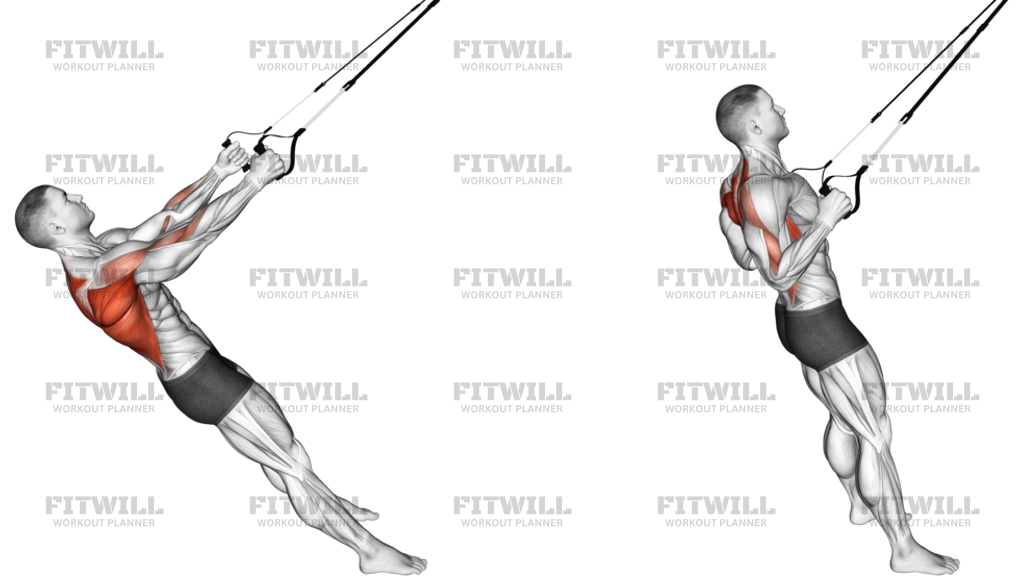
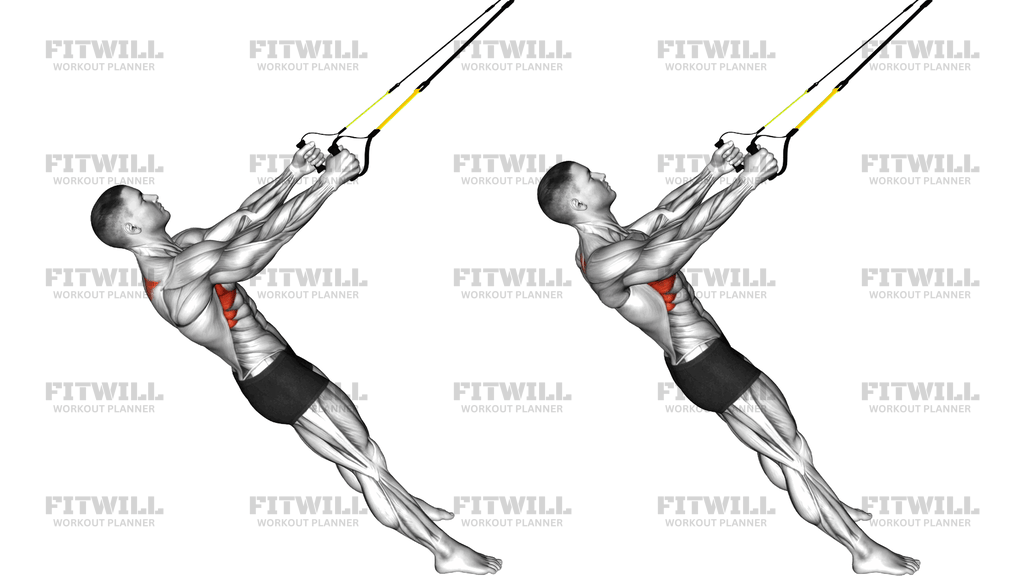
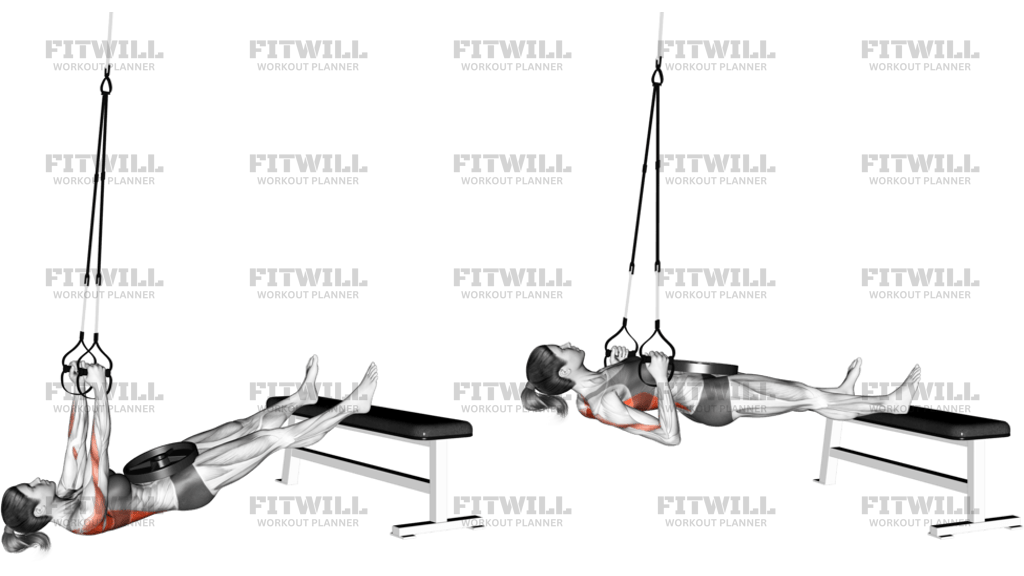
The Suspender Face Pull is a rear-shoulder and upper-back exercise performed with a suspension trainer, such as a pair of hanging straps with handles. You hold the handles and lean back so your body weight creates the resistance, then pull the handles toward your face with your elbows driving up and out to the sides. Because the straps are unstable, your core and shoulder stabilizers work the entire time, which makes the movement feel quite different from a cable or band face pull even though the target muscles are similar.
This exercise is especially useful for people who spend long hours sitting at a desk, since the forward-rounded shoulder posture it combats comes directly from weakness in the rear delts, rhomboids, and mid-traps. It is also a smart addition for lifters who press heavily and want to balance out their shoulder development. Because the resistance comes from your own body position rather than a weight stack, it scales naturally: the more horizontal you get, the harder it becomes.
The setup is what makes or breaks this movement. The angle of your lean sets the load, and the position of the straps sets the path. The straps should hang so the handles finish near your forehead or eye level at the top of the pull. If your anchor point is too low or your foot placement is off, the pull drifts into a row and the face-pull benefit disappears. Keep your body in one straight line from head to heels, and treat your torso as a rigid plank that simply changes angle.
To execute it well, start with your arms extended and your weight on your heels. Initiate the pull by drawing your shoulder blades back and down, then pull the handles toward your face, letting your elbows rise above wrist height. At the end position your elbows are wide and high, your hands are near the sides of your head, and your chest is open. Lower yourself back to full arm extension under control, resisting the straps rather than collapsing into them.
Common use cases include shoulder health circuits, warm-up work before pressing days, and higher-rep accessory training for the upper back. It also suits home and travel workouts, since a doorway or sturdy overhead anchor is the only requirement. Keep the reps moderate and controlled, and prioritize the squeeze between the shoulder blades over speed.
From a safety standpoint, check that the anchor point is secure before loading your weight onto the straps, and start with a conservative lean angle until you know the straps and your grip can hold you. Avoid jerking or bouncing out of the stretched position, and if your lower back arches or your hips sag, reduce the angle and shorten the range until your torso stays solid.
[ Workout Log & Planner ]
Put your next workout in Fitwill
Keep your plan and training log ready when you are.


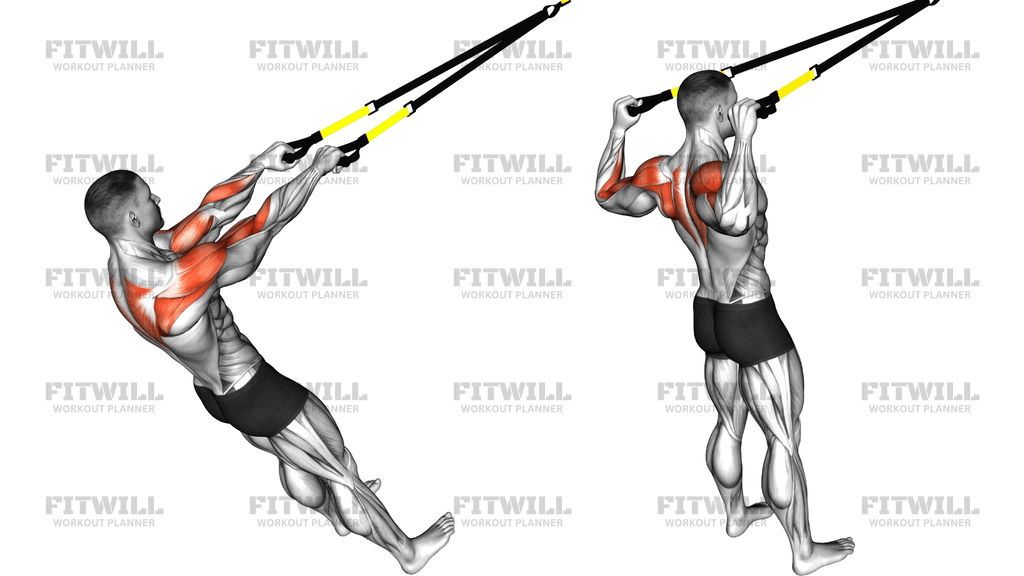
Instructions
- Anchor the suspension trainer overhead to a secure bar or doorway attachment, and adjust the straps so the handles will finish around eye or forehead level when your arms are fully extended and you are leaning back.
- Grip the handles with a neutral, overhand hold and step your feet back until your body forms a straight line from head to heels, with your arms extended toward the anchor.
- Set your stance roughly shoulder-width apart, place your weight over your heels, and brace your core so your hips do not sag or your lower back does not arch.
- Begin the pull by squeezing your shoulder blades together and down before your arms start moving.
- Pull the handles toward your face by driving your elbows up and out to the sides, keeping them above wrist height throughout the rep.
- Finish with your hands near your ears or the sides of your head, elbows wide, and your chest pressed up toward the straps.
- Hold the contracted position for a brief moment, feeling the squeeze across your upper back and the backs of your shoulders.
- Lower yourself back to full arm extension slowly, resisting the straps as your body leans back away from the anchor.
- Exhale as you pull toward your face and inhale as you return to the start position.
- Complete your set, then step forward carefully to unload your weight from the straps before letting go.
Tips & Tricks
- If the pull feels like a row instead of a face pull, your elbows are dropping below your hands—focus on leading with the elbows and keeping them high and wide.
- The easiest way to adjust difficulty is your foot position: walking your feet back toward the anchor increases the load, stepping in makes it easier. Change that before changing anything else.
- Do not let your head poke forward to meet the handles; the handles come to your face while your neck stays neutral.
- Shrugging your shoulders toward your ears during the pull shifts work away from the rear delts—think shoulders down and back as your elbows rise.
- Because the straps can slip, always test your grip and the anchor with a light lean before committing your full body weight.
- A half-rep from a short arm angle is a common mistake; make sure each rep returns to nearly straight arms so you get the full stretch across the back of the shoulders.
- If your hips sag or your lower back strains, shorten the lever by bending your knees slightly or reduce the lean angle until your torso stays rigid.
- Slow the lowering phase deliberately—the eccentric against body-weight resistance is where much of the upper-back benefit comes from.
- Keep your wrists firm and neutral; letting them bend back under load fatigues the forearms before the target muscles get worked.
Frequently Asked Questions
What muscles does the Suspender Face Pull work?
The main movers are the rear deltoids, with strong support from the rhomboids and middle and lower trapezius as the shoulder blades retract. The biceps and rotator cuff muscles assist, and your core stabilizes your leaning body position throughout.
How is the Suspender Face Pull different from a cable face pull?
Instead of a weighted cable, the resistance comes from your own body weight at an angle, and the unstable straps add a balance and stabilization demand. You adjust the load by moving your feet rather than changing a pin on a stack.
Is the Suspender Face Pull suitable for beginners?
Yes, and it is actually a forgiving starting point because you control the difficulty with your lean angle. Begin with a steep, upright body position and nearly vertical straps, then gradually lean further back as your strength and control improve.
How far should I lean back during the exercise?
Lean back far enough that your body forms a straight, rigid line and the straps support a meaningful share of your weight, but not so far that you lose control of the return. A good starting point is roughly a 45-degree lean with your weight over your heels.
Why do my elbows need to stay above my hands?
High, wide elbows keep the emphasis on the rear shoulders and upper back in the face-pull pattern. If your elbows drop below wrist height, the movement turns into a row and shifts the work toward the lats and arms.
What is the most common mistake with this exercise?
The most frequent error is yanking the handles in with the arms and shrugging up, instead of initiating with the shoulder blades. Slow the tempo down, lead with a deliberate squeeze between the shoulder blades, and let the hands simply follow the elbows.
Can I do the Suspender Face Pull every day?
Because the load is self-controlled and the emphasis is on postural muscles, it tolerates fairly frequent training. Two to four sessions per week, with moderate reps and controlled form, works well for most people without overloading the shoulders.
What can I substitute if I do not have a suspension trainer?
A face pull with a resistance band anchored at head height is the closest substitute, or a cable face pull with a rope attachment. The band version mimics the instability of the straps while still targeting the same muscles.
Is the Suspender Face Pull safe for my shoulders?
When performed with a controlled range, stable torso, and a secure anchor, it is a joint-friendly way to train the rear shoulders and upper back. Start conservatively, avoid jerking at the stretched position, and stop if you feel sharp pain rather than muscular effort.