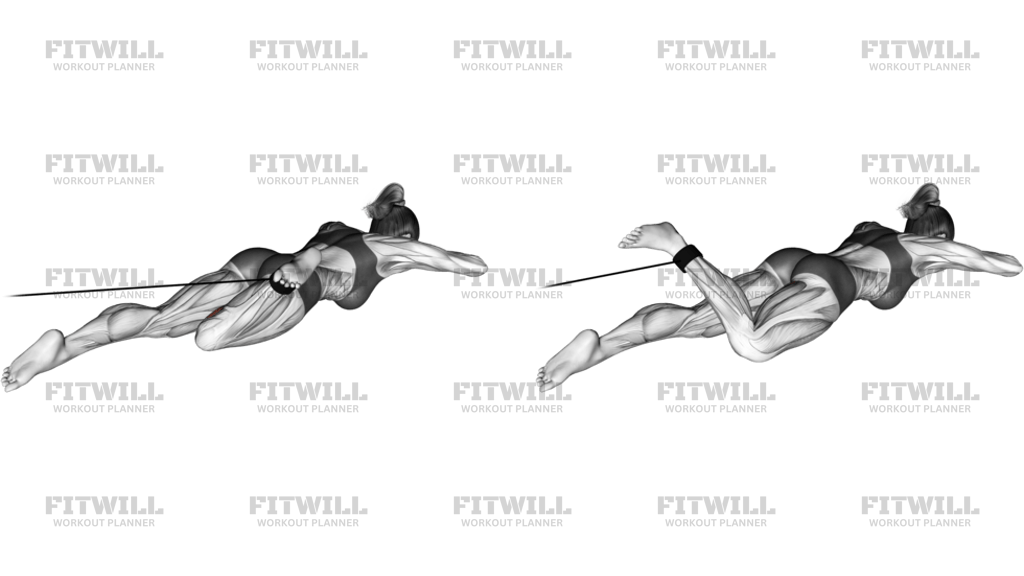
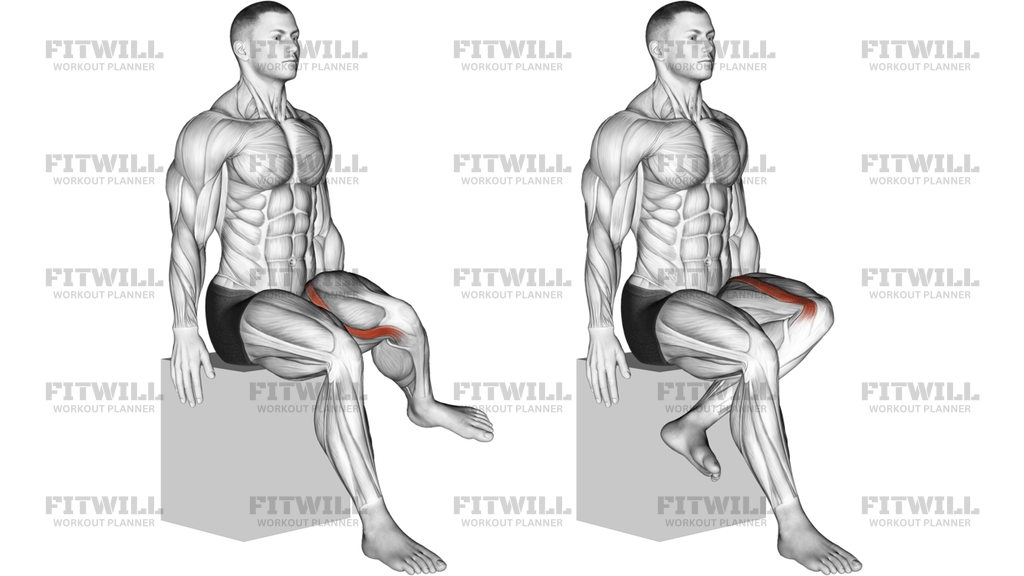
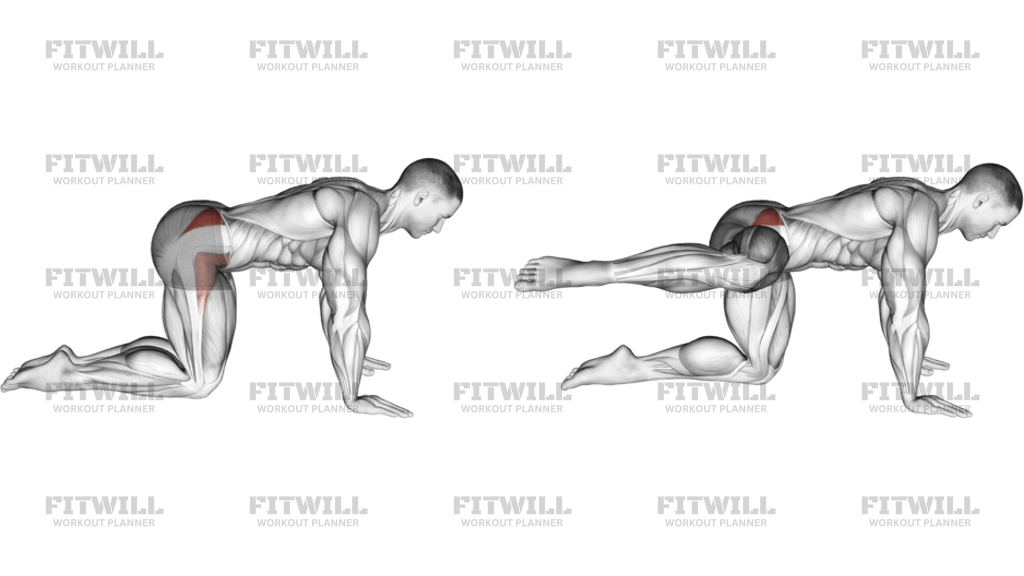
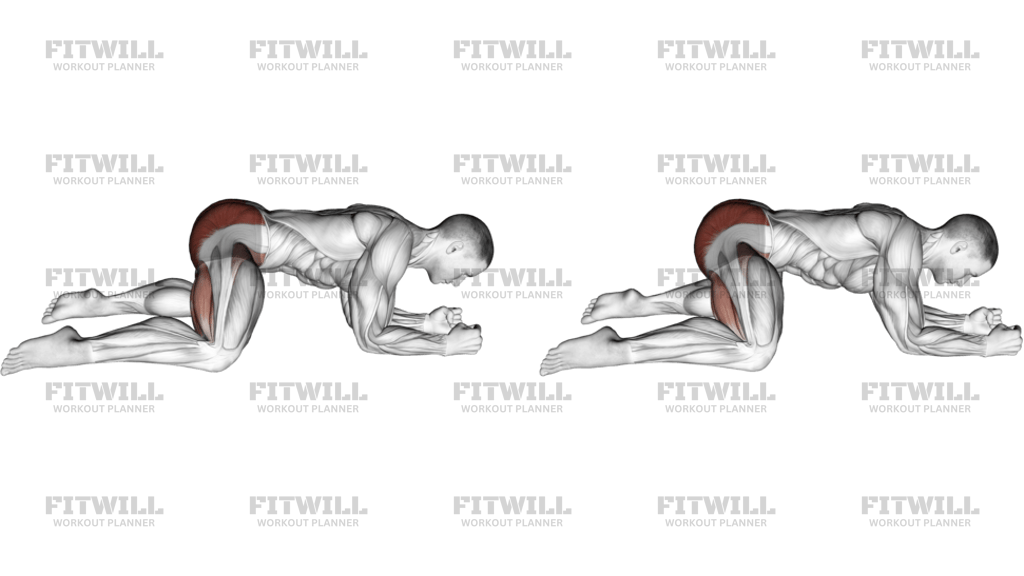
Lying Simultaneous Alternating Straight Leg Raise
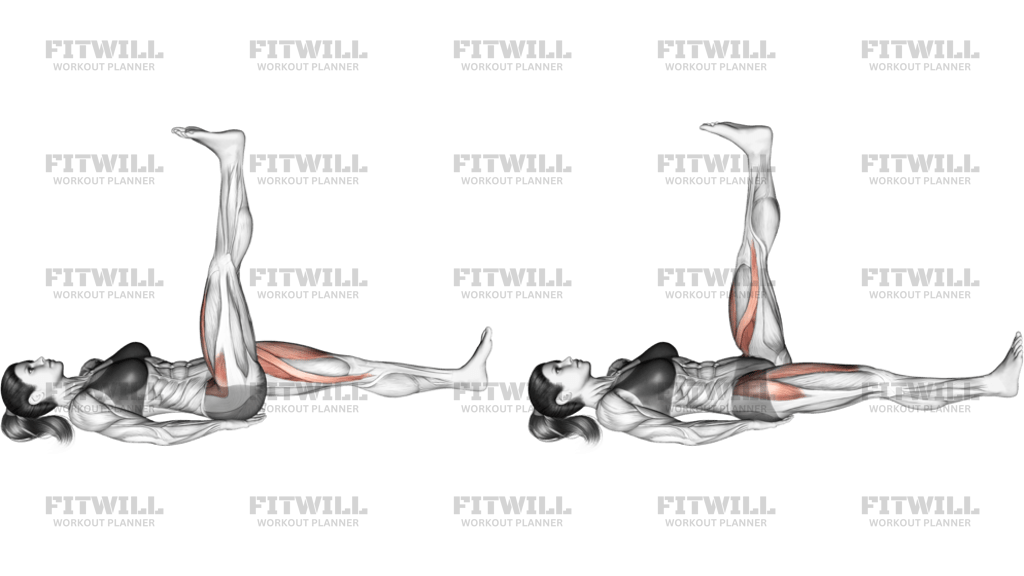
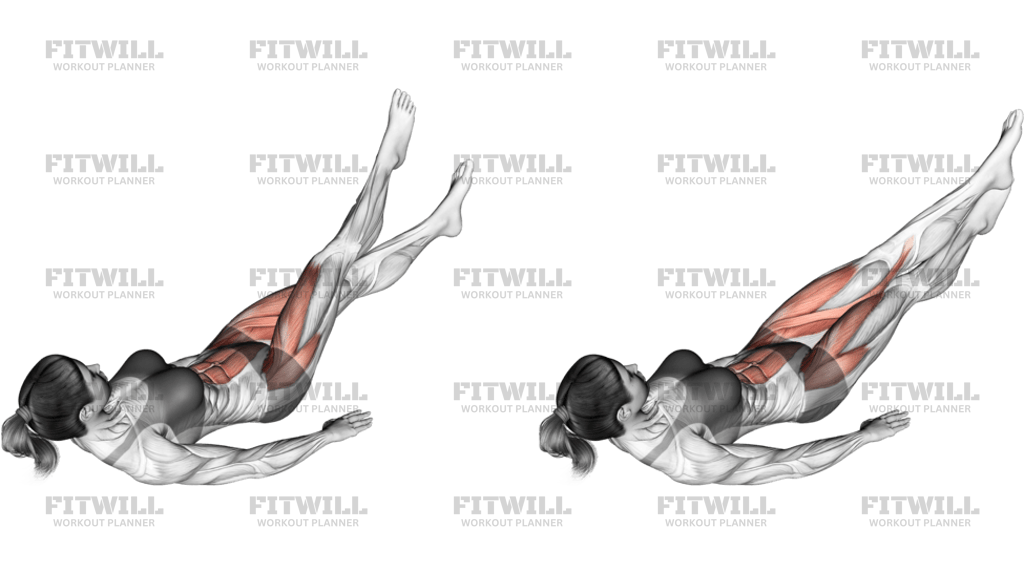
Lying Simultaneous Alternating Straight Leg Raise is a bodyweight floor exercise that trains hip control, trunk stability, and disciplined leg movement. Each rep asks you to keep both knees straight while one leg lifts and the other stays long and low, so the work stays on clean hip motion instead of momentum. It is a simple-looking movement, but the control requirement makes it valuable for people who want better body awareness and steadier pelvic position.
The main training effect comes from the hips and glutes, with the core and hamstrings helping keep the pelvis from rocking as the legs change position. In practice, that means the exercise is less about speed and more about keeping the lower back organized while the legs move in opposite directions. If the pelvis tips or the spine arches, the range is usually too aggressive for the current level of control.
The setup matters a lot here. Lie flat on your back on a mat, keep your head and shoulders relaxed, and place your hands by your sides or lightly under your hips if you need a little support. Start with one leg raised straight up and the other leg extended low toward the floor, then switch them without bending either knee. The goal is to make the swap smooth and precise, not to throw the legs through a large range.
As you work through each repetition, keep the moving leg controlled on the way up and on the way down. The lowered leg should hover rather than crash to the floor, and the raised leg should stop before your pelvis starts to tip or your lower back starts to arch. Exhale as the legs switch, then inhale as you stabilize and prepare for the next side.
This exercise fits well in warmups, core circuits, or accessory work when you want more hip control without external load. It can also help lifters who need better control in running, kicking, sprinting, or leg-dominant training because it teaches the hips to alternate cleanly while the trunk stays steady. Keep the reps smooth, use a manageable range, and stop the set when you can no longer keep both legs straight and the pelvis quiet.
[ Workout Log & Planner ]
Put your next workout in Fitwill
Keep your plan and training log ready when you are.


Instructions
- Lie on your back on a mat with your legs straight and your arms relaxed by your sides, or slide your hands under your hips for light support.
- Press your shoulders down, keep your neck long, and flatten your lower back toward the floor before you start.
- Raise one leg straight up toward the ceiling while the other leg stays long and low a few inches above the floor.
- Keep both knees straight but not locked hard, and hold your toes pointed or neutral instead of letting the feet flop open.
- Switch the leg positions in a slow, controlled swap without swinging either leg or rocking your pelvis.
- Lower the lifted leg only as far as you can keep your lower back from arching off the mat.
- Pause briefly when the legs change positions so you can reset your brace before the next rep.
- Exhale as you switch legs and inhale as you stabilize, then repeat for the planned number of reps.
Tips & Tricks
- If your lower back lifts, shorten the lowering range on the working leg until your pelvis stays heavy on the mat.
- Keep the swap slow enough that neither heel drops or whips through the bottom position.
- Do not bend the knees to make the movement easier; the straight-leg position is what makes the hips work hard.
- Use your hands under the hips only as a light cue or support, not as a way to push the legs higher.
- Pointing the toes can help you keep the legs long, but avoid over-arching the back to chase extra height.
- If the hip flexors cramp, reduce the range and make the transition smaller and smoother.
- The lowered leg should hover low, not touch down and restart from the floor every rep.
- Stop the set as soon as the pelvis starts to rock side to side or the legs start bending.
Frequently Asked Questions
What muscle does Lying Simultaneous Alternating Straight Leg Raise target most?
The exercise mainly trains the hips and glutes, with the core and hamstrings helping keep the pelvis steady.
Can beginners perform this exercise?
Yes. Beginners should start with a smaller range and focus on keeping both knees straight and the lower back flat.
Should my lower back stay on the floor the whole time?
It should stay heavy against the mat as much as possible. If it arches, lower the working leg less.
Why do both legs need to stay straight?
Straight legs make the hips work through a longer lever and prevent you from cheating the movement with knee bend.
How high should the raised leg go?
High enough to keep the pelvis quiet, usually near vertical, but not so high that you lose control of your midsection.
What if I feel my hip flexors cramping?
Shorten the range, slow the swap, and stop trying to force the lowered leg too close to the floor.
Is this more of a core or leg exercise?
It is both, but the main purpose is hip control with the core working hard to keep the trunk from moving.
How can I make Lying Simultaneous Alternating Straight Leg Raise harder?
Slow the leg switch, lower the hovering leg a little closer to the floor, or add a small pause when the legs change positions.